Daily Habits to Reduce Stress: Simple Routines for a Calmer Mind
Daily habits to reduce stress are small, repeatable actions that help your mind and body return to a calmer state. The most effective habits are usually simple: slow breathing, short walks, light stretching, short journaling sessions, and a steady evening wind-down. You do not need a perfect routine. You need a routine you can actually repeat.
When stress shows up every day, stress relief also needs to show up every day. Small calming actions work because they support your nervous system before stress becomes overwhelming. Over time, these daily habits can help reduce tension, improve focus, support better sleep, and make pressure feel easier to manage.
This guide explains what daily habits to reduce stress are, why they work, which habits matter most, how to build a realistic routine, and what mistakes to avoid. If you want a broader mental wellness foundation, start with our daily mental wellness guide. For a wider lifestyle foundation, explore healthy lifestyle habits for mind and body.
Quick answer: The best daily habits to reduce stress include slow breathing, morning light movement, short reset breaks, walking, simple stretching, brain-dump journaling, and a consistent evening wind-down. Start with two habits only and repeat them at the same time each day.
What Are Daily Habits to Reduce Stress?
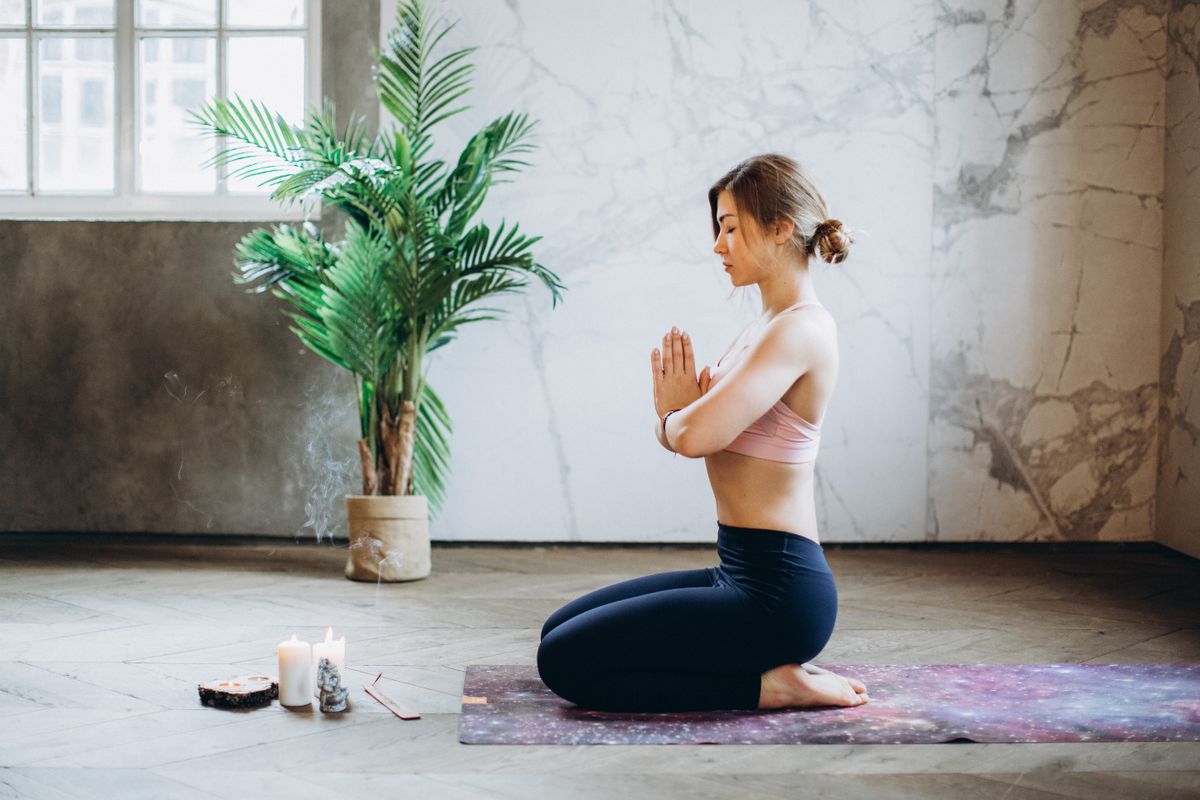
Daily habits to reduce stress are short routines that calm your nervous system, release body tension, and lower mental overload. They are not emergency-only techniques. They are steady support tools you use before stress builds too high.
Stress often comes from repeated inputs such as deadlines, noise, screen time, poor sleep, long sitting hours, emotional pressure, and too many tasks competing for attention. Because stress builds through repetition, calm also builds through repetition.
That is why daily stress relief works better than waiting until you feel completely overwhelmed. A few minutes of breathing, movement, or mental clearing may seem small, but repeated small actions often shape your daily baseline more than occasional big efforts.
In simple terms
- Stress habit: a repeated pattern that adds tension
- Calming habit: a repeated pattern that lowers tension
- Goal: make calming habits easier to repeat than stressful ones
If sleep problems increase your stress, support this topic with natural sleep habits for deeper rest. If stress leaves you mentally scattered, see morning mind routines for better focus for a focused start to the day.
Why Daily Habits to Reduce Stress Matter
Stress management is not only about feeling calm in the moment. It is also about reducing the amount of pressure your body and mind carry through the day. When you create small daily recovery points, you interrupt the build-up of tension.
That matters because many people do not experience stress as one dramatic event. They experience it as many small spikes: constant alerts, rushing, overthinking, poor transitions, multitasking, lack of sleep, and little time to recover.
Benefits of simple daily stress habits
- They help you recover faster after stressful moments
- They reduce physical tension in the shoulders, jaw, neck, and back
- They make it easier to focus on one task at a time
- They support better evening recovery and sleep quality
- They are realistic, low-cost, and beginner-friendly
For a broader pillar page on this topic, link this article to daily habits to reduce stress if that is your core pillar slug. If this article supports a wider mental wellness cluster, it should also connect naturally to daily mental wellness guide and online calm habits.
Why Daily Habits to Reduce Stress Work Better Than Occasional Stress Relief
A one-time break can help in the moment, but it usually does not change your daily pattern. Stress often returns because the triggers are still built into your routine. Daily habits work better because they fit inside normal life.
For example, a weekend self-care session may feel good, but it does not help much if every weekday starts with phone checking, rushing, sitting too long, skipping breaks, and carrying work stress into the evening. The goal is not occasional recovery. The goal is repeated recovery.
Think of stress relief in layers
| Type | What it does | Example |
|---|---|---|
| Emergency relief | Helps during a stress spike | Box breathing before a meeting |
| Daily support | Reduces stress build-up | Short walk after lunch |
| Lifestyle support | Improves your overall foundation | Sleep routine and regular movement |
This article focuses on the daily support layer. For the lifestyle layer, connect users to healthy lifestyle habits for mind and body and simple daily exercise for beginners.
The 3 Core Types of Daily Habits to Reduce Stress
The best stress routines usually include one habit from each of these three areas. This keeps the routine balanced and practical.
1. Habits that calm your nervous system
These habits help your body shift away from constant alert mode.
- Slow breathing
- Box breathing
- Quiet pauses
- Mindful grounding
2. Habits that release physical tension
Stress often stays in the body, especially in the jaw, shoulders, neck, chest, hips, and back.
- Walking
- Stretching
- Mobility breaks
- Gentle daily movement
3. Habits that reduce mental overload
Many people feel stressed because their mind is carrying too much at once.
- Brain-dump journaling
- Single-tasking
- Using a not-now list
- Protecting transitions between tasks
If your audience also needs easy movement ideas, add a contextual link to gentle exercise routine for daily movement and mobility.
Morning Daily Habits to Reduce Stress
Your morning often sets the tone for the rest of the day. A rushed start can create an early stress spike that continues for hours. A simple calm start can lower that pressure before it grows.
1. Do one minute of slow breathing before checking your phone
Start with a pattern such as inhale for 4, hold for 2, exhale for 6. A longer exhale often feels calming and helps you pause before outside input starts pulling your attention.
2. Set one calm intention
Choose one short phrase that shapes how you want to move through the day. Examples include:
- Stay steady
- Do one thing at a time
- Slow is smooth
- Finish calmly
3. Delay stressful input for 5 to 10 minutes
Avoid checking email, news, or messages immediately. This creates a short mental buffer and protects your nervous system from an instant pressure spike.
4. Add light movement
Stretch your neck, shoulders, back, and hips. Walk around the room, step outside, or do a few minutes of simple mobility work. This is especially helpful if you wake up stiff or mentally foggy.
5. Pair your calm habit with an existing cue
Habit stacking makes consistency easier. For example:
- After brushing your teeth, do one minute of breathing
- After making tea, step outside for two minutes
- After getting dressed, do a short stretch
For readers who want a full morning structure, link naturally to morning mind routines for better focus.
Breathing Techniques to Reduce Stress Quickly
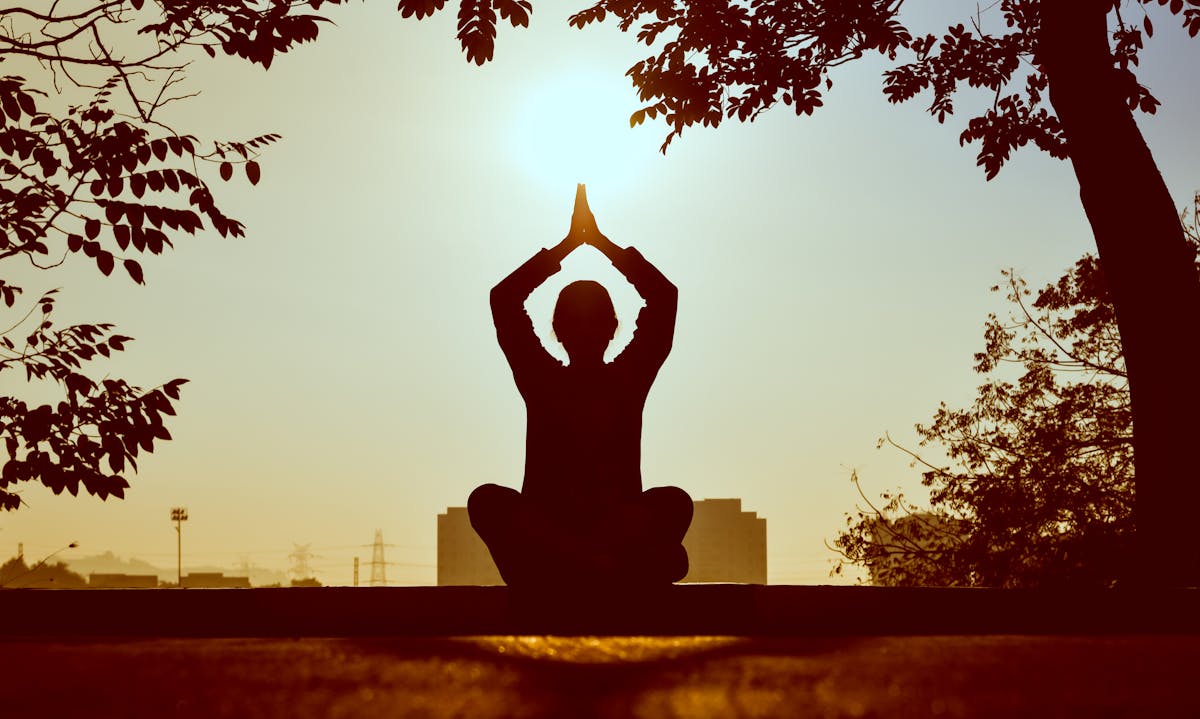
Breathing is one of the easiest stress-relief tools because you can do it almost anywhere. It works well in the morning, during work breaks, before meetings, after difficult conversations, or as part of an evening reset.
| Technique | How to do it | Best time to use it |
|---|---|---|
| 4-2-6 breathing | Inhale 4, hold 2, exhale 6 | Quick stress spikes |
| Box breathing | Inhale 4, hold 4, exhale 4, hold 4 | Before meetings or presentations |
| Coherent breathing | Inhale 5, exhale 5 | Midday reset |
| Physiological sigh style reset | Two short inhales, one long exhale | When stress suddenly rises |
How to make breathing a real habit
- Do it before opening your laptop
- Do it before meals
- Do it after bathroom breaks
- Do it before getting in bed
When a habit is tied to a normal daily action, it becomes easier to remember.
Midday Daily Habits to Reduce Stress
Midday is where many people lose balance. Energy drops, tasks pile up, and attention becomes scattered. This is why short reset habits matter most in the middle of the day.
Take 3-minute reset breaks
Between tasks, pause and do three things: drop your shoulders, unclench your jaw, and breathe slowly. This tiny break can stop tension from carrying into the next task.
Use a sensory grounding check
When your thoughts race, notice:
- 3 things you can see
- 3 things you can hear
- 3 things you can feel
This helps pull attention out of spiraling thoughts and back into the present moment.
Stand and move every hour
Sitting for long periods often increases stiffness and mental fatigue. Stand up, roll your shoulders, walk to the kitchen, stretch your chest, or reach overhead.
Protect transitions between tasks
One hidden stress source is moving too fast from one demand to the next. Before starting a new task, take ten seconds to reset. Close one tab. Clear your desk. Take one breath. Then begin.
If your cluster includes anxiety-specific content, add a supporting link here to mind relaxation techniques for anxiety.
Movement Habits That Reduce Stress Naturally
Stress is not only mental. It often shows up as muscle tension, shallow breathing, restlessness, and a heavy or tired feeling in the body. Movement helps interrupt that cycle.
Short daily walks
A 10-minute walk is realistic for most people. It creates a physical and mental reset. Walking is especially helpful after long sitting periods, difficult calls, or intense focus sessions.
5-minute stretch routine
Try this simple sequence:
- Neck rolls
- Shoulder rolls
- Chest opener
- Side reach
- Forward fold
- Hip stretch
Micro-movements during the day
You do not need a full workout for movement to lower stress. Small actions count:
- Stand during phone calls
- Stretch while waiting for coffee
- Walk for two minutes between work blocks
- Do shoulder mobility after long screen time
For readers who need a gentle activity plan, link to low-impact exercises for beginners guide and simple daily exercise for beginners.
Daily Habits to Reduce Mental Overload
Mental overload is one of the biggest hidden causes of stress. It happens when too many unfinished thoughts, tasks, reminders, and worries compete for your attention.
1. Brain-dump journaling
Take five minutes and write down everything on your mind. Do not organize it yet. The goal is not to create a beautiful journal entry. The goal is to stop holding everything in your head.
2. Use a not-now list
When a random task or idea pops up, write it down instead of switching focus. This protects your attention and reduces the stress of constant mental switching.
3. Single-task whenever possible
Doing one thing at a time is often calmer than trying to do three things badly at once. Choose your next most important task and stay with it for a set amount of time.
4. Reduce decision clutter
Prepare simple defaults for repeat choices. For example:
- Choose tomorrow’s clothes tonight
- Repeat a simple breakfast
- Use a fixed lunchtime walk
- Set one standard shutdown routine for work
5. Create a short end-of-day mental close
Before the evening begins, write down what is done, what can wait, and what matters tomorrow. This helps your mind stop looping.
Readers who need more support around mental balance can continue with daily mental wellness guide.
The evening is where you either carry stress into sleep or release part of it before bed. A short evening reset does not need to be long to be useful.
Digital wind-down
Reduce screen use for 30 to 60 minutes before bed when possible. Bright screens, constant input, and late-night scrolling can keep your mind active when it needs to slow down.
Try a 5-minute evening reset
- 1 minute of slow breathing
- 2 minutes of stretching
- 2 minutes of journaling or reflection
Use gratitude reflection carefully
You do not need to force positivity. Just write down three things that felt steady, helpful, or good enough today. This can shift attention away from mental replay and toward closure.
Prepare for tomorrow without overplanning
Lay out what you need, note your first task, and stop there. The purpose is to reduce morning friction, not create more pressure.
Support this section with evening routines for body and mind balance and natural sleep habits for deeper rest.
A Simple Daily Stress-Relief Routine You Can Start Today
If you want a complete beginner-friendly structure, use this routine. It is short enough to follow and broad enough to support your mind and body across the day.
| Time | Habit | Purpose |
|---|---|---|
| Morning | 1 minute breathing + calm intention | Start steady |
| Mid-morning | Stand, stretch, and unclench shoulders | Reduce tension |
| Lunch | 5 to 10 minute walk | Reset body and mind |
| Afternoon | 3 minute breathing or grounding break | Reduce overload |
| Evening | Short digital wind-down + journaling | Support recovery |
How to Build Daily Habits to Reduce Stress That Actually Stick
Most routines fail because they are too ambitious. People try to change everything at once, create a long perfect plan, then give up when normal life gets busy. A better approach is small, anchored, and flexible.
Use this 5-step framework
- Choose only two habits. Start with one nervous system habit and one body habit.
- Attach them to existing cues. Example: after coffee, breathe; after lunch, walk.
- Keep each habit short. One to five minutes is enough to begin.
- Track consistency, not perfection. Mark the days you practiced, even if it was brief.
- Adjust based on reality. Keep what works. Replace what feels forced.
Examples of realistic starter combinations
- 1 minute breathing + 5 minute walk
- Shoulder stretch + evening journaling
- Morning intention + after-lunch grounding check
For users building an overall health foundation, guide them to healthy lifestyle habits for mind and body.
Common Mistakes That Make Stress Habits Harder to Keep
- Trying to change everything at once. This usually creates more pressure, not less.
- Choosing unrealistic routines. A 30-minute daily reset may sound good, but a 3-minute reset is easier to keep.
- Turning calm into a performance task. Stress relief should feel supportive, not like another thing to fail at.
- Ignoring your environment. Notifications, clutter, noise, and constant interruptions can undo good habits.
- Only using habits when stress is extreme. Daily habits work best before the pressure peaks.
When to Seek Extra Support
Daily habits to reduce stress can be very useful, but they are not a complete solution for every situation. If stress feels constant, affects your sleep, impacts daily function, or feels unmanageable, extra support may be important. This article is for general wellness education and does not replace personal medical or mental health care.
If you also want readers to understand the broader impact of stress, add a link to your related article on how stress affects the body and mind once that page is finalized.
Conclusion: Start Small and Repeat What Helps
Daily habits to reduce stress work best when they are short, simple, and easy to repeat. A calm life does not usually come from one big reset. It comes from many small resets built into normal days.
Start with one minute of breathing. Add one short walk. Use one evening wind-down habit. Then repeat. As these actions become automatic, your day often feels less heavy, your mind feels less crowded, and your body carries less tension.
The goal is not perfection. The goal is building a routine that helps you return to calm more often. For a wider mental wellness foundation, continue with our daily mental wellness guide. For sleep support, explore natural sleep habits for deeper rest. For a broader balanced-living framework, see healthy lifestyle habits for mind and body.
Frequently Asked Questions
What are the best daily habits to reduce stress?
The best daily habits to reduce stress are slow breathing, short walks, gentle stretching, brain-dump journaling, grounding exercises, and a simple evening wind-down. These habits work well because they are easy to repeat and help calm the mind, release physical tension, and reduce mental overload.
How long does it take for daily stress habits to help?
Some habits can help immediately, such as breathing or a short walk. More lasting change usually comes from repeating simple habits consistently over days and weeks. The key is not intensity. The key is regular practice that fits into your real life.
Can daily habits to reduce stress also help with anxiety?
They can support a calmer daily rhythm by reducing stress build-up and helping you feel more grounded. Habits like breathing, movement, journaling, and better sleep routines may be useful parts of a wider support plan, but they are not a replacement for professional care when anxiety feels severe or persistent.
What if I do not have much time?
Start with one-minute habits. One minute of slow breathing, a two-minute stretch, or a short reset between tasks is enough to begin. Small habits are often more effective long term because they are easier to keep during busy days.
Is walking really one of the best daily habits to reduce stress?
Yes, walking is one of the most practical stress-relief habits because it combines movement, rhythm, posture change, and a break from mental pressure. Even a short walk can help reduce body tension and create a mental reset during the day.
What is a good evening habit for stress relief?
A good evening habit is a short wind-down routine that includes reduced screen time, light stretching, slow breathing, and brief reflection or journaling. This helps create a clearer transition from activity to rest and can support better recovery before sleep.
When should someone get extra help for stress?
If stress feels overwhelming, lasts for a long time, affects sleep, harms focus, or makes daily life harder to manage, professional support may be helpful. Daily wellness habits can be supportive, but ongoing stress sometimes needs more direct care and guidance.