Mind Relaxation Techniques for Anxiety
The goal of these techniques is not to eliminate every anxious thought instantly. Instead, they help calm the nervous system, reduce mental overload, and create enough space for steadier thinking and better emotional control. Some methods work quickly in stressful moments, while others become more powerful with regular practice. When used consistently, they can support better sleep, less reactivity, and a more balanced response to daily stress.
This guide explains practical, evidence-informed ways to relax the mind, including breathing exercises, mindfulness, grounding skills, progressive muscle relaxation, guided imagery, movement-based practices, and calming routines. For a broader foundation, you can also visit our pillar guide on healthy lifestyle for mind and body.
What Is Anxiety?
Anxiety is a natural emotional and physical response to perceived threat, uncertainty, or pressure. In healthy amounts, it can be useful. It prepares the body to pay attention, react faster, and protect itself. But when anxiety becomes chronic, intense, or disproportionate to the situation, it can interfere with daily life, relationships, focus, sleep, and overall wellbeing.
Many people experience anxiety as both a mental and physical state. Mentally, it may involve excessive worry, fear, racing thoughts, overthinking, or difficulty concentrating. Physically, it can appear as a rapid heart rate, tight muscles, stomach discomfort, sweating, restlessness, dizziness, or shallow breathing. This is why relaxation skills that work on both the body and the mind tend to be especially helpful.
Why Anxiety Feels So Overwhelming
One reason anxiety feels so intense is that it activates the body’s stress response. When the brain senses danger, whether real or anticipated, it signals the nervous system to prepare for action. This can be helpful in emergencies, but not when the threat is a meeting, a thought spiral, uncertainty, or social stress. The body responds as if it must fight or escape, even when no immediate action is needed.
Why Mind Relaxation Matters for Anxiety
Mind relaxation techniques matter because anxiety is not only about thoughts. It is also about physical activation, mental habits, attention patterns, and emotional overload. A good relaxation practice helps reduce the intensity of the stress response while also improving awareness, steadiness, and emotional regulation.
These practices support the shift from fight-or-flight into a calmer rest-and-digest state. That shift can improve breathing, reduce muscle tension, slow racing thoughts, and make it easier to think clearly. Over time, consistent practice may also reduce baseline stress reactivity, which means the nervous system becomes less likely to overreact to everyday triggers.
Relaxation Is Not Avoidance
It is important to understand that relaxation is not the same as escaping your problems. Mind relaxation techniques do not ask you to ignore stress. They help you meet stress more steadily. When the nervous system is calmer, it becomes easier to make decisions, communicate clearly, and respond with more control.
Quick Comparison of Mind Relaxation Techniques for Anxiety
| Technique | Primary focus | Typical duration | Best use |
|---|---|---|---|
| Diaphragmatic breathing | Immediate calm and breath regulation | 2 to 10 minutes | Fast anxiety relief |
| Box breathing | Rhythm and focus | 2 to 5 minutes | Before stressful tasks |
| Progressive muscle relaxation | Releasing body tension | 10 to 20 minutes | Evening stress or tension |
| Body scan meditation | Awareness and grounding | 10 to 20 minutes | Mental overwhelm |
| Mindful breathing | Present-moment attention | 5 to 15 minutes | Worry and overthinking |
| Guided imagery | Calming mental imagery | 5 to 20 minutes | Restlessness and sleep support |
| Grounding exercises | Returning to the present | 1 to 5 minutes | Panic or spiraling thoughts |
| Yoga or tai chi | Mind-body coordination | 15 to 45 minutes | Ongoing anxiety management |
Breathing Techniques to Calm Anxiety Quickly
Breathing exercises are often the fastest mind relaxation techniques for anxiety because they directly influence the nervous system. Anxiety tends to create short, shallow breathing, which can reinforce the feeling of panic or unease. Slower, deeper breathing helps interrupt that cycle.
Diaphragmatic Breathing
Diaphragmatic breathing, sometimes called belly breathing, encourages fuller, slower breaths that reduce chest tension and calm the body.
- Sit or lie down in a comfortable position.
- Place one hand on your chest and one on your stomach.
- Inhale slowly through your nose for 4 counts, letting your stomach rise.
- Pause gently for 1 or 2 counts.
- Exhale slowly through your mouth for 5 or 6 counts.
- Repeat for 5 to 10 breaths.
This technique works well when anxiety feels physical, especially if you notice tightness in the chest or fast breathing.
Box Breathing
Box breathing uses equal counts for inhale, hold, exhale, and hold. The structure gives the mind something steady to focus on, which is useful when thoughts are scattered.
- Inhale through your nose for 4 counts.
- Hold your breath for 4 counts.
- Exhale for 4 counts.
- Hold again for 4 counts.
- Repeat for 4 to 8 rounds.
This is especially helpful before meetings, difficult conversations, or moments of rising tension.
4-7-8 Breathing
This breathing pattern is often used in the evening because the longer exhale promotes calmness and helps reduce mental agitation.
- Inhale quietly through the nose for 4 counts.
- Hold for 7 counts.
- Exhale slowly through the mouth for 8 counts.
- Repeat for 4 rounds.
If the full count feels too intense, shorten it slightly. Comfort matters more than perfect timing.
This image is property of images.pexels.com.
Progressive Muscle Relaxation for Anxiety and Tension
Progressive muscle relaxation helps reduce the physical side of anxiety by teaching the body to notice and release tension. Many people stay physically tense without realizing it, especially in the shoulders, jaw, chest, and hands. This technique trains awareness and release.
How Progressive Muscle Relaxation Works
You tense one muscle group at a time for a few seconds, then relax it fully. The contrast helps you feel the difference between tension and ease more clearly. Over time, this makes it easier to catch tension before it builds too far.
Basic Progressive Muscle Relaxation Steps
- Find a quiet place where you can sit or lie down.
- Start with your feet and tense them for 5 to 7 seconds.
- Release and relax for 15 to 20 seconds.
- Move slowly upward through calves, thighs, abdomen, hands, arms, shoulders, neck, and face.
- Notice how each area feels after release.
This is a useful practice before sleep or after a stressful day. It also pairs well with slower breathing.
Mindfulness-Based Relaxation Techniques for Anxiety
Mindfulness helps anxiety by teaching you to notice thoughts, emotions, and sensations without immediately reacting to them. Instead of getting pulled into worry loops, you learn to observe what is happening and gently return to the present moment.
Mindful Breathing Meditation
This is one of the simplest mindfulness practices. Sit comfortably and pay attention to your natural breath. You do not need to change it. Just notice the inhale and the exhale. When your mind wanders, gently label it as thinking and return to the breath.
Practicing for 5 to 10 minutes can reduce rumination and improve attention. If you want related support in building this habit, see daily mindfulness habits for mental clarity.
Body Scan Meditation
A body scan brings attention through the body step by step. It helps reduce mental spiraling by grounding awareness in physical sensation.
- Lie down or sit comfortably.
- Bring attention to your toes.
- Notice sensation without trying to change anything.
- Move slowly through feet, legs, hips, stomach, chest, arms, shoulders, neck, and head.
- If the mind wanders, return to the body area you were noticing.
Open Awareness
Instead of focusing on one anchor like the breath, open awareness involves noticing sounds, sensations, and thoughts as they arise and pass. This helps build tolerance for inner experience without immediate judgment or panic.
Guided Imagery and Visualization for a Calmer Mind
Guided imagery uses mental pictures to evoke safety, comfort, and calm. It is especially helpful when anxiety feels mentally loud and you need a softer emotional environment inside the mind.
How to Practice Guided Imagery
- Sit or lie in a comfortable position.
- Close your eyes if that feels safe.
- Imagine a place that feels calm and secure, such as a beach, forest, quiet room, or garden.
- Notice the colors, sounds, textures, and temperature of that place.
- Stay with the scene for 5 to 10 minutes, breathing slowly.
Some people prefer a recorded audio guide, while others enjoy creating their own mental scene.
Grounding Techniques for Acute Anxiety or Panic
Grounding helps when anxiety becomes overwhelming and the mind starts to spiral. These techniques bring attention back to the present moment through sensory awareness and simple observation.
The 5-4-3-2-1 Grounding Method
This method helps anchor awareness in the environment.
- Name 5 things you can see.
- Name 4 things you can feel.
- Name 3 things you can hear.
- Name 2 things you can smell.
- Name 1 thing you can taste.
This works well during rising panic, overstimulation, or intense worry because it shifts attention away from the mental loop and back into the present environment.
Tactile Grounding
Holding a cool object, noticing texture, pressing your feet into the floor, or wrapping yourself in a blanket can help the nervous system orient to something concrete and immediate.
Cognitive Relaxation Techniques for Racing Thoughts
Anxiety often brings repetitive thinking. Mind relaxation techniques for anxiety become even more effective when they are paired with gentle cognitive tools that reduce the intensity of those thought loops.
Thought Labeling
When a thought appears, label it simply. For example, worry, planning, catastrophizing, or self-criticism. This creates distance between you and the thought, which reduces its emotional grip.
Cognitive Reframing
Cognitive reframing involves noticing an anxious thought and replacing it with a more balanced one. For example, “Everything will go wrong” can become “This is difficult, but I can handle it one step at a time.”
Worry Journaling
Writing anxious thoughts down can reduce mental clutter. A short daily journal session or a scheduled worry period can help keep worry from taking over the whole day.
If you want more natural calming support beyond formal exercises, this topic also connects well with how to calm the mind naturally.
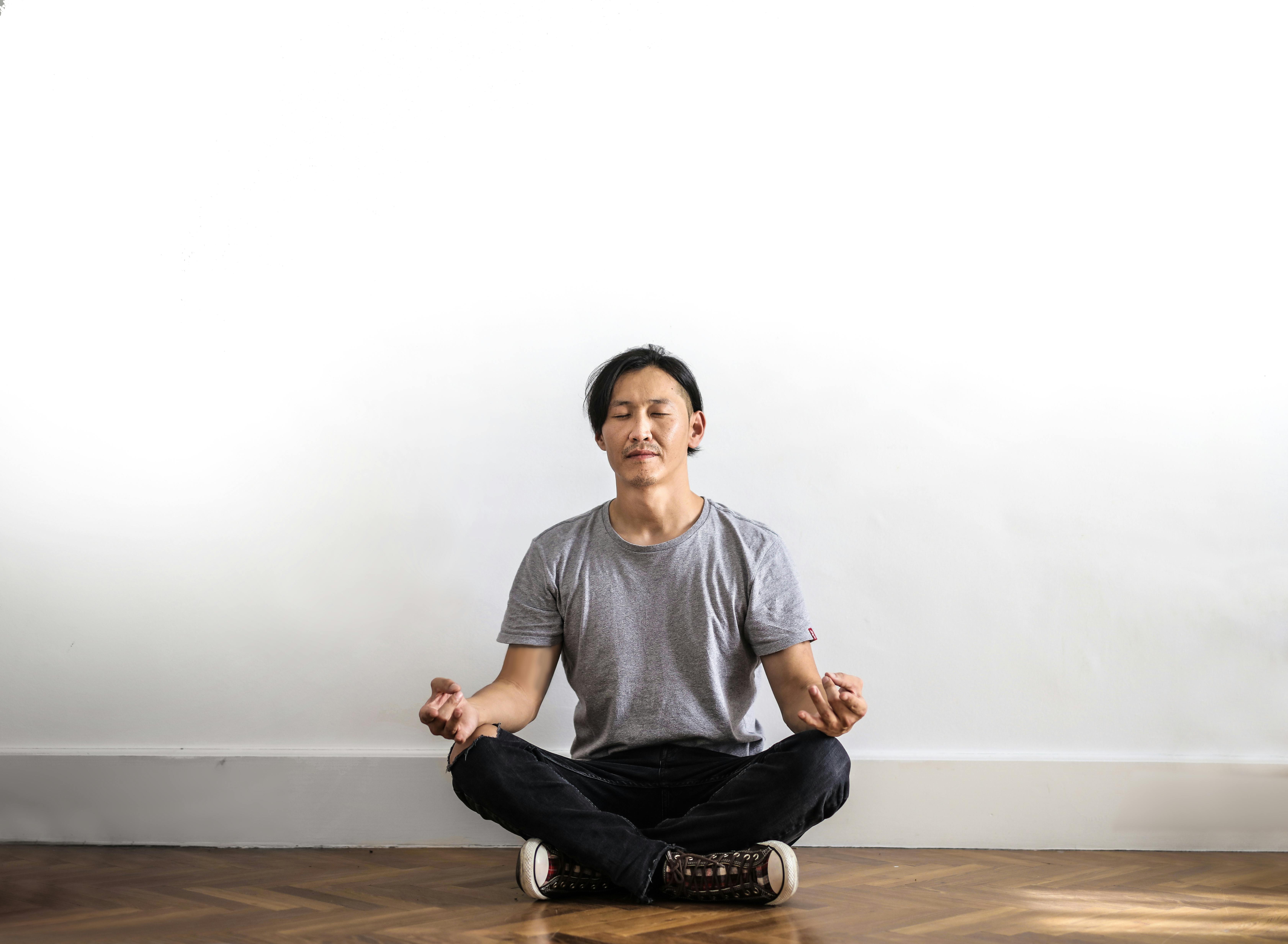
This image is property of images.pexels.com.
Movement-Based Relaxation Techniques for Emotional Release
Gentle movement helps anxiety because it gives physical stress somewhere to go. It also improves breathing, circulation, body awareness, and nervous system regulation.
Yoga for Anxiety Relief
Slow or restorative yoga styles can be especially calming. Poses such as child’s pose, forward fold, legs-up-the-wall, and supported bridge often help reduce physical agitation and mental tension.
Tai Chi and Qigong
These slow, deliberate movement practices combine posture, breath, and attention. They are helpful for people who prefer calm movement over seated meditation.
Mindful Walking
A short walk with attention on footsteps, breath, and surroundings can interrupt anxiety spirals and restore mental steadiness. This is often one of the easiest techniques to use during the day.
Sensory Relaxation Techniques That Calm the Nervous System
Sensory input can strongly influence emotional state. Calm sound, scent, and touch-based experiences can help reduce overstimulation and support relaxation.
Music and Sound
Soft instrumental music, nature sounds, white noise, or calming playlists can lower tension and reduce emotional noise. Many people find this especially helpful during evening routines.
Aromatherapy
Scents such as lavender, chamomile, and bergamot are commonly used for relaxation. A diffuser, pillow spray, or a small amount on a tissue may help create a calmer environment, provided there are no sensitivities.
Comfort-Based Sensory Supports
Warm tea, a soft blanket, dim lights, or a warm shower can all work as supportive cues that signal safety and rest.
Creating a Daily Relaxation Routine for Anxiety
These techniques work best when they are not only used in crisis. Regular practice builds familiarity, lowers baseline tension, and makes it easier to use the tools effectively when anxiety rises.
Simple Daily Structure
- Morning: 5 minutes of mindful breathing or stretching to start calmly.
- Midday: 2 to 5 minutes of box breathing or a mindful walk.
- Evening: 10 to 15 minutes of progressive muscle relaxation, guided imagery, or a body scan before bed.
Sample Weekly Anxiety Relaxation Plan
| Day | Morning | Midday | Evening |
|---|---|---|---|
| Monday | Mindful breathing | Box breathing | Body scan |
| Tuesday | Gentle stretching | Mindful walk | Guided imagery |
| Wednesday | Diaphragmatic breathing | Grounding practice | Progressive muscle relaxation |
| Thursday | Short meditation | Breath check-in | Restorative yoga |
| Friday | Mindful breathing | Journaling break | Guided imagery |
| Saturday | Tai chi or stretching | Walk outside | Body scan |
| Sunday | Yoga | Quiet pause | Progressive muscle relaxation |
Common Challenges When Learning Relaxation Skills
Difficulty Concentrating
This is normal. A wandering mind does not mean the practice is failing. Returning attention gently is part of the skill.
Feeling More Aware of Anxiety at First
Some people feel more aware of tension or racing thoughts when they first slow down. This can be uncomfortable but is common. Shorter sessions, guided audio, or grounding-based approaches may help.
Not Enough Time
Short practices still count. One minute of breathing or a brief grounding pause can be meaningful.
Precautions and When to Modify Techniques
Most mind relaxation techniques for anxiety are safe, but some should be adjusted depending on the person and situation. Breath-holding techniques may not be suitable for people with certain respiratory conditions. Body-focused meditation may need adaptation for trauma survivors if it increases distress. Some people with panic disorder do better with externally focused grounding at first rather than intense internal body awareness.
Comfort, safety, and flexibility matter more than rigid technique.
When to Seek Professional Help for Anxiety
Relaxation techniques can be very helpful, but they are not a substitute for professional care when anxiety is severe, persistent, or disruptive. It is important to seek support if anxiety is interfering with work, relationships, sleep, daily tasks, or overall functioning. Immediate professional help is necessary if there are suicidal thoughts, self-harm risk, severe panic, or increasing substance use as a coping strategy.
Therapy, medical care, and structured anxiety treatment can work very well alongside relaxation skills.
Frequently Asked Questions About Mind Relaxation Techniques for Anxiety
What are the best mind relaxation techniques for anxiety?
The best mind relaxation techniques for anxiety often include diaphragmatic breathing, box breathing, grounding exercises, progressive muscle relaxation, guided imagery, and mindfulness meditation. The most effective technique depends on the person, the situation, and whether the anxiety feels more physical, mental, or both at the same time.
How quickly can relaxation techniques help anxiety?
Some techniques can reduce anxiety within a few minutes, especially breathing exercises and grounding methods. However, the biggest improvements usually come with regular practice over time. Daily repetition helps lower baseline tension and makes the techniques easier to use when anxiety suddenly rises.
Can these techniques stop a panic attack?
They may help reduce the intensity of a panic attack, especially grounding, paced breathing, and sensory anchoring. They do not always stop panic immediately, but they can help the person feel safer, more present, and less overwhelmed. For frequent panic attacks, professional treatment is often important.
Are mind relaxation techniques enough on their own?
They can be very useful for mild or occasional anxiety, but they are not always enough on their own for more severe or persistent anxiety disorders. Many people benefit most when these techniques are combined with therapy, lifestyle support, and medical care when needed.
Which relaxation technique is best before sleep?
Before sleep, slower and gentler practices usually work best. Progressive muscle relaxation, guided imagery, body scan meditation, and 4-7-8 breathing are often effective because they help release physical tension and reduce mental rumination at the end of the day.
What if relaxation exercises make me feel worse at first?
This can happen, especially if slowing down increases awareness of physical sensations or anxious thoughts. In that case, shorter sessions, external grounding techniques, or guided practices may feel safer. If the distress continues, it is worth speaking with a mental health professional for more tailored support.
Final Thoughts on Mind Relaxation Techniques for Anxiety
Mind relaxation techniques for anxiety provide practical ways to feel steadier when life feels mentally and physically overwhelming. They help calm the nervous system, reduce tension, interrupt worry loops, and build greater emotional flexibility over time. The most important thing is not finding a perfect technique on day one. It is building a small set of methods you can actually use in real life.
Start with one or two simple practices, such as diaphragmatic breathing and grounding, then add others as you learn what works best for you. With consistency, these techniques can become a reliable part of your daily support system and help create calmer days and more restful nights.