
0 Reviews
Turn Your Bedtime Routine into a Restorative Ritual
Turn Your Bedtime Routine into a Restorative Ritual. A short, intentional routine before sleep can do more than signal the end of a day; it can become a restorative ritual that supports physical recovery, emotional balance, and clearer thinking. The central idea is simple: by adding intention and mindful attention to ordinary moments—breath, touch, scent, and quiet—people can amplify calm, improve sleep quality, and bolster overall wellbeing without long or complicated routines.
This article offers 32 expert-backed ways to weave simple wellness rituals into everyday life. Each suggestion can be adapted to how much time someone has and what feels nourishing. The emphasis is on bedtime and sleep as foundational to health, while also including a few morning practices that anchor the day and prime the nervous system for restful sleep at night.
Why a Bedtime Ritual Matters
A consistent bedtime ritual signals to the nervous system that the day is concluding, lowers physiological arousal, and creates psychological safety that supports deeper, more restorative sleep. Sleep underpins immune function, emotional regulation, memory consolidation, and metabolic health. Small, repeated actions—focused on breath, senses, and intention—add up over time.
Experts in sleep and behavioral science stress that predictability and gentle cues work better than strict regimens. A restorative ritual does not require a long list of tasks; it requires intention applied consistently.

How to Use This Guide
Each of the 32 suggestions below includes a short description, practical steps to implement, approximate time needed, and the core benefit. People can pick a handful that fit their schedule and preferences, then layer or rotate them. The guide also includes sample routines, troubleshooting tips, and quick adaptations for busy evenings.
32 Expert-Backed Ways to Turn Routine into Ritual
1. Anchor the Day with a “Magnetic Morning” Intention
They begin the day with a chosen feeling—calm, confident, curious—and a short affirmation that aligns actions to that intention. A simple statement repeated in the morning acts as an internal compass and reduces reactivity later in the day. Time: 1–3 minutes. Benefit: clearer priorities and emotional regulation.
2. Morning Breathwork: 5–5–5 (2–3 minutes)
A brief breathing practice (inhale 5 seconds, hold 5 seconds, exhale 5 seconds) balances sympathetic and parasympathetic systems. Two to three minutes each morning can decrease stress hormones and set a calmer tone. Time: 2–3 minutes. Benefit: nervous system balance and improved focus.
3. Morning Hydration with a Twist
Make hydration inviting by adding slices of cucumber, lime, or a sprig of mint to water. Flavor-enhanced water encourages consistent morning fluid intake, aiding digestion and alertness. Time: immediate. Benefit: improved hydration and a pleasant sensory cue to start the day.
4. Make the Bed to Create Order
A simple act of smoothing sheets and straightening pillows creates a small, early accomplishment and visual order that supports a calmer mind. Adding soft textures and aromatherapy (e.g., linen spray with lavender) reinforces the bed as a restorative space. Time: 1–3 minutes. Benefit: sense of control and improved bedroom environment.
5. Morning Scripting or Journaling
They write the day as if it has already gone well, describing outcomes and feelings. This practice aligns mindset with desired emotional states and primes motivation. Time: 3–10 minutes. Benefit: positive bias, reduced morning rumination.
6. Short Nature Walk (Even 5 Minutes)
A brief walk outdoors exposes them to natural light, aids circadian rhythm entrainment, and calms the nervous system. If a longer walk is impossible, a five-minute garden or street stroll can be sufficient. Time: 5–15 minutes. Benefit: mood boost, circadian support.
7. Light Scented Candles for Atmosphere
Lighting a lightly scented candle (soy or beeswax, low-scent) creates a spa-like, calming atmosphere at home. The flicker and scent can become a ritual cue that signals winding down. Time: 1 minute to light; burn safely. Benefit: sensory calm and ritual cue.
8. Digital Sunset: Gradual Screen Reduction
They set a nightly cut-off for bright screens or use blue light filters in the evening. Reducing screen exposure one hour before bed helps melatonin production and supports sleep onset. Time: 30–60 minutes. Benefit: improved sleep latency and melatonin rhythm.
9. Aromatherapy Pillow Spritz
A gentle spritz of lavender or chamomile on pillows signals the brain that sleep is approaching. Using the same scent consistently creates a reliable associative cue. Time: <1 minute. Benefit: conditioned relaxation.
10. Turn Skincare into a Slow, Sensory Ritual
Instead of rushing, they focus on textures, temperature, and scent while massaging serums and creams into skin. Slow, intentional movements increase interoception and release facial tension. Time: 3–10 minutes. Benefit: sensory calm and tactile self-care.
11. Progressive Muscle Release
A guided progressive muscle relaxation sequence tenses and releases muscle groups from head to toe. This can reduce bodily tension and promote sleep readiness. Time: 10–15 minutes. Benefit: reduced muscular tension and anxiety.
12. Gentle Bedtime Stretching or Yoga
A short sequence tailored to quiet the nervous system—hip openers, forward folds, and gentle twists—releases physical tension accumulated during the day. Time: 5–20 minutes. Benefit: improved parasympathetic activation and mobility.
13. Warm Bath with Epsom Salts or Soothing Oils
A warm bath raises core body temperature, and the subsequent cooldown promotes sleepiness. Adding Epsom salts or lavender oil enhances muscle relaxation. Time: 15–30 minutes. Benefit: deeper sleep onset and muscle relaxation.
14. Mindful Shower Ritual
They extend a shower by a few minutes and add dry brushing, gentle exfoliation, or a couple of drops of essential oil on a cloth. Focusing on the sensation of water and touch transforms a quick cleanse into a restorative pause. Time: +3–7 minutes. Benefit: increased presence and sensory grounding.
15. Create a Low-Light Wind-Down Zone
Dim household lights and switch to lamps or salt lamps to reduce stimulation. Lower lighting in the hour before bed helps the brain produce melatonin. Time: 30–60 minutes. Benefit: circadian alignment and calmer mood.
16. Bedtime Tea Ritual
A caffeine-free tea ritual—chamomile, lemon balm, or rooibos—consumed 30–60 minutes before bed combines warmth, taste, and a pause to transition toward sleep. Time: 10–20 minutes. Benefit: ritualized relaxation and hydration.
17. Gratitude Pause
They list three small things from the day they are grateful for. This brief cognitive shift reduces rumination and promotes positive affect before sleep. Time: 1–3 minutes. Benefit: improved emotional well-being and sleep.
18. Breath Counting for Sleep Onset
Counting breaths backward from ten to one, or counting exhalations, provides a simple attention anchor that quiets repetitive thoughts. Time: 2–10 minutes. Benefit: faster sleep onset and reduced mental chatter.
19. Soundscape or Low-Volume Music
A curated playlist with low-volume ambient sound, binaural beats for relaxation, or nature sounds can cocoon the person in calming audio. Volume should be low to avoid sleep disruption. Time: variable. Benefit: auditory calming and masking sudden noises.
20. Gentle Face and Head Massage
Using fingertips or a jade roller, they massage temples, jawline, and forehead to release tension and trigeminal nerve tightness. This tactile practice often reduces headaches and helps relax facial muscles. Time: 3–7 minutes. Benefit: reduced facial tension and increased relaxation.
21. Limit Heavy Meals and Alcohol Close to Bedtime
Avoiding heavy meals, spicy food, and alcohol within 2–3 hours of bed prevents gastrointestinal discomfort and sleep fragmentation. Planning light, balanced evening meals supports uninterrupted sleep. Time: planning. Benefit: improved sleep quality.
22. Bedtime Reading (Non-Stimulating)
Reading a calm, uplifting, or fiction chapter in low light can shift attention from screens to quiet imagination. Avoiding thrilling or deeply thought-provoking material is key. Time: 10–30 minutes. Benefit: reduced blue light exposure and mental winding down.
23. Set a Consistent Sleep Window
Going to bed and waking up within roughly the same hour each day stabilizes the circadian rhythm. Consistency matters more than perfection—regularity supports long-term sleep architecture. Time: scheduling. Benefit: stronger circadian rhythm and daytime energy.
24. Keep a “Worry Notebook” by the Bed
If intrusive thoughts surface at night, jotting them down in a designated notebook helps offload mental clutter and prevents late-night problem solving. They can add an action column for next-day tasks. Time: 1–3 minutes. Benefit: reduced bedtime rumination.
25. Use Weighted or Breathable Blankets Depending on Preference
A breathable weighted blanket can provide deep pressure touch that calms the nervous system. For those who sleep hot, choosing breathable materials with similar tactile comfort supports rest. Time: selection. Benefit: improved sleep comfort and reduced anxiety for some.
26. Limit Light and Noise with Practical Tools
Blackout curtains, eye masks, white-noise machines, or earplugs can create a reliable sleep environment. Small environmental controls minimize disruptions. Time: setup. Benefit: reduced night awakenings and improved sleep depth.
27. Aromatic Foot Soak
A 5–10 minute warm foot soak with a few drops of essential oil promotes local circulation and signals the body that it is time to slow down. This small ritual is easy and grounding. Time: 5–15 minutes. Benefit: relaxation and sensory pleasure.
28. Create a Pre-Sleep Checklist
A short checklist—lights off, phone quiet, window slightly open, teeth brushed—offers a predictable sequence that the brain learns as a cue for sleep. The checklist keeps practical tasks from intruding during the wind-down. Time: 1–2 minutes. Benefit: reduced bedtime cognitive load.
29. Breath-Forward Sleep Indexing
They combine a short breath practice with body awareness: count three slow breaths and note three sensations in the body. This technique brings attention away from stressors and toward somatic signals. Time: 2–5 minutes. Benefit: present-moment focus and calmer mind.
30. Gentle Interoceptive Scanning
Guided body scans that emphasize noticing warmth, contact, or tension without judgment deepen interoception and shift attention away from anxious thoughts. Time: 10–20 minutes. Benefit: reduced anxiety and improved sleep continuity.
31. Designate a “Bed-Only” Zone
Using the bed only for sleep and intimacy, not work or prolonged screen time, conditions the brain to associate the bed with restorative rest. This behavioral boundary strengthens sleep cues. Time: habit formation. Benefit: stronger sleep associations.
32. Weekly Reset: Light Cleaning and Linen Care
Fresh sheets, decluttered surfaces, and a quick tidy once a week make the bedroom more inviting and hygienic. Small acts of care reinforce the idea that the sleeping space is special. Time: 20–45 minutes weekly. Benefit: improved sleep environment and psychological comfort.

This image is property of images.pexels.com.
What small shifts could transform an ordinary bedtime into a nightly act of renewal?
Turn Your Bedtime Routine into a Restorative Ritual
Quick Reference Table: Rituals, Time, and Primary Benefit
| # | Ritual | Approx. Time | Best Time of Day | Primary Benefit |
|---|---|---|---|---|
| 1 | Magnetic Morning intention | 1–3 min | Morning | Emotional alignment |
| 2 | 5–5–5 breathwork | 2–3 min | Morning | Nervous system balance |
| 3 | Jazzed hydration | Immediate | Morning | Hydration & habit-building |
| 4 | Make the bed | 1–3 min | Morning | Order & accomplishment |
| 5 | Morning scripting | 3–10 min | Morning | Mindset |
| 6 | Short nature walk | 5–15 min | Morning | Circadian & mood |
| 7 | Light scented candles | 1 min | Evening | Atmosphere |
| 8 | Digital sunset | 30–60 min | Evening | Melatonin support |
| 9 | Pillow spritz | <1 min | Evening | Scent cue for sleep |
| 10 | Sensory skincare | 3–10 min | Evening | Calm & touch |
| 11 | Progressive muscle release | 10–15 min | Evening | Tension reduction |
| 12 | Gentle bedtime yoga | 5–20 min | Evening | Mobility & calm |
| 13 | Warm bath | 15–30 min | Evening | Relaxation |
| 14 | Mindful shower | +3–7 min | Evening | Presence |
| 15 | Low-light zone | 30–60 min | Evening | Circadian cue |
| 16 | Bedtime tea | 10–20 min | Evening | Ritual pause |
| 17 | Gratitude pause | 1–3 min | Evening | Positive affect |
| 18 | Breath counting | 2–10 min | Bedtime | Sleep onset |
| 19 | Soundscape/music | Variable | Bedtime | Auditory calm |
| 20 | Face/head massage | 3–7 min | Evening | Release tension |
| 21 | Avoid heavy meals/alcohol | Planning | Evening | Sleep quality |
| 22 | Bedtime reading | 10–30 min | Evening | Mental wind-down |
| 23 | Consistent sleep window | Scheduling | Night | Circadian health |
| 24 | Worry notebook | 1–3 min | Evening | Offloading thoughts |
| 25 | Weighted/breathable blanket | Selection | Night | Comfort & calm |
| 26 | Blackout/noise tools | Setup | Night | Reduced disruptions |
| 27 | Aromatic foot soak | 5–15 min | Evening | Grounding |
| 28 | Pre-sleep checklist | 1–2 min | Evening | Routine cue |
| 29 | Breath-forward indexing | 2–5 min | Bedtime | Present-moment |
| 30 | Interoceptive body scan | 10–20 min | Bedtime | Anxiety reduction |
| 31 | Bed-only rule | Habit | Night | Strong sleep cue |
| 32 | Weekly linen reset | 20–45 min weekly | Weekly | Environment care |
Creating a Restorative Bedtime Flow
People are more likely to stick with rituals that feel doable. A flow of 3–5 complementary practices creates a multi-sensory transition without requiring a long time investment. For example:
- 30–60 minutes before bed: dim lights, put on an ambient playlist, and sip bedtime tea.
- 15–30 minutes before bed: take a warm shower or bath, do sensory skincare, and light a candle.
- 5–10 minutes before bed: perform a short breath exercise, write down any worries, and set an intention for restful sleep.
The key is repetition. Even short elements like a two-minute breath practice or a pillow spritz become powerful cues when used consistently.
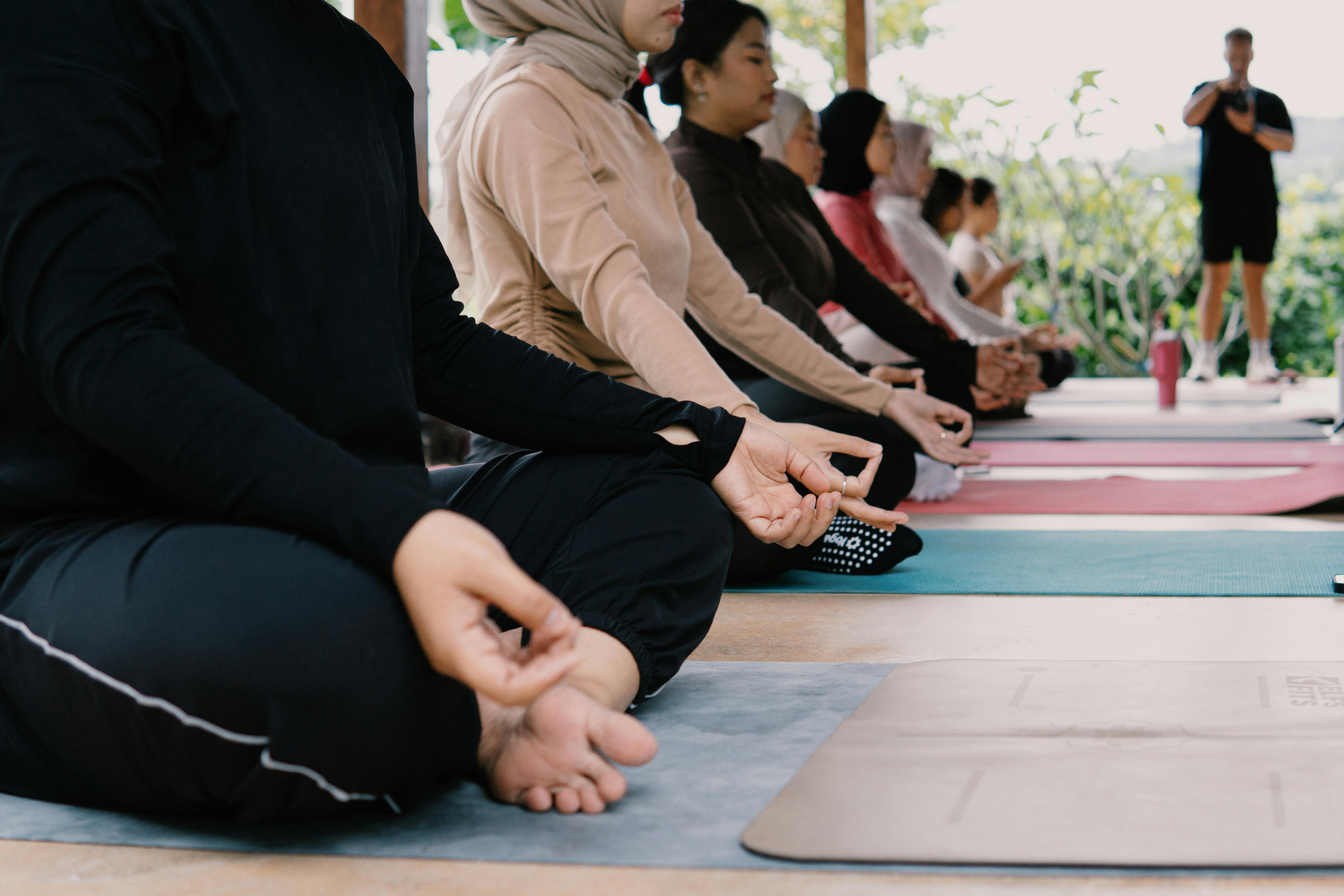
This image is property of images.pexels.com.
Sample Routines for Different Schedules
Below are three practical sample routines—fast, moderate, and slow—that combine complementary suggestions.
10-Minute “Quick Reset” Routine (Busy Evenings)
- 10 minutes before bed: set phone to Do Not Disturb and dim lights.
- 5 minutes: warm foot soak or quick shower with mindful breathing.
- 2 minutes: sensory skincare and pillow spritz.
- 1 minute: three deep 5–5–5 breaths.This routine gives a compact sequence that primes sleep with minimal time.
25-Minute “Gentle Wind-Down”
- 30–60 minutes before bed: low-light zone and light bedtime tea.
- 15 minutes: warm shower with dry brushing and face massage.
- 5–10 minutes: progressive muscle relaxation or body scan.The extra minutes allow for deeper relaxation and a more thorough sensory ritual.
45-Minute “Full Restorative Ritual”
- 60 minutes: digital sunset, dim lights, and light a candle.
- 30 minutes: warm bath with Epsom salts, followed by sensory skincare.
- 15 minutes: gentle stretching, breath-forward sleep indexing, and gratitude pause.This extended routine supports profound downshifting for those who prefer longer rituals.
Practical Tips for Building Consistency
- Start small: choose one morning and one evening ritual to practice daily for two weeks.
- Cue the cue: pair the ritual with a stable anchor (e.g., finishing dinner, brushing teeth) so the brain can form a reliable chain of association.
- Track progress: a simple checkmark calendar increases adherence and signals progress.
- Customize: adapt scents, music, and movement to what they find truly calming rather than following trends.
Troubleshooting Common Obstacles
- “I’m too tired to start a routine.” Recommend micro-rituals—two minutes of breathwork or a single deep stretch. Small actions can change state.
- “Lighting candles feels unsafe.” Suggest using a diffuser with essential oils or electric candles for the same sensory cue without fire risk.
- “Work follows them into the bedroom.” Encourage strict bed-only rules and a worry notebook to offload work-related thoughts before bed.
- “They wake up in the night.” Recommend blackout curtains, white-noise, and avoiding alcohol or heavy meals close to bedtime.
Evidence and Why These Practices Help
- Circadian science: exposure to bright morning light and reduced evening blue light help regulate melatonin and sleep timing.
- Autonomic balance: breathwork, progressive muscle relaxation, and deep pressure (weighted blankets) activate parasympathetic responses.
- Conditioning: consistent sensory cues (lighting, scent, music) create learned associations that prompt sleepiness over time.
- Cognitive shift: gratitude journaling and morning scripting change default thought patterns by biasing toward positivity and mastery.
While individual responses vary, the strategies above reflect principles used by sleep specialists, behavioral therapists, and wellness practitioners.
- Identify preferred sensory modalities: if someone responds strongly to scent, prioritize consistent pillow sprays or diffusers. If touch calms them, focus on massage or weighted blankets.
- Time availability: if evenings are brief, shift more ritual elements to mornings (breathwork, nature walk, making the bed) to accumulate calming effects.
- Sleep challenges: for chronic sleep disorders, combine behavioral rituals with consultation with a sleep clinician and consider cognitive behavioral therapy for insomnia (CBT-I).
Sustainable Ritual Habits
Sustainability depends on pleasure and practicality. Rituals that feel like chores will fade. The goal is to create practices that are simple, sensorial, and meaningful. Over time, the repeated pairing of small actions with relaxation reshapes neural pathways and restores the bed as a sanctuary.
Frequently Asked Questions
Q: How long before bed should someone stop screens?
A: Aim for 30–60 minutes, but start with what feels manageable. Even a shorter digital sunset helps.
Q: Can scents really help with sleep?
A: Yes; consistent use of calming scents like lavender can create conditioned responses that support relaxation.
Q: What if a person doesn’t feel sleepy even after a ritual?
A: They should avoid forcing sleep. Get out of bed, engage in a quiet, non-stimulating activity (light reading, breath practice) until sleepy, then return.
Q: Are weighted blankets safe?
A: For most adults, yes. People with breathing problems, circulatory issues, or certain medical conditions should consult a clinician before use.
Q: Should rituals be the same every night?
A: Consistency helps, but flexibility is allowed. Rotating complementary practices can maintain novelty and prevent boredom.
Final Thoughts
Small, repeatable acts—focused on breath, senses, and intention—can transform ordinary bedtime tasks into meaningful, restorative rituals. Whether a person has two minutes or an hour, adopting intentional cues and predictable sequences empowers the nervous system to relax, supports better sleep, and strengthens daily wellbeing. The most effective ritual is the one that fits their life, feels pleasurable, and is practiced consistently.
Encouraging gentle curiosity, they can try one new ritual each week and notice which combinations produce the deepest sense of rest. Over time, ordinary evenings become intentional, nightly rites that protect sleep and restore energy.
Keep visiting us for more helpful tips at: https://keepfitplus.com/