0 Reviews
Gentle Exercise Routine for Easy Fitness
Gentle Exercise Routine for Easy Fitness. This article outlines a friendly, practical approach to gentle exercise that supports steady improvement without stress. It offers clear guidance on building a sustainable routine that fits everyday life while protecting joints and energy.
Why Gentle Exercise Works
Gentle exercise emphasizes low-impact movements, manageable intensity, and regular practice, which together reduce injury risk and increase adherence. Many people find that consistency with gentle activity produces better long-term results than sporadic high-intensity sessions.
Physiological Benefits
Gentle exercise improves cardiovascular health, muscle endurance, joint mobility, and balance through gradual adaptation. It also supports metabolic health, helps regulate blood sugar, and can reduce inflammation when performed regularly.
Psychological Benefits
A gentle approach tends to reduce exercise-related anxiety, enhance mood, and increase confidence by setting achievable goals. This method fosters a positive relationship with movement, encouraging long-term adherence and helping to sustain motivation.
Who Should Choose Gentle Exercise
Gentle exercise is appropriate for beginners, older adults, people returning from injury, and anyone preferring low-impact activity. It is also a sensible option for those with chronic conditions or busy schedules that make intense workouts impractical.
People with arthritis, joint replacements, cardiovascular concerns, or balance issues will often benefit from carefully designed gentle programs. Pregnant individuals and those undergoing rehabilitation can also adapt gentle routines under professional guidance.
Safety and Contraindications
A gentle routine lowers risk, but safe execution still requires attention to form, progression, and individual limits. If pain (sharp or worsening) or major symptoms occur, activity should stop and medical advice sought.
Could a gentle exercise routine provide the easiest path to consistent, sustainable fitness?
When to Consult a Professional
A person should consult a physician before starting if they have unstable heart disease, uncontrolled hypertension, recent surgery, or other serious health issues. A physical therapist or certified trainer can provide personalized modifications and ensure safe technique for those with limited mobility or injury history.
Core Principles of a Gentle Routine
A sustainable gentle routine balances frequency, intensity, and recovery with focus on mobility, strength, and cardiovascular health. Simplicity and consistency are central: short sessions done often beat long sessions done rarely.
Consistency Over Intensity
Frequent short sessions build habit and fitness gradually, minimizing burnout and injury. A typical structure might be 20–40 minutes most days of the week, with variety to maintain interest.
Gradual Progression
Small increases in duration, repetitions, or resistance every 1–2 weeks allow adaptation without overload. Progression might mean holding a posture longer, adding a few more steps, or increasing a resistance band level.
Intensity and Perceived Exertion
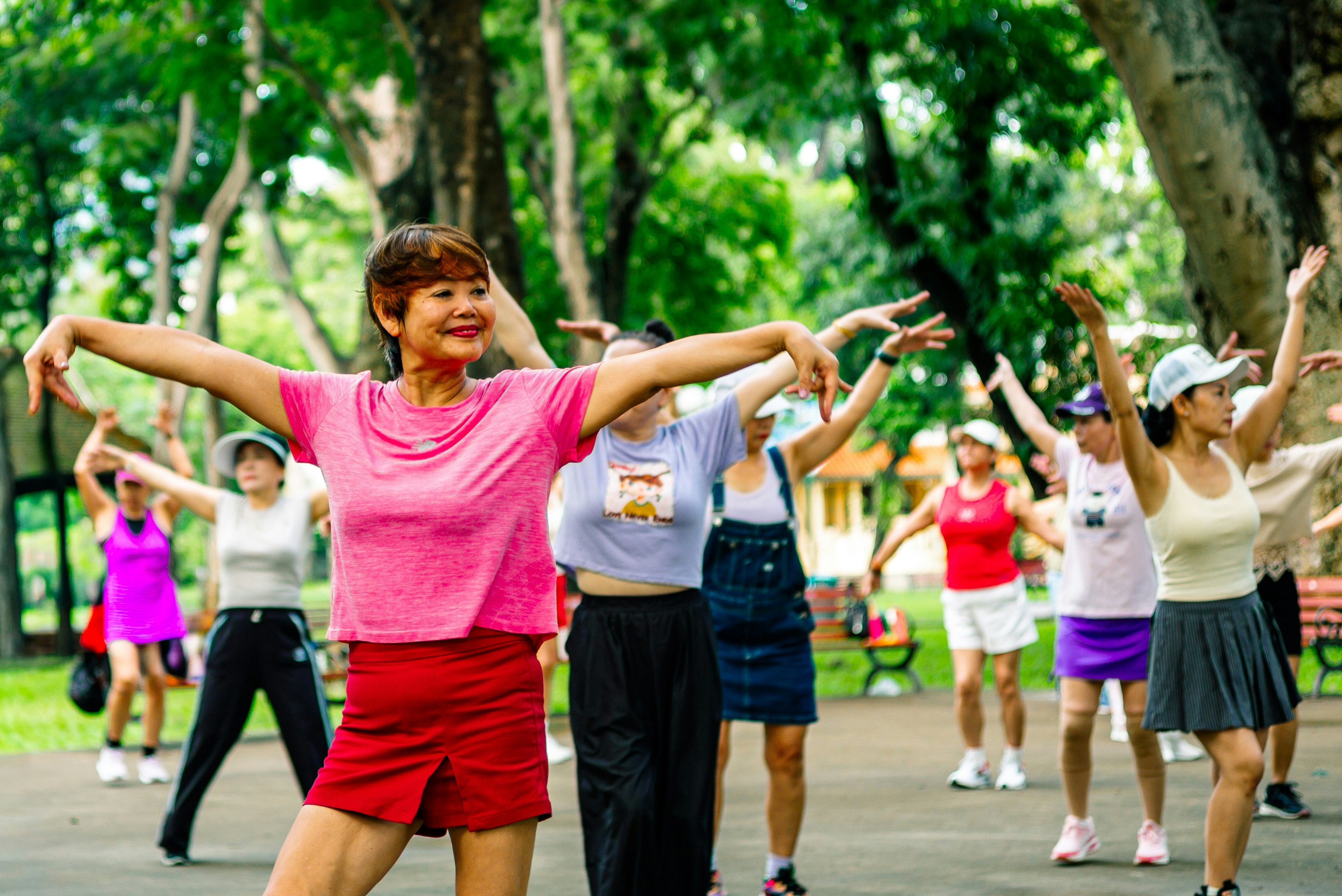
Perceived exertion (how hard the activity feels) is a useful guide, especially when heart rate monitoring is impractical. On a 1–10 scale, gentle exercise often sits around 3–5 for aerobic work and 4–6 for strength-focused sets that still feel manageable.
This image is property of images.unsplash.com.
Warm-up and Mobility
A deliberate warm-up prepares muscles and joints and reduces injury risk. Even gentle sessions should begin with 5–10 minutes of low-intensity movement and mobility drills.
Dynamic Warm-up Examples
A dynamic warm-up increases blood flow and loosens key joints through controlled movements.
Exercise | Purpose | Duration/Reps |
|---|---|---|
Marching in place | Raises heart rate gently | 1–2 minutes |
Arm circles (small to large) | Shoulder mobility | 10–15 per direction |
Hip circles | Hips and lower back mobility | 8–10 per side |
Leg swings (front-back, side-to-side) | Hip flexors and abductors | 10–12 per leg |
Cat-cow (slow) | Spinal mobility | 8–12 repetitions |
Mobility Drills
Mobility drills focus on maintaining range of motion in hips, shoulders, ankles, and spine. Gentle yoga flows or simple joint circles can be included to preserve flexibility and ease stiffness.
The Gentle Exercise Routine — Overview
The gentle routine combines cardiovascular work, functional strength, balance practice, and stretching in manageable segments. Sessions can be modular: a short cardio warm-up, a strength block, a balance section, and a cooling stretch.
Session Length and Frequency
Most people will do 20–40 minutes per session, 4–6 days per week, depending on goals and recovery. Shorter daily sessions are effective for habit formation and maintain physical benefits without excessive fatigue.
Sample Exercise List: Basic Movements
A selection of safe, effective exercises suitable for beginners and intermediates provides building blocks for the routine. Each movement includes a brief cue and suggested repetitions.
Movement | Primary Focus | Cue | Suggested Sets/Reps |
|---|---|---|---|
Seated or standing march | Low-impact cardio | Lift knees comfortably, swing arms | 1–3 min or 2 sets of 60 sec |
Wall push-up | Upper body strength | Keep body straight, elbow angle 45–60° | 2–3 sets of 8–15 |
Chair squat / sit-to-stand | Lower body strength | Chest up, knees over toes | 2–3 sets of 8–15 |
Glute bridge | Hip strength, core | Press hips upward, squeeze glutes | 2–3 sets of 10–15 |
Standing calf raise | Ankle strength and balance | Rise onto toes slowly, lower with control | 2–3 sets of 10–20 |
Bird-dog (quadruped) | Core stability | Extend opposite arm and leg, keep hips square | 2–3 sets of 8–12 per side |
Side leg raises | Hip abductor strength | Keep torso upright, lift from hip | 2 sets of 10–15 per side |
Seated row with band | Upper back strength | Pull band toward ribs, squeeze shoulder blades | 2–3 sets of 10–15 |
Heel-to-toe walk | Balance | Walk placing heel directly in front of toe | 2–3 passes of 10–15 steps |
Gentle standing twist | Spinal mobility | Rotate from torso, keep pelvis steady | 8–12 reps each side |
Detailed Routine: Example Daily Sessions
Providing concrete daily templates helps a person adopt a routine without overthinking. Each session below stays gentle but targets different fitness aspects.
Day A — Strength and Mobility (30–35 minutes)
Day A focuses on functional strength and mobility with simple progressions and rest between sets.
Warm-up: 5–7 minutes marching, arm circles, leg swings.
Strength circuit (repeat 2–3 times): Chair squats 10–12, wall push-ups 8–12, glute bridges 12–15, seated row with band 12–15. Rest 60–90 seconds between rounds.
Mobility and balance: Bird-dog 8–10 per side, standing calf raises 12–15, heel-to-toe walk 10 steps each way.
Cool-down: Gentle stretches for quads, hamstrings, chest, and shoulders for 5 minutes.
Day B — Low-Impact Cardio and Core (25–35 minutes)
Day B emphasizes gentle cardio and core stability for heart health and posture.
Warm-up: 5 minutes of marching and hip circles.
Cardio: 15–20 minutes of brisk walking, stationary bike, or low-impact step (maintain a conversational pace).
Core circuit (2 rounds): Bird-dog 10 per side, side plank from knees 20–30 seconds per side, glute bridge 12–15.
Cool-down: 5 minutes of stretching focusing on lower back and hips.
Day C — Balance, Flexibility, and Recovery (20–30 minutes)
Day C promotes recovery with focused balance work and flexibility to enhance function and reduce soreness.
Warm-up: Gentle walking or marching 3–5 minutes.
Balance sequence: Single-leg stand near a chair 20–40 seconds per leg, heel-to-toe walk 10–15 steps, single-leg mini-squats 6–8 per leg.
Flexibility: A short yoga flow or static stretches for 10 minutes focusing on hamstrings, calves, hips, chest, and shoulders.
Breath work: 3–5 minutes of diaphragmatic breathing to reduce stress.
Weekly Plan Examples
A simple weekly layout supports structure while allowing flexibility for recovery and life demands. Below is a balanced template.
Day | Focus |
|---|---|
Monday | Day A — Strength and Mobility |
Tuesday | Day B — Cardio and Core |
Wednesday | Day C — Balance and Flexibility |
Thursday | Day A — Strength and Mobility (lighter) |
Friday | Day B — Cardio and Core |
Saturday | Active recovery: easy walk or recreational movement |
Sunday | Rest or gentle stretching session |
This image is property of images.unsplash.com.
Modifications and Progressions
The gentle routine should be adaptable to fitness level and health status with clear modifications and progressions. Small changes can increase challenge safely over weeks.
Making Exercises Easier
A person can use support (chair, wall), reduce range of motion, lower repetitions, or shorten session length. For example, wall push-ups replace floor push-ups; chair-assisted squats reduce load on knees.
Making Exercises Harder
Progressions include increasing repetitions or sets, slowing eccentric motion, adding light resistance bands or dumbbells, and reducing rest times. A thoughtful increase every 7–14 days prevents overload.
Low-Impact Cardio Options
Several cardiovascular activities provide gentle conditioning while minimizing joint stress. These can be alternated to maintain interest.
Cardio Choices
Brisk walking: Accessible and adjustable by pace and terrain.
Cycling (recumbent or upright): Joint-friendly and heart-rate responsive.
Swimming or water aerobics: Buoyancy reduces load on joints.
Elliptical trainer: Smooth motion with low impact.
Chair cardio routines: Seated marching or arm movements for limited mobility.
Breathing and Posture Tips
Proper breathing and posture enhance effectiveness and safety in gentle exercise sessions. Attention to alignment improves movement economy and reduces compensatory strain.
Breathing Techniques
They should inhale through the nose and exhale through the mouth during exertion, using diaphragmatic breathing to support core stability. Breath pacing (inhale during relaxation, exhale during effort) often helps maintain rhythm and reduce Valsalva-related spikes in blood pressure.
Posture Cues
Maintaining neutral spine, relaxed shoulders, and engaged core during movement protects the back and distributes load evenly. Small cues such as “soft knees” and “lift through the crown of the head” help preserve alignment.
A few inexpensive items can make the gentle routine more effective and comfortable at home. The emphasis remains on bodyweight and simple resistance rather than heavy machinery.
Helpful Equipment
Stable chair for support and sit-to-stand work.
Resistance bands (light to medium) for rows, presses, and leg work.
A pair of light dumbbells (1–5 kg or 2–10 lb) for added resistance.
Non-slip mat for floor exercises and stretching.
Comfortable shoes for walking and standing work.
Recovery and Rest
Recovery is essential, even for gentle routines, to allow tissues to adapt and to prevent overuse. Sleep, nutrition, and active recovery all play roles.
Strategies for Recovery
They should include at least one full rest day per week, good sleep hygiene, foam rolling or light self-massage as needed, and gentle stretching to reduce stiffness. Hydration and balanced meals support tissue repair and energy levels.

This image is property of images.unsplash.com.
Nutrition Basics to Support Gentle Training
A nourishing, balanced diet supports energy, recovery, and overall health. While gentle exercise alone helps metabolic health, nutrition amplifies benefits.
Key Nutrients
Protein: Adequate intake supports muscle repair (older adults benefit from slightly higher protein per meal).
Carbohydrates: Provide fuel for sustained activity; emphasize whole grains, fruits, and vegetables.
Healthy fats: For energy and cellular health, include sources like nuts, olive oil, and fish.
Micronutrients: Calcium, vitamin D, magnesium, and potassium support bone and muscle function.
Tracking Progress
Simple tracking methods help maintain motivation and show measurable improvements over time. Progress can be measured by consistency, functional capacity, and subjective well-being.
Practical Metrics
They can log minutes of activity, number of sessions per week, repetitions achieved, walking distance, or improvements in balance time. Periodic tests such as timed walks, chair-stand tests, or single-leg balance hold provide objective progress markers.
Common Mistakes and How to Avoid Them
Even gentle exercisers can make choices that hinder progress or cause discomfort. Awareness and small corrections prevent those issues.
Typical Errors
Doing too much too soon: Gradual increases prevent soreness and injury.
Poor technique: Seek guidance or mirror work to maintain proper form.
Skipping warm-ups or cool-downs: These components reduce risk and soreness.
Ignoring pain: Distinguish between muscle fatigue and sharp joint pain; stop and seek advice if pain persists.
Frequently Asked Questions
Providing concise answers to common questions clarifies practical concerns for people starting a gentle exercise routine.
How soon will results appear?
Improvements in mood and energy can appear within days, while gains in strength and endurance usually emerge over 4–8 weeks with consistent practice. Visible changes may take longer depending on starting point and nutrition.
Is gentle exercise effective for weight loss?
Gentle activity aids calorie expenditure and builds consistency; when paired with mindful nutrition, it contributes to gradual weight loss and fat reduction. Strength and cardio combined improve metabolic rate over time.
Can gentle exercise help chronic pain?
Many people with chronic pain benefit from carefully prescribed gentle movement that increases strength and mobility without aggravation. Professional guidance ensures safe progress for specific conditions.
Sample 12-Week Progression Plan
A clear progression model helps a person move from basic to more challenging routines methodically over three months. The focus remains on volume and small intensity increases.
Weeks | Focus | Weekly Structure |
|---|---|---|
1–2 | Habit formation | 4–5 sessions; 20–25 min; emphasis on mobility and basic strength |
3–4 | Build endurance | 4–5 sessions; 25–30 min; increase walking/cardio by 5–10 min |
5–6 | Increase strength | 4–5 sessions; 30 min; add resistance bands or light weights |
7–8 | Improve balance | 4–6 sessions; 30–35 min; include more single-leg work and core holds |
9–10 | Consolidate gains | 4–6 sessions; 35 min; longer circuits, slightly higher reps |
11–12 | Maintain and refine | 4–6 sessions; 35–40 min; personalize intensity and preferences |
Examples of Gentle Routines for Specific Goals
Different goals require slightly different emphases while staying within a gentle framework. Below are tailored approaches.
For Improved Mobility and Pain Relief
Prioritize mobility drills, slow strength exercises that target postural muscles, and daily short walks. Sessions might remain 20–30 minutes with a high proportion of flexibility and joint-friendly strength.
Increase low-impact cardio sessions to 20–30 minutes each, 4–5 times weekly, and include interval walking (brisk 1–2 minutes followed by easy pace). Strength sessions remain twice weekly to support posture and joint health.
For Strength and Functional Independence
Focus two sessions per week on progressive resistance (bands, bodyweight, light dumbbells) and include functional tasks such as step-ups, sit-to-stand, and carrying light loads. Balance and core work should complement strength training.
Troubleshooting Plateaus and Setbacks
Plateaus and temporary setbacks are normal; they require small adjustments rather than abandonment. Patience and persistence combined with measured changes restore progress.
Strategies for Plateaus
Rotate exercises to avoid monotony, slightly increase volume or resistance, and reassess nutrition and sleep. If progress stalls for many weeks, a short deload (reduced volume) followed by gradual progression often helps.
Handling Illness or Injury
During illness or minor injury, lower intensity and focus on mobility and rest; return to the previous level only when symptoms resolve. For significant injuries, follow professional rehabilitation guidance before resuming regular routines.
Psychological Strategies to Stay Motivated
Motivation is sustained by meaningful goals, social support, and visible progress. Gentle routines should be enjoyable and integrated into daily life for the best chance of long-term adherence.
Practical Tips
Set small, measurable goals (e.g., march for 10 minutes daily for two weeks), track sessions, and pair movement with pleasurable activities like listening to podcasts or music. Joining a class or finding a walking partner increases accountability.
When to Progress to More Intense Training
Gentle exercise is a foundation. When a person consistently completes sessions and can perform prescribed progressions without undue fatigue or pain, they might consider more intense or longer workouts. The transition should be gradual and guided by goals and physical readiness.
Final Thoughts on Gentle Exercise Routine for Easy Fitness
A gentle exercise routine is a practical, effective pathway to sustainable fitness for many people. It prioritizes regular movement, safety, and gradual progression while delivering meaningful physical and mental health benefits.
They can begin with small, manageable sessions and build confidence and capacity over weeks and months. With consistent practice, mindful progression, and attention to recovery, a gentle routine helps make fitness accessible, enjoyable, and long-lasting.