0 Reviews
Everyday Exercises for Healthy Living
Everyday Exercises for Healthy Living. I treat exercise as a daily habit rather than an occasional chore, and that mindset has changed how I feel physically and mentally. I focus on accessible exercise exercises for healthy living that I can maintain long term, which keeps me energized and resilient.
What I Mean by “Everyday Exercise”
By “everyday exercise” I mean practical, scalable movement that I can do most days without needing a gym or a lot of time. These activities range from brief mobility sequences to short strength sets and short bursts of cardio that fit into my routine.
How I Define Success with Everyday Activity
Success for me is consistency and gradual improvement rather than perfection. I measure it by how often I move, how my body feels, and whether I can gradually increase intensity or duration without pain.
Have I ever told you how small, consistent movements can transform my health and energy every day?

This image is property of images.pexels.com.
Benefits I Experience from Daily Movement
I notice immediate and cumulative benefits when I maintain everyday exercises. These include better sleep, improved mood, reduced aches, and a greater capacity to handle stress.
Physical Benefits
Regular movement improves my cardiovascular health, builds and maintains muscle, and preserves joint mobility. Over time, I also notice better posture and less stiffness, which affects how I perform daily tasks.
Mental and Emotional Benefits
I find that movement clears my mind, reduces anxiety, and improves my focus. Even a short walk or a few minutes of breathing work helps me reset and approach the rest of the day more calmly.
Long-term Health Benefits
Consistent daily exercise reduces my risk for chronic conditions like type 2 diabetes, heart disease, and osteoporosis. I view everyday exercise as preventive medicine that compounds its advantages over years.
Principles I Follow for Sustainable Exercise
I rely on a few core principles to keep exercise manageable and effective: consistency, progressive overload, variety, and rest.
Consistency Over Intensity
I choose routine, achievable sessions instead of sporadic, intense workouts that leave me burned out. It’s better to move briefly and often than only rarely at high intensity.
Progression and Variety
I gradually increase difficulty—adding repetitions, time, or resistance—so I stay challenged without risking injury. I also rotate exercises to engage different muscle groups and to keep things interesting.
I include warm-ups and cool-downs, prioritize sleep, and allow recovery when I feel overly fatigued or sore. I listen to pain signals and scale back to prevent setbacks.
Types of Everyday Exercises I Use
I structure my personal exercise toolbox around five categories: mobility, strength, cardiovascular, balance, and breathing/mindfulness. Each category addresses a specific aspect of health and function.
Mobility and Stretching
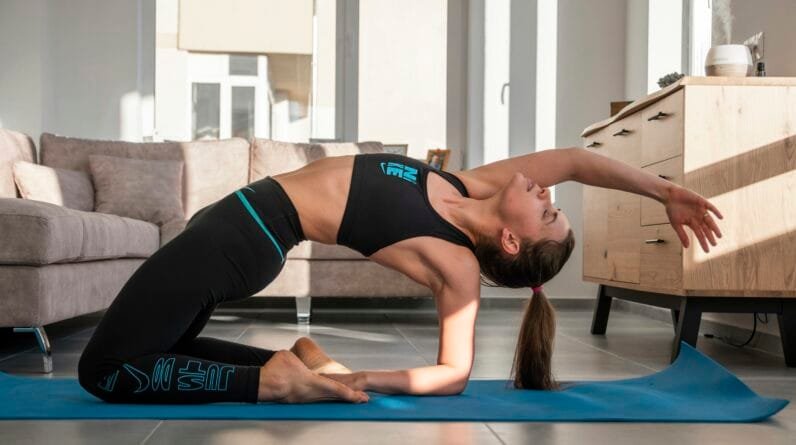
Mobility work restores range of motion and reduces stiffness. I do gentle joint circles, dynamic stretches, and targeted mobility drills to prepare my body for movement and to unwind after sitting.
Sample mobility moves I use daily:
- Neck and shoulder rolls
- Hip circles and leg swings
- Cat-cow and thoracic rotations
- Ankle circles and calf stretches
I prioritize functional strength with bodyweight exercises and occasional resistance bands or dumbbells. Building strength helps me perform daily activities and protects my joints.
Common strength exercises I include:
- Squats or sit-to-stand
- Push-ups (knees or full)
- Glute bridges
- Planks and side planks
- Rows with a band or dumbbells
Cardiovascular Movement
I favor walking, stair climbing, cycling, and short interval sessions that increase heart rate without needing much time. Even 10–20 minutes can be meaningful when done consistently.
Cardio examples I use:
- Brisk 20-minute walks
- 10-minute stair intervals (up and down steady pace)
- 15-minute bike rides
- Short 30–60 second high-effort bursts (HIIT) mixed with recovery
Balance and Coordination
Balance work reduces fall risk and improves overall movement efficiency. I include single-leg stands, heel-to-toe walking, and coordination drills to sharpen proprioception.
Exercises I practice:
- Single-leg stands (eyes open, then closed)
- Heel-to-toe walking for 10–15 steps
- Step-ups onto a low platform
- Slow, controlled lunges focusing on alignment
I add breathing exercises and short mindfulness or body-scan practices to lower stress and improve recovery. Breath control supports better movement and helps regulate my nervous system.
Breathing practices I use:
- Box breathing (4-4-4-4)
- Diaphragmatic breathing for 5 minutes
- Mindful walking, focusing on breath and sensations
A Practical Exercise Table I Use Often
I keep an easy reference table for quick planning. It helps me pick the right exercise for my time, equipment, and energy level.
| Exercise | Category | Typical Duration/Reps | Main Benefit | Beginner Modification |
|---|---|---|---|---|
| Brisk Walk | Cardio | 10–30 min | Heart health, mood | Reduce pace, shorter time |
| Bodyweight Squat | Strength | 2–3 sets of 8–15 | Lower-body strength | Sit-to-stand from chair |
| Plank | Strength/Core | 20–60 sec | Core stability | Kneeling plank, reduce time |
| Glute Bridge | Strength | 2–3 sets of 10–20 | Hip strength | Single-leg progression later |
| Hip Circles | Mobility | 30–60 sec | Hip mobility | Gentle range of motion |
| Single-leg Stand | Balance | 20–60 sec each leg | Proprioception | Hold onto support |
| Diaphragmatic Breath | Mindfulness | 3–5 min | Stress reduction | Slow nasal breathing |
| Stair Intervals | Cardio | 5–15 min | Cardio & legs | Walk slowly up and down |
Sample Daily Routines I Follow
I rotate micro-routines that fit into 5, 10, 20, or 30–45 minute time blocks so I always have a plan that matches my schedule. This keeps me consistent.
5–10 Minute Quick Routine
When I’m pressed for time, I do a short mobility and activation sequence to prime my body. It helps me avoid stiffness and keeps my circulation going.
Example:
- 1 min diaphragmatic breathing
- 1 min neck/shoulder rolls
- 1 min hip circles and leg swings
- 1 min bodyweight squats x 12
- 1 min plank or kneeling plank
20–30 Minute Efficient Routine
This is my go-to for most days—balanced and efficient to cover strength, cardio, and mobility. I can complete it before work or during a midday break.
Example:
- 5 min dynamic warm-up (marching, arm swings, leg swings)
- 10 min strength circuit (2 rounds: 10 squats, 8–12 push-ups, 12 glute bridges, 30 sec plank)
- 5–10 min brisk walk or stair climbing
- 2–3 min cool-down stretches
45–60 Minute Comprehensive Routine
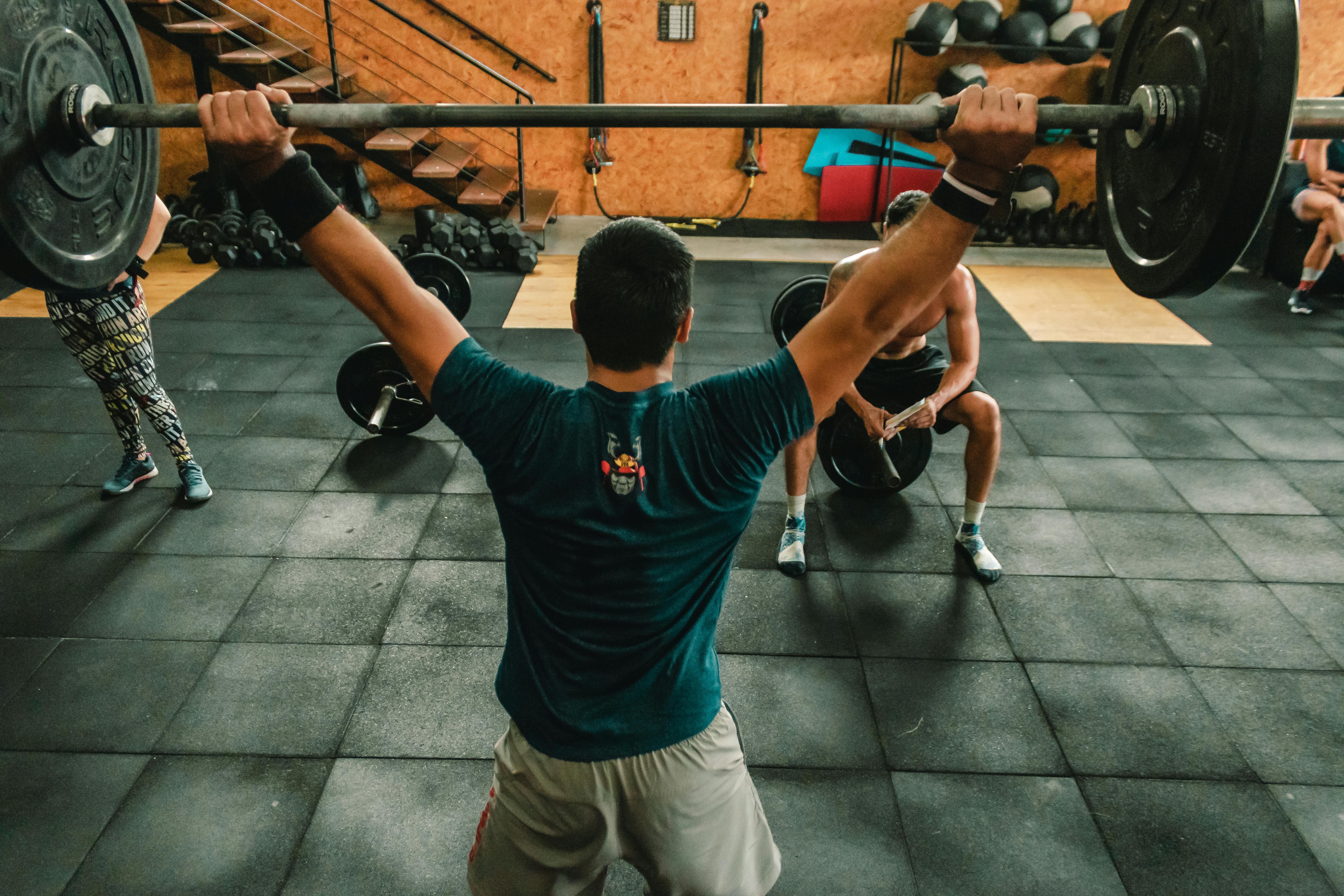
On days I have more time, I include longer strength sessions, extended cardio, or a class. I use these sessions to progress load and complexity.
Example:
- 10 min warm-up (dynamic stretches, mobility)
- 30 min strength focus (structured sets with weights or bodyweight progressions)
- 10–15 min moderate cardio or intervals
- 5–10 min cool-down and breathing work
This image is property of images.pexels.com.
Weekly Plan I Recommend and Use
I follow a simple weekly rhythm that balances movement types and recovery. That structure helps me stay motivated and avoid overtraining.
| Day | Focus | Duration | Typical Activities |
|---|---|---|---|
| Monday | Strength + Mobility | 20–40 min | Full-body circuit + hip/thoracic mobility |
| Tuesday | Cardio + Balance | 20–30 min | Brisk walk + single-leg work |
| Wednesday | Active Recovery | 10–20 min | Gentle yoga or mobility + breathing |
| Thursday | Strength + Intervals | 25–45 min | Strength sets + short HIIT (30s on/60s off) |
| Friday | Cardio Endurance | 20–40 min | Longer walk, bike, or swim |
| Saturday | Mixed Movement | 30–60 min | Hike, group class, or sport |
| Sunday | Rest or Light Mobility | 10–20 min | Stretch, foam roll, breath work |
How I Adjust the Week
If I feel unusually tired, I move a strength day to a lighter day and prioritize mobility. I find flexibility in scheduling keeps me consistent rather than rigidly sticking to a plan that doesn’t match my energy.
How I Warm Up and Cool Down
I never skip warm-ups because they reduce injury risk and improve performance. I also cool down to help transitions between activity and rest.
My Typical Warm-up
I perform 5–10 minutes of dynamic movement tailored to the session: joint circles, lunges with reach, cat-cow, and light cardio such as marching or high knees. It wakes up my nervous system and prepares muscles.
My Typical Cool-down
I use 5–10 minutes of gentle movement and stretching: hamstring and quad stretches, hip flexor release, and breathing exercises. A short foam rolling session helps relieve tension if I have sore spots.
How I Track Progress and Stay Motivated
I track simple metrics that matter to me: frequency of sessions, minutes moved, and a few performance markers like push-up reps or plank time. I avoid obsessing over numbers; instead, I use them to guide small, achievable goals.
Habit Tracking and Micro-goals
I set micro-goals like “move for at least 10 minutes today” or “add one push-up this week.” These small wins build momentum and reduce intimidation around exercise.
Social and Accountability Tools I Use
Sometimes I join a friend for a walk, use a tracking app, or schedule a weekly class. Accountability helps me keep consistent when motivation dips.

This image is property of images.pexels.com.
Tools and Minimal Equipment I Use
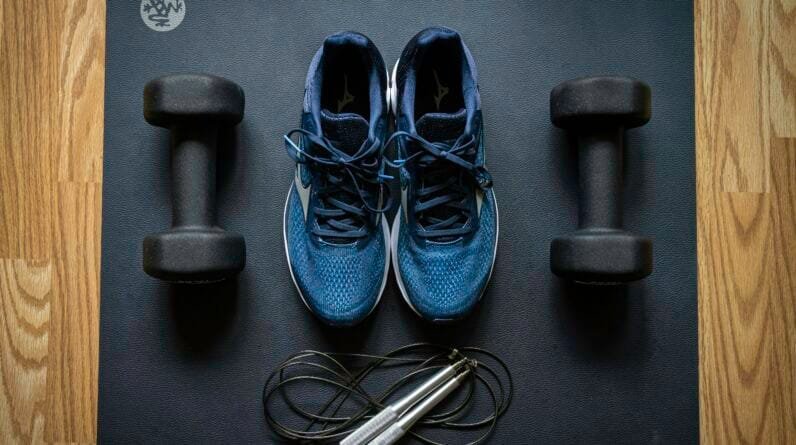
I prefer minimal equipment so exercise is frictionless. A few inexpensive items provide a lot of versatility.
| Equipment | Why I Use It | Example Uses |
|---|---|---|
| Resistance Band | Portable resistance | Rows, banded squats, glute activation |
| Dumbbells (light–moderate) | Progressive strength | Presses, rows, weighted squats |
| Mat | Comfort | Floor exercises, stretching, core work |
| Comfortable Shoes | Protection & support | Walking, running, gym sessions |
| Step or Low Box | Versatility | Step-ups, box squats, incline push-ups |
When I Add More Equipment
If I want to increase training variety, I occasionally add kettlebells or a suspension trainer. I only buy equipment when I know I’ll use it consistently.
Modifications for Different Fitness Levels
I always tailor exercises based on energy, fitness level, and any limitations. I progress gradually and use regressions to build strength safely.
| Exercise | Beginner | Intermediate | Advanced |
|---|---|---|---|
| Squat | Sit-to-stand from chair | Bodyweight squat to parallel | Goblet or barbell squat |
| Push-up | Wall push-up or incline | Kneeling push-up | Full push-up or decline |
| Plank | Kneeling plank 10–20s | Forearm plank 30–60s | Weighted or single-leg plank |
| Walking | 10–15 min easy pace | 20–40 min brisk | Include intervals or hills |
| Single-leg Stand | Hold onto support 10–20s | Unassisted 30–60s | Eyes-closed or dynamic reach |
How I Scale Intensity
I adjust intensity via sets, reps, tempo, and rest. Increasing tempo for strength, reducing rest for conditioning, or adding load are methods I use to progress.
Safety, Precautions, and When I Consult a Professional
I listen closely to pain signals and consult professionals when necessary. I don’t push through sharp or persistent joint pain and I seek medical advice for chronic conditions.
Red Flags I Watch For
Sudden chest pain, lightheadedness, severe shortness of breath, or unusual joint pain prompt me to stop exercising and seek immediate care. I also consult a physical therapist for recurring biomechanical issues.
Modifications for Special Situations
If I’m pregnant, recovering from surgery, or have chronic conditions, I work with a healthcare provider to tailor movement. Many safe, effective options exist, but individual guidance matters.
I’m careful to avoid common pitfalls that reduce effectiveness or increase injury risk. Recognizing these mistakes helps me keep progress steady.
Rushing Progression
I avoid adding too much volume or load too quickly. Incremental increases help me sustain consistency without setbacks.
Skipping Mobility or Warm-up
Skipping warm-ups leads to stiffness and compromised movement. Even when short on time, a 3–5 minute warm-up makes a difference.
Overemphasizing One Type of Exercise
I balance cardio, strength, mobility, and balance rather than focusing only on one area. That holistic approach supports overall function and resilience.
Frequently Asked Questions I Often Hear
I answer practical questions I’ve encountered from friends and clients. These address concerns about time, equipment, and expected outcomes.
How long until I see benefits?
I typically notice improved mood and energy within days of regular movement and small strength or endurance gains within 2–6 weeks. Long-term health markers improve with consistent months and years of practice.
Do I need a gym?
No. I use bodyweight, walking, bands, or minimal equipment to achieve meaningful results. A gym can add convenience and load options but isn’t required.
Is walking enough?
Walking is a powerful and accessible form of exercise that provides cardiovascular, mood, and mobility benefits. I still complement walking with strength and balance work to preserve muscle and function.
What if I only have 10 minutes?
Ten minutes can be highly effective if I focus on multi-joint movements or a brief interval session. Short, focused efforts multiplied across the week add up to meaningful gains.
How do I stay consistent?
I habit-stack by pairing movement with existing routines (e.g., a walk after lunch). I keep sessions short when necessary and celebrate small wins to maintain momentum.
How I Structure Progression Over Months
I periodize my routine informally: I build a base of consistency, then cycle through phases emphasizing strength, endurance, or mobility to avoid stagnation. This prevents burnout and keeps me engaged.
Example 12-week Progression Plan
- Weeks 1–4: Establish frequency (3–5x/week), focus on form and mobility.
- Weeks 5–8: Increase load or time (add resistance or longer walks), include one higher-intensity day.
- Weeks 9–12: Add variety and refine weaknesses, increase complexity (single-leg strength, tempo work).
How I Handle Plateaus
When progress slows, I change variables—shorten rest, add a new exercise, increase load, or take a planned recovery week. These adjustments often restore progress and motivation.
Practical Tips I Use for Everyday Integration
I share small strategies that make exercise stick in daily life. These are low-friction habits that compound into long-term benefits.
- I schedule movement like appointments in my calendar. That makes it more likely I’ll do it.
- I keep clothes and shoes accessible to reduce friction.
- I pair movement with entertainment: audiobooks for walks or podcasts during light cardio.
- I use stair or walking breaks during long work periods to reset my posture and circulation.
My Final Thoughts on Everyday Exercises for Healthy Living
I view everyday exercise as a practical, flexible tool for healthy living rather than an obligation. Small habits add up, and a steady, enjoyable routine delivers physical, mental, and long-term health benefits. I encourage you to choose movements you enjoy, start small, and be consistent—your body and mind will thank you.