0 Reviews
Gentle Daily Exercise Routine for Mindful Movement
Gentle Daily Exercise Routine for Mindful Movement. This routine is designed for you to move with intention, compassion, and consistency. It focuses on accessible movements, breath awareness, and gradual progression so you can practice daily without strain.
You’ll find that small, consistent actions create meaningful changes over time. This routine emphasizes mindful attention to how your body feels, moves, and responds rather than pushing for maximal performance.
Why Gentle, Mindful Movement Matters
Gentle movement helps you maintain mobility, reduce stiffness, and support joint health without overstressing tissues. Mindfulness during movement helps you tune into sensations, reduce stress, and improve posture and balance through focused awareness.
Physical Benefits
You’ll notice improvements in flexibility, circulation, and the ability to perform daily tasks with less discomfort. Regular gentle exercise also supports muscle tone and joint range of motion in a sustainable way.
Mental and Emotional Benefits
Mindful movement reduces anxiety, improves mood, and enhances concentration by linking breath and attention to movement. You’ll likely find that short daily practices help regulate emotions and reduce mental fatigue.
Long-Term Benefits
Over weeks and months, your balance, confidence, and resilience increase, lowering your risk of falls and chronic discomfort. Small daily habits compound, making your body more adaptable and your mind more attuned to subtle changes.
Principles of Mindful Movement
These principles help you practice safely and meaningfully every day. They guide how you move, breathe, and respond to your body’s signals.
Awareness and Breath
Your breath is the primary tool for coordinating movement and calming the nervous system. By linking inhale and exhale to movement, you’ll improve timing and reduce tension.
Consistency Over Intensity
You should aim for regular practice rather than pushing for extreme sessions. Short, daily practices are more sustainable and effective for long-term gains.
Progression and Adaptation
You’ll increase difficulty gradually and modify when needed, listening to your body’s feedback. Progress is measured in comfort, range, and increased ease, not in pushing through pain.
Mind-Body Connection
Mindful movement encourages you to notice sensations, posture, and alignment during each exercise. This connection helps prevent injury and builds embodied awareness.
Are you ready to build a gentle daily exercise routine that encourages mindful movement and supports your body and mind?
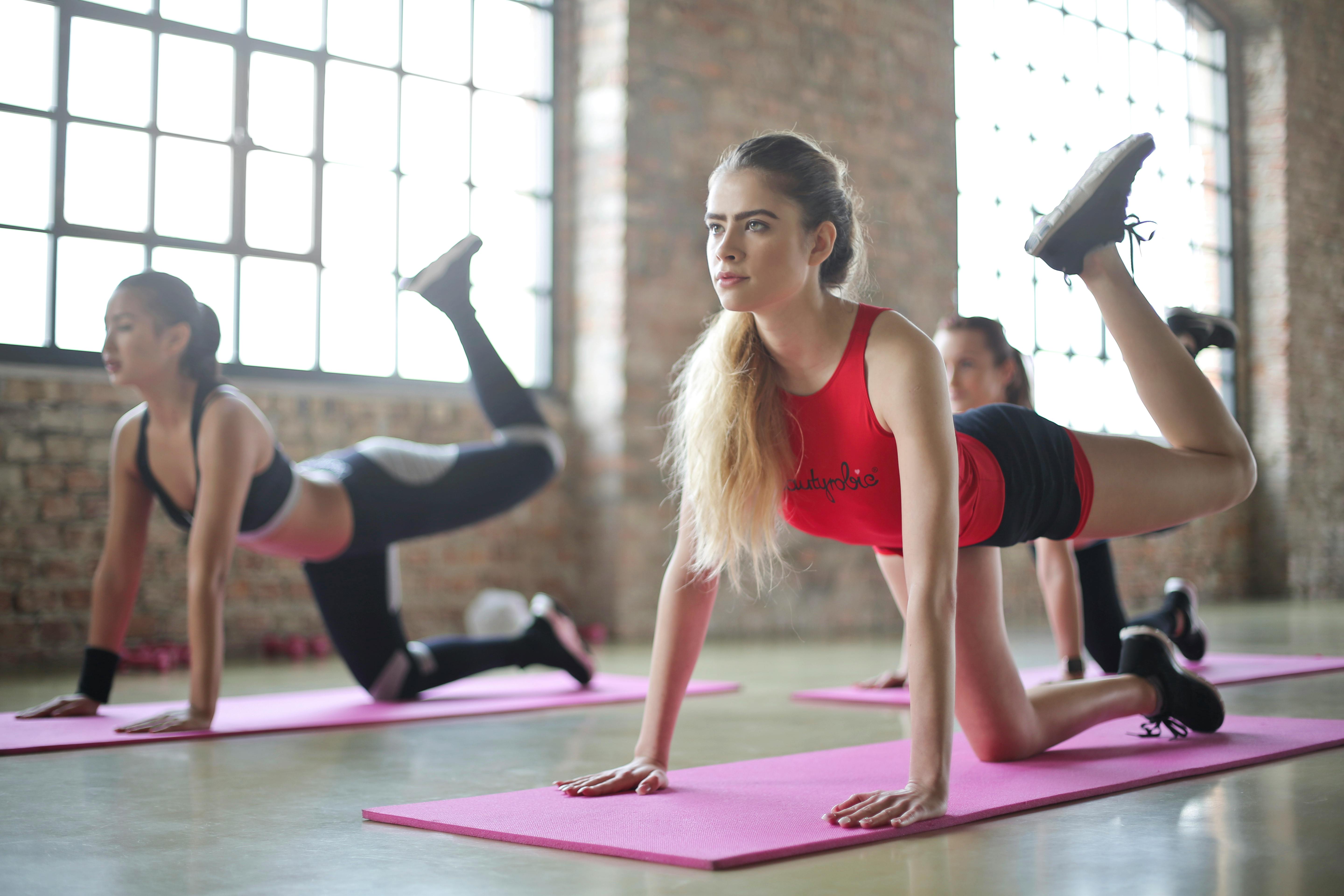
This image is property of images.pexels.com.
Use this routine as a template you can adapt to your schedule, energy, and abilities. You can choose a 10-, 20-, or 30-minute version depending on your day, and you’ll find variations for seated or standing practice.
Frequency and Timing
Daily practice is ideal, but you can start with 4–5 sessions per week and build up. Try to schedule sessions at roughly the same time each day to reinforce habit formation.
Intensity and Effort
Maintain a gentle level of effort where you can carry on light conversation and feel steady breath control. If something feels sharp or painful, reduce intensity or skip that movement and consult a professional if pain persists.
This overview gives a simple structure you can follow each day. The table outlines time estimates, focus areas, and the purpose of each segment so you can plan easily.
| Segment | Time (min) | Focus | Purpose |
|---|---|---|---|
| Warm-up | 3–5 | Breath, joint mobility | Prepare body and mind for movement |
| Core Sequence | 10–15 | Strength, balance, coordination | Build functional strength and stability |
| Flexibility & Mobility | 5–8 | Stretching, range of motion | Improve flexibility and reduce stiffness |
| Balance & Mindfulness | 3–5 | Balance poses, mindful breathing | Enhance proprioception and calm the mind |
| Cool-down & Reflection | 2–5 | Relaxation, gratitude | Integrate movement and restore calm |
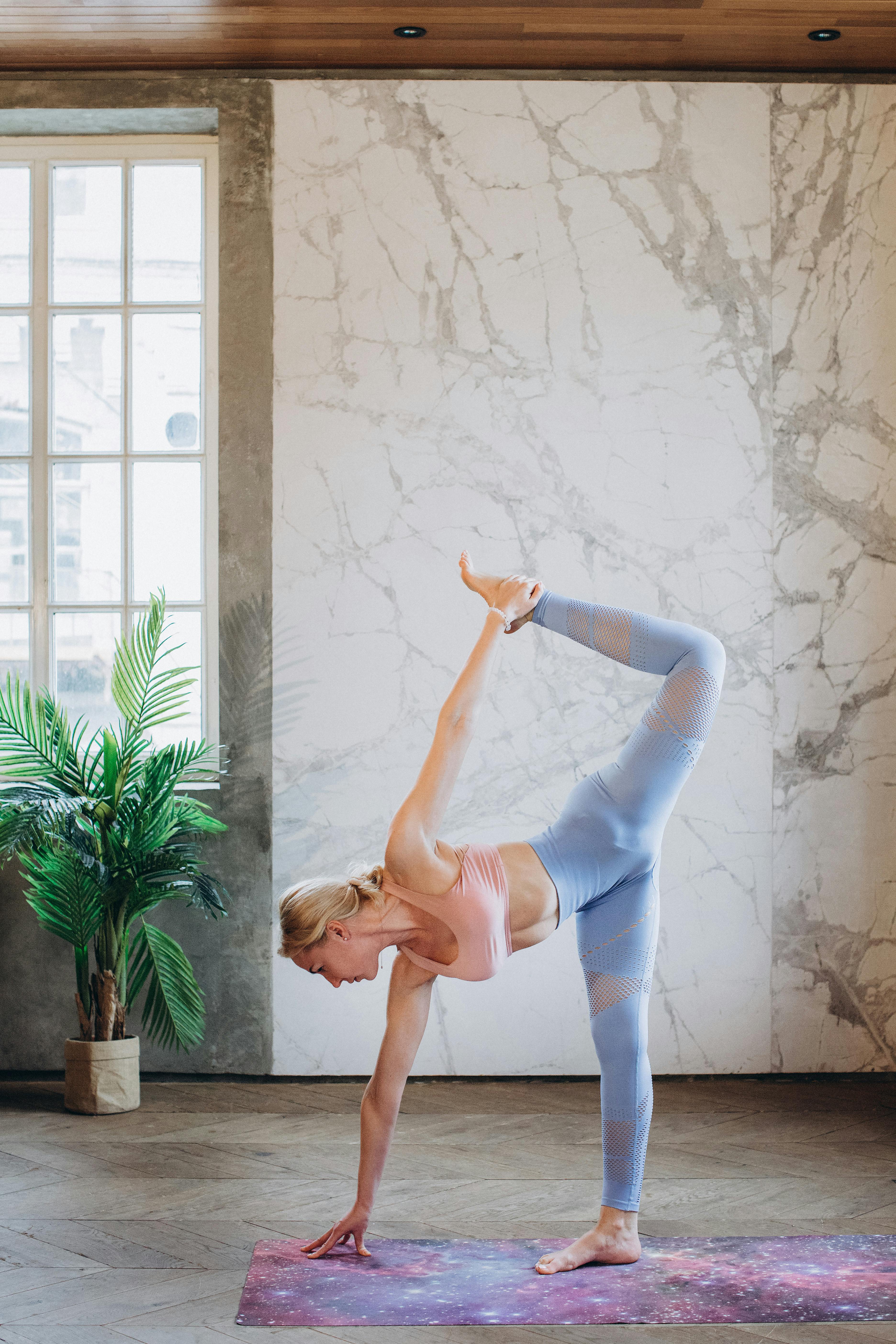
This image is property of images.pexels.com.
Warm-Up: Preparing Your Body and Mind
Warming up primes your muscles and nervous system for movement so you reduce risk of strain. Use this phase to bring attention to your posture and breath.
Gentle Breath Awareness
Begin standing or seated with a few slow, deep breaths. Count 4 on the inhale and 6 on the exhale, repeating 4–6 times to activate the parasympathetic response and steady your attention.
Neck Rolls and Range Checks
Move your neck slowly through comfortable ranges, avoiding any straining or forcing. Make sure you keep movements small and smooth — this helps release tension accumulated from poor posture.
Shoulder Rolls and Scapular Mobility
Roll shoulders forward and backward in slow, full circles for 6–8 repetitions each way. Focus on moving the shoulder blades and feeling space between the shoulders and ears.
Rotate wrists and ankles in both directions to lubricate joints and prepare for weight-bearing. Small, rhythmic movements increase circulation and proprioception.
Cat-Cow: Spinal Flexion and Extension
On hands and knees or seated, inhale to open your chest and lift your head (Cow), exhale to round your spine and tuck your chin (Cat). Repeat for 6–10 cycles, coordinating breath and movement to increase spinal mobility.
Main Sequence: Strength, Balance, and Mobility
This section contains the core exercises to practice daily. Perform them mindfully, matching movement to breath and staying within comfortable ranges.
Standing Sequence: Grounded & Balanced
Standing exercises promote functional strength and posture that translates to everyday tasks. Move slowly and notice how each shift in weight feels across your feet.
- Heel-to-Toe Rock: Shift forward onto toes and back onto heels for 10–12 reps to improve ankle mobility and balance.
- Mini Squats or Sit-to-Stand: Bend hips and knees to a comfortable depth, focusing on keeping knees aligned with toes for 8–12 reps. You can use a chair for support if needed.
- Wall Slides: Stand with your back to a wall and slide arms up and down to improve shoulder mobility and postural alignment for 8–10 reps.
Seated Sequence: Accessible Strength and Core Activation
Seated exercises are excellent when standing is difficult or when you want to reduce load on joints. These help you maintain core engagement and hip mobility.
- Seated Marching: Lift knees alternately while seated for 30–60 seconds to stimulate core and hip flexors.
- Seated Twist: Gently rotate torso toward each side while keeping hips squared, holding 2–3 breaths per side to improve thoracic mobility.
- Seated Leg Extensions: Extend one leg at a time and flex the ankle for 8–12 reps to strengthen quadriceps and improve circulation.
Gentle Strengthening: Low-Impact Muscle Work
Strength supports joint health and makes daily movement easier. Use body weight, a resistance band, or light weights depending on your ability.
- Glute Bridges: Lie on your back, press through heels, and lift hips for 10–15 reps to strengthen glutes and lower back.
- Modified Push-Ups or Wall Pushes: Keep hands on wall or incline surface and press slowly for 8–12 reps to strengthen chest and shoulders.
- Band Rows or Seated Rows: Use a resistance band around stable anchor or in seated position to strengthen upper back for 10–15 reps.
Balance Work: Enhancing Proprioception
Balance exercises are vital for fall prevention and coordination. Practice near a chair or wall if you’re unsteady.
- Single-Leg Stand: Hold onto a support if needed and balance for 10–30 seconds per leg, gradually increasing without support.
- Tandem Stance: Place one foot directly in front of the other and hold for 20–30 seconds to challenge stability.
- Heel-to-Toe Walk: Walk in a straight line placing heel to toe deliberately to improve dynamic balance.
Mobility Flow: Gentle Movement Chains
Link a few movements into a short flow to maintain joint health and smooth transitions. Move slowly and with breath to notice changes.
- Hip Opener Flow: March to hip circles, then step and lunge gently while breathing through the movement for 4–6 reps each side.
- Spinal Flow: Combine gentle forward fold, half-lift, and standing backbend coordinated with breath for 4–6 cycles to improve spinal mobility.
Flexibility and Stretching
Stretching helps release tightness and increases range of motion, especially after strengthening. Hold stretches gently and avoid bouncing.
Hamstring and Calf Stretches
You can perform hamstring stretches seated or standing with a slight forward hinge, keeping knees soft. For calves, place hands on a wall and step one foot back, pressing heel toward the floor for 20–30 seconds each side.
Hip Flexor and Quadriceps Stretches
Kneel for a hip flexor stretch or stand holding ankle for a quad stretch, ensuring pelvis remains neutral. Hold for 20–30 seconds and breathe into the front of the hip.
Chest and Shoulder Stretch
Clasp hands behind your back and lift gently while opening the chest, or place forearm against a doorframe and turn away for a gentle chest opener. Stay within comfortable sensations and breathe slowly.
Spinal Rotation and Lower Back Release
Lie on your back and drop knees to one side with arms outstretched for 20–30 seconds, then switch sides. This eases lower back tension and encourages gentle spinal rotation.

This image is property of images.pexels.com.
Cool-Down and Reflection
Cooling down restores calm and gives you a moment to observe how your body feels after movement. Use this time for brief reflection and gratitude toward your body.
Progressive Muscle Relaxation
Tense and release major muscle groups one at a time, moving from toes to head or vice versa. This helps you notice subtle differences between tension and relaxation.
Mindful Breathing and Grounding
Return to slow, rhythmic breathing and bring attention to sensations in your feet, hands, and torso. Spend 1–3 minutes noticing what felt good and what you might adjust next time.
Short Journaling or Noting
If you keep a practice journal, jot two or three notes about how you felt, what improved, or any pain that needs attention. This will help you track progress and adjust the routine over time.
Weekly Structure and Progression
A weekly framework helps you vary intensity and focus areas while maintaining daily consistency. Plan lighter and slightly more focused strength or balance days.
| Day | Focus | Notes |
|---|---|---|
| Monday | Mobility + Light Strength | Emphasize full-body mobility and basic strength moves |
| Tuesday | Balance + Breathwork | Emphasize proprioception and calming breathing |
| Wednesday | Strength + Posture | Target glutes, back, and core for posture support |
| Thursday | Mobility + Flexibility | Longer stretches and mobility flows |
| Friday | Balance + Functional Movement | Practice sit-to-stand, step-ups, and dynamic balance |
| Saturday | Gentle Full Sequence | Combine the week’s best elements at low intensity |
| Sunday | Recovery + Reflection | Gentle movement, walking, or rest with extended breathing |
Gradual Progression Tips
Increase repetitions, duration, or add resistance slowly over several weeks. Aim to add no more than 10% per week to avoid overuse.
Rest and Recovery
You should include at least one lighter or restorative day weekly, especially if you feel fatigued. Quality sleep, hydration, and nutrition support recovery and adaptative gains.
Safety, Contraindications, and Modifications
Safety should always be your priority, especially if you have chronic conditions or recent injuries. Modify exercises and consult a healthcare professional if you have concerns.
When to Modify or Stop
If you experience sharp pain, dizziness, or new neurological symptoms (numbness, tingling, weakness), stop and seek professional advice. You should expect mild muscle fatigue or gentle stretch sensations, not acute pain.
Common Modifications Table
| Condition/Concern | Modification | Rationale |
|---|---|---|
| Knee pain | Reduce squat depth, use chair support, or perform glute bridges instead | Limits compressive load and stabilizes movement |
| Balance issues | Use chair or wall for support, practice seated alternatives | Reduces fall risk while training balance safely |
| Back pain | Focus on pelvic tilts, gentle bridges, and avoid forward bends under load | Protects spine while engaging core and glutes |
| Shoulder impingement | Limit overhead movement, use scapular retraction exercises | Reduces irritation and strengthens supportive muscles |
| Osteoporosis | Avoid high-impact movements; focus on controlled weight-bearing | Protects bone health through safe loading |
Working With Medical Conditions
If you have cardiovascular issues, high blood pressure, or other systemic conditions, check with your healthcare provider before starting. They can suggest suitable intensity, frequency, and necessary precautions.
You don’t need much to practice mindful movement; a small, clear area and a chair are often enough. Optional items like a resistance band, cushion, or yoga mat can add comfort and variety.
Suggested Equipment List
- Stable chair without wheels for seated and balance support.
- Resistance band for gentle strengthening and rows.
- Soft mat or rug for floor-based mobility and stretching.
- Light hand weights (optional) for progressive strengthening.
Creating a Supportive Space
Choose a quiet area with enough room to extend arms and legs without obstacles. Keep water nearby and wear comfortable clothing that allows free movement.
Sample Routine Options (10, 20, 30 Minutes)
Choose one of these templates based on the time you have. Each provides structure and can be adapted to seated or standing variations.
10-Minute Quick Routine
- 1 min: Breath awareness and neck mobility.
- 2 min: Shoulder rolls and wrist/ankle circles.
- 3 min: Standing mini squats or seated leg extensions.
- 2 min: Single-leg stands or seated marching.
- 2 min: Gentle stretch and mindful breath.
This short practice is perfect for mornings or brief breaks. It keeps your body engaged without demanding a long time commitment.
20-Minute Balanced Routine
- 3 min: Warm-up breath and cat-cow.
- 7 min: Standing sequence (mini squats, wall slides, heel-to-toe rocks).
- 5 min: Gentle strengthening (bridges, band rows).
- 3 min: Balance work (single-leg stand, tandem stance).
- 2 min: Cool-down and reflection.
This is a solid daily option that blends mobility, strength, and balance. It’s long enough to notice meaningful change without causing fatigue.
- 5 min: Comprehensive warm-up with breath and joint mobility.
- 10 min: Strength circuit (glute bridges, modified push-ups, seated rows).
- 7 min: Mobility flow and dynamic stretches (hip opener, spinal flow).
- 5 min: Balance and proprioception (tandem walk, single-leg balance).
- 3 min: Progressive muscle relaxation and journaling.
Use this when you have more time for intentional practice and want to include all components. It’s particularly beneficial on days you feel energized and focused.
Tracking Progress and Building Habit
Tracking helps you stay consistent and notice improvements over time. Small daily wins reinforce habit formation and support motivation.
Simple Tracking Table
| Date | Session Length | Focus | How You Felt | Notes |
|---|---|---|---|---|
| 2026-01-01 | 10 min | Mobility | Energized | Less neck stiffness |
| 2026-01-02 | 20 min | Strength | Tired, good ache | Increase reps slightly |
| 2026-01-03 | 10 min | Balance | Confident | Easier single-leg stand |
Habit Formation Tips
Set a consistent time and link the practice to an existing habit (e.g., after brushing teeth or after morning tea). Keep expectations reasonable and celebrate small improvements to maintain momentum.
Frequently Asked Questions
You can use this section to address typical concerns and practical adjustments. The answers focus on safety, adaptability, and realistic expectations.
How soon will I see benefits?
Many people notice improved mood and reduced stiffness within a week when practicing daily. Strength and balance improvements usually become more evident after several weeks of consistent practice.
Can I do this routine if I have limited mobility?
Yes — many exercises have seated or supported variations so you can adapt based on your abilities. Prioritize comfort, and consult a healthcare professional for condition-specific modifications.
What if I feel pain during an exercise?
You should stop movements that cause sharp pain or unusual symptoms and reassess form or intensity. If pain persists, seek guidance from a physical therapist or medical professional to address underlying issues.
How do I progress safely?
Increase repetitions, add small resistance, or lengthen balance holds gradually, aiming for about a 10% weekly increase in volume. Track how you respond and include rest or lighter days to allow recovery.
How long should each stretch be held?
Hold gentle stretches for 20–30 seconds to allow tissues to relax and lengthen slowly. If you find a stretch particularly tight, hold it for up to 60 seconds while breathing slowly and staying comfortable.
Is breathwork necessary?
Breathwork anchors your attention and supports movement coordination and relaxation. Even a few breaths before and after your practice will enhance the calming and organizing effects of movement.
Troubleshooting Common Barriers
You’ll face obstacles like time constraints, low motivation, or pain — and you can manage them with small strategies. Use these practical tips to keep your practice consistent and enjoyable.
Time Constraints
Short sessions still deliver benefits, so aim for 5–10 minutes when time is tight. Micro-practices spread across the day can add up similarly to a single longer session.
Low Motivation
Pair practice with something enjoyable, like music or natural light, and remind yourself of the small benefits you’re noticing. Accountability with a friend or tracking progress can support consistency.
Fear of Injury
Start with conservative intensity and build confidence through small, measurable gains. Use supports and modifications to reduce risk while strengthening the systems that protect you.
Final Thoughts
This gentle daily exercise routine supports your body and mind through mindful movement, breath, and progressive habit-building. With consistent practice and compassionate attention, you’ll cultivate greater mobility, balance, and calm in your daily life.