Gentle Exercises for a Calm Morning Routine and Better Energy
Starting your day in a calm, intentional way can completely transform how you feel, think, and perform throughout the day. Gentle exercises for a calm morning routine are one of the most effective ways to reduce stress, improve focus, and support long-term physical and mental well-being.
Many people wake up feeling rushed, stiff, or mentally overwhelmed. Instead of jumping straight into emails or responsibilities, a short, structured morning routine built around gentle movement and mindful breathing can reset your nervous system and prepare your body for the day ahead.
This guide provides a complete, practical, and beginner-friendly approach to creating a calm morning routine using gentle exercises, breathing techniques, mobility work, and simple movement patterns that suit almost any fitness level.
Why a Calm Morning Routine Matters
How you start your morning often determines your energy, mood, and productivity for the rest of the day.
When mornings begin with stress—scrolling, rushing, or reacting—you activate your sympathetic nervous system (fight-or-flight) early. Over time, this contributes to fatigue, anxiety, and reduced focus.
In contrast, a calm morning routine:
- Reduces cortisol levels (stress hormone)
- Improves mental clarity and decision-making
- Enhances mood and emotional stability
- Loosens stiff joints and muscles
- Builds consistency and healthy habits
Even 5–10 minutes of gentle movement can shift your body into a more relaxed, balanced state.
Who This Routine Is For
This routine is designed for:
- Beginners or people returning to exercise
- Busy individuals with limited time
- People with stiffness, mild aches, or low energy
- Anyone seeking low-impact, stress-reducing exercise
- Those interested in mindfulness, yoga, or holistic wellness
You don’t need equipment, experience, or a lot of time—just consistency.
Core Principles of a Gentle Morning Practice
To get the most benefit, follow these simple principles:
1. Start with Breath and Awareness
Your breath is the bridge between your mind and body. Starting with breathing helps you transition from sleep to movement smoothly.
2. Prioritize Mobility Over Intensity
Morning routines should focus on joint mobility and circulation, not heavy workouts.
3. Move Slowly and Mindfully
Avoid rushing. Slow, controlled movements reduce injury risk and improve body awareness.
4. Progress Gradually
Start small and increase duration or intensity over time.
5. Consistency Over Perfection
A 5-minute daily routine is more effective than a 30-minute routine done occasionally.
How to Structure a Calm Morning Routine
A simple structure keeps your routine effective and easy to follow:
Phase 1: Awakening (1–3 minutes)
- Gentle breathing
- Body awareness
- Light stretching in bed or seated
Phase 2: Mobility (3–7 minutes)
- Neck, shoulders, spine, hips, ankles
Phase 3: Stretching & Light Strength (5–10 minutes)
- Gentle stretches + bodyweight exercises
Phase 4: Grounding (1–3 minutes)
- Breathwork or short meditation
Breathing Techniques for a Calm Start
Breathing exercises are essential for stress reduction and nervous system regulation.
Diaphragmatic (Belly) Breathing
- Inhale through nose, expand belly
- Exhale slowly
- Repeat for 1–3 minutes
Benefits:
Reduces anxiety, lowers heart rate, improves oxygen flow
Box Breathing (Focus & Calm)
- Inhale 4 seconds
- Hold 4 seconds
- Exhale 4 seconds
- Hold 4 seconds
Repeat 4–6 cycles
4-6-8 Relaxation Breathing
- Inhale 4
- Hold 6
- Exhale 8
Best for: calming anxiety quickly
Gentle Mobility Exercises
Mobility exercises help reduce stiffness and improve circulation.
Neck Circles and Tilts
- Slowly move head side-to-side and in circles
- 4–6 reps each direction
Shoulder Rolls
- Roll forward and backward
- 5–8 reps each
Cat–Cow Stretch
- Inhale: arch back
- Exhale: round spine
- 8–12 repetitions
Benefits:
Improves spinal flexibility and reduces tension
Hip Circles and Leg Swings
- Gentle hip rotations
- 8–10 reps
Ankle Pumps and Circles
- Flex and point feet
- Rotate ankles
Gentle Stretching and Strength Exercises
These movements build stability and flexibility without strain.
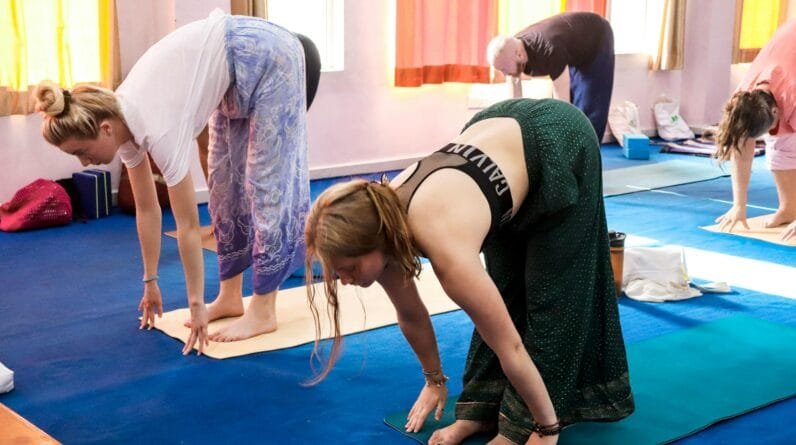
Forward Fold (Soft Knees)
- Bend forward gently
- Hold 30–60 seconds
Bird-Dog (Core Stability)
- Extend opposite arm and leg
- Hold 2–3 seconds
- 8–12 reps per side
Wall Push-Ups
8–15 repetitions
Low-impact upper body activation
Calf Stretch + Balance
- Stretch calves
- Balance on one leg
Simple 10–15 Minute Morning Yoga Flow
A short yoga flow combines mobility, strength, and relaxation.
Sequence:
- Child’s Pose
- Cat–Cow
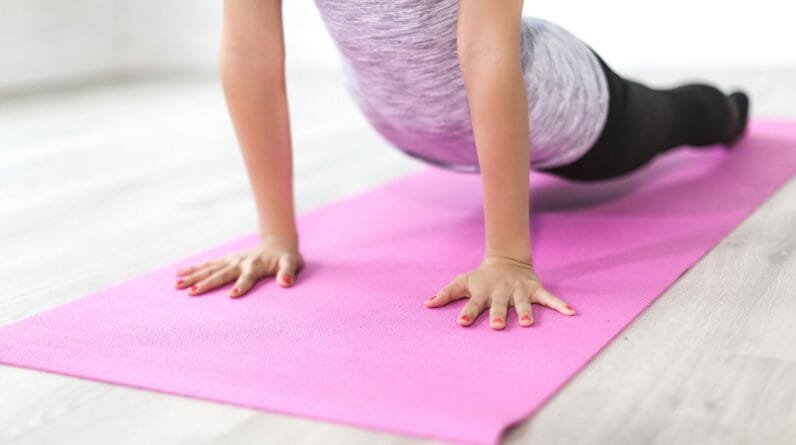
- Downward Dog (gentle)
- Low Lunge
- Forward Fold
- Mountain Pose
- Chair Pose (soft)
- Tree Pose
- Seated breathing
Qigong and Tai Chi-Inspired Movements
These slow, flowing movements improve balance and calm energy.
Simple Weight Shifting
- Shift weight side-to-side
- Add arm movements
- 2–5 minutes
Benefits:
- Improves coordination
- Enhances mind-body connection
- Reduces stress
Low-Impact Cardio Options (Optional)
If you want more energy:
- Brisk walking
- Marching in place
- Light cycling
- Step-ups
Keep it gentle and controlled.
Sample Morning Routines
5-Minute Routine
- 1 min breathing
- 2 min mobility
- 1 min stretch
- 1 min grounding
10-Minute Routine
- 2 min breathing
- 4 min mobility
- 3 min strength
- 1 min meditation
20-Minute Routine
Full mobility + yoga + breath
30-Minute Routine
Deep, balanced session with meditation
Modifications for Pain or Stiffness
For Back Pain
- Cat–cow
- Pelvic tilts
- Avoid deep forward bends
For Knee Pain
- Seated exercises
- Avoid deep squats
For Wrist/Shoulder Pain
- Use wall exercises
- Avoid weight-bearing positions
Equipment (Optional)
- Yoga mat
- Chair
- Resistance band
- Towel or strap
No equipment is required.
How to Stay Consistent
Habit Tips:
- Attach routine to morning habit
- Keep sessions short
- Prepare space the night before
- Track how you feel
Safety Tips
- Avoid sharp pain
- Move slowly
- Breathe naturally
- Modify when needed
When to Seek Professional Help
Consult a healthcare provider if you experience:
- Persistent pain
- Numbness or tingling
- Severe fatigue
- Injury symptoms
Common Morning Challenges (and Fixes)
Too Tired
→ Start with breathing only
Too Stiff
→ Do more mobility
No Motivation
→ Commit to just 5 minutes
Weekly Plan for Variety
| Day | Focus |
|---|---|
| Monday | Mobility |
| Tuesday | Strength |
| Wednesday | Qigong |
| Thursday | Yoga |
| Friday | Cardio |
| Saturday | Mixed |
| Sunday | Restorative |
Final Thoughts
A calm morning routine doesn’t need to be long or complicated. With just a few gentle exercises, mindful breathing, and simple movement patterns, you can:
- Reduce stress
- Improve focus
- Boost mood
- Increase flexibility
- Build long-term resilience
Start small. Stay consistent. Let your routine evolve naturally.
Even 5 minutes each morning can change your entire day.
Frequently Asked Questions
1. How long should a calm morning exercise routine last?
A calm morning exercise routine can be effective in as little as 5 to 10 minutes. The most important factor is consistency, not duration. A short routine that includes breathing, mobility, and light stretching can help reduce stiffness, improve focus, and create a more peaceful start to the day without feeling overwhelming.
2. Are gentle morning exercises good for beginners?
Yes, gentle morning exercises are ideal for beginners because they are low-impact, easy to modify, and less intimidating than intense workouts. They help improve flexibility, circulation, posture, and body awareness while lowering the risk of strain. Beginners can start slowly and build confidence through short, manageable daily sessions.
3. Can I do these morning exercises without equipment?
Most gentle morning exercises can be done without any equipment at all. Movements such as cat-cow, forward folds, shoulder rolls, breathing exercises, and wall push-ups only require a little floor space or a wall. Optional props like a yoga mat, chair, or towel can add comfort, but they are not essential.
4. Will a gentle morning routine help reduce stress and anxiety?
A gentle morning routine can help reduce stress and anxiety by calming the nervous system before the day becomes busy. Slow movement combined with breathing exercises encourages relaxation, improves mental clarity, and lowers physical tension. Over time, this kind of routine can support a steadier mood and better emotional balance throughout the day.
5. Is it better to exercise before or after breakfast in the morning?
For gentle morning movement, many people feel comfortable exercising before breakfast because the routine is light and not overly demanding. If you plan to do a longer or more intense workout, a small snack may help prevent fatigue or lightheadedness. The best option depends on your energy levels, comfort, and personal schedule.
6. What if I wake up feeling stiff or low on energy?
If you wake up stiff or tired, start with very small movements such as belly breathing, ankle circles, seated stretches, or cat-cow. You do not need to force a full workout. Even a few gentle exercises can improve circulation, loosen tight joints, and gradually raise your energy without putting extra stress on your body.