Simple Exercise Routine Without Gym Equipment (Complete Home Workout Plan)

This image is property of images.pexels.com.
Why a Simple Exercise Routine Without Gym Equipment Works
Bodyweight training works because your body adapts to stress. When you challenge your muscles through movement patterns like squats, push-ups, lunges, and planks, your body responds by becoming stronger, more coordinated, and more resilient.
Unlike gym-based workouts, bodyweight routines remove common barriers such as travel time, cost, and equipment availability. This makes consistency easier—and consistency is the most important factor in long-term fitness success.
Key Benefits of Bodyweight Training
- Convenience: You can train anywhere—home, park, hotel room.
- Low cost: No gym membership or equipment needed.
- Scalable difficulty: Adjust intensity using reps, tempo, or variations.
- Functional strength: Improves real-life movement patterns.
- Reduced injury risk: Encourages better control and mobility.
Bodyweight workouts also combine strength, endurance, balance, and flexibility in one routine. That makes them highly efficient for people with limited time.
Limitations and How to Overcome Them
One limitation is that building maximum strength (like heavy barbell lifting) is harder without weights. However, you can still make excellent progress by:
- Using single-leg or single-arm exercises
- Slowing down movements (time under tension)
- Adding pauses or isometric holds
- Increasing repetitions and volume
- Using household items (backpacks, water bottles)
The key is progressive overload—gradually increasing difficulty over time.
Getting Started: Goals, Mindset, and Safety
Before starting your routine, it’s important to define clear goals. Your plan should match what you want to achieve—fat loss, muscle gain, improved endurance, or general fitness.
Set Clear and Realistic Goals
- “Train 3 times per week for 30 minutes”
- “Improve push-ups from 5 to 15 in 6 weeks”
- “Lose 2–4 kg in 8 weeks through consistent training”
Tracking progress keeps motivation high and helps you stay consistent.
Safety Guidelines
- Start slowly, especially if you are new or returning.
- Focus on proper form before increasing intensity.
- Stop if you feel sharp or joint pain.
- Warm up before every session.
For a balanced approach, you can combine this routine with fitness routine for everyday health.
Warm-Up: Prepare Your Body for Exercise
A proper warm-up improves performance and reduces injury risk. Spend 5–10 minutes preparing your body before each workout.
Sample Warm-Up Routine
- 1 minute light jogging or marching
- 8–10 leg swings per leg
- 8–10 arm circles
- 10 glute bridges
- 8 walking lunges per leg
This increases blood flow, mobility, and readiness for exercise.
How to Structure Your Workout
Each session should follow a simple structure:
- Warm-up (5–10 minutes)
- Strength training (20–30 minutes)
- Cardio/conditioning (5–15 minutes)
- Cooldown (5–10 minutes)
Total time: 25–60 minutes depending on your schedule.
Beginner Routine: Build Your Foundation
If you’re new, focus on learning movement patterns and building consistency.
Weekly Plan
| Day | Focus | Duration |
|---|---|---|
| Monday | Full-body workout | 30–40 min |
| Wednesday | Light cardio + core | 20–30 min |
| Friday | Full-body workout | 30–40 min |
Beginner Workout Example
Repeat 3 rounds:
- Squats – 10–15 reps
- Wall or incline push-ups – 8–12 reps
- Glute bridges – 10–15 reps
- Reverse lunges – 6–8 per leg
- Plank – 20–30 seconds
Rest 60–90 seconds between rounds.
Intermediate Routine: Increase Strength and Endurance
Once basic exercises feel easy, progress to more challenging variations.
Weekly Plan
| Day | Focus | Duration |
|---|---|---|
| Monday | Lower body | 40 min |
| Tuesday | Cardio | 25 min |
| Thursday | Upper body | 40 min |
| Saturday | Full-body circuit | 35 min |
Intermediate Exercises
- Decline push-ups
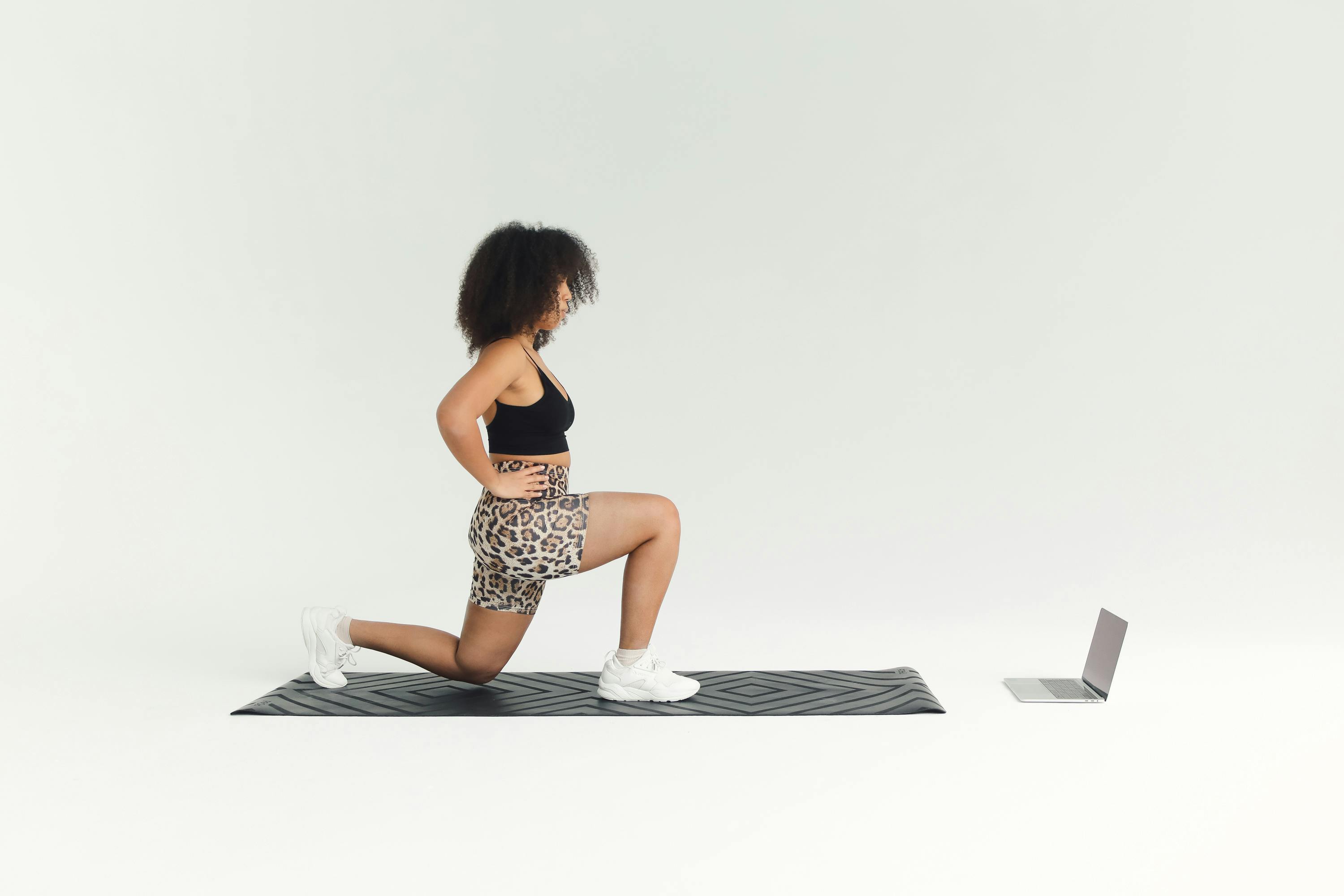
- Split squats
- Step-ups
- Pike push-ups
- Plank variations
Focus on slower movements and controlled form.
Advanced Routine: Strength, Skill, and Intensity
Advanced training includes high-intensity exercises and skill-based movements.
Weekly Plan
| Day | Focus |
|---|---|
| Monday | Lower-body strength |
| Tuesday | HIIT |
| Wednesday | Skill training |
| Thursday | Upper-body strength |
| Saturday | Full-body conditioning |
Advanced Exercises
- Pistol squats
- Handstand holds
- Archer push-ups
- L-sit holds
Recovery becomes more important at this level.
This image is property of images.pexels.com.
Progressions and Modifications
Make Exercises Easier
- Reduce reps
- Use support (wall, chair)
- Shorten range of motion
Make Exercises Harder
- Increase reps or sets
- Slow down tempo
- Add pauses
- Use single-leg variations
Cardio Without Equipment
Cardio improves endurance and helps with fat loss.
Options
- Jumping jacks
- High knees
- Burpees
- Mountain climbers
Interval Example
20 seconds work, 10 seconds rest for 8 rounds (Tabata).
Mobility and Recovery
Recovery is essential for progress and injury prevention.
Cooldown Routine
- Hamstring stretch
- Hip flexor stretch
- Child’s pose
- Deep breathing
Include mobility 3–5 times per week.
This image is property of images.pexels.com.
Nutrition Basics for Better Results
- Eat enough protein
- Stay hydrated
- Focus on whole foods
- Adjust calories based on goals
Nutrition plays a major role in your progress.
Tracking Your Progress
- Track reps and sets
- Take progress photos
- Measure strength improvements
Small improvements add up over time.
Common Mistakes to Avoid
- Skipping warm-ups
- Poor form
- Inconsistency
- Overtraining
Frequently Asked Questions
Can I build muscle without equipment?
Yes, by increasing intensity, reps, and time under tension.
How often should I train?
3–5 times per week is ideal.
How long until results?
2–4 weeks for initial improvements, 6–12 weeks for visible results.
Final Thoughts
A simple exercise routine without gym equipment can be just as effective as gym training when done consistently. The key is to start small, stay consistent, and gradually increase difficulty.
With the right mindset and structure, you can build strength, improve fitness, and feel better—all from the comfort of your home.