0 Reviews
? Have you ever wished you could feel calmer, clearer, and more able to handle life’s ups and downs simply by learning to be more present?
Mindfulness Exercises for Building Present Moment Awareness and Resilience
I’ve written this guide to help you understand practical mindfulness exercises that strengthen present-moment awareness and build resilience. I will walk you through why mindfulness matters, evidence for group approaches, a structured group program example, and 21 concrete exercises you can use alone or in groups.
Why mindfulness matters for resilience and wellbeing
I notice that when I practice mindfulness regularly, my reactions to stress become less automatic and I feel more emotionally balanced. Research and clinical experience show that mindfulness increases present-moment awareness, reduces stress, improves emotional regulation, and supports mental clarity and overall wellbeing.
Mindfulness is a skill that grows with practice
I want you to know that mindfulness is not a fixed trait—it’s a skill that improves the more you practice. If you’ve tried mindfulness before and stopped early, I encourage you to try again, ideally with guidance or peer support, because persistence and structured practice make a big difference.
Evidence for group mindfulness programs
I find group mindfulness programs particularly compelling because they combine social support with structured practice. There is evidence that group-based mindfulness can be as effective as individual cognitive-behavioral therapy (CBT) for some difficulties, and it offers cost- and access-friendly opportunities for many people.
Example: Fleming & Kocovski group program model
I often refer to the Fleming & Kocovski program as a practical model for clinical and community groups. Their example typically involves about eight members meeting for two-hour weekly sessions over 12 weeks; each meeting starts with a short mindfulness exercise followed by discussion and practice planning.

How to use this guide
I wrote this guide so you can read through the exercises and pick ones that resonate with you or your group. You can use them in personal practice, in structured weekly groups, or as short interventions during stressful moments.
Quick reference table: 21 mindfulness exercises at a glance
I created this table so you can quickly scan the exercises and choose based on time, setting, and focus. Use it as a quick decision aid before reading the step-by-step details below.
| # | Exercise | Typical duration | Best setting | Primary focus |
|---|---|---|---|---|
| 1 | Raisin Exercise | 5–10 min | Seated | Sensory anchoring |
| 2 | Body Scan | 10–45 min | Lying/seated | Interoceptive awareness |
| 3 | Mindful Breathing (guided) | 5–20 min | Any | Focus & calm |
| 4 | Unguided Breath Focus | 3–10 min | Any | Self-directed attention |
| 5 | Mindful Seeing | 5–15 min | Window/outdoor | Nonjudgmental observation |
| 6 | Mindful Listening | 10–30 min | Pair/group | Social presence & empathy |
| 7 | Mountain Meditation | 5–15 min | Seated | Stability & acceptance |
| 8 | Lake Meditation | 5–15 min | Seated | Calm awareness of thoughts |
| 9 | Acceptance Practice (Riding the Wave) | 5–10 min | Any | Emotion tolerance |
| 10 | 5-4-3-2-1 Grounding | 2–5 min | Any | Immediate grounding |
| 11 | Walking Meditation | 5–30 min | Quiet path | Movement awareness |
| 12 | Gentle Yoga | 10–30 min | Mat/room | Mindful movement |
| 13 | Qigong Basics | 10–20 min | Open space | Energetic movement & breath |
| 14 | Loving-Kindness (Metta) | 10–20 min | Seated | Compassion & positive affect |
| 15 | Breath Counting | 5–15 min | Seated | Attention stability |
| 16 | Noting/Labeling Practice | 5–15 min | Seated | Cognitive distance |
| 17 | Mindful Eating | 10–20 min | Kitchen/dining | Sensory and habit awareness |
| 18 | S.T.O.P. Practice | 1–5 min | Any | Pause and respond skill |
| 19 | Urge Surfing | 5–15 min | Seated | Craving and impulse management |
| 20 | Progressive Muscle Relaxation w/ mindfulness | 10–20 min | Lying/seated | Sensory relaxation |
| 21 | Mindful Journaling | 10–30 min | Quiet space | Reflective processing |
The 21 mindfulness exercises — detailed instructions and variations
I’ll outline each exercise with purpose, step-by-step guidance, and suggestions for length and setting. Use what fits you, and adapt as needed.
1. Raisin Exercise (Sensory Anchor)
Purpose: Introduce sensory-focused attention to anchor in the present moment. Instructions: I have people look at the raisin, noticing color, texture, and shape. Then I invite them to smell it, feel it in their fingers, and slowly place it in the mouth—paying attention to taste and texture as they chew slowly. This typically takes 5–10 minutes and works well as a short group icebreaker or an individual primer.
2. Body Scan (Systematic interoceptive awareness)
Purpose: Cultivate nonjudgmental awareness of bodily sensations from feet to head. Instructions: I guide attention progressively through body regions, noticing sensations without trying to change them. The scan can be brief (10 minutes) or full-length (30–45 minutes). You can do it lying down or seated; guided audio (e.g., Jon Kabat-Zinn-style scripts) helps beginners.
3. Mindful Breathing (Guided)
Purpose: Establish a calm, steady anchor in the breath using facilitator-led guidance. Instructions: I lead breathing awareness, prompting attention to the inhale and exhale and gently returning attention when the mind wanders. Sessions can be 5–20 minutes and are helpful for groups and classes.
4. Unguided Breath Focus
Purpose: Build self-directed attention and concentration on breath sensations. Instructions: I set a timer for 3–10 minutes and direct attention to the sensations of breathing—air at the nostrils or rising/falling of the chest. When thoughts arise, I practice a gentle return to breath without judgment.
5. Mindful Seeing
Purpose: Train nonlabeling visual awareness to reduce automatic judgments. Instructions: I sit by a window or outside and observe shapes, colors, light, movement, and textures without naming or evaluating them. I use a posture of curiosity and notice tendencies to label; then I bring attention back to pure seeing for 5–15 minutes.
6. Mindful Listening (Pair/Group)
Purpose: Foster present-moment awareness during interpersonal exchange and build empathy. Instructions: I pair participants or form small groups; each person shares a stressor and an anticipation briefly while the other listens attentively. Speakers describe bodily sensations and thoughts while listeners notice their reactions; sessions include debriefing with reflective questions and usually last 10–30 minutes.
7. Mountain Meditation
Purpose: Evoke a sense of grounded stability and acceptance amid change. Instructions: I imagine myself as a mountain—stable, steady, and weathering passing events—while noticing sensations of firmness, gravity, and rootedness. Practicing 5–15 minutes helps cultivate resilience and calm acceptance.
8. Lake Meditation
Purpose: Use imagery of a calm lake to observe mental activity like ripples on water. Instructions: I picture a still lake and imagine thoughts or emotions as ripples that appear and fade without disturbing the underlying stillness. A 5–15 minute practice enhances perspective on transient mental events.
9. Acceptance Practice: Riding the Wave
Purpose: Strengthen tolerance of difficult sensations and emotions without reactive avoidance. Instructions: I track an unpleasant feeling or urge, noting its intensity and qualities as it rises and falls, using phrases like “I notice this is unpleasant.” I practice letting the sensation exist without immediately trying to change it for 5–10 minutes.
10. 5-4-3-2-1 Grounding
Purpose: Rapid sensory grounding to reduce acute anxiety or overwhelm. Instructions: I name 5 things I can see, 4 I can touch, 3 I can hear, 2 I can smell, and 1 I can taste (or one inhale). This brief exercise takes 2–5 minutes and is very practical when I feel dysregulated.
11. Walking Meditation
Purpose: Integrate mindfulness into movement and daily functioning. Instructions: I walk slowly, focusing on sensations in the feet, legs, and body, and coordinating breath with steps. A 5–30 minute walk allows me to practice mindful presence in action and is useful when sitting meditation is not comfortable.
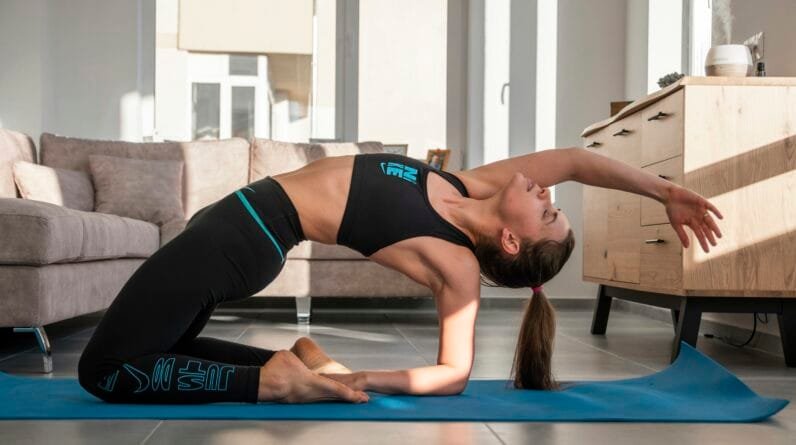
12. Gentle Yoga
Purpose: Use mindful movement to connect breath and bodily awareness while fostering flexibility and calm. Instructions: I combine slow poses with attention to breathing and sensations, keeping movement soft and noncompetitive. Sessions of 10–30 minutes are accessible and particularly helpful for those who prefer embodied practices.
13. Qigong Basics
Purpose: Combine subtle movement and breath to cultivate mindful presence and energetic balance. Instructions: I perform simple, repetitive Qigong sequences with slow coordinated breath, scanning for sensations and rhythm. A 10–20 minute routine can be practiced standing and adapted for groups of varied abilities.
14. Loving-Kindness (Metta) Meditation
Purpose: Cultivate compassion, goodwill, and emotional resilience. Instructions: I silently repeat phrases such as “May I be safe, may I be healthy, may I be at ease” and then extend similar wishes to others—loved ones, neutral people, and even difficult people. Practicing 10–20 minutes can increase positive affect and reduce social stress.
15. Breath Counting
Purpose: Improve attentional stability by counting breath cycles. Instructions: I count “one” on the first exhale, “two” on the second, up to five, then return to one when a mind-wandering episode occurs. Ten minutes of breath counting can sharpen concentration and reveal habitual thought patterns.
16. Noting/Labeling Practice
Purpose: Create cognitive distance from mental events by briefly labeling them. Instructions: I gently name experiences as “thinking,” “planning,” “judging,” “feeling,” or “sensing” and then return to my anchor (breath or body). Short labeling practices (5–15 minutes) reduce reactivity and create space for choice.
17. Mindful Eating
Purpose: Increase awareness of habitual eating patterns and sensory experience of food. Instructions: I eat a small portion slowly, noticing textures, flavors, aromas, and bodily responses to hunger and fullness. A 10–20 minute mindful meal or snack can transform relationships with food and habits.
18. S.T.O.P. Practice (Stop, Take a breath, Observe, Proceed)
Purpose: Provide a compact tool to interrupt automatic reactions and make present choices. Instructions: I Stop what I’m doing, Take a breath, Observe my body and thoughts, and then Proceed with an intention. This practice often takes under five minutes and is perfect for real-world application.
19. Urge Surfing
Purpose: Manage cravings, impulses, and strong emotions by observing their dynamic nature. Instructions: I notice the buildup of an urge, map its sensations, and sense how it peaks and subsides without acting on it. Practicing for 5–15 minutes helps me tolerate urges and build long-term control.
20. Progressive Muscle Relaxation with Mindfulness
Purpose: Combine muscle relaxation with mindful awareness to reduce tension and increase interoceptive clarity. Instructions: I systematically tense and release muscle groups while aligning attention with sensations of release and relaxation. A 10–20 minute sequence calms the nervous system and highlights bodily signals.
21. Mindful Journaling
Purpose: Integrate reflection and practice by writing with present-moment noticing. Instructions: I spend 10–30 minutes writing about sensations, emotions, and reactions after a practice—or I free-write with awareness of breath and bodily posture. Journaling helps consolidate learning and provides feedback for future sessions.

Sample session flow for a 2-hour group (adapted from Fleming & Kocovski)
I often structure a 2-hour weekly session to balance experience, discussion, and practice planning. Here is a practical template you can use or modify.
- Welcome and brief check-in (10 minutes): Members share present-moment state in one or two sentences.
- Short mindfulness exercise (10–15 minutes): Choose Raisin Exercise, guided breathing, or body scan.
- Reflection and group sharing (20–30 minutes): Discuss experiences, challenges, and insights.
- Psychoeducation/skill teaching (20–25 minutes): Explain the rationale for a practice such as acceptance or noting.
- Longer practice (20–30 minutes): Body scan, mindful movement, or loving-kindness.
- Planning and homework (10–15 minutes): Assign a daily micro-practice and provide resources.
- Closing (5 minutes): A brief guided grounding or intention-setting.
I find this structure balances experience with processing and ensures consistent home practice between sessions.
Adaptations for different groups and settings
I adapt exercises depending on participant needs, mobility, cultural background, and session length. For example, seniors or people with mobility limitations may prefer chair-based movement and shorter breath practices. Clinical groups might emphasize acceptance and urge surfing, whereas workplace groups may focus on short grounding tools like S.T.O.P.
Group size, pacing, and safety notes
I recommend groups of 6–10 for interactive work and adequate sharing time. I always brief participants on potential emotional reactions and encourage them to take breaks or stop if they feel overwhelmed. Facilitators should have clear signposting for how to support participants who experience intense emotions.
Facilitation tips and prompts I use
I rely on practical facilitation habits to create a safe and effective practice environment. Here are tips I use consistently:
- Begin with clear instructions and expected practice length to reduce anxiety.
- Normalize wandering attention and reframe it as part of the practice.
- Use permissive language: “You might notice…” rather than “You should…”.
- Provide multiple entry points: offer both guided and unguided options.
- Check in on physical comfort and allow posture adjustments.
- Encourage daily micro-practices (1–10 minutes) rather than pushing extended sessions early on.
- Use worksheets, guided scripts, and audio recordings to standardize takeaways.
I also emphasize confidentiality and respectful listening to build group trust and cohesion.

Measuring progress and sustaining practice
I encourage people to use simple measures to track their mindfulness and resilience gains over time. I recommend weekly logs, short self-report scales (stress levels, sleep quality, mood), and noting specific situations in which they used a mindfulness skill successfully.
Practical homework ideas I assign
I ask participants to pick one micro-practice for daily use—often 5–10 minutes of breath awareness or one mindful activity (e.g., mindful eating at breakfast). I also suggest keeping a short two-line journal entry after practice to record what they noticed and one application during the week.
When to seek guidance or professional support
I believe that while many people benefit from group programs and self-practice, some situations require professional support. If a practice brings up intense, prolonged distress, trauma memories, or functional impairment, I advise seeking a trained therapist or clinician who integrates trauma-informed mindfulness.
Trauma-informed adaptations I recommend
I emphasize offering choice (eyes open/closed, sitting/standing), avoiding prolonged body scans if they trigger dissociation, and using shorter grounding practices. I find it essential to pair mindfulness with stabilizing strategies and clinical care when working with trauma survivors.
Resources and tools I recommend
I often provide participants with a combination of worksheets, guided scripts, and recorded audio to support practice at home. The original article that inspired this guide highlights free tools, Positive Psychology worksheets, and guided scripts; I encourage you to use such resources to maintain consistency.
Suggested resource types:
- Short guided audio recordings for body scan and breath awareness (5–20 minutes).
- Printable worksheets for S.T.O.P., 5-4-3-2-1 grounding, and acceptance/rating scales.
- Structured group facilitator guides that include session scripts and debrief prompts.
- Journaling templates to capture practice reflections and action plans.
I recommend checking reputable mindfulness centers, university programs, and Positive Psychology sites for downloadable tools and scripts.
Common barriers and how I help people overcome them
I see several recurring obstacles in practice: difficulty staying motivated, discomfort with silence, unrealistic expectations of immediate results, and physical restlessness. I use these strategies:
- Normalize small gains and encourage micro-practices rather than long sessions early on.
- Offer movement-based practices (walking, yoga, Qigong) for those uncomfortable with sitting.
- Use clear rationales to set expectations that benefits accrue over consistent practice.
- Encourage buddy systems or accountability partners to boost adherence.
Tips for integrating mindfulness into daily life
I advise building mindfulness into routine activities so it becomes sustainable. Simple ways I integrate practice include mindful toothbrushing, two-minute breath checks before meetings, eating one meal mindfully per day, and practicing S.T.O.P. before bedtime.
Short prompts and cues I use
I recommend pairing mindfulness with existing habits—doorways, phone notifications, or daily landmarks—to prompt a brief practice. I also use physical reminders like a bracelet or a small object placed where I’ll see it multiple times daily.
Ethical and cultural considerations I practice
I respect that mindfulness traditions come from diverse lineages and that secular adaptations should be culturally sensitive. I always frame practices in ways that align with participants’ values and avoid religious language unless requested. Consent, privacy, and respect for individual differences are core to my approach.
Case example: How a 12-week group changed outcomes
I once facilitated a 12-week group modeled after Fleming & Kocovski with eight members and found measurable improvements in stress management and emotional regulation. Participants reported greater present-moment awareness, more effective coping strategies, and increased support from group sharing—outcomes consistent with evidence supporting group-based mindfulness work.
Typical session highlights I observed
I noticed early sessions often focused on curiosity and novelty; mid-program sessions shifted toward deeper acceptance practices like urge surfing and loving-kindness; later sessions emphasized skill transfer to daily life and relapse prevention. This progression supported sustained behavioral change and resilience.
Frequently asked questions I receive
I often answer similar concerns when introducing mindfulness. Here are concise responses.
- How long before I notice benefits? I suggest consistent daily practice for several weeks; many people report early shifts in reactivity within a few weeks, with deeper changes over months.
- Is group mindfulness safe for everyone? Generally yes, but adaptations and clinical support may be needed for people with trauma histories or severe mental health conditions.
- How often should I practice? I recommend daily micro-practices (5–15 minutes) plus a longer weekly practice or group session if possible.
Final guidance and encouragement
I want you to know that mindfulness is a practical, evidence-based way to build present-moment awareness and resilience—if you approach it with curiosity, patience, and regular practice. If you’ve stopped practice before, consider returning with guidance, a short structured program, or a supportive group to help you re-establish momentum.
Practical next steps I suggest
If you’re ready to start or recommit, pick one simple practice from the list (S.T.O.P., 5–4-3-2-1, or 5–10 minutes of breath awareness) and do it daily for two weeks. Track brief notes about what changed, and consider joining a small group or using guided audio to increase accountability and learning.
If you’d like, I can help you design a personalized two-week micro-practice plan, a 12-week group session outline, or provide a set of guided script templates and worksheets tailored to your context. Just tell me which format you prefer, and I’ll create the next steps.