0 Reviews
?Has anyone wondered how a gentle practice could improve balance, flexibility, mood, and be accessible to every age group?
Tai chi gentle flowing meditation in motion that improves balance flexibility and is accessible for all ages
This article presents tai chi as a “meditation in motion” and compares it with other effective workouts that require no gym membership. It explains how tai chi supports balance, mobility, and mental clarity, and places tai chi alongside swimming, walking, strength training, Kegel exercises, and everyday activities. The content is practical and friendly, written for readers who want to understand benefits, techniques, safety, and ways to integrate these activities into daily life.
What tai chi is and why it is called “meditation in motion”
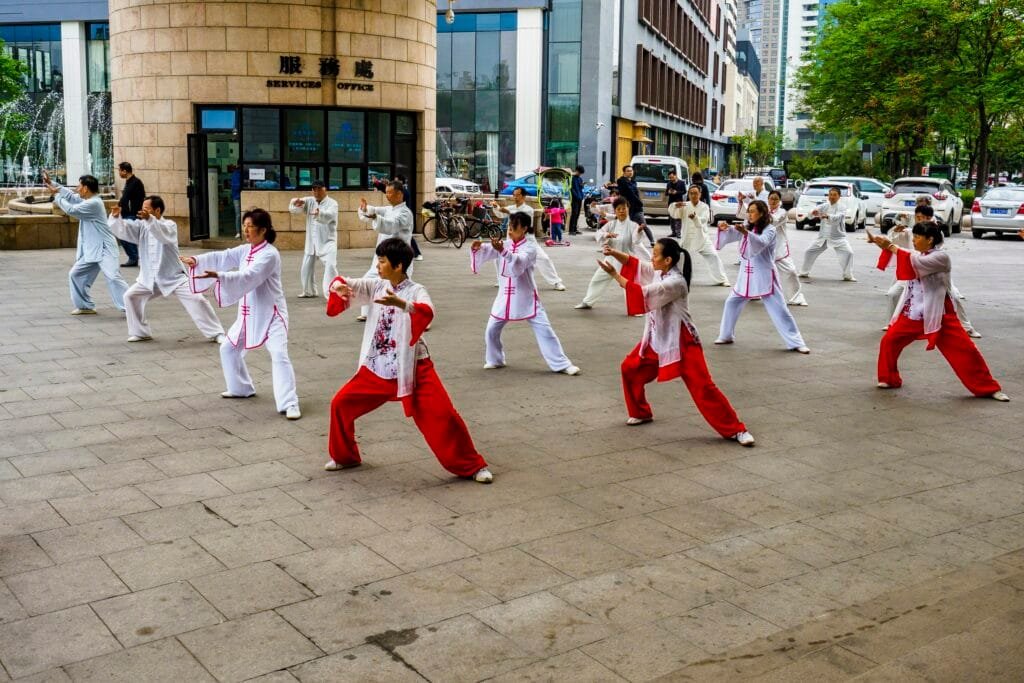
Tai chi is a Chinese martial art adapted over centuries into a slow, mindful movement practice that combines balance, breathing, and gentle stretching. Many practitioners call it “meditation in motion” because it cultivates mental calmness and present-moment awareness while the body moves continuously and smoothly.
How tai chi differs from other exercises
Unlike high-intensity workouts, tai chi emphasizes controlled, low-impact movements performed in sequence. It blends physical conditioning with breath coordination and mental focus, which benefits balance, joint mobility, and stress reduction simultaneously rather than isolating one single outcome.
Core benefits of tai chi
Tai chi contributes to balance, flexibility, strength, posture, and stress management through slow, coordinated movement.
- Balance: The shifting weight and sequential footwork strengthen the neuromuscular connections that prevent falls.
- Flexibility: Continuous range-of-motion movements gently stretch soft tissues and improve joint mobility.
- Strength: Low-impact weight transfer and sustained postures engage legs, core, and stabilizing muscles.
- Mental health: Focused attention on movement and breath reduces anxiety and supports mood regulation.
- Accessibility: Low-impact nature makes it suitable for older adults, those recovering from injury, and beginners.
How tai chi improves balance and reduces fall risk
The practice incorporates weight shifts, controlled transfers, and single-leg stances that train the vestibular and proprioceptive systems. Over time, individuals develop better posture awareness, stronger ankle and hip stabilizers, and faster reflexes to recover from trips or slips. Research indicates tai chi reduces fall incidence among older adults when practiced consistently.
Mechanisms behind improved balance
Tai chi improves balance through three primary mechanisms:
- Strengthening lower-limb and core muscles that stabilize the body.
- Enhancing proprioception by repeatedly practicing controlled weight transfers.
- Training reaction timing via slow transitions and emphasis on control rather than speed.
Flexibility and joint health benefits
The gentle, flowing movements encourage full joint range of motion without aggressive stretching. Tendons and ligaments receive consistent low-load stimulation, which supports joint lubrication and mobility. For individuals with mild osteoarthritis, tai chi provides a safe way to increase range of motion while minimizing joint stress.
Who can practice tai chi?
Tai chi is widely accessible:
- Older adults seeking fall prevention and gentle activity.
- People with joint pain or arthritis who require low-impact movement.
- Office workers and caregivers who want stress reduction and mobility improvements.
- Athletes who want to improve balance, coordination, and recovery.
Individuals with specific health issues or recent injuries should consult a clinician before starting, especially when experiencing uncontrolled pain, dizziness, or cardiovascular instability.

Core principles of tai chi practice
Tai chi rests on a few guiding principles that make the practice effective and safe:
- Slow, continuous movement: Emphasizes control, reducing impact and risk of injury.
- Centralized relaxation: Minimal muscle tension allows smoother transitions and better balance.
- Weight transfer and rooting: Comfortably shifting center of gravity improves stability.
- Mindful breathing: Synchronizing breath with movement enhances relaxation and focus.
Each principle supports a different physiological benefit, and together they create the “meditation in motion” effect.
Basic tai chi warm-up routine
A short warm-up prepares the body and mind for tai chi practice. The warm-up includes gentle joint rotations, ankle mobility work, shoulder circles, and light marching in place. Spending 5–10 minutes on these activities reduces stiffness and prepares connective tissues for movement.
Example warm-up sequence (2–3 minutes each)
- Neck circles: Gentle rotations to release tension.
- Shoulder rolls: Forward and backward to loosen the upper body.
- Hip circles: Circular movements to mobilize the pelvis.
- Ankle circles and toe raises: Improve foot and ankle flexibility.
- Gentle squats or sit-to-stand reps: Activate legs and core for balance practice.
Basic tai chi movements and short sequences
A beginner-friendly tai chi routine focuses on a few repeating movements such as shifting weight, stepping, and coordinating arms with trunk rotation. Here are simple elements that form a basic sequence:
Common beginner movements
- Commencing form: A slow, mindful start that centers breathing and posture.
- Shift and step: Transfer weight to one leg while stepping with the other, keeping movement smooth.
- Wave hands like clouds: Gentle hand and torso rotation that trains coordination.
- Parting the wild horse’s mane: A flowing arm sweep paired with a step.
- Brush knee and twist step: Turn and shift weight to simulate reactive balance.
- Closing form: Slow ending posture that restores breathing and focus.
A typical short practice includes three to eight of these movements repeated in sequence for 10–20 minutes.
Breathing and mindfulness
Tai chi uses diaphragmatic, gentle breathing synchronized with movement. Inhaling often occurs during expansion or lifting actions, while exhaling accompanies settling or rooting phases. This conscious breath pattern calms the nervous system and improves oxygenation while reinforcing movement rhythm.
Mental benefits of combining breath and movement
The combination of slow movement and rhythmical breathing reduces sympathetic nervous system activity (stress response) and increases parasympathetic tone (relaxation). This results in improved mood, reduced anxiety, and sharper attention.
Comparing tai chi with other effective workouts
Many effective workouts do not require a gym and offer overlapping benefits. Below is a practical comparison table to help readers decide which activities match their goals and limitations.
| Exercise | Primary benefits | Intensity | Accessibility | Notes |
|---|---|---|---|---|
| Tai chi | Balance, flexibility, stress reduction, low-impact strength | Low | Very high (all ages, many conditions) | Excellent for fall prevention and mobility |
| Swimming / water aerobics | Joint-friendly cardio, mood, muscle tone | Low–Moderate | High (requires pool access) | Buoyancy reduces joint strain; water resistance builds strength |
| Walking | Cardiovascular health, mood, bone health | Low–Moderate | Very high | Can be done anywhere; start short and increase time |
| Strength training | Muscle preservation, bone density, metabolic rate | Moderate–High (variable) | High (bodyweight or light weights at home) | Focus on form; progressive overload supports long-term health |
| Kegel exercises | Pelvic floor strength, incontinence prevention | Very low | Very high | Can be performed discreetly anywhere |
| Everyday activities | Functional fitness, calories burned | Low–Moderate | Universal | Gardening, dancing, playing with children count as activity |
This table clarifies how tai chi sits among other effective, accessible workouts and highlights complementary options to build a balanced routine.

Swimming and water-based exercise
Swimming and water aerobics provide cardiovascular benefits with minimal joint impact because buoyancy reduces loading. These activities are particularly beneficial for individuals with arthritis, joint pain, or mobility restrictions. Water resistance still offers muscle toning and calorie expenditure.
Benefits specific to water exercise
- Reduced joint compression and pain during movement.
- Improved mood from aerobic exercise combined with relaxing water environment.
- Ability to combine intervals of strenuous effort with recovery, making workouts adaptable.
Strength training for long-term health
Strength training preserves and builds muscle mass, which supports metabolic health, bone density, and functional independence. For aging adults, maintaining muscle is essential to preserve mobility, reduce fall risk, and support daily activities.
Principles for safe strength training
- Start light and prioritize proper form rather than heavy loads.
- Aim for 8–12 repetitions per set for most muscle groups; choose a weight that makes the last few reps challenging.
- When a set of 10–12 reps becomes easy (more than 12 reps possible), increase weight slightly to continue progression.
- Include two non-consecutive resistance sessions weekly to complement aerobic activities.
Including compound movements that work multiple muscles at once (e.g., squats, push-ups, rows) increases functional strength.
Walking: simple and powerful
Walking is an accessible, low-impact aerobic activity that promotes weight control, cardiovascular health, bone strength, and mood. It also supports cognitive function through increased blood flow and opportunities for social interaction or mindful movement.
How to build a walking habit
- Begin with 10–15 minutes per session and build gradually toward 30–60 minutes on most days.
- Use a brisk pace that elevates heart rate but still allows conversation.
- Add intervals, hills, or longer routes to increase intensity and variety.
Walking pairs well with tai chi: shorter walks can serve as warm-ups or cool-downs around a tai chi session.
Kegel exercises for pelvic floor health
Kegel exercises strengthen pelvic floor muscles to prevent or reduce urinary and fecal incontinence and support pelvic organ function. They are useful for both women and men, especially after childbirth, prostate surgery, or with age-related pelvic floor weakening.
How to perform Kegel exercises
- Identify pelvic floor muscles by imagining stopping the flow of urine or preventing passing gas.
- Squeeze these muscles, hold the contraction for 2–3 seconds, then relax for 2–3 seconds.
- Repeat 10 times per set; aim for 4–5 sets per day.
- Avoid squeezing glutes or using breath-holding; keep abdominal and leg muscles relaxed.
Progress can be measured by longer holds (up to 10 seconds) and increased repetitions as strength improves.
Everyday activities count as exercise
Activities such as yard work, dancing, playing with children, housekeeping, and walking the dog contribute to daily physical activity. These functional movements support cardiovascular health, flexibility, and strength when performed regularly.
Recommendations for weekly activity targets
The practical goal is roughly 30 minutes of moderate aerobic activity on most days plus two sessions of strength training per week. Individuals can accumulate activity across the day in shorter bouts if necessary.
How to combine tai chi with other workouts
Tai chi pairs effectively with swimming, walking, and strength training. A combined approach leverages different physiological benefits:
- Use tai chi for balance and gentle mobility training, ideally 3–5 times per week.
- Add 2 days of strength training for muscle and bone health.
- Include 150 minutes per week of moderate aerobic activity (walking or swimming), or an equivalent.
- Practice Kegel exercises daily as a discrete pelvic floor regimen.
Example weekly plan (beginner/intermediate)
| Day | Activity | Duration |
|---|---|---|
| Monday | Tai chi + brisk walk | 30–45 min tai chi (or 20 min tai chi + 20 min walk) |
| Tuesday | Strength training (full body) | 30–40 min |
| Wednesday | Swimming or brisk walking | 30–45 min |
| Thursday | Tai chi + Kegels | 30–40 min tai chi; Kegels throughout day |
| Friday | Strength training (full body) | 30–40 min |
| Saturday | Longer walk or water aerobics | 45–60 min |
| Sunday | Gentle tai chi and recovery activities | 20–30 min tai chi; light stretching |
This plan is adjustable to fitness level and time constraints but models a sustainable, balanced schedule.
Learning proper form and finding instruction
Proper form is critical in tai chi and strength training. Beginners can learn from certified tai chi instructors, community centers, senior centers, or reputable online classes. For strength training, a session with a certified trainer helps ensure safe technique and tailored progressions.
Tips for choosing instruction
- Prefer instructors with credentials or long teaching experience.
- For older adults, seek programs specifically designed for fall prevention or arthritis.
- For online instruction, choose providers with clear demonstrations, progressive lessons, and safety cues.
If health concerns exist (e.g., uncontrolled hypertension, recent surgery, stroke history), consult a clinician before starting new exercise regimens.
Progression and setting goals
Progress in tai chi and other low-impact activities is measured by increased session duration, improved stability during single-leg stances, greater range of motion, and enhanced ability to maintain attention and breath coordination. For strength training, track increases in resistance, repetitions, or improved form.
Setting realistic, measurable goals
- Short-term: Attend tai chi class twice weekly for 4 weeks; hold single-leg stance for 10 seconds with minimal sway.
- Mid-term: Perform a full 20–30 minute tai chi routine comfortably; increase walking time to 30 minutes daily.
- Long-term: Reduce fall risk, improve baseline mobility, and maintain independent daily function.
Using simple metrics—minutes practiced, number of repetitions, or distance walked—helps quantify progress.
Safety considerations and when to consult a clinician
Tai chi is low-risk but requires caution for certain conditions:
- Consult a clinician before starting if there is recent surgery, unstable cardiac conditions, uncontrolled hypertension, significant dizziness, or severe joint instability.
- Modify movements when pain flares; emphasis should be on controlled, comfortable motion rather than force.
- Use stable supports (chairs, rails) when beginning balance practice if fear of falling exists.
Instructors should be informed of major health issues so they can offer appropriate adaptations.
Equipment, clothing, and environment
Tai chi requires minimal gear. Comfortable clothing that allows free movement and flat-soled shoes or bare feet is acceptable. Use a stable, non-slip surface with enough clear space to take multiple steps. A chair can be nearby for balance support if needed.
Optional items
- Light ankle weights or resistance bands for progressive strengthening (added under professional guidance).
- A small cushion or folded towel for knee comfort during any floor-based movements.
- Water bottle for hydration.
How tai chi supports mental health and cognitive function
The mindful, rhythmic nature of tai chi supports attentional control and reduces stress hormones. Regular practice correlates with improvements in mood and has been associated in some studies with better cognitive performance, likely due to increased blood flow, stress reduction, and coordinated movement planning.
Practical mental benefits
- Improved sleep quality through relaxation.
- Reduced anxiety and depressive symptoms via slow movement and breath control.
- Enhanced focus and working memory when practiced routinely.
Measuring improvements in balance and flexibility
Simple assessments help track improvement:
- Timed Up and Go (TUG) test: Stand from a chair, walk 3 meters, return and sit; reduced time indicates improved mobility.
- One-leg stand: Increased duration indicates better static balance.
- Sit-and-reach or reach-forward test: Improvements reflect greater flexibility.
Perform these tests at baseline and then every 4–8 weeks to monitor change.
Common questions beginners ask
- How long until benefits appear? Some balance and mood improvements can be noticed within weeks; measurable strength and flexibility changes often require months of regular practice.
- Can tai chi replace strength training? Tai chi contributes to functional strength but may not provide the same hypertrophic stimulus as resistance training; combining both is optimal.
- Is tai chi safe for arthritis? Yes; because of low-impact, controlled motion, tai chi is widely recommended for individuals with mild-to-moderate joint pain, but clinical guidance is advised for severe disease.
Maintaining motivation and habit formation
Consistency is more important than intensity for long-term benefits. Strategies that help adherence include:
- Scheduling sessions at consistent times.
- Practicing with a class or friend for accountability and social connection.
- Recording sessions in a simple log to visualize progress.
- Mixing sessions: combine tai chi with walking or light strength work to prevent monotony.
Sample beginner tai chi session (20–30 minutes)
- Warm-up: 5–7 minutes of joint mobilization and gentle marching.
- Core routine: 12–18 minutes of basic movements (commencing form, step and shift, wave hands like clouds, brush knee).
- Cool-down: 3–5 minutes of standing breathing and gentle stretches.
Encourage gradual increases in time and range of motion as comfort permits.
Practical tips for combining activities in a busy life
Short bouts add up. Individuals can integrate tai chi pockets: 10 minutes of morning tai chi, a 15-minute walk at lunchtime, and Kegels during routine daily tasks. Weekend longer sessions can allow one to expand practice time and include strength training.
Conclusion and final recommendations
Tai chi offers a gentle, accessible pathway to improved balance, flexibility, and mental calm. It complements other gym-free activities such as walking, swimming, and home strength training. For most individuals, a balanced program that includes tai chi several times weekly, two strength sessions, daily pelvic-floor work, and regular aerobic activity provides comprehensive benefits for physical health, mood, and independence. Before beginning new exercise routines, individuals with significant health concerns should consult a clinician and seek instruction focused on safety and proper form.
Quick safety checklist before practicing
- Clear a safe, non-slip space for movement.
- Wear comfortable, flat shoes or practice barefoot on stable ground.
- Keep a chair nearby if balance is uncertain.
- Start slow and prioritize control over depth or speed.
- Seek professional guidance if major health conditions exist.
This friendly, practical approach helps individuals of diverse ages and abilities gain the physical and mental benefits of tai chi and related activities while minimizing risk and maximizing enjoyment.