Best Foods for Relieving Stress Naturally and Supporting Calm
Stress affects more than mood. It can change appetite, digestion, sleep quality, energy levels, concentration, and cravings. That is one reason the best foods for relieving stress naturally are usually the ones that support steady blood sugar, healthy digestion, balanced energy, and calmer nervous system function rather than highly processed foods that create quick spikes and crashes.
When stress is high, many people reach for foods that are convenient, salty, sugary, or comforting. That response is understandable, but it often leads to a cycle of temporary relief followed by lower energy, more cravings, and less stable mood. A more helpful strategy is to build meals and snacks around nutrients that support calm, fullness, and overall resilience.
This does not mean food will erase stress on its own. It means your eating patterns can either make stress harder to manage or support your body while you handle it. For a broader lifestyle approach, this topic also works well alongside our stress-free sleep habits for deeper rest.
What Makes a Food Helpful for Stress Relief?
The most helpful foods that reduce stress naturally usually do one or more of the following:
- provide steady energy through fiber and complex carbohydrates
- support neurotransmitter production with protein and key micronutrients
- reduce large blood sugar swings that can worsen irritability and fatigue
- support the gut, which strongly influences mood and stress response
- contain nutrients linked to nervous system regulation, such as magnesium, potassium, omega-3 fats, and B vitamins
That is why stress-supportive eating is usually less about a single miracle food and more about combinations that work together. A balanced snack or meal often matters more than one isolated ingredient.
Best Foods for Relieving Stress Naturally and Supporting Calm
Below are some of the most practical, useful, and realistic foods to include when your goal is calmer energy, better appetite control, and less reactive eating.
1. Avocado
Avocado is one of the most practical foods for stress-supportive eating because it provides healthy fats, fiber, and a satisfying texture that helps meals feel more substantial. It pairs especially well with whole grains and protein, which is why avocado toast remains a useful functional option when portioned well.
Because avocado is calorie-dense, a sensible portion is usually about one-quarter to one-half of a medium avocado per snack or light meal. That gives you the satiety benefits without unintentionally turning a snack into a large meal.
2. Hummus and Chickpeas
Hummus is a smart choice because it combines chickpeas, tahini, lemon, and olive oil into a snack that offers fiber, plant protein, and satisfying fat. Chickpeas also provide slow-digesting carbohydrates, which can help support steadier energy.
Paired with crunchy vegetables, hummus becomes one of the best stress-relieving snacks because it gives volume, texture, and nutrition without leaning heavily on sugar or refined flour. Keep portions moderate, around 2 tablespoons per serving, and build the rest of the snack with vegetables or a few whole-grain crackers.
3. Greek Yogurt and Plain Yogurt
Yogurt is especially helpful because it combines protein with probiotics, making it useful for both fullness and gut support. Since the gut and brain are closely connected, foods that support digestive health can also support overall emotional balance.
Plain Greek yogurt is especially practical because it is higher in protein and easy to sweeten naturally with fruit, cinnamon, or a small amount of honey. It works well as both a sweet snack base and a savory ingredient in dips or dressings.
4. Berries and Citrus Fruits
Fruit can be part of a very calming eating pattern when it is paired wisely. Berries offer fiber and antioxidants, while citrus fruits add hydration, vitamin C, and refreshing flavor. On their own, fruit may not always keep you full for long, but combined with protein or fat, it becomes much more effective.
Try berries with yogurt, an orange with a handful of nuts, or grapefruit alongside a balanced breakfast. These combinations help transform fruit from a quick nibble into a more stable source of energy.
5. Oats
Oats are one of the best foods for relieving stress naturally because they provide slow-digesting carbohydrates and fiber, especially beta-glucan. This can help reduce sharp energy dips and create a steadier feeling through the morning or afternoon.
Snack-sized overnight oats are especially practical because they can be prepared ahead of time and customized with chia, cinnamon, fruit, yogurt, or nut butter. They are simple, affordable, and filling.
6. Eggs
Eggs are a useful stress-supportive food because they provide high-quality protein and help build more balanced meals and snacks. Protein matters because it improves satiety and helps prevent the quick hunger rebound that can happen after carb-heavy snacks.
Hard-boiled eggs are particularly valuable because they are portable, inexpensive, and easy to pair with fruit, toast, or vegetables for a more complete snack.
7. Nuts and Seeds
Almonds, walnuts, pumpkin seeds, sunflower seeds, and chia seeds are nutrient-dense foods that can support fullness, healthy fat intake, and overall diet quality. They are especially useful in small amounts because they make snacks more satisfying.
Because they are calorie-dense, portioning matters. A small handful of nuts or 1 tablespoon of seeds is usually enough to add value without making the snack too heavy.
8. Dark Chocolate
Dark chocolate can fit into a stress-supportive eating pattern when used with intention. A few squares of dark chocolate may help satisfy cravings and feel more calming than trying to fight the craving entirely and ending up overeating later.
The key is keeping the portion modest. Around 20 grams, or two to three small squares, is usually enough to feel satisfying without becoming an energy-dense dessert.
9. Leafy Greens and Colorful Vegetables
Vegetables do not always get framed as stress foods, but they should. Leafy greens, peppers, tomatoes, carrots, and cruciferous vegetables all contribute vitamins, minerals, antioxidants, and fiber that support overall resilience and recovery.
They are especially useful when paired with dips, protein, or healthy fats so that they become something you genuinely want to eat instead of something you feel you should eat.
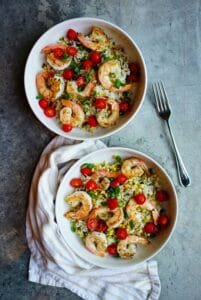
Savory Functional Snack Ideas That Support Calm and Satiety
If you prefer savory foods over sweet snacks, these combinations work especially well. They are practical, filling, and easier to repeat consistently than highly processed convenience snacks.
Avocado, Tomato, and Mozzarella Toast with Microgreens
This is one of the strongest functional snack options because it combines whole grains, healthy fats, vegetables, and a small amount of protein in a single satisfying serving.
How to make it:
- Toast 1 slice of whole-grain bread.
- Mash 1/4 avocado with a little lemon juice.
- Add sliced tomato, about 30 grams of mozzarella, and a handful of microgreens.
- Season with black pepper or chili flakes.
Estimated calories: about 250 to 300 kcal.
Why it works: it offers steady energy, better fullness than plain toast, and more nutritional value than many packaged snacks.
Mini Hummus Tray with Raw Vegetables
This is one of the easiest options to prepare ahead. It travels well, feels fresh, and helps prevent the habit of reaching for salty processed snacks in the afternoon.
Build it with:
- 2 tablespoons hummus
- cucumber slices
- carrot sticks
- bell pepper strips
- cherry tomatoes
Estimated calories: about 150 to 200 kcal depending on additions.
Why it works: the hummus adds protein and fat, while the vegetables add volume and crunch without heaviness.
Hard-Boiled Eggs with Whole-Grain Toast
This option is especially useful when you need something simple but more filling than fruit or crackers alone.
Suggested serving:
- 1 to 2 hard-boiled eggs
- 1 small slice of whole-grain toast
- optional sliced tomato or a little avocado
Estimated calories: about 180 to 260 kcal depending on the portion.
Why it works: it gives protein, structure, and better staying power than a carb-only snack.
Baked Cauliflower Bites
These are ideal when you want something warm, savory, and satisfying without turning to fried snack foods.
How to make them:
- Toss cauliflower florets with olive oil, garlic powder, and smoked paprika.
- Roast until golden and tender.
- Serve with a spoonful of yogurt dip or hummus.
Estimated calories: about 150 to 220 kcal per cup with light oil.
Homemade Baked Chips
Sweet potato chips, apple chips, and kale chips can all work as stress-supportive alternatives to packaged chips when you want crunch without excessive oil and sodium.
They are best paired with something containing protein or fat, such as hummus, yogurt dip, or a few nuts, so they feel more satisfying and balanced.
Sweet Snack Ideas That Support Calm Without Sugar Overload
Sweet cravings are normal, especially when stress is high. The goal is not to eliminate sweet foods completely. It is to create sweet snacks that are more satisfying and less likely to trigger a rapid crash.
Healthy Banana Split with Yogurt and Cacao Nibs
This option feels fun and dessert-like while still being nutritionally balanced.
How to make it:
- Use 1 small banana, sliced lengthwise.
- Add 1/2 cup plain Greek yogurt.
- Top with 1 teaspoon honey and 1 teaspoon cacao nibs or dark chocolate shavings.
Estimated calories: about 200 to 280 kcal.
Why it works: the banana provides carbohydrates and potassium, while yogurt adds protein and the toppings add satisfaction.
Homemade Yogurt Cup with Fruit
This is one of the easiest sweet snacks to prepare ahead of time.
Suggested serving:
- 3/4 cup plain yogurt
- 1/2 cup berries or diced fruit
- 1 tablespoon flaxseed or chopped nuts
Estimated calories: about 150 to 220 kcal.
Why it works: it combines protein, probiotics, antioxidants, and fiber in a very practical format.

Snack-Sized Overnight Oats with Chia
Overnight oats are useful when you need something more substantial that still feels easy to eat.
Basic version:
- 1/4 cup rolled oats
- 1 tablespoon chia
- 1/2 cup milk or yogurt
- a little fruit and cinnamon
Estimated calories: about 200 to 280 kcal.
Why it works: it is rich in fiber and gives steadier energy than many sweet packaged snacks.
Grab-and-Go Options for Busy Days
Sometimes the best stress-supportive food is the one you actually have with you. These are especially helpful for busy workdays, commuting, travel, or preventing impulsive vending-machine choices.
Trail Mix
Use a small portion of unsalted nuts, seeds, a little dried fruit, and a few dark chocolate pieces.
Best portion: about 1/4 cup.
Estimated calories: about 150 to 220 kcal.
Pre-portioning matters here. Trail mix is healthy, but it is very easy to overeat if taken straight from a large bag.
Air-Popped Popcorn
Popcorn is one of the most useful high-volume snacks when you want something light and crunchy.
Serving: 3 to 4 cups air-popped.
Estimated calories: about 90 to 150 kcal depending on seasoning.
Season with nutritional yeast, cinnamon, or a very light spray of olive oil instead of heavy butter.
Citrus Fruit
Oranges, clementines, and grapefruit are easy to carry, refreshing, and hydrating. They work especially well when paired with a protein or fat source like nuts or yogurt.
Dark Chocolate
A few squares of dark chocolate can be a useful “bridge” snack or a better ending to a balanced snack than a larger sugary dessert. Keep the portion intentional and enjoy it slowly.
Partial Match H2: Foods for Relieving Stress and Keeping Blood Sugar Stable
One reason these foods help is that they reduce the rollercoaster effect that comes from highly refined snack foods. When a snack is mostly sugar or refined starch, energy can rise quickly and then fall just as quickly. That can worsen irritability, mental fog, and cravings.
Stress-supportive foods usually include at least two of the following:
- protein
- fiber
- healthy fats
- whole-food carbohydrates
Good combinations include yogurt and fruit, hummus and vegetables, toast with avocado and egg, or oats with chia and nuts. These are more likely to support calm and steady energy than grabbing a pastry or a sugary snack bar alone.
Related Variations H2: Simple Stress-Relief Snack Rules That Actually Work
If you want a practical system rather than memorizing individual foods, use these simple rules:
- Keep snacks around 150 to 300 calories depending on your needs.
- Try not to snack mindlessly from large packages.
- Combine at least two food groups.
- Use minimally processed foods when possible.
- Prep a few options ahead so the healthier choice is easier.
These habits matter just as much as the foods themselves. A healthy snack still becomes less helpful if it turns into constant grazing or oversized portions.
Related Variations H2: Best Calm-Supporting Foods for Different Needs
For Afternoon Energy Crashes
Choose a snack with protein and fiber, such as Greek yogurt with berries or hummus with vegetables and a few crackers.
For Sweet Cravings
Try a banana split with yogurt, a homemade yogurt cup, or a few squares of dark chocolate with nuts.
For Post-Workout Recovery
Use something with protein and carbohydrates, such as overnight oats, toast with egg, or yogurt with fruit.
For Stress-Triggered Snacking
Use something portioned, structured, and satisfying rather than grazing from a package. Examples include a mini hummus tray, a pre-portioned trail mix bag, or avocado toast.
How to Build a Stress-Supportive Snack Routine
Good snacking becomes much easier when it is slightly planned. You do not need a complex prep routine. A few repeatable habits usually work best.
Prep 2 to 3 Core Snacks Weekly
Choose a few options and keep them ready. For example:
- hard-boiled eggs in the fridge
- cut vegetables with hummus
- plain yogurt with berries
- portion bags of trail mix
- overnight oats in jars
Keep Portions Visible and Easy
Use small containers, snack jars, or portion bags. This helps prevent healthy foods from becoming easy-to-overeat foods.
Notice Your Stress Triggers
Some snacking comes from real hunger. Some comes from fatigue, boredom, or emotional overload. Both deserve attention, but they may need different responses. Sometimes the right move is food. Sometimes it is water, a short walk, or a 5-minute mental reset.
Frequently Asked Questions About the Best Foods for Relieving Stress Naturally
What are the best foods for relieving stress naturally?
The best foods for relieving stress naturally are usually those that support steady energy and fullness, such as yogurt, oats, avocado, hummus, eggs, berries, nuts, seeds, citrus fruits, and dark chocolate in small portions. These foods work best when combined into balanced meals or snacks rather than eaten randomly.
Can food really help with stress and calm?
Food cannot eliminate stress on its own, but it can support a calmer and more stable body. Balanced foods can reduce energy crashes, improve satiety, support gut health, and make mood swings and cravings less intense. That makes stress easier to manage overall.
Are there good snacks for stress relief that are not sugary?
Yes. Great non-sugary stress-supportive snacks include hummus with vegetables, avocado toast, hard-boiled eggs, baked cauliflower bites, roasted chickpeas, and air-popped popcorn paired with a protein source. Savory snacks often work very well for fullness and blood sugar stability.
Is dark chocolate good for stress?
Dark chocolate can fit into a stress-supportive diet when eaten in small portions. It may help satisfy cravings and feels more satisfying than many sugary snacks. A portion of two to three small squares is usually enough to enjoy the benefits without turning it into overeating.
How can I snack without overeating when stressed?
Use portioned snacks, combine protein with fiber, and avoid eating straight from large packages. Pre-portion nuts, hummus, and trail mix, and try to sit down for snacks instead of eating distracted. Structured snacking is usually more calming and more satisfying than mindless grazing.
What foods should I limit if I want calmer energy?
It often helps to limit highly processed snacks that are rich in added sugar, refined flour, and excess sodium. These foods can create quick spikes and crashes that worsen fatigue, irritability, and cravings. Alcohol and too much caffeine can also make stress feel worse for some people.
Final Thoughts on the Best Foods for Relieving Stress Naturally and Supporting Calm
The best foods for relieving stress naturally are not exotic or complicated. They are usually simple, balanced, and repeatable: foods that help you feel steady, satisfied, and less reactive. Hummus, avocado toast, yogurt, oats, fruit, eggs, nuts, seeds, and dark chocolate all have a place when used with sensible portions and thoughtful combinations.
The biggest difference often comes from building a small routine around them. Keep a few stress-supportive snacks ready, pair foods more intentionally, and focus on nourishment instead of perfection. That is how food becomes one more tool that supports calm instead of working against it.