
0 Reviews
Body & Mind Online Daily Mindfulness – Simple Practices for Inner Calm
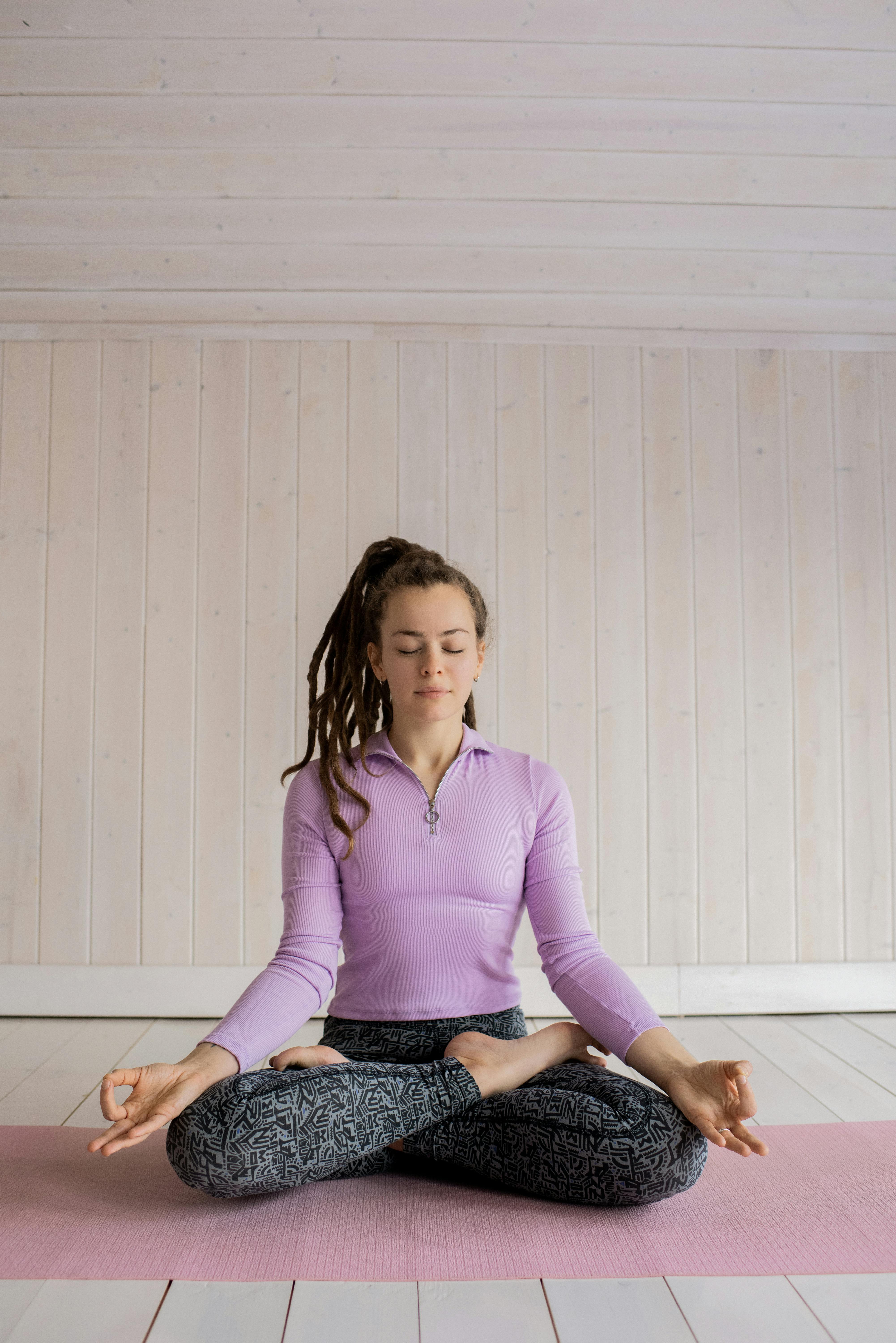
Body & Mind Online Daily Mindfulness. Mindfulness means paying non-judgmental attention to the present moment—your thoughts, feelings, and surroundings. It is a secular, evidence-based practice that helps you become more aware and less reactive.
This image is property of images.pexels.com.
What mindfulness is and why it matters
Mindfulness is the simple act of noticing what is happening inside and around you without trying to change it immediately. You observe thoughts, sensations, and emotions with curiosity rather than criticism.
When you practice mindfulness regularly, you build skills that reduce stress, increase emotional regulation, and support better sleep. Over time it rewires habitual reactions and creates more space for intentional responses.
Scientific support for mindfulness
A growing body of research shows mindfulness reduces anxiety and stress, improves attention, and supports sleep quality. Randomized controlled trials and meta-analyses link mindfulness programs to measurable improvements in mental and physical health markers.
You don’t need to believe in any spiritual viewpoint for mindfulness to work—its effects are demonstrable through changes in brain function, stress hormones, and subjective well-being.
Key benefits you can expect
You’ll likely notice a range of benefits when you practice consistently: reduced stress and anxiety, improved sleep, better focus and productivity, and a greater sense of overall well-being. These outcomes often emerge gradually and strengthen with continued practice.
Benefits are cumulative. Small, consistent sessions can produce meaningful improvements over weeks and months, not just in the moment.
Mindfulness and sleep: how they connect
Stress and a busy mind are frequent causes of poor sleep. Mindfulness helps you recognize and release the mental loops that keep you awake. Practices that reduce arousal and promote body relaxation can prepare you for more restorative sleep.
Even short evening routines—focused breathing, body scans, or guided sleep meditations—can shorten the time it takes you to fall asleep and improve sleep quality.
Mindfulness apps: convenience and support
Apps offer guided content, tracking, reminders, and community features that make mindfulness more accessible. They are especially helpful when you’re beginning or when you prefer structure and variety in your practice.
One well-known example is Calm. Calm provides a broad library of guided meditations, sleep stories, breathing exercises, and themed programs. It’s available for iOS and Android and has been used in research contexts.
Why you might choose an app like Calm
An app gives you daily structure, a range of session lengths, and options for different intentions—stress reduction, sleep, focus, or emotional balance. Research-backed content and user-friendly interfaces make it easier to stick with the habit.
Apps also offer reminders and streak-tracking that can motivate you to practice consistently, which is where real benefits emerge.
How to use Calm in short daily ways
You can integrate Calm into your day with small, practical routines:
- Morning: A short Daily Calm meditation to set your tone for the day.
- Midday: A 2–5 minute Breathe session to reset during work or transitions.
- Meals: Guided mindful eating to heighten appreciation and reduce rushed patterns.
- Evening: Sleep meditations or stories to help you wind down before bed.
These short practices make mindfulness doable even on busy days.
Daily Calm, Breathe, and Sleep in practice
Daily Calm is typically 10–20 minutes and offers a gentle series to start your day. Breathe features short breathing exercises for quick regulation. Sleep meditations and stories are designed to lower arousal and lull you toward sleep with calm narration and relaxing soundscapes.
Try different features to see which ones resonate with you. Use shorter sessions when time is tight and longer ones when you can.
Practical routine suggestions to form habit
Good habits start with realistic plans. Begin small, be consistent, and build gradually.
- Start with brief sessions: 3–5 minutes is fine at first.
- Choose a consistent time: mornings, lunch, or before bed helps anchor the practice.
- Use reminders: app notifications, calendar events, or physical notes can prompt you.
- Track progress: a simple habit tracker supports follow-through.
Consistency matters more than duration at first. You’ll gain momentum by showing up regularly.
Gradual progression and patience
Patience is essential. Your mind will wander—this is normal and part of the process. Increase session length slowly as your focus improves, adding a minute or two each week or month.
Celebrate small wins and avoid comparing yourself to others. Mindfulness is personal; your progress will fit your life.
Extra habit tips for staying motivated
Social accountability and variety help keep practice engaging.
- Practice with friends: schedule a time to meditate together or share a short session.
- Join groups: local or online groups provide support and shared commitment.
- Mix practices: alternate breathing, body scans, and walking to prevent boredom.
- Reward consistency: treat yourself for meeting milestones without making the reward a distraction.
These strategies make it easier for the practice to stick.
Mindfulness methods you can use without apps
You don’t need technology to practice. Several methods are simple, portable, and effective.
Mindful breathing
Focus on your breath as an anchor. Breathe naturally and notice the sensations of inhalation and exhalation. When your mind wanders, gently return to the breath.
Practice this for 2–10 minutes to ground yourself during stress or transitions.
Mindful walking
Walk at a comfortable pace and bring attention to the physical sensations—your feet touching the ground, the shifting of weight, the movement of muscles. Notice sounds and smells without reacting.
Use mindful walking for 5–20 minutes as a moving meditation or to break long periods of sitting.
Body scan
Lie or sit comfortably and move gentle attention through the body, from toes to head or vice versa. Notice sensations—tension, warmth, coolness—without trying to change them.
A body scan of 10–30 minutes can deeply relax the nervous system and is especially useful before sleep.
Mindful eating
Slow down and bring full attention to the meal. Notice colors, textures, smells, and flavors. Chew slowly and note bodily sensations of hunger and fullness.
Practice mindful eating for one meal a day to build awareness of your body’s cues and reduce automatic overeating.
Write briefly about your present experience—thoughts, feelings, and body sensations. Use prompts like: “What am I feeling right now?” or “What did I notice about my thoughts today?”
Journaling complements meditation by clarifying patterns and offering insights for future practice.
Comparison table: quick reference for methods
| Method | Typical Duration | Primary Benefit | Best Time to Practice |
|---|---|---|---|
| Mindful Breathing | 2–10 minutes | Immediate stress relief, grounding | Any time, short breaks |
| Mindful Walking | 5–20 minutes | Movement-based calm, breaks sedentary routine | Between tasks, outdoors |
| Body Scan | 10–30 minutes | Deep relaxation, improved sleep readiness | Evening or rest periods |
| Mindful Eating | Full meal duration | Awareness with food, improved digestion | Mealtimes |
| Journaling | 5–15 minutes | Increased self-awareness, emotional processing | Morning or evening |
Keep this table handy to pick practices that fit your schedule and goals.
A simple body scan script to try now
Lie down or sit comfortably. Close your eyes if that feels safe. Take a few slow breaths and notice where your body feels supported. Gently bring attention to your toes, notice any sensations, and then slowly move attention toward your feet, ankles, calves, knees, and so on, up through the body. When you reach your head, take a few deep breaths and notice the experience of the whole body. If your mind wanders, kindly return to the part of the body you were on.
This simple script helps you relax and increases interoceptive awareness.
Troubleshooting common obstacles
You will face common challenges when starting: busy mind, time constraints, feeling “not good” at meditation. These are normal and surmountable.
- If your mind races: treat distraction as part of the practice. Label thoughts briefly (“thinking”) and return to the breath or sensation.
- Short on time: use micro-practices (30–90 seconds) before meetings or during transitions.
- If you feel bored or restless: try a different format—walking, guided audio, or shorter sessions with more variety.
Adjust your expectations and remember that consistency is more important than perfection.
This image is property of images.pexels.com.
How to measure progress
Progress in mindfulness is subtle and personal. Use subjective and objective markers.
- Subjective: notice how often you react emotionally, your quality of sleep, levels of perceived stress, and sense of calm.
- Objective: track frequency and duration of sessions, or use sleep-tracking devices if desired. Journaling can capture shifts in mood and thought patterns over time.
Small, steady improvements are the norm; focus on trends rather than single sessions.
Making mindfulness part of daily life
Integration means bringing mindful attention into everyday activities, not just formal practice sessions. Try being present while brushing your teeth, washing dishes, or talking with someone. These mini-practices reinforce the skills you build during formal sessions.
Consistency—practicing at a similar time daily—anchors the habit and reduces decision fatigue about whether to practice.
Examples of everyday mindfulness moments
- Before answering an email, take three mindful breaths to center yourself.
- While commuting, notice the sensations of sitting or the rhythm of walking.
- During a break, do a one-minute body scan to release tension.
These small anchors add up to meaningful change over time.
Sample weekly plan to get you started
A simple, realistic plan helps you build momentum without overwhelming your schedule.
| Day | Morning | Midday | Evening |
|---|---|---|---|
| Mon | 5-min breath | 1-min stop & breathe | 10-min body scan |
| Tue | 10-min Daily Calm | 2-min mindful walk | 10-min sleep meditation |
| Wed | 5-min breath | 5-min mindful eating | 15-min journaling |
| Thu | 10-min guided | 2-min Breathe | 10-min sleep story |
| Fri | 5-min breath | 5-min walk break | 10-min body scan |
| Sat | 20-min guided | Optional group practice | 20-min sleep meditation |
| Sun | 15-min reflection | Nature walk | 15-min journaling & plan week |
This plan balances short daily practices with one longer session on the weekend to deepen your experience.
How to deepen practice over months
After a few weeks of consistent practice, increase session length gradually and add variety. Consider attending a local class, workshop, or an online program to learn more structured skills like mindful inquiry or compassion practices.
Reflect periodically on what’s changed and adjust your routine to align with your needs and schedule.
Practicing with others for accountability and growth
Practicing with a friend or group increases accountability and adds social support. You can meet weekly for shared guided meditations or join an online community. Group sessions also let you hear different perspectives and feel connected.
If you prefer privacy, pair up with one accountability partner and exchange brief check-ins rather than posting publicly.
Specific tips for improving sleep with mindfulness
Use evening routines that reduce physiological arousal and create a predictable wind-down. Keep devices off at least 30 minutes before bed and reserve the bedroom for rest when possible.
Practice calming techniques before bed: a body scan, progressive muscle relaxation, or guided sleep meditations. Aim for consistent sleep-wake times and use mindfulness to notice pre-sleep thoughts without engaging them.

This image is property of images.pexels.com.
Sample bedtime routine using mindful practices
- Turn off screens 30 minutes before bed.
- Dim lights and sit or lie comfortably.
- Do a 10–15 minute body scan or guided sleep meditation.
- If sleep is delayed, use a breathing pattern (4-6-8 or simple slow exhales) to reduce arousal.
- If thoughts arise, label them briefly and return to bodily sensations.
This routine signals to your nervous system that it’s time to rest.
Using reminders and habit formation tools
Set gentle reminders in your calendar or app to practice at consistent times. Use physical cues—placing a meditation cushion, journal, or a glass of water in visible spots—to trigger the behavior.
Pair new practices with existing habits (habit stacking). For example, meditate right after brushing your teeth or do a short breath before each meal.
Mindful workplace strategies
You can apply short practices at work to manage stress and maintain focus. Before starting a meeting, take 30 seconds to breathe. If tension builds during the day, a 2-minute body scan at your desk can help release it.
If possible, encourage brief group practices at the start of team meetings to promote calm and better collaboration.
Common myths about mindfulness
Myth: Mindfulness is emptying the mind. Truth: Mindfulness is noticing what’s there without judgment, not erasing thoughts.
Myth: You need hours each day. Truth: Short, consistent sessions are effective and more practical for many people.
Myth: Mindfulness is religious. Truth: Secular mindfulness is rooted in psychological methods and neuroscientific research.
Understanding these myths helps you approach practice with realistic expectations.
When to seek professional guidance
Mindfulness is broadly helpful, but it’s not a substitute for mental health treatment when you have severe depression, PTSD, or other serious conditions. If you notice increased distress, intrusive memories, or overwhelming emotional reactions, consult a mental health professional.
A therapist can adapt mindfulness tools safely and integrate them into broader therapeutic work.
How Body & Mind supports your practice
Body & Mind offers holistic mental health programs that integrate mindfulness with clinical care and lifestyle coaching. If you’re a client, Body & Mind provides complimentary premium access to the Calm app to support your practice with research-backed guided meditations and sleep tools.
This combination of professional support and accessible tools helps you establish sustainable habits and complements clinical goals.
Choosing the right practice for your goals
Select practices based on what you want to achieve:
- Stress reduction: short breathing exercises and quick body scans.
- Sleep improvement: evening body scans and guided sleep meditations.
- Focus and productivity: morning centering and brief breath resets.
- Emotional awareness: journaling and longer seated practices.
Experiment and adjust. What works for someone else may not fit your rhythm; let your experience guide you.
Long-term benefits of consistent practice
Over months and years, mindfulness practice can lead to improved emotion regulation, lower baseline stress, better sleep continuity, and enhanced cognitive flexibility. These gains support healthier relationships, increased productivity, and a greater sense of well-being.
Consider mindfulness as an investment that pays off gradually but sustainably.
Frequently asked questions
Q: How long until I notice benefits?
A: Many people notice immediate effects—greater calm after a session—but consistent benefits typically appear after several weeks of regular practice.
Q: Is it normal for my mind to wander?
A: Absolutely. Wandering is part of the human mind and a core feature of mindfulness practice. The skill is in noticing and gently returning.
Q: Can mindfulness make sleep worse sometimes?
A: If you feel more aware of thoughts at night, it can be uncomfortable initially. Using guided sleep meditations and body scans helps settle the nervous system. If problems persist, consult a clinician.
Q: Do I need to sit still?
A: No. You can practice standing, walking, eating, or doing simple household tasks—all can be mindful.
Resources to support your practice
- Calm app (iOS and Android): guided meditations, breathing exercises, sleep stories, and programs. Calm is research-backed and widely used.
- Local meditation groups and workshops: in-person support and community.
- Books and online courses: reputable teachers and evidence-based programs for deeper study.
If you’re a Body & Mind client, ask about complimentary premium Calm access as part of your program.

Final suggestions to get started today
Start with a tiny commitment: two to five minutes a day for one week. Pick a specific time and use an app or a simple timer. Notice what changes—your breathing, your reactions, your sleep—and adjust as you go.
Be patient and kind to yourself. Mindfulness is a practice, not a performance. Your attention and intention are the most important elements; the rest will grow from there.
Closing encouragement
As you practice, you’ll build the capacity to respond rather than react, to notice rather than be swept away. Small, consistent steps will bring you reduced stress, better sleep, and increasing calm. If you’d like a tailored 7-day plan or a short guided script for a specific situation, you can ask and I’ll create one for your needs.