Balanced Exercise for Everyday Wellness
This guide explains the main components of a balanced exercise routine, how to plan your week using the FITT framework, how to set realistic goals, and how to adapt exercise to your needs, schedule, and current ability. If you want a broader foundation for physical and mental wellbeing, this topic also pairs naturally with our pillar guide on healthy lifestyle for mind and body.
Are you ready to build an exercise routine that supports your everyday wellness and fits into the life you already live? That is exactly what this guide is designed to help you do.
Why Balanced Exercise Matters for Everyday Wellness
Balanced exercise matters because the body does not rely on one ability alone. Daily life requires endurance, strength, flexibility, balance, coordination, and recovery. Walking up stairs, carrying groceries, standing for long periods, reaching overhead, getting up from the floor, sitting with good posture, sleeping well, and recovering from busy days all depend on a combination of physical capacities rather than one isolated fitness quality.
When exercise is too one-dimensional, gaps start to appear. A person may have decent endurance but poor balance. Another may be strong but stiff. Someone else may stretch often but lack the strength needed to support joints and posture. Balanced exercise reduces those gaps by training the body more completely.
The Benefits of a Balanced Routine
A well-rounded exercise routine can help you:
- Improve cardiovascular health and daily stamina
- Build muscle and preserve bone density
- Reduce stiffness and improve movement quality
- Support posture, coordination, and balance
- Lower injury risk by strengthening weak links
- Improve stress management, energy, and mood
- Maintain independence and daily function as you age
In other words, balanced exercise is not just about workouts. It is about making the body more capable and the day-to-day experience of living in that body easier and more comfortable.
The Main Components of a Balanced Exercise Program
A balanced program includes five main categories: aerobic exercise, strength training, flexibility and mobility work, balance and coordination training, and recovery. Each one supports a different aspect of health, and all of them work better together than in isolation.
Aerobic Exercise
Aerobic exercise supports heart and lung health, endurance, mood, circulation, and general energy levels. It helps you tolerate daily activity with less fatigue and often supports weight management and stress reduction as well.
Examples include brisk walking, jogging, swimming, cycling, rowing, hiking, dancing, or low-impact cardio classes. The best option is often the one you enjoy enough to do consistently.
Strength Training
Strength training helps you perform practical tasks such as lifting, carrying, pushing, pulling, and standing up from seated positions. It also supports muscle maintenance, joint protection, bone density, metabolism, and long-term independence.
Good strength routines include major movement patterns such as squats, hinges, pushing, pulling, carrying, and core stability work. These movements train the body in ways that transfer well to real life.
Flexibility and Mobility
Flexibility refers to tissue length, while mobility refers to usable joint range of motion with control. Both matter. Mobility helps you move more efficiently and comfortably. Flexibility can reduce stiffness and help the body access better positions during exercise and daily activity.
Mobility work often includes joint circles, thoracic rotations, hip openers, shoulder mobility, ankle drills, and dynamic movement patterns. Flexibility work often includes static stretching after exercise or dedicated stretching sessions.
Balance and Coordination
Balance is often overlooked until it becomes a problem. Yet it matters in everyday life, especially when navigating uneven surfaces, stairs, quick direction changes, or age-related changes in stability. Balance training supports fall prevention, body awareness, coordination, and confidence during movement.
Examples include single-leg stands, tandem walking, step-ups, controlled direction changes, and exercises on slightly unstable surfaces when appropriate.
Recovery and Rest
Recovery is what allows exercise to work. Without it, the body does not adapt well. Good recovery includes sleep, hydration, nutrition, stress management, lighter movement days, mobility work, and enough variation in training loads across the week.
Recovery is not laziness. It is an active part of wellness. It protects consistency and helps you stay healthy enough to keep training.
If you want a calmer and more restorative perspective on movement, this article also connects well with exercise routine for calm minds.
Using the FITT Framework to Plan Your Exercise
The FITT principle helps organize an exercise plan in a clear and realistic way. FITT stands for Frequency, Intensity, Time, and Type. It can be used for each part of your routine so you avoid doing too much of one category and too little of another.
| Component | Frequency | Intensity | Time per session | Type / Examples |
|---|---|---|---|---|
| Aerobic | 3–5 days/week | Moderate to vigorous | 20–60 min | Brisk walking, cycling, jogging, swimming |
| Strength | 2–4 days/week | Moderate to heavy | 20–45 min | Squats, rows, presses, deadlifts, lunges |
| Flexibility | Daily or 3–5 days/week | Gentle to moderate | 5–20 min | Static stretching, yoga, mobility drills |
| Balance | 2–7 days/week | Low to moderate | 5–15 min | Single-leg stand, tandem walk, step-ups |
| Recovery | Daily attention | N/A | Varies | Sleep, active rest, breathing, foam rolling |
The FITT model is especially useful because it makes exercise easier to personalize. It helps beginners avoid overwhelm and helps more experienced people spot imbalances in their week.
Assess Your Starting Point Before You Build a Routine
Before creating a plan, it helps to get a basic picture of where you are now. This does not have to be formal or complicated. A simple home assessment can reveal whether your biggest needs are endurance, lower-body strength, mobility, balance, or consistency.
Simple Home Assessment Ideas
You can try the following:
- A timed brisk walk to estimate basic aerobic fitness
- A one-minute bodyweight squat count using good form
- A single-leg balance hold up to 30 seconds each side
- A shoulder flexibility check or simple hamstring reach test
None of these need to be perfect. They are just useful baseline markers. If you want gentler movement support while assessing daily function, our guide on gentle exercises for daily movement and mobility can also help.
Setting Realistic Goals That Support Everyday Wellness
Balanced exercise works best when it serves a clear purpose. That purpose might be reducing stiffness, building energy, improving sleep, moving without pain, supporting mental clarity, losing fat, gaining strength, or preparing for a challenge like hiking, travel, or a race.
Use SMART Goals
SMART goals are specific, measurable, achievable, relevant, and time-bound. Instead of saying, “I want to get fit,” try goals like:
- Walk 30 minutes four days a week for the next month
- Complete two full-body strength sessions each week for six weeks
- Hold a plank for 45 seconds by the end of eight weeks
- Improve my one-mile walk time by two minutes in eight weeks
Small, measurable targets are easier to follow and make progress more visible.
How to Build a Weekly Balanced Exercise Routine
The weekly structure matters just as much as the exercises themselves. A balanced plan spreads training stress across the week so you can make progress without feeling constantly drained.
General Weekly Structure
Most people do well with:
- 3 to 5 aerobic sessions
- 2 to 3 strength sessions
- daily or near-daily mobility work
- 2 to 5 brief balance sessions
- at least 1 lighter or active recovery day
How these fit together depends on your schedule, training age, and recovery needs.
| Level | Mon | Tue | Wed | Thu | Fri | Sat | Sun |
|---|---|---|---|---|---|---|---|
| Beginner | 20–30 min brisk walk | Full-body strength + balance | Rest or gentle yoga | Bike or swim | Full-body strength | Longer walk or easy outdoor activity | Stretching / mobility |
| Intermediate | 30–45 min cardio | Strength + balance | Mobility + light cardio | Strength | HIIT or tempo cardio | Strength + mobility | Long walk + stretching |
| Advanced | Intervals | Heavy lower-body strength | Active recovery | Heavy upper-body strength | Threshold cardio | Mixed strength + power | Rest or gentle movement |
Warm-Up and Cool-Down: The Missing Basics That Matter
Warm-ups and cool-downs are often skipped, but they are central to a balanced exercise routine. A warm-up prepares muscles, joints, and the nervous system for the work ahead. A cool-down helps bring the body out of effort and supports recovery.
Effective Warm-Up Routine
A warm-up should last about 5 to 10 minutes. Start with light cardio such as marching, walking, or cycling. Then add dynamic mobility drills that match the workout ahead, such as leg swings, shoulder circles, hip circles, band pull-aparts, or bodyweight squats.
Effective Cool-Down Routine
A cool-down should gradually lower intensity. Slow walking, light cycling, deep breathing, and static stretches for the muscles you used can all help. Even a few minutes of calmer movement makes recovery smoother.
If you want a more structured supportive format, this topic also pairs naturally with balanced exercise routine for healthy living and wellbeing.
Strength Training for Everyday Wellness
Strength training is one of the most valuable parts of a balanced routine because it supports posture, metabolism, joint protection, confidence, and independence. You do not need to train like a bodybuilder to benefit from it. You just need enough regular stimulus to maintain and improve muscle function.
Rep and Load Guidelines
- Strength and power: 1 to 6 reps with higher loads and longer rest
- Hypertrophy: 6 to 12 reps with moderate loads and moderate rest
- Muscular endurance: 12 to 20+ reps with lighter loads and shorter rest
For everyday wellness, most people do very well in the 6 to 15 rep range with controlled movement and good form.
Sample Beginner Full-Body Workout
Perform 2 to 3 sets of 8 to 12 reps unless otherwise noted:
- Bodyweight or goblet squats
- Push-ups against a wall, bench, or floor
- Resistance band or dumbbell rows
- Glute bridges or hip thrusts
- Plank for 20 to 60 seconds
- Farmer’s carry with light dumbbells
This routine trains the legs, hips, chest, back, shoulders, and core in a way that transfers well to daily movement.
How to Progress Strength Training
Progressive overload can come from adding a small amount of weight, increasing repetitions, slowing tempo, improving control, reducing rest, or adding one more set. Progress should feel challenging but sustainable.
Cardio: Choosing the Right Type for Your Goals
Cardio supports everyday wellness in multiple ways. It improves endurance, heart health, circulation, stress regulation, and recovery between harder efforts. The best cardio is the kind you can do consistently and enjoy enough to repeat.
Choosing the Right Mode
Walking is one of the best forms of cardio because it is accessible, sustainable, and effective. Cycling, swimming, hiking, rowing, and dance-based workouts are also useful. If joints are sensitive, lower-impact options often make consistency easier.
HIIT vs Steady-State
Steady-state cardio is easier to recover from and excellent for building an aerobic base. HIIT is more time-efficient but more demanding. For everyday wellness, a mix usually works best, with steady-state as the foundation and higher intensity used occasionally when appropriate.
This image is property of images.pexels.com.
Flexibility and Mobility Practices
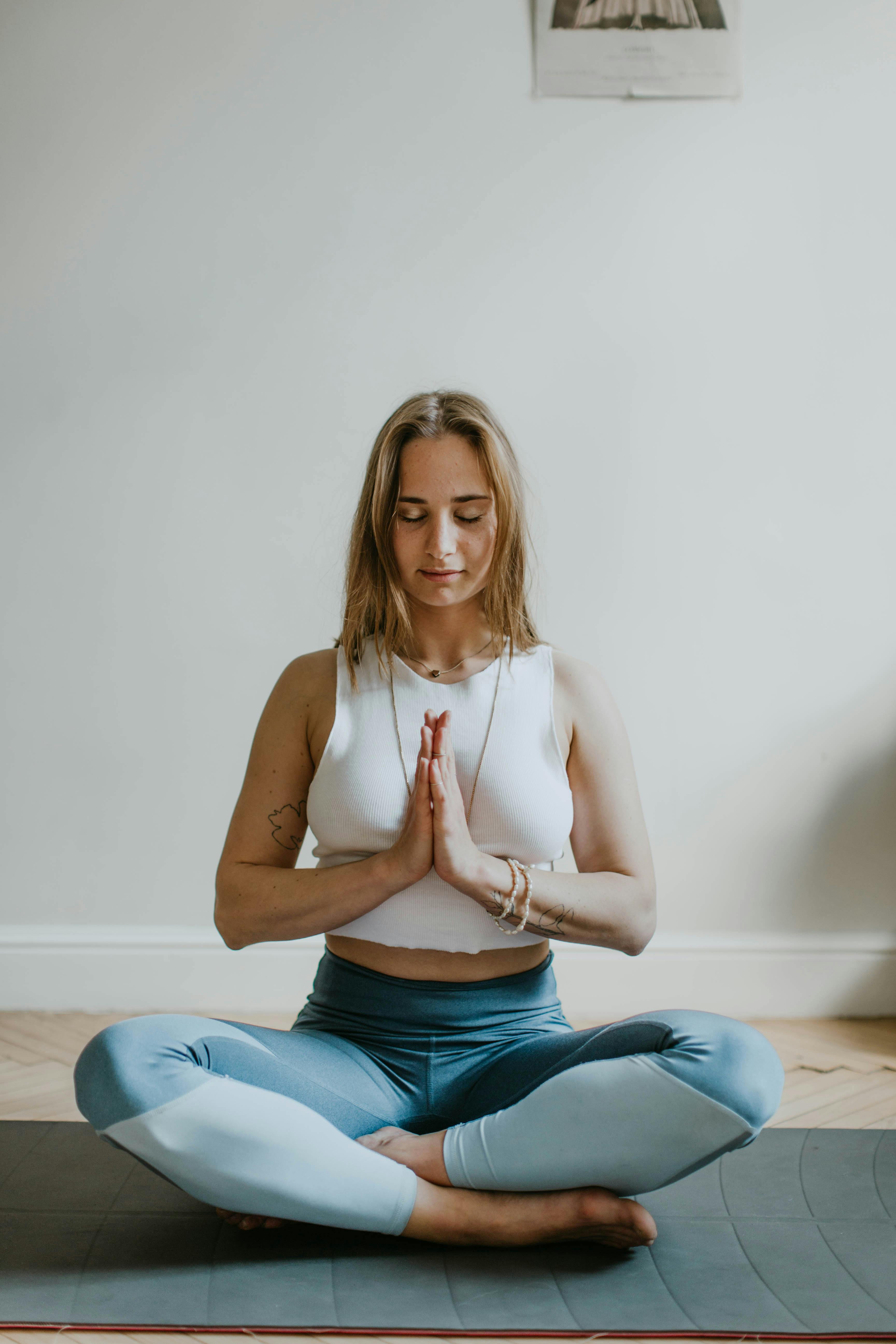
Balanced exercise should help you move well, not just work hard. That is why flexibility and mobility deserve a regular place in the week. Mobility improves usable movement range. Flexibility helps reduce tightness and restore tissue length.
Sample Daily Mobility Routine
A simple 10 to 15 minute mobility session may include:
- Shoulder circles and band pull-aparts
- Thoracic spine rotations
- Hip openers and hip circles
- Ankle dorsiflexion drills
- Cat-cow spinal motion
- Gentle hamstring and calf stretches
Mobility sessions are especially useful on recovery days or after long periods of sitting.
When to Use Static Stretching
Static stretching usually works best after workouts or as part of separate flexibility sessions. Hold stretches for 15 to 60 seconds without bouncing, especially for the hamstrings, calves, chest, shoulders, and hip flexors when those areas feel tight.
Balance and Functional Movement
Balance training supports real-life movement more than many people realize. Good balance helps with stairs, uneven surfaces, quick direction changes, stepping over obstacles, and general confidence while moving.
Practical Balance Exercises
- Single-leg stand
- Tandem walk
- Single-leg Romanian deadlift
- Step-ups
- Standing knee lifts
You can make balance work more functional by adding real-life style demands, such as turning the head, carrying something light, or counting backward while balancing. That helps train the body and brain together.
Recovery, Sleep, and Stress Management
Training stress only becomes progress when the body has enough recovery to adapt. Recovery helps muscles repair, the nervous system settle, and motivation stay stable. Without it, performance often stalls and injury risk rises.
Practical Recovery Habits
- Sleep 7 to 9 hours whenever possible
- Use active recovery such as walking or mobility work
- Stay hydrated throughout the day
- Include lighter training days across the week
- Use breathing or mindfulness practices when stress is high
Exercise does not exist separately from the rest of life. Stress, work demands, poor sleep, and low nutrition support all influence how well a balanced routine works.
Nutrition and Hydration Basics That Support Exercise
Balanced exercise works better when it is matched with supportive eating and hydration habits. The goal is not perfection. It is consistency.
Macronutrient Basics
- Carbohydrates: support energy for exercise and daily movement
- Protein: supports muscle repair and maintenance
- Healthy fats: support hormones, joints, and satiety
Most active people benefit from meals built around whole grains, vegetables, fruit, lean proteins, legumes, dairy or alternatives, nuts, seeds, and healthy oils.
Pre- and Post-Workout Guidance
If needed, a small carbohydrate-rich snack before training can support energy. After workouts, a mix of protein and carbohydrates helps recovery. It does not have to be complex. Yogurt and fruit, eggs and toast, or rice with chicken are all simple examples.
Hydration
Drink water regularly through the day. For most sessions under an hour, water is enough. On longer or very sweaty workouts, electrolytes can be helpful. Pale yellow urine is a useful general sign of decent hydration.
If your main goal is calmer, more restorative movement, you may also find value in gentle exercises for a calm morning routine.
Monitoring Progress and Staying Motivated
Tracking helps you stay accountable and shows whether your routine is actually working. You do not need a complicated system. A simple training log, notes app, or weekly checklist is often enough.
Useful Ways to Track Progress
- Workout completion
- Sets, reps, and weights
- Walking time or cardio distance
- Sleep and energy quality
- Flexibility changes
- Mood and stress levels
Performance tests can also help. Examples include a timed walk, a plank hold, a squat count, or a balance hold. These give clear evidence that your routine is improving everyday fitness.

This image is property of images.pexels.com.
Common Barriers and Practical Solutions
Almost everyone runs into barriers. The solution is not to wait until circumstances are perfect. It is to make the plan adaptable enough to survive real life.
| Barrier | Practical solution |
|---|---|
| Lack of time | Use 10 to 20 minute sessions and schedule them like appointments |
| No equipment | Use bodyweight, resistance bands, and household items |
| Low motivation | Train with a friend, rotate activities, and keep goals small |
| Pain or injury | Use lower-impact options, reduce range, and seek guidance |
| Travel | Use bands, walking, hotel stairs, or short bodyweight circuits |
Modifications and Special Considerations
Older Adults
Older adults often benefit from emphasizing strength, balance, walking, mobility, and lower-impact cardio. Recovery and consistency become especially important.
Pregnancy
With medical clearance, most pregnant people can stay active using low-impact cardio, safe strength work, and modified core exercises. Avoiding high-risk positions and following clinical guidance matters.
Chronic Conditions
People with diabetes, heart disease, arthritis, or other chronic conditions can often benefit greatly from exercise, but the routine should be adapted to symptoms, medical advice, and recovery ability.
Safety, Injury Prevention, and When to Seek Help
Balanced exercise should challenge the body without pushing it into avoidable injury. Good technique, gradual progression, and listening to warning signs make a big difference.
Immediate Red Flags
- Sharp, increasing joint pain
- Numbness or tingling that persists
- Dizziness or fainting
- Chest pain or unusual shortness of breath
- Swelling, redness, or warmth around a joint
If these occur, stop and get professional advice promptly.
Equipment Basics for Balanced Exercise
You do not need a full gym to train in a balanced way. A few useful tools can expand your options, but simplicity is often enough.
| Item | Uses | Alternatives |
|---|---|---|
| Pair of dumbbells | Strength work and progressive load | Water bottles or bags of rice |
| Resistance bands | Pulling, mobility, and assistance | Towels or straps |
| Exercise mat | Floor comfort for stretching and core work | Carpet or folded blanket |
| Sturdy chair | Support, step-ups, seated work | Bench or low table |
| Jump rope | Cardio and coordination | Marching or running in place |
A Progressive 12-Week Template for Everyday Wellness
Weeks 1 to 4: Build the Habit
- 3 cardio sessions of 20 to 30 minutes
- 2 strength sessions with 2 sets per exercise
- Daily mobility for 5 to 10 minutes
- 1 active recovery day
Weeks 5 to 8: Increase the Challenge
- 3 to 4 cardio sessions with one interval day
- 2 to 3 strength sessions with 3 sets on main exercises
- 2 balance-focused sessions
- Continue daily mobility
Weeks 9 to 12: Consolidate and Specialize
- 3 to 5 cardio sessions based on goals
- 3 strength sessions with clear progression
- Include more variety, skill work, or sport-specific movement
- Maintain mobility and recovery focus
Weekly Checklist for Balanced Exercise Success
| Task | Goal |
|---|---|
| Cardio sessions completed | 3 to 5 per week |
| Strength sessions completed | 2 to 3 per week |
| Mobility or stretching | Daily or near daily |
| Balance practice | 2 to 5 times per week |
| Sleep target | 7 to 9 hours per night |
| Water intake | Steady hydration through the day |
Troubleshooting Plateaus
If progress stalls, it does not always mean you need to work harder. Sometimes you need to sleep more, recover better, eat more consistently, or add variety. Other times, a small change in load, rep range, or cardio style is enough to restart progress.
Examples:
- If strength stalls, try a lighter week, then return with slightly heavier loads
- If cardio feels stagnant, add one tempo or interval session
- If mobility stops improving, increase frequency before increasing intensity
Movement Quality: Form Over Load
Balanced exercise is not only about doing more. It is also about doing movements well. Good form reduces injury risk and makes training more effective. Learn the pattern first, then increase load or speed later.
Simple cues can help:
- “Chest up” in squats
- “Neutral spine” in hinges and deadlifts
- “Shoulders down” during rows and presses
- “Breathe steadily” during effort
Frequently Asked Questions
What is balanced exercise for everyday wellness?
Balanced exercise for everyday wellness is a routine that includes cardio, strength training, mobility or flexibility work, balance practice, and recovery. Instead of focusing on only one fitness quality, it supports the full range of physical abilities needed for health, comfort, resilience, and daily function.
How many days a week should I exercise for general wellness?
Most people do well with some form of movement most days, usually combining 3 to 5 cardio sessions, 2 to 3 strength sessions, and daily or near-daily mobility work. The exact schedule depends on your goals, recovery, and lifestyle, but consistency matters more than perfection.
Can walking count as part of a balanced exercise routine?
Yes, walking is an excellent part of a balanced exercise routine because it supports cardiovascular health, circulation, stress reduction, and daily movement. However, walking works best when combined with strength, mobility, balance, and recovery practices rather than being the only form of exercise.
Do I need a gym to follow a balanced exercise plan?
No, you do not need a gym. Many balanced routines can be done at home with bodyweight movements, walking, resistance bands, a mat, and a sturdy chair. Dumbbells can add variety, but simple home setups are often enough to support very meaningful progress.
How do I know if my routine is balanced?
Your routine is likely balanced if it includes regular cardio, strength training for major muscle groups, mobility or flexibility work, some balance practice, and enough recovery to keep you functioning well. If you are doing only one of those categories, your plan probably has a gap.
What is the best type of exercise for everyday wellness?
There is no single best type on its own. The best approach is a combination of walking or cardio, full-body strength training, mobility work, balance practice, and recovery habits. Together, these create the broadest benefits for energy, movement quality, health, and long-term sustainability.
Final Thoughts
Balanced exercise for everyday wellness is not about chasing an ideal routine that looks perfect on paper. It is about building a realistic pattern of movement that supports the life you want to live. That means enough cardio to support stamina, enough strength to protect function, enough mobility to move well, enough balance to stay stable, and enough recovery to make the whole plan sustainable.
You do not need to do everything at once. Start with a structure you can actually maintain. Build slowly. Adjust as you learn what helps your body feel stronger, more mobile, and more energized. The most effective exercise plan is usually the one that becomes part of your normal life rather than something you repeatedly start and stop.
When exercise is balanced, it becomes more than a fitness routine. It becomes a foundation for better daily wellness.