0 Reviews
Balanced Exercise Routine for Everyday Health
Balanced Exercise Routine for Everyday Health. A balanced exercise routine supports long-term health, daily function, and emotional well-being. It combines several types of activity so that the body becomes strong, mobile, and resilient without undue risk of injury.
Why a Balanced Routine Matters
A balanced routine helps the whole person, not just one fitness quality. When strength, cardiovascular fitness, mobility, balance, and recovery are all included, daily tasks become easier and chronic disease risk drops.
A program that focuses on only one element—such as endless cardio or only weightlifting—can leave gaps in function and increase the chance of overuse injury. Balance prevents those gaps and supports sustainable progress.
Health Benefits of a Balanced Approach
A varied routine improves heart health, muscle mass, bone density, flexibility, and mental health simultaneously. It also supports metabolic health and can improve sleep quality.
These benefits accumulate over weeks and months, making regular consistency more important than occasional intensity.
Injury Prevention and Longevity
Including mobility, balance, and proper recovery reduces both acute injury and chronic pain. A balanced program spreads stress across tissues rather than overloading a single joint or muscle group.
Progressive training and attention to form also help preserve function into older age, supporting independence and quality of life.
Key Components of a Balanced Routine
A comprehensive routine includes five main components: cardiovascular training, strength training, flexibility and mobility work, balance and functional training, and recovery strategies. Each component contributes distinct benefits to everyday health.
They work together: strength supports cardiovascular performance, mobility improves strength technique, and recovery allows adaptation.
Cardiovascular Training
Cardiovascular (aerobic) exercise improves heart and lung function and supports metabolic health. Sessions can vary from gentle walking to higher-intensity interval efforts.
A mix of intensities—low-intensity steady-state for duration and higher-intensity intervals for efficiency—often provides the best results for overall health.
What does a balanced exercise routine for everyday health look like and how can someone build one that fits into daily life?

This image is property of images.unsplash.com.
Strength Training
Resistance training builds and preserves muscle mass and bone density while improving functional strength. Emphasis on compound movements delivers the most value for daily activities.
Strength training also improves posture, balance, and metabolic rate, which supports weight management and long-term health.
Flexibility and Mobility
Flexibility (range of motion) and mobility (control through that range) are essential for pain-free movement and efficient exercise technique. Mobility work reduces the risk of compensatory patterns and stiffness.
Regular flexibility sessions, including dynamic warm-ups and targeted stretching, maintain joint range and prevent tightness that limits function.
Balance and Functional Training
Balance exercises and functional movement patterns translate directly to everyday tasks like carrying groceries or rising from a chair. Training balance reduces fall risk, particularly as people age.
Functional training emphasizes multi-joint movements and coordination, which improves efficiency and safety in daily life.
Recovery and Regeneration
Recovery includes rest days, active recovery sessions, sleep, and nutrition. It allows the body to repair and adapt to training stress, improving performance and reducing injury risk.
Recovery strategies such as foam rolling, mobility work, and proper hydration complement training and make consistent exercise sustainable.
Principles of Program Design (FITT and Progression)
Program design should follow the FITT principle—Frequency, Intensity, Time, and Type—and include progressive overload over weeks. These elements ensure training is structured and effective.
Progression should be gradual and individualized so that adaptation occurs without excessive fatigue or injury.
Frequency
Frequency refers to how often each component is performed. For general health, most people benefit from 3–5 strength sessions per week and 150–300 minutes of moderate-intensity aerobic activity per week.
Balance and mobility work can be done daily in short sessions. Recovery days should be scheduled to allow adaptation.
Intensity
Intensity determines the difficulty of a session and should match the individual’s fitness level and goals. Heart rate zones, perceived exertion, and load relative to one-repetition maximum (1RM) are common measures.
A mix of intensities—easy days, moderate sessions, and occasional higher-intensity efforts—yields better long-term adaptation and reduces burnout.
Time (Duration)
Session duration varies by type: 20–60 minutes for strength sessions, 20–60 minutes for cardio depending on intensity, and 5–20 minutes for mobility or balance work. Shorter, focused sessions are effective when time is limited.
Accumulated shorter bouts across the day can also meet weekly targets for health benefits.
Type
Type describes the nature of the activity and should include a variety: compound resistance exercises, aerobic activities (walking, cycling, swimming), mobility drills, and balance work. Cross-training reduces boredom and overuse injury.
Variety also increases the chance that someone will enjoy and stick with the program long term.
Warm-up and Cool-down: Structure and Purpose
A proper warm-up prepares the body for exercise by increasing blood flow, enhancing joint range, and priming the nervous system. It reduces injury risk and improves performance.
A cool-down helps the heart rate return toward baseline and may include gentle mobility and stretching to support recovery and reduce stiffness.
Sample Warm-up Sequence
A typical warm-up may include 5–10 minutes of light aerobic movement followed by dynamic mobility drills specific to the upcoming session. This approach readies muscles and joints for the work to follow.
Dynamic movements should be controlled and progress toward the movement patterns planned for the main session.
Cool-down Recommendations
A cool-down can be 5–10 minutes of low-intensity activity followed by gentle static stretching and breathing exercises. This helps transition from exercise to recovery mode.
Including some mobility work post-session also improves flexibility over time.
Strength Training Guidelines
Strength training should prioritize compound, multi-joint movements that target large muscle groups and support everyday function. Variety and progressive overload ensure continued gains.
Form and control take precedence over heavy loading; safer progression yields long-term benefits.
Frequency and Split Options
Beginner and intermediate exercisers often perform full-body strength sessions 2–4 times per week. Advanced trainees may use split routines (e.g., upper/lower, push/pull/legs) to increase volume and recovery optimization.
Rest between sessions for the same muscle group should usually be 48–72 hours, depending on intensity and experience.
Sets, Reps, and Load
Typical recommendations:
- Strength/hypertrophy: 3–6 sets of 6–12 reps for compound lifts.
- Strength (maximal): 3–5 sets of 1–5 reps at higher loads for experienced individuals.
- Endurance: 2–4 sets of 12–20+ reps with lighter loads.
Load progression should be gradual, focusing on form and controlled range of motion.
Example Exercises by Muscle Group
A table clarifies exercise options for common goals and provides accessible alternatives.
| Muscle Group | Primary Compound Exercise | Alternative/Accessory Exercises |
|---|---|---|
| Legs (quads, glutes) | Squat (back/front/box) | Lunges, step-ups, leg press, Bulgarian split squat |
| Posterior chain (hamstrings, glutes) | Deadlift (conventional, Romanian) | Hip thrust, kettlebell swings, hamstring curls |
| Chest | Bench press (barbell/dumbbell) | Push-ups, chest fly, incline press |
| Back | Bent-over row, pull-up | Seated row, lat pulldown, single-arm row |
| Shoulders | Overhead press | Lateral raises, face pulls, seated dumbbell press |
| Core | Plank, dead bug | Pallof press, bird-dog, Russian twist |
These exercises can be adjusted for equipment availability and fitness level.
Technique and Safety
Emphasize a neutral spine, controlled tempo, and full but safe ranges of motion. They should use appropriate breathing—exhale during concentric (effort) phase and inhale during eccentric (lowering) phase.
When uncertain about form, consulting a qualified coach or using lighter loads to practice technique is recommended.
Cardiovascular Training Guidelines
Cardio supports heart health, circulation, and endurance for daily tasks. A variety of modes and intensities keeps training effective and enjoyable.
Balance between steady-state efforts and shorter, higher-intensity intervals will deliver broad benefits.
Types of Cardio
Common modes include walking, running, cycling, swimming, rowing, and group fitness classes. Non-traditional forms such as hiking or circuit training can also provide strong aerobic stimulus.
Low-impact options, like cycling or swimming, are suitable for individuals managing joint issues.
Intensity Prescription (Heart Rate and RPE)
For most people, moderate intensity equates to 50–70% of maximum heart rate or a perceived exertion of 4–6 on a 10-point scale. Vigorous intensity is around 70–85% of HRmax or 7–8 RPE.
High-intensity interval training (HIIT) involves short bouts of near-maximal effort followed by recovery and can be time-efficient for improving fitness.
Sample Cardio Session Types
- Low-intensity steady-state (LISS): 45–60 minutes brisk walk or easy cycling.
- Moderate continuous: 20–40 minutes jogging or faster cycling.
- HIIT: 10–20 minutes total work, e.g., 6–8 x 30–60 seconds hard effort with 1–2 minutes recovery.
- Tempo sessions: 20–30 minutes at comfortably hard pace.
Choosing a mix across the week is most beneficial.
Flexibility and Mobility Work
Mobility work maintains joint health, supports efficient technique, and reduces painful compensation patterns. Flexibility training targets muscle length and joint range.
Both dynamic and static strategies have roles within a balanced routine.
Dynamic Mobility (Pre-Workout)
Dynamic mobility uses movement to prepare joints and tissues for upcoming loads. Examples include leg swings, hip circles, world’s greatest stretch, and thoracic rotations.
These drills should be specific to the training session and performed after a brief aerobic warm-up.
Static Stretching (Post-Workout / Recovery)
Static stretches held for 20–60 seconds help reduce muscle tightness and can be included after training or during dedicated flexibility sessions. They are generally safer post-exercise when tissues are warm.
Prolonged and gentle stretching supports long-term range-of-motion gains.
Proprioceptive Neuromuscular Facilitation (PNF)
PNF combines contractions and stretches to increase range of motion efficiently. It is especially useful for targeted flexibility improvements when performed properly.
A qualified practitioner or careful guidance improves safety and effectiveness.
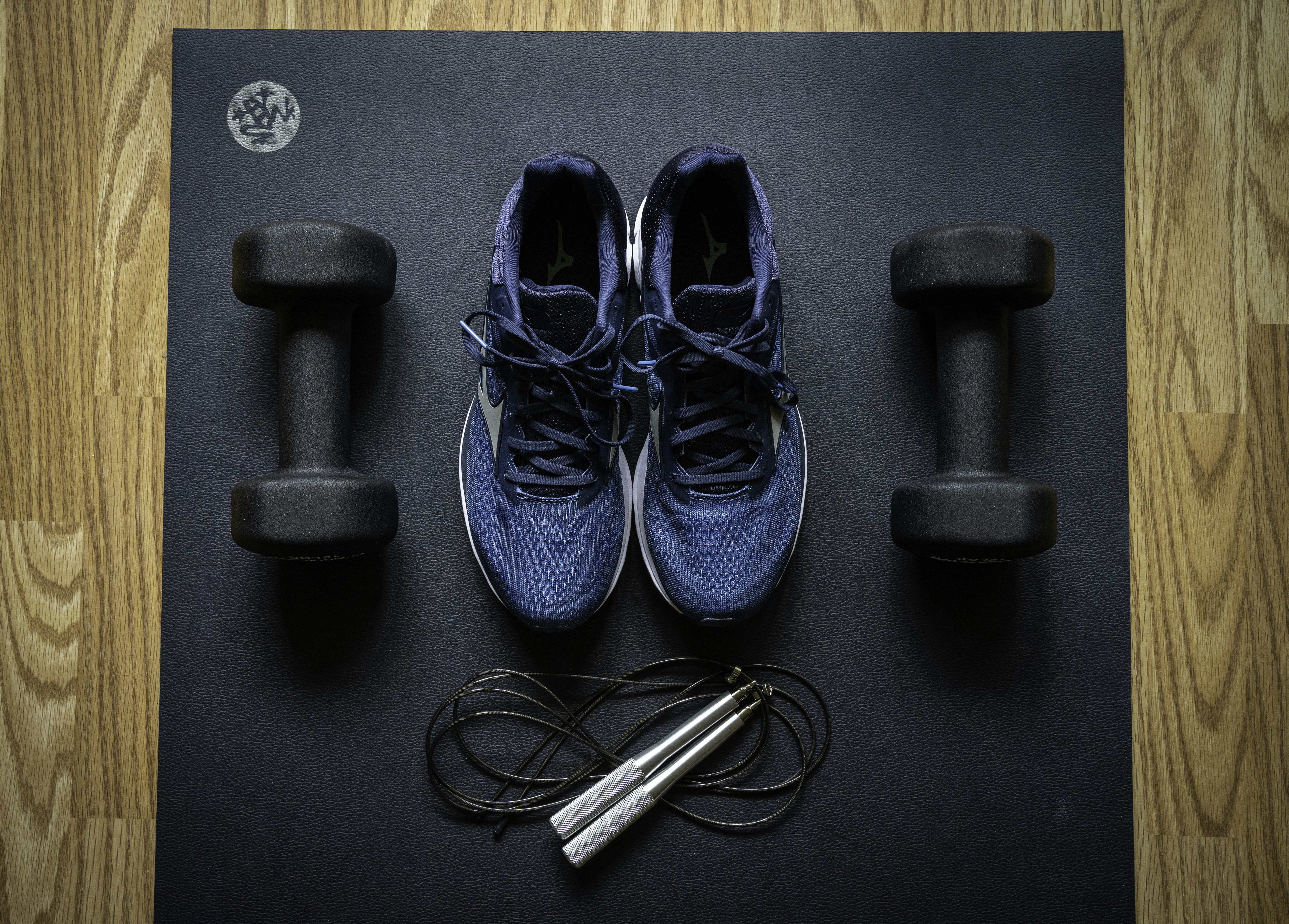
This image is property of images.unsplash.com.
Balance and Functional Training
Functional training focuses on movement patterns that mirror daily life, such as squatting, hinging, pushing, pulling, carrying, and rotating. Balance training trains the neuromuscular system to control the body’s center of mass.
Both are crucial for independence, injury prevention, and improved performance in sport or daily tasks.
Examples of Functional Movements
Carrying (farmers’ carry), lifting from the floor (deadlift pattern), step-ups, and rotational medicine ball throws are functional examples. These movements build transferable strength and coordination.
Progressions and regressions can be applied to match ability and context.
Balance Exercises by Level
| Level | Exercise Examples | Progression |
|---|---|---|
| Beginner | Single-leg stand, tandem walk | Add eyes closed, unstable surface |
| Intermediate | Single-leg RDL, single-leg reach | Increase time, add load |
| Advanced | Single-leg hop to balance, perturbation training | Add dynamic tasks or external challenge |
Regular practice improves proprioception and fall resilience.
Sample Weekly Plans
Providing structured samples helps translate principles into practice. Below are three templates for beginners, intermediate exercisers, and time-limited schedules.
Beginner (3–4 Sessions per Week)
They should aim for accessible sessions that build habit and foundational strength.
| Day | Session |
|---|---|
| Monday | Full-body strength (30–40 min) + 10 min mobility |
| Tuesday | Brisk walk (30–40 min) |
| Wednesday | Rest or light mobility/balance (15–20 min) |
| Thursday | Full-body strength (30–40 min) + short cardio intervals (10–15 min) |
| Friday | Active recovery: yoga or easy cycling (30 min) |
| Saturday | Longer walk or hike (45–60 min) |
| Sunday | Rest |
This plan balances work and recovery while encouraging consistency.
Intermediate (4–6 Sessions per Week)
They can add intensity and volume while maintaining recovery.
| Day | Session |
|---|---|
| Monday | Upper-body strength (45–60 min) + mobility |
| Tuesday | Interval cardio (20–30 min) + core work |
| Wednesday | Lower-body strength (45–60 min) |
| Thursday | Active recovery: yoga or mobility + easy cardio (30 min) |
| Friday | Full-body strength or power work (45 min) |
| Saturday | Long aerobic session (60+ min walk/hike/cycle) |
| Sunday | Rest or gentle mobility |
This distribution allows targeted development and varied stimuli.
Time-Limited (Busy Schedule)
Short, focused sessions can still deliver health benefits when time is scarce.
| Day | Session |
|---|---|
| Monday | 20 min HIIT + 10 min mobility |
| Tuesday | 30 min brisk walk |
| Wednesday | 20 min strength circuit |
| Thursday | 30 min yoga or stretching |
| Friday | 20 min HIIT |
| Saturday | 30–45 min active outdoor time |
| Sunday | Rest |
Short circuits and HIIT maximize efficiency for those with limited availability.
Sample Strength Session Templates
Providing practical session outlines helps someone start immediately. Each template is written for a single session and includes options for scaling.
Full-Body Beginner Session (30–40 min)
- Warm-up: 5–8 min brisk walk + dynamic mobility
- Squat variation: 3 sets x 8–12 reps
- Push exercise (push-up or bench): 3 x 8–12
- Bent-over row or band row: 3 x 8–12
- Glute/hinge (hip thrust or Romanian deadlift): 3 x 8–12
- Core: plank 3 x 20–40 sec
- Cool-down: 5 min mobility and stretching
Adjust load so the last 2 reps feel challenging but manageable.
Upper/Lower Split Example
Upper day:
- Warm-up
- Overhead press: 3 x 6–10
- Pull-up or lat pulldown: 3 x 6–10
- Incline push or dumbbell press: 3 x 8–12
- Rows or single-arm row: 3 x 8–12
- Accessory shoulder/arm work + core
Lower day:
- Warm-up
- Squat variation: 4 x 6–10
- Deadlift/hip hinge: 3 x 6–10
- Lunges or step-ups: 3 x 8–12 per leg
- Calf raises and core work
Load and rest should match goals (strength vs endurance).
Recovery Strategies and Sleep
Recovery is as important as training. Sleep quality, nutrition, and active recovery sessions determine how well the body adapts to training stress.
Sufficient sleep also supports cognitive function and mood—both important for sustained exercise habits.
Sleep Recommendations
Most adults benefit from 7–9 hours of quality sleep per night. Establishing a consistent schedule, reducing screen time before bed, and optimizing the sleep environment support recovery.
Chronic sleep deficit undermines performance and increases injury risk.
Active Recovery and Regeneration
Active recovery can include gentle yoga, mobility drills, walking, or light cycling. These activities promote circulation and help reduce soreness without causing further stress.
Self-massage, foam rolling, and contrast baths can be adjuncts but should not replace appropriate rest.

This image is property of images.unsplash.com.
Nutrition Basics for Everyday Fitness
While not a full nutrition guide, a few principles help support a balanced routine. Protein supports muscle repair; carbohydrates fuel higher-intensity work; fats support hormonal function and satiation.
Hydration and timing around workouts also affect performance and recovery.
Simple Nutritional Guidelines
- Aim for a daily protein intake appropriate for activity level (e.g., 1.2–1.6 g/kg for active adults).
- Include complex carbohydrates around longer or higher-intensity sessions.
- Prioritize whole foods, vegetables, and adequate healthy fats.
- Stay hydrated throughout the day and especially around workouts.
A registered dietitian can provide individualized recommendations for weight goals, medical conditions, or performance aims.
Adjustments for Special Populations
Programs should be adapted for older adults, pregnant people, and individuals with chronic conditions. Safety and professional guidance are important when modifying routines.
Progress and load should be slower and individualized to health status and functional goals.
Older Adults
Resistance training is especially valuable for preserving muscle and bone. Balance and functional training reduce fall risk, and low-impact cardio supports joint health.
Intensity can be moderate, and progressions should emphasize safety and confidence.
Pregnancy
Exercise is generally recommended throughout uncomplicated pregnancies, focusing on strength, mobility, and low-impact aerobics. Avoid supine exercise after the first trimester if it causes discomfort and seek guidance for high-risk conditions.
Postpartum programming should progress gradually based on recovery and medical clearance.
Chronic Conditions
Many chronic conditions benefit from regular physical activity, but exercise prescriptions should be made in consultation with healthcare providers. Modifications and close monitoring are often required.
Examples include controlled progression for people with cardiovascular disease, diabetes management around activity, and tailored load for osteoarthritis.
Safety, Contraindications, and When to Stop
Recognizing warning signs and knowing when to pause exercise is critical. Sharp pain, dizziness, chest pain, or sudden breathlessness require immediate cessation and possibly medical attention.
Gradual progression, proper technique, and realistic expectations limit risk and support sustainability.
Red Flags During Exercise
- Chest pain, pressure, or tightness
- Sudden severe breathlessness or fainting
- Severe joint instability or sharp localized pain
- Sudden swelling or neurological changes (numbness, tingling)
If any of these occur, they should stop and seek medical evaluation right away.
Tracking Progress and Staying Motivated
Tracking metrics helps maintain consistency and allows for evidence-based progression. Common measures include training logs, performance markers (e.g., weight lifted, run time), mood, and sleep quality.
Behavioral strategies—goal setting, habit stacking, social support—boost adherence and enjoyment.
Periodization and Goal Cycles
Periodization organizes training into phases (base, build, peak, recovery) to prevent plateaus and overtraining. Even simple 4–8 week blocks with focused outcomes keep training purposeful.
Regular reassessment every 4–8 weeks informs adjustments and keeps motivation aligned with progress.
Equipment and Space Considerations
A balanced routine can be designed for minimal equipment: bodyweight, resistance bands, a pair of dumbbells, and a stable surface. Biking, walking, and household items offer additional options.
Gyms or home setups with barbells, kettlebells, and machines expand exercise variety but are not required for meaningful progress.
Minimal Equipment Example
| Equipment | Uses |
|---|---|
| Dumbbells or kettlebell | Resistance training, unilateral work, carries |
| Resistance bands | Pulling movements, assisted pull-ups, mobility |
| Mat | Core work, mobility, yoga |
| Sturdy chair/step | Step-ups, seated dips, support for balance |
Creativity with household items (water jugs, backpacks) can substitute for formal equipment in many cases.
Common Myths and Mistakes
Several myths can derail progress: belief in spot reduction, thinking more is always better, and neglecting recovery. Correcting misconceptions improves outcomes.
Common mistakes include poor technique, skipping warm-ups, and inconsistent training. Addressing these issues increases safety and efficiency.
Myth: Spot Reduction Works
Fat loss is systemic; targeted exercises change strength and muscle tone but not localized fat stores. A combination of strength training, cardio, and caloric management is required for body composition changes.
Realistic expectations are essential for long-term adherence.
Mistake: Progressing Too Quickly
Rushing increases injury risk. Gradual increases in volume, load, or intensity produce safer and more durable results. Frequent small improvements compound into substantial gains.
Patience and consistent effort are often the best strategies.
When to Consult a Professional
A qualified trainer, physiotherapist, or healthcare provider is useful when pain persists, when recovering from injury, or when a person has complex medical needs. They provide assessment, individualized programming, and safe progressions.
Specialized professionals help tailor programs to goals such as rehabilitation, sport performance, or pregnancy-related adaptations.
Frequently Asked Questions
Q: How much exercise is enough for everyday health?
A: For general health, most public health guidelines recommend at least 150–300 minutes per week of moderate-intensity aerobic activity plus two or more days per week of moderate-to-vigorous strength training. The exact amount may be adjusted based on goals, health status, and individual response.
Q: Can short workouts be effective?
A: Short, focused sessions—such as 20–30 minutes of high-quality strength work or HIIT—can be highly effective, especially when performed consistently. Cumulative activity across the day also contributes to weekly totals.
Q: How quickly will someone see results?
A: Initial gains in strength and endurance can appear in a few weeks, while visible body composition changes often take several months. Consistency, progressive overload, and nutrition influence the rate of improvement.
Q: Is it safe to exercise every day?
A: Daily movement and light activity are beneficial, but high-intensity training every day can lead to overtraining. Mixing low-intensity days with moderate or higher-intensity sessions and scheduling rest or active recovery prevents excessive fatigue.
Sample 4-Week Progression Plan
A gradual plan helps translate routine into steady improvement. Below is a simplified progression for a general fitness goal.
| Week | Focus | Notes |
|---|---|---|
| 1 | Build routine | Establish 3 full-body strength sessions + 2 cardio sessions + daily mobility |
| 2 | Slight volume increase | Add 1–2 sets per exercise or increase cardio duration by 10–15% |
| 3 | Intensity introduction | Introduce slightly heavier loads, one interval cardio session |
| 4 | Recovery and consolidation | Lower volume; focus on technique and mobility; test one lift or timed cardio effort |
This cycle can repeat with incremental increases or specialization depending on goals.
Final Thoughts
A balanced exercise routine for everyday health is achievable, adaptable, and sustainable. By combining cardiovascular work, strength training, flexibility, balance, and recovery strategies, someone can support long-term health and daily function.
Consistency, thoughtful progression, and attention to individual needs will produce the best outcomes. When questions or health concerns arise, seeking professional guidance ensures safety and personalized support.