Balanced Exercise Routine for Healthy Living and Wellbeing
Balanced exercise routine for healthy living and wellbeing. I write this as someone who has tested many approaches to fitness and learned what helps me feel strong, energized, and resilient over years. I want to share a practical, balanced framework I use so I can maintain health, prevent injury, and enjoy movement for life.
Why a Balanced Routine Matters
I believe a balanced routine reduces risk of injury, improves day-to-day function, and supports mental wellbeing. When I balance cardio, strength, flexibility, and balance work, I notice better energy, sleep, and mood.
Core Principles of a Balanced Routine
I keep the following principles in mind when I design or revise my routine so that it stays safe, effective, and enjoyable. These principles guide how often I train, what exercises I choose, and how I progress.
Consistency over Perfection
I aim to be regular rather than perfect; steady effort wins over sporadic intensity. When I train consistently, small gains compound into real improvements.
Do I have a truly balanced exercise routine that supports my long-term health and wellbeing?
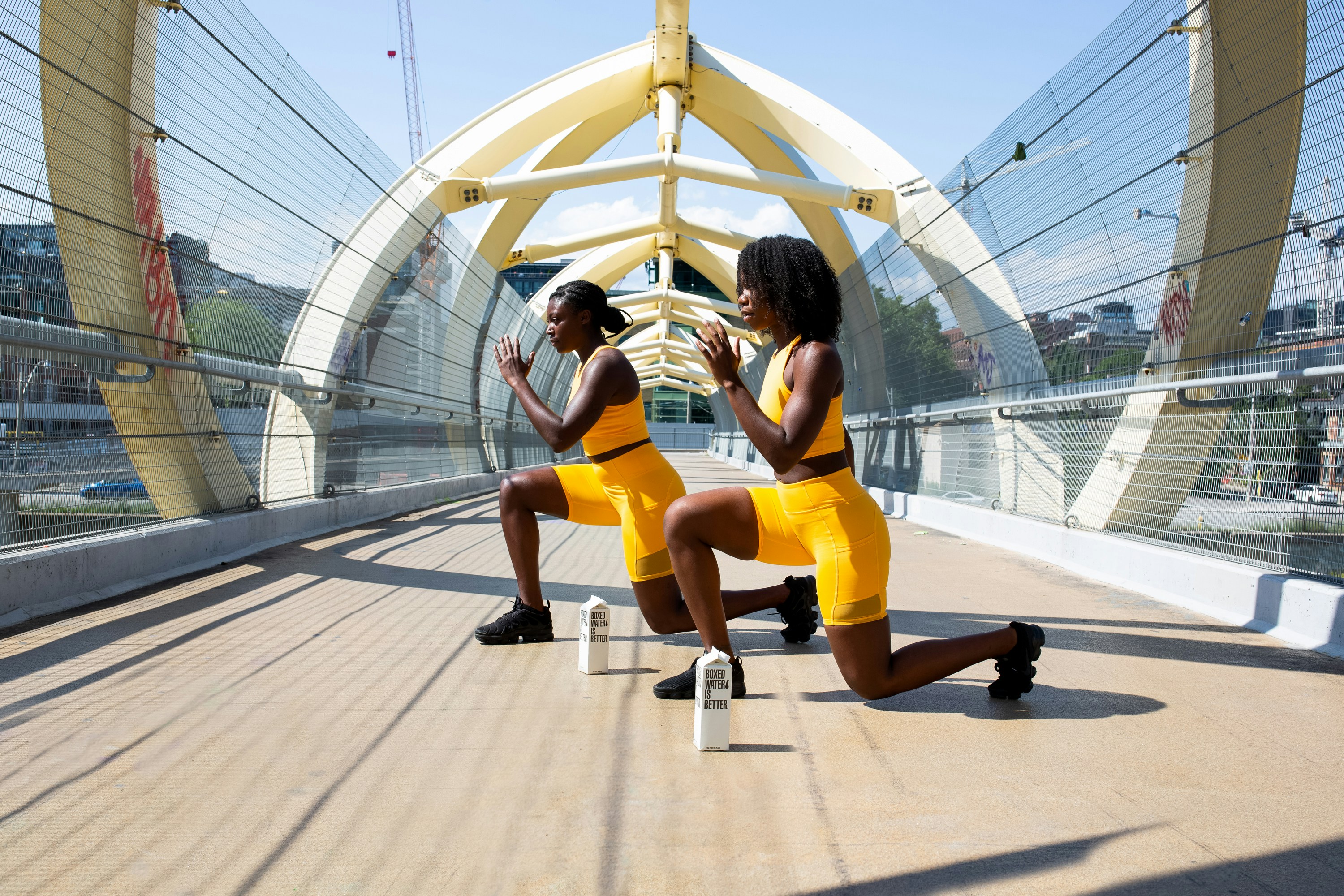
This image is property of images.unsplash.com.
Progressive Overload
I increase the challenge slowly so my body adapts without breaking down. I track progress and add volume, intensity, or complexity in small steps.
Individualization and Adaptability
I tailor my routine to my current fitness, goals, schedule, and any injuries or limitations. I change my plan when life or body cues require adjustments.
I mix movement types so I avoid plateaus and overuse injuries while still practicing the skills that matter to me. I include specific training for goals such as running a 5K, lifting a certain weight, or improving posture.
Components of a Balanced Exercise Routine
I build routines around five core components: cardiovascular fitness, strength training, flexibility/mobility, balance/coordination, and functional skill work. Each component supports the others and contributes to daily function.
Cardiovascular Exercise
I include cardio to support heart and lung health, fat metabolism, and endurance for activities I enjoy. I vary intensity—from steady-state walks to higher-intensity intervals—to work different energy systems.
Strength Training
I prioritize strength because muscle mass protects joints, supports metabolism, and makes everyday tasks easier. I perform compound movements and targeted exercises to cover all major muscle groups.
Flexibility and Mobility
I use stretching and mobility work to maintain comfortable range of motion and efficient movement patterns. I focus on areas that feel tight or limit my movement.
Balance and Coordination
I practice balance and coordination to reduce fall risk and improve athletic performance. I find that even short sessions of balance work produce meaningful benefits.
Functional and Skill-Based Training
I train movements that mirror daily life and recreational tasks so I transfer gains to real-world activities. I practice lifting, carrying, climbing, and sport-specific drills as needed.
Structure of a Weekly Plan
I structure my week to include variety, proper recovery, and a manageable load that fits my life. I typically plan 3–6 sessions depending on my goals and time availability, ensuring all components are covered.
Sample Beginner Weekly Plan
I use this simple template when I’m starting from a lower fitness base or returning after a break. It keeps things short and achievable while building habit and baseline capacity.
| Day | Focus | Example Session |
|---|---|---|
| Monday | Full-body strength | 30–40 min: squats, push-ups (knees if needed), rows, deadlifts (light), core |
| Tuesday | Cardio (low-moderate) | 20–30 min brisk walk or light cycling |
| Wednesday | Mobility & balance | 20–30 min yoga or mobility flow + single-leg balance work |
| Thursday | Strength (upper focus) | 30–40 min: overhead press, pull patterns, core work |
| Friday | Cardio intervals | 20–25 min intervals (e.g., 1 min faster / 2 min easy) |
| Saturday | Active recovery | Light activity: walking, gentle swim, recreational play |
| Sunday | Rest | Complete rest or gentle mobility |
Sample Intermediate Weekly Plan
I follow a slightly more demanding program when I have more time and a goal such as strength gains or improved endurance. I balance intensity and recovery carefully so I make progress without burnout.
| Day | Focus | Example Session |
|---|---|---|
| Monday | Strength (lower emphasis) | 45–60 min: squats, lunges, Romanian deadlifts, hip work |
| Tuesday | Cardio (tempo) | 35–45 min tempo run or sustained bike at moderate effort |
| Wednesday | Strength (upper emphasis) + mobility | 45–60 min: bench/press, rows, pull-ups, shoulder mobility |
| Thursday | Active recovery or light cardio | 30 min easy swim/walk + mobility |
| Friday | Strength (hybrid) | 45–60 min: full-body heavy-ish session with core |
| Saturday | Higher-intensity cardio or sport | 30–60 min intervals, sport play, or hill repeats |
| Sunday | Rest or mobility | Gentle stretching, foam rolling, rest |
Warm-Up and Cool-Down
I never skip a warm-up because it prepares my nervous system and muscles and lowers injury risk. I also use cool-downs to help my heart rate settle and to begin recovery.
I do 5–10 minutes of movement-based warm-ups such as leg swings, arm circles, hip hinges, and light cardio to raise core temperature. I tailor warm-ups to the session (e.g., hip mobility before squats).
Cool-Down and Stretching
I spend 5–10 minutes cooling down with slow walking, deep breathing, and targeted stretches for muscles that worked the hardest. I prefer gentle static stretches post-workout when muscles are warm.
Exercise Selection and Progression
I choose exercises that are safe, effective, and relevant to my goals while allowing for progressions and regressions. I prefer compound movements but supplement with single-joint work as needed.
Choosing Exercises
I pick movements that fit my body and goals—squats, hinges, presses, pulls, and loaded carries form the foundation of my program. I also include unilateral work to correct imbalances and mobility exercises to address limitations.
Progression Strategies
I progress by increasing weight, reps, sets, or reducing rest, and by making movements more complex (e.g., single-leg RDL). I use small, consistent increments to avoid spikes in fatigue or injury risk.
Intensity, Volume and Monitoring
I monitor intensity and volume so that I can balance training stress and recovery effectively. Tracking these variables helps me adjust plans when life stressors change.
Heart Rate and RPE
I use rate of perceived exertion (RPE) and occasionally heart rate zones to guide cardio intensity. I find RPE practical for strength and mixed sessions and heart rate useful for structured endurance work.
Repetition Ranges and Sets
I aim for a mix of rep ranges: 4–6 for strength, 8–12 for hypertrophy, and 12–20 for endurance or conditioning. I adjust sets and rest based on goals: more sets with longer rest for strength, shorter rest for conditioning.

This image is property of images.unsplash.com.
Recovery, Sleep, and Regeneration
I prioritize sleep, nutrition, and active recovery because training gains happen outside the gym during regeneration. Without sufficient recovery, performance and wellbeing suffer.
Active Recovery and Rest Days
I schedule active recovery days with walking, yoga, or light cycling to promote circulation and reduce stiffness. I also include full rest days when I notice lingering tiredness or soreness.
I aim for consistent, quality sleep because it supports hormonal balance and muscle repair. I use simple practices like wind-down routines and limiting screens before bed to improve sleep consistency.
Nutrition and Hydration to Support Training
I view food as fuel and recovery support; I plan meals to match my training load and goals. Proper nutrition helps me train harder, recover faster, and maintain overall health.
Macronutrients and Timing
I include an appropriate balance of carbohydrates for energy, protein for muscle repair, and fats for hormonal health. I try to consume a protein-rich meal or snack within a couple hours of resistance training to support recovery.
Hydration Guidelines
I drink regularly throughout the day and add fluids before, during, and after longer or sweat-heavy sessions. I pay attention to urine color and thirst cues as simple hydration metrics.
Safety, Warm-Ups and Injury Prevention
I reduce injury risk by using progressive loading, sound technique, and adequate warm-ups. I also respect pain signals and differentiate between “good” soreness and sharp or unusual pain.
Listening to My Body
I check in with how I feel before each session and adjust intensity, volume, or exercise selection if needed. I tend to back off earlier rather than force through pain that feels structural or abnormal.
When to Seek Professional Help
I consult a physical therapist or physician if I have persistent pain, unusual swelling, or mechanical issues that don’t improve with rest and sensible modification. I find professional guidance helps me return to safe training faster and with better programming.
Adapting for Different Life Stages and Constraints
I modify my routine to fit life stages such as parenthood, aging, or busy work periods, while keeping core components intact. Adaptability keeps exercise sustainable through changing seasons of life.
For Busy Schedules
I use short, high-impact sessions like 20–30 minute strength circuits or interval training to maintain fitness when time is tight. I prioritize compound movements and combine strength with cardio when I can’t fit separate sessions.
For Older Adults or Those New to Exercise
I emphasize foundational strength, balance, mobility, and lower-impact cardio to build resilience gradually. I progress conservatively and focus on functional movements that support independence.
For Pregnancy and Postpartum
I follow medical advice and tailor exercises to comfort and safety during pregnancy, and I prioritize pelvic floor and core reconnection postpartum. I adjust intensity and movement selection based on symptoms and professional guidance.

This image is property of images.unsplash.com.
Equipment, Space and Budget-Friendly Options
I believe effective training doesn’t require expensive gear—consistent, intentional movement is what matters most. I use a mix of bodyweight, minimal equipment, and affordable items when needed.
Minimal Equipment Routine
I build full workouts with bodyweight, resistance bands, and a single kettlebell or dumbbell to cover strength, mobility, and conditioning. These tools are portable, inexpensive, and versatile.
Home Gym Essentials
I add a modest set of adjustable dumbbells, a kettlebell, a resistance band set, and a stable bench or box to expand exercise options. These items let me perform progressive resistance training without a large footprint.
Tracking Progress and Setting Goals
I set measurable, realistic goals and track progress to maintain motivation and guide adjustments. I celebrate small wins and use data to refine my approach.
Short-Term and Long-Term Goals
I break big ambitions into short-term milestones—months and weeks—so progress feels achievable and measurable. I keep long-term goals flexible to account for life changes and new priorities.
Simple Tracking Methods
I log sessions in a notebook or app with weights, reps, RPE, and subjective notes on energy and sleep. I also track non-scale progress like strength gains, easier daily tasks, and improved mood.
Common Mistakes and How I Avoid Them
I have made mistakes like chasing perfection, under-recovering, and ignoring mobility work, so I now prioritize balance and sustainability. I avoid overloading too fast, and I listen to my body to prevent setbacks.
Frequently Asked Questions
I answer common questions from the perspective of what has worked for me and what I recommend based on that experience. These quick answers reflect practical choices rather than rigid rules.
How many days should I train?
I generally aim for 3–5 focused sessions per week for most health and fitness goals, balancing strength and cardio. If I only have 2 days, I prioritize full-body strength sessions plus incidental activity throughout the day.
How long should each session be?
Most of my effective sessions range from 20 to 75 minutes depending on goals and time availability. I use shorter sessions for maintenance and longer sessions for targeted strength or endurance work.
Can I combine strength and cardio in one session?
I often combine them when I want efficiency, using circuits or conditioning after a focused strength block. When strength progress is the primary goal, I usually separate intense cardio from heavy lifting days.
How quickly will I see results?
I notice improvements in energy and sleep within days to weeks, strength and endurance gains in 4–8 weeks, and more visible body composition changes over months. I measure success in functional gains and consistency as much as numbers.
Practical Weekly Checklist I Use
I keep a simple checklist to ensure I cover everything important each week and stay flexible when plans change. This checklist keeps me honest about balance and recovery.
| Item | Goal |
|---|---|
| Strength sessions | 2–4 per week covering major movement patterns |
| Cardio sessions | 1–4 per week varying intensity |
| Mobility/balance | 2–3 short sessions or incorporated into warm-ups |
| Rest/active recovery | ≥1 full rest day and light activity on other days |
| Sleep | 7–9 hours per night, consistent schedule |
| Hydration & nutrition | Meet daily fluid and macronutrient needs |
| Stress check | Adjust load if life stress is high |
Sample Workouts I Use
I rotate short, medium, and long session templates to mix intensity and purpose across the week. These templates make programming fast and clear so I can show up without overthinking.
Short Strength Circuit (20–30 min)
I perform 3 rounds of:
- 8–12 goblet squats
- 8–10 push variations (push-ups or incline props)
- 8–12 bent-over rows or band rows
- 45 sec plank or 20–30 sec side plank each sideI rest 60–90 seconds between rounds and finish with 5 minutes of mobility.
Medium Full-Body Strength (40–60 min)
I do:
- Warm-up (10 min mobility)
- 4 sets of a compound lower-body movement (squat or deadlift variant) 5–8 reps
- 3 sets of a compound upper-body push 6–10 reps
- 3 sets of a compound upper-body pull 6–10 reps
- 2–3 accessory sets for core and unilateral stability
- Cool-down and stretching
Conditioning Session (20–40 min)
I might do:
- 5–10 min easy warm-up
- 20 minutes of intervals (e.g., 30 sec hard / 90 sec easy) or continuous moderate effort
- 5–10 min cool-down and mobility
How I Adjust When Life Gets Busy
When time is limited I reduce volume and keep intensity moderate to high for efficiency. I also prioritize movement and protein intake to protect gains.
Micro-Workouts and Habit Stacking
I use 10–15 minute micro-workouts and add physical habits into daily routines, like stair climbs, loaded carries while walking, or a morning mobility flow. These small sessions add up and keep momentum.
Psychological and Social Benefits I Experience
Exercising regularly boosts my mood, reduces stress, sharpens focus, and supports social connection when I train with others. I find that maintaining movement routines helps me handle emotional challenges more resiliently.
Closing Thoughts and Next Steps
I treat a balanced exercise routine as a lifestyle tool rather than a short-term fix, and that mindset helps me keep moving for the long run. I plan to pick one area to improve each month—like increasing single-leg strength or adding two extra minutes of mobility—to keep progress steady and enjoyable.
If I want to put a plan into action, I start by choosing a realistic weekly schedule, selecting core exercises for each session, and tracking progress consistently. By staying patient, prioritizing recovery, and adjusting for life changes, I keep fitness sustainable and beneficial for overall wellbeing.