0 Reviews
?Are you ready to commit to 30 days of consistent movement that builds strength, improves mobility, and helps make exercise a lasting habit?
Introduction to the Plan
I created a clear, adaptable at-home approach inspired by Lindsey Bomgren’s 30-Day Beginner Workout Plan by Lindsey Bomgren, CPT (Nov 17, 2025) — hosted on Nourish Move Love. I’ll guide you through the purpose, structure, and practical how-to so you can follow the program confidently from your living room or backyard.
This plan is meant to build foundational strength, mobility, endurance and support fat loss while creating a consistent exercise habit. I’ll keep things straightforward: many workouts are short, equipment-light, and scalable so you can make steady progress without overwhelm.
Who This Is For
I designed the program for beginners or anyone restarting fitness after a break, but I also provide ways to adapt it for more advanced levels. I believe fitness should fit life, so the plan offers 3-, 4-, and 5-day options and micro-workout swaps to suit different schedules. You can scale intensity, change rest days, or pair the plan with runs or other activities.
What You’ll Need and Typical Session Length
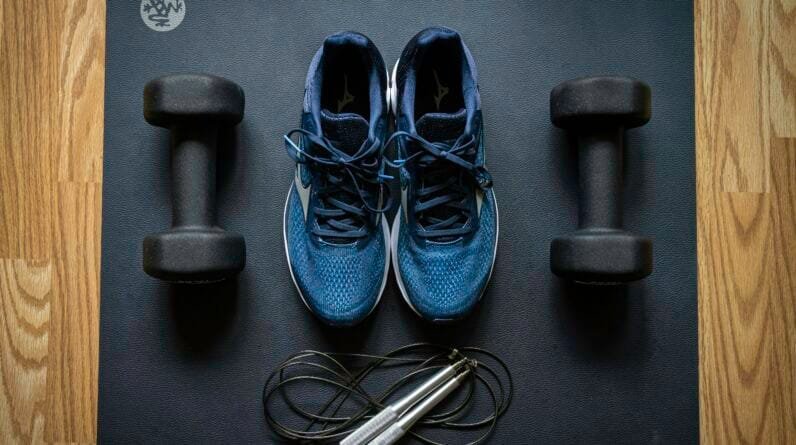
I’ll list essential equipment, optional extras, and how long sessions usually take so you can set expectations. Most workouts are 10–35 minutes, and many fall between 15–30 minutes so they’re easy to fit into a busy day. A set of dumbbells is the primary tool; optional items include a resistance band, kettlebell, plyo box/bench/chair, and a Pilates ball—though plenty of no-equipment options are included.
Equipment and Alternatives
I’ll provide equipment options and substitutions so you can train whatever you have at home. If you don’t own a piece of equipment, I’ll show simple swaps to keep workouts effective.
| Equipment | Recommended Use | Alternatives / Substitutions |
|---|---|---|
| Dumbbells (set) | Primary for strength moves (squats, presses, rows) | Filled water jugs, heavy books, backpack |
| Resistance band | Assistance for rows, glute work, mobility | Towel or bodyweight variations |
| Kettlebell (optional) | Swing variations, deadlifts, goblet squats | Dumbbell or heavy object held similarly |
| Plyo box / bench / chair | Elevated step-ups, Bulgarian split squats | Sturdy chair, stairs |
| Pilates ball (optional) | Core and mobility exercises | Pillow, rolled towel |
| No equipment | Many bodyweight sessions | — |
Plan Structure and Weekly Example
I’ll explain the primary 5-day training split with weekly rest and recovery. You’ll get a clear example of Week 1 so you can see how sessions are arranged and how rest days fit.
Primary 5-Day Split Overview
I recommend a primary five-day split that balances full-body work, targeted upper- and lower-body sessions, and bodyweight emphasis while preserving recovery days. This split helps build strength while allowing frequent movement to create a habit.
Weekly Layout Example (Week 1)
Below is a clear weekly layout to guide your first seven days. I recommend following this pattern for Week 1 while learning movement patterns and dialing in form.
| Day | Focus | Notes |
|---|---|---|
| Day 1 | Full-body | 15–25 minutes: compound lifts + short conditioning |
| Day 2 | Arms (upper focus) | 10–25 minutes: presses, rows, biceps, triceps |
| Day 3 | Rest or Beginner HIIT + Abs | Option: light mobility/rest or 10–20 minute low-impact HIIT + ab circuit |
| Day 4 | Legs | 15–30 minutes: squats, lunges, glute work |
| Day 5 | Full-body Strength | 20–30 minutes: heavier sets or longer circuits |
| Day 6 | Bodyweight | 10–25 minutes: mobility, core, bodyweight strength |
| Day 7 | Rest / Recovery | Active recovery: walk, yoga, mobility work |
I’ll encourage you to listen to your body and substitute an extra rest day if needed. Over the month, volume and complexity increase gradually to keep progress sustainable.
Key Movements and How I Coach Them
I’ll break down the foundational compound and functional exercises emphasized in the plan. For each movement, I’ll describe how to perform it, common form cues, regressions and progressions.
Squat
Squats build leg and core strength and are central to functional fitness. I coach a hip-back-first hinge before sitting down into the squat, keeping weight in the heels and chest proud. Regression: chair box squats. Progression: goblet or dumbbell front squat, tempo squats.
Lunge
Lunges develop single-leg balance and unilateral strength while improving coordination. I recommend stepping to a controlled, comfortable distance and lowering until both knees are near 90 degrees. Regression: reverse lunges or stationary split squat. Progression: walking lunges, weighted lunges, Bulgarian split squats.
Push-Up
Push-ups strengthen the chest, shoulders, triceps and core together. I coach a straight line from head to heels and engaging the core to avoid sagging hips. Regression: incline push-up (hands on a bench or table) or knee push-up. Progression: full push-up, slow eccentric push-up, or adding a clap for plyometric work.
Row
Rows target the upper back and posterior chain, counteracting forward posture. I recommend maintaining a neutral spine and pulling the elbows toward the hips. Regression: seated band rows or bent-over rows with light weights. Progression: single-arm dumbbell rows with heavier load.
Shoulder Press
Shoulder presses build pressing strength and overhead stability. I cue bracing the core and avoiding overarching the lower back. Regression: seated press or half-range presses. Progression: standing overhead press with heavier dumbbells or single-arm presses.
Deadlift (Hinge)
Deadlifts train hip hinge strength, hamstrings and glutes and teach safe lifting mechanics. I instruct initiating the movement from the hips, a neutral spine, and driving through the heels. Regression: kettlebell/dumbbell Romanian deadlift with light weight. Progression: heavier dumbbell deadlift or single-leg deadlift for balance challenge.
Sample Workouts and Session Templates
I’ll give detailed sample sessions to show how each day might look. Each session lists exercises, sets, reps or time, and modifications so you can scale appropriately.
Day 1 — Full-Body (Beginner)
I like starting the week with a balanced full-body session to stimulate multiple muscle groups.
| Exercise | Sets | Reps / Time | Notes / Modifications |
|---|---|---|---|
| Bodyweight Squat or Goblet Squat | 3 | 10–12 | Use light dumbbell or no weight |
| Incline Push-Up | 3 | 8–12 | Hands on bench if needed |
| Bent-Over Dumbbell Row | 3 | 10 each side | Use light-moderate weight |
| Deadlift (RDL) | 2–3 | 8–10 | Hinge-focused, light weight |
| Plank | 3 | 20–40 sec | Drop to knees if needed |
| Farmer Carry (walk) | 2 | 30–60 sec | Hold a dumbbell each hand |
I recommend a short warm-up before and a gentle cool-down after. If time is limited, reduce sets to 2 per exercise or split exercises across micro-workout breaks.
Day 2 — Arms / Upper Focus
This session emphasizes pressing and pulling with arm conditioning.
| Exercise | Sets | Reps | Notes |
|---|---|---|---|
| Standing Dumbbell Shoulder Press | 3 | 8–12 | Brace core |
| Dumbbell Row (single-arm) | 3 | 10 each side | Focus on scapular retraction |
| Banded or Dumbbell Biceps Curls | 3 | 10–15 | Slow negatives |
| Triceps Dips (bench) or Overhead Triceps Extension | 3 | 10–15 | Bend elbows fully |
| Band Pull-Aparts | 2 | 15–20 | Shoulder health and posture |
I encourage controlled tempo and quality reps over speed. Rest 45–90 seconds between sets depending on fitness.
Day 3 — Rest or Beginner HIIT + Abs
I include an option for a light conditioning day, but rest is equally valuable.
If you choose HIIT, keep it beginner-friendly: 10–15 minutes alternating 20–30 seconds work with 30–40 seconds recovery. Examples: low-impact knee drives, step-ups, modified mountain climbers. Follow with a 5–8 minute ab circuit: dead bug, heel taps, bicycle slow.
I respect that recovery supports progress; if you feel fatigued, take the rest day and perform a short mobility routine.
Day 4 — Legs
This day prioritizes glute and leg strength with compound and accessory moves.
| Exercise | Sets | Reps | Notes |
|---|---|---|---|
| Goblet Squat | 3 | 10–12 | Hold a dumbbell or kettlebell |
| Forward or Reverse Lunge | 3 | 8–10 each leg | Use bodyweight or weights |
| Glute Bridge or Hip Thrust | 3 | 12–15 | Pause at top for contraction |
| Romanian Deadlift | 3 | 8–12 | Hinge-focused |
| Calf Raises | 3 | 15–20 | Slow control |
I usually end leg day with a short mobility flow targeting hips and hamstrings to prevent tightness.
Day 5 — Full-Body Strength
This is a slightly longer session to build load tolerance and endurance.
| Exercise | Sets | Reps | Notes |
|---|---|---|---|
| Warm-Up (dynamic) | — | 5–7 min | Leg swings, arm circles, lunges |
| Double Circuit: A & B | 3 | 8–12 each | A: Squat, Push; B: Deadlift, Row |
| Core Finisher | 2–3 | 60 sec total | Plank variations, hollow hold |
I encourage progressively increasing weights week to week if form remains solid.
Day 6 — Bodyweight / Mobility
I use this day to practice movement quality, stability and core strength without heavy loading.
| Exercise | Sets | Reps / Time |
|---|---|---|
| Slow Air Squats | 3 | 15 |
| Incline or Knee Push-Ups | 3 | 10–15 |
| Glute Bridge | 3 | 12–20 |
| Bird Dog | 3 | 8 each side |
| Mobility Flow (hips/shoulders) | 1 | 8–10 min |
I include breathing and mobility cues so you leave the session feeling loose and steady.
Day 7 — Rest / Recovery
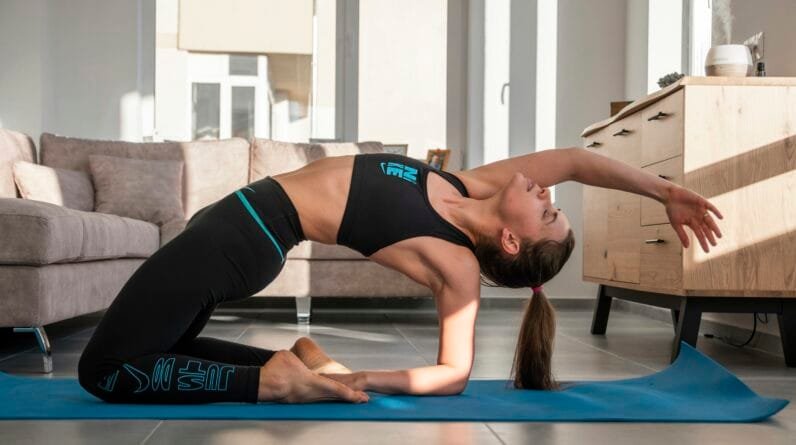
I treat this day as active recovery: walking, light yoga, foam rolling or focused mobility. Rest solidifies training adaptations and prevents burnout. I recommend at least one full rest day per week.

Weeks 2–4: Progressive Variety and How I Increase Load
I will outline what changes across the month so you see how the plan builds capacity without abrupt jumps. Over weeks 2–4 I add longer full-body sessions, glute/leg emphasis, introductory Pilates, kettlebell work, Zone 2 cardio, abs circuits, and more mobility.
Week-by-Week Progression Summary
I favor gradual progression: small increases in volume, added complexity, and occasional higher-intensity days. This keeps improvements steady and sustainable.
| Week | Focus / Additions |
|---|---|
| Week 1 | Learn movement patterns, establish habit, moderate volume |
| Week 2 | Add longer full-body sessions, introduce kettlebell basics, slight volume increase |
| Week 3 | Glute/leg emphasis, Pilates-style core work, start Zone 2 cardio sessions |
| Week 4 | Longer strength circuits, added abs circuits, mobility and recovery emphasis; test improvements |
I recommend increasing either reps, sets, or load each week by a small amount—5–10%—as long as form is maintained.
Example Additions (What I Introduce)
- Longer full-body circuits (25–35 minutes) combining compound movements and short conditioning blocks.
- Glute bridges progressed to hip thrusts with weight and single-leg work.
- Intro to kettlebell swings and goblet variations for posterior chain power.
- Pilates-style core sessions focusing on stability and coordination.
- Zone 2 cardio sessions (steady-state, conversational pace for 20–40 minutes) to support endurance and fat loss.
- Abs circuits added at the end of strength sessions to build core resilience.
I suggest tracking one primary variable each week—either weight used, total reps, or time under tension—to measure progress.
Warm-Ups and Cool-Downs
I always include short warm-up and cool-down routines to improve performance and reduce injury risk. These practices make sessions more effective and help you recover more quickly.
Warm-Up (5–7 minutes)
I recommend dynamic movements to elevate heart rate and prime the joints.
- Light cardio: 1–2 minutes (marching, knee drives, or step-back lunges).
- Mobility: leg swings, arm circles, hip openers (1–2 minutes).
- Activation: glute bridges, band pull-aparts, or bodyweight squats (1–2 minutes).
I suggest using slightly more dynamic warm-ups for tougher sessions and shorter ones for bodyweight or recovery days.
Cool-Down (5–8 minutes)
I like to finish with mobility and stretching to lower heart rate and lengthen worked muscles.
- Gentle walking and deep breathing (1–2 minutes).
- Static hamstring, quad, chest and shoulder stretches (3–5 minutes).
- Foam rolling or guided mobility for sore spots (optional).
I find this routine supports better recovery and reduces DOMS when performed consistently.
Recovery & Mobility Strategies
I’ll explain how rest and targeted mobility practices are built into the plan so you can prevent injury and continue making progress.
Built-in Rest Days and Mobility Work
I schedule at least one full rest day per week and a mobility-focused session to restore joints and soft tissue. I also recommend short mobility sets after workouts and on rest days to keep range of motion.
Sleep, Hydration, and Nutrition
I emphasize the role of adequate sleep (7–9 hours), consistent hydration, and balanced meals to support performance and recovery. Small changes—protein with each meal, whole-food carbohydrates for energy, and healthy fats—can accelerate results from the training itself.
I avoid prescribing rigid diets; instead I recommend a simple approach: prioritize protein for recovery, hydrate, and choose nutrient-dense foods.
Flexibility and Personalization
I built the plan to be flexible so you can adapt it to your life and preferences while maintaining progress. I’ll cover how to modify days, use micro-workouts, or combine the plan with running or other training.
Micro Workouts (5–10 minutes)
If your schedule is tight, I encourage short micro-workouts. These are 5–10 minute bursts focused on one movement pattern or a small circuit to maintain habit and energy levels. Examples: 5-minute AM bodyweight circuit, or 10-minute abs and mobility in the evening.
Adapting Intensity and Swapping Workouts
I suggest adjusting intensity using RPE (Rate of Perceived Exertion) from 4–9 depending on recovery. You can swap similar sessions (e.g., legs for kettlebell day) to keep variety. If combining with running, put the harder strength session on non-run days or maintain a lower volume to balance fatigue.
Combining with Hybrid Training
I support hybrid training—pairing this plan with runs, bike rides, or sport—by recommending lower volume or lighter strength loads on high-volume cardio weeks. Consistent strength builds resilience and reduces injury risk for runners.
Downloadable Custom Options (3-, 4-, and 5-day)
I provide multiple schedule options so you can choose what fits your week. Below is a simple table of the downloadable formats and their core focus so you can pick one that matches your availability.
| Plan Option | Weekly Days | Focus | Who It’s Best For |
|---|---|---|---|
| 3-Day | 3 sessions + mobility | Full-body emphasis, higher per-session volume | Busy schedules wanting consistency |
| 4-Day | 4 sessions + recovery | Split focus: upper, lower, full-body, mobility | Those wanting balance between frequency and time |
| 5-Day | 5 sessions + recovery | Primary split with dedicated arm/leg days | Beginners wanting daily habit and progression |
I recommend the 3-day plan if you’re very time-limited, the 4-day for steady progress, and the 5-day for building a consistent habit with frequent practice.
Tracking Progress and Measuring Success
I encourage simple, consistent tracking to keep motivation up and to measure progress without obsession.
Practical Tracking Methods
- Note weights used, reps completed and session duration in a log or app.
- Perform weekly mini-tests: bodyweight squat depth, number of incline push-ups in one minute, or a timed plank.
- Use subjective measures: energy levels, sleep quality, how clothes fit, and confidence levels.
I don’t recommend daily weigh-ins; instead use trends over 2–4 weeks to guide adjustments.
Outcomes to Expect After 30 Days
I’ll set realistic expectations for what consistent adherence to this plan usually produces in 30 days. Typical benefits include improved strength, functional fitness, endurance, and increased confidence and consistency.
Realistic Results
- Noticeable improvements in bodyweight exercises and ability to increase dumbbell loads.
- Better joint mobility, reduced stiffness, and improved balance.
- More consistent workout habit and greater confidence in movement.
- Modest fat loss or improved body composition if paired with a sustainable eating pattern.
I emphasize that individual results vary based on starting point, nutrition, sleep, stress and adherence.
Frequently Asked Questions
I’ll answer common questions succinctly so you feel prepared to follow the plan.
What if I miss a day?
Missing a day is normal; I recommend returning to the schedule the next day rather than trying to cram extra sessions. If missed sessions become frequent, reduce the weekly plan (e.g., switch from 5-day to 3- or 4-day) to create a sustainable routine.
How much weight should I use?
Choose a weight that challenges you while allowing you to maintain form for the prescribed rep range. If you can do more than the top of the rep range with perfect form, increase the weight slightly. If you cannot complete the lower end with safe form, reduce weight or regress the movement.
Can I do this while running or cycling?
Yes. I recommend scheduling harder strength sessions on non-run or low-intensity days, and using lighter strength or mobility sessions on higher-volume cardio days. Zone 2 cardio can complement the resistance work.
Is there a video library?
Yes, video-led workouts and a YouTube playlist are available for many sessions. I encourage watching demos for form cues and using videos for guidance when trying new movements.
Safety Notes and Injury Prevention
I consider safety essential. I recommend that you prioritize pain-free movement and consult a healthcare professional before starting if you have pre-existing conditions.
When to Stop or Modify
If you experience sharp joint pain, dizziness, or unusual shortness of breath, stop and consult a professional. Modify exercises around injuries and use regressions until strength and mobility improve.
I encourage slow, consistent progress rather than fast increases in volume or load.
Habit and Motivation Tips
I’ll share practical habit-forming tips that I use and recommend to keep consistent through 30 days and beyond.
- Schedule workouts like appointments and treat them as non-negotiable.
- Use habit stacking: attach a workout to an existing daily routine (after morning coffee or before dinner).
- Track small wins: celebrate weekly consistency rather than perfection.
- Partner up: find an accountability buddy or join a community; even brief check-ins raise adherence.
- Set simple, measurable goals for 30 days (e.g., complete 20 workouts, increase squat load by 10%).
I find small, repeatable actions compound into lasting habits.
Final Notes and Encouragement
I’ve laid out a practical, adaptable 30-day at-home plan inspired by Lindsey Bomgren’s approach, with clear structure, progression and options for customization. My goal is that you finish the 30 days feeling stronger, more mobile, and confident in your ability to maintain consistent movement.
If you’re ready to start, pick the format that fits your life (3-, 4-, or 5-day) and commit to showing up in whatever form your day allows. Small, consistent steps matter more than perfection, and I’m confident you’ll notice meaningful changes by the end of the month.