Best Body And Mind Habits For Busy People
Best Body And Mind Habits For Busy People. I wrote this guide from the perspective of someone who juggles deadlines, family commitments, and a loaded inbox. I share what I practice and recommend so that small, reliable habits add up into sustained well-being even when life is hectic.
Why habits matter more than heroic efforts
I notice that consistency beats intensity most days. Short, repeated actions shape my biology and psychology far more than rare marathon efforts, so I prefer building systems that fit into a busy life.
I also rely on the principle that small predictable wins produce momentum. When I stack tiny wins, my confidence grows and larger healthy patterns become easier to maintain.
The underlying principles I follow
I use a few guiding rules when I choose habits: simplicity, sustainability, specificity, and measurability. These keep my routine realistic and prevent the common trap of abandoning plans that feel overwhelming.
I structure habits around context and cues, making them frictionless to start and rewarding to continue. That combination makes it more likely that a habit will survive the inevitable busy weeks.

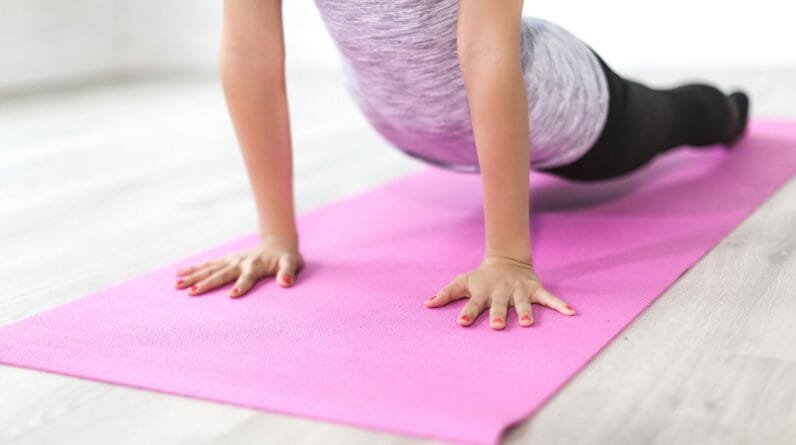
This image is property of images.pexels.com.
How to use this guide
I wrote each section so I can pick and apply one or two ideas immediately. I recommend testing a habit for two weeks, noticing the effects, and adjusting rather than attempting a complete overhaul all at once.
I include practical micro-options for 2–5 minutes, 10–15 minutes, and 30+ minutes so I can maintain progress no matter how tight my schedule is.
Quick comparison: micro habits vs macro habits
I find it useful to separate habits by time investment and impact. The table below summarizes their roles so I can choose what fits my current load.
| Habit type | Typical duration | Purpose | Examples |
|---|---|---|---|
| Micro habits | 1–5 minutes | Maintain momentum, reduce decision fatigue | 2-minute breathing, 1-minute stretch, gratitude note |
| Short habits | 10–15 minutes | Boost recovery and focus | Quick bodyweight circuit, focused journaling, mindful walk |
| Macro habits | 30+ minutes | Build capacity and resilience | Full workout, meal prep, extended meditation |
I use micro habits on chaotic days and save macro habits for times I can commit fully. That flexibility helps me stay consistent.
Body habits that fit a busy life
I view physical health as the foundation that supports cognitive performance, mood, and long-term energy. The most important body habits I use are sleep, movement, hydration, and nutrition.
Sleep: my non-negotiable recovery window
I aim for consistent sleep timing, because my circadian rhythm influences my energy and mood more than a single long sleep or a short nap. Two consistent sentences: I try to keep bedtime within a 60-minute window each night and prioritize 7–9 hours when possible. When schedule conflicts occur, I focus on sleep quality—cool, dark room and a tech curfew—so the sleep I get is restorative.
I apply small rituals: dimming lights an hour before bed, a brief breathing routine, or a written “brain dump” so my mind isn’t rehearsing tasks when I lie down. Those simple cues tell my body it’s time to rest.
Movement: short bursts beat nothing
I schedule movement like a meeting so it actually happens. Even ten minutes of vigorous movement raises my heart rate, improves mood, and clears mental fog.
I rotate between quick mobility sets (2–5 minutes between meetings), focused strength sessions (15–30 minutes three times weekly), and longer outdoor walks when time allows. This mix keeps my joints happy, strengthens my core, and sustains energy without needing a gym every day.
Nutrition: practical and simple fueling
I focus on whole foods and predictable meals rather than perfect macros. I make protein the centerpiece at meals to maintain satiety and preserve muscle during stress.
I batch-cook staples on a single day and assemble quick meals during busy windows. That practice reduces decision fatigue and ensures I don’t rely on low-quality convenience options.
Hydration: small, frequent sips
I keep a water bottle nearby and set gentle reminders instead of forcing huge water goals once a day. Regular sips support digestion, cognition, and energy levels.
I add electrolytes or a pinch of salt to water during long days or workouts to maintain balance without complicated routines.
Recovery practices I use weekly
I include one longer recovery session weekly—stretch, massage, sauna, or a low-intensity yoga class. That session reduces accumulated tension and improves sleep quality.
I also use micro-recovery: a 2-minute shoulder release, a few breaths between meetings, or a short walking break to reset my posture and circulation.
Mind habits that protect focus and calm
I treat my mental health like I treat my physical health: consistent care prevents crises. I find that short, repeatable practices shift my baseline stress and sharpen cognitive flexibility.
Mindfulness and attention training
I practice short mindfulness sessions when I can. Two-sentence guidance: I often do 5–10 minute breath-focused sessions in the morning or between tasks to reset and center my attention. These brief moments reduce reactivity and improve clarity for complex decisions.
I also train attention with single-tasking: I limit multitasking and use focused work sprints of 25–50 minutes to produce my best work.
Emotional regulation: labeling and micro-breaks
I name emotions when they appear—frustration, fatigue, or excitement—because labeling reduces amygdala activation. A quick pause and a one-sentence note in my journal helps me see patterns and avoid escalation.
I use micro-breaks of 60–120 seconds to breathe, stretch, or step outside when emotions feel intense. Those tiny pauses prevent impulsive reactions and reset my energy.
Gratitude and perspective practice
I spend a minute each evening listing three things that went well. This short habit tilts my attention toward positive experiences and improves my mood without requiring extra time.
I also maintain a weekly note of lessons and wins, which helps me track growth across busy months and reduces the sense that I’m always catching up.
Learning and cognitive stimulation
I protect 10–20 minutes daily for deliberate learning—reading, language practice, or problem-solving puzzles. These small investments keep my neural pathways engaged and enhance long-term cognitive reserve.
I prefer short, dense content like summaries, one chapter of a book, or an audio lesson during commutes so learning fits into my pockets of spare time.
Social connection and boundaries
I prioritize short but meaningful social interactions rather than long but shallow ones. A 15-minute call, a shared meal, or a focused check-in with a friend or family member keeps relationships strong despite limited time.
I balance connection with necessary boundaries: I schedule “no-meeting” blocks or tech-free evenings so I can recharge and be more present when I do connect.
Digital hygiene: controlling the attention economy
I create friction for distractions: screen time limits, notification silencing, and an inbox-checking schedule. A few deliberate barriers save me hours of reactive scrolling.
I also batch social media and email into specific windows and use app timers to stay accountable.
Combining body and mind: routines that work for my schedule
I design routines that integrate body and mind practices so they support each other. Small rituals anchor my day and make healthy choices easier.
Morning routine: short and consistent
I keep mornings efficient: hydration, movement, brief focus session, and a protein-rich breakfast. When time is short, I compress this into 10 minutes: water, 3-minute mobility, and a 3-minute breath or intention.
I use a short “top three” planning habit so I start the day with clarity and fewer mental interruptions. That planning reduces scattered effort and increases my productivity.
Midday reset: recharging without losing momentum
I take a 10–20 minute midday reset: walk outside, eat a balanced meal, and close my eyes for a few minutes. These actions provide a clear mental boundary between work blocks and restore focus.
If I only have five minutes, I do a breathing pattern, a few neck and shoulder stretches, and a sip of water to reset posture and calm stress hormones.
Evening routine: transition and recovery
I shut down work with a short ritual: review completed tasks, plan tomorrow’s top three, and do a brain dump for lingering thoughts. That transition helps me relax and prevents nocturnal problem-solving.
I keep screens dim and avoid stimulating content close to bedtime, replacing it with reading or a brief gratitude practice to prime restful sleep.

This image is property of images.pexels.com.
Habit formation tactics I rely on
I use evidence-based strategies to make habits stick: cue-routine-reward, habit stacking, environmental design, and commitment devices. They make my intended behavior the easier option.
Habit stacking: attaching new habits to existing ones
I attach a 1–2 minute habit to something I already do, like doing four squats after brushing my teeth. This lever leverages an established cue and lowers the friction for the new habit.
I keep stacks tiny at first and extend them gradually, ensuring they become automatic before adding complexity.
Environmental design: making the desired choice obvious
I remove friction for healthy choices and add friction for unhealthy ones. I place my water bottle and workout gear where I’ll see them and move snacks out of sight.
I also schedule workouts as calendar events so they compete with meetings on equal footing.
Accountability and tracking
I track habits with a simple checklist or an app and review progress weekly. Seeing streaks helps me sustain behaviors, and occasional misses feel less catastrophic.
I pair accountability with a social check-in or a partner when possible, because external commitments increase my follow-through.
Pre-commitment and time blocking
I block time for important habits on my calendar and treat them like non-negotiable meetings. That prevents last-minute scheduling conflicts from eroding my routines.
I also use pre-commitment tactics—booking a class, pre-making meals, or setting alarms—to reduce decision fatigue during busy days.
Practical habit options based on time available
I find it helpful to have a repertoire of habits tailored to short, moderate, and longer time windows. The next table lists choices I rotate through depending on how busy I am.
| Time available | Body habit | Mind habit |
|---|---|---|
| 1–3 minutes | Neck/shoulder release, hydrated sip | 30–60s focused breathing, gratitude note |
| 5–10 minutes | 5–10 minute mobility or bodyweight set | 5-minute journaling or intention setting |
| 15–20 minutes | Quick HIIT or brisk walk | Focused reading or guided meditation |
| 30–45 minutes | Strength session or yoga | Deep work block or extended reflection |
| 60+ minutes | Longer run, class, meal prep | Learning session, therapy, social time |
I polish my days by matching the habit to the available window rather than forcing a single ideal routine every day.
How I prioritize when all habits can’t fit
I rank habits by daily impact and feasibility: sleep, hydration, and quick movement are top priorities. I allocate the remaining bandwidth to what I most enjoy or what my body needs—strength work for long-term health or meditation for stress control.
I drop lower-impact activities gracefully, and reintroduce them when schedule pressure decreases. That flexibility prevents guilt and maintains momentum.
Sample weekly plan I use as a template
I follow a flexible weekly template that balances productivity and recovery. The table below shows a sample week I might use on a busy month.
| Day | Morning | Midday | Evening |
|---|---|---|---|
| Mon | 8–10 min mobility + intention | 15 min walk + protein lunch | 10 min reading + wind-down |
| Tue | 5 min breath + 20 min strength | 10 min journal + errands | 30 min yoga or stretching |
| Wed | 10 min run or brisk walk | 20 min focused work + healthy meal | Social call or hobby time |
| Thu | 5 min breath + 15 min mobility | Quick 10 min HIIT | Review week + gratitude |
| Fri | 10 min reading + light movement | 30 min deep work | Early sleep for recovery |
| Sat | 30–60 min longer workout | Meal prep for week | Leisure and connection |
| Sun | Rest morning + light stretching | Planning + learning | Early wind-down and prep |
I treat this as a template rather than a strict schedule so I can adapt when life gets unpredictable.
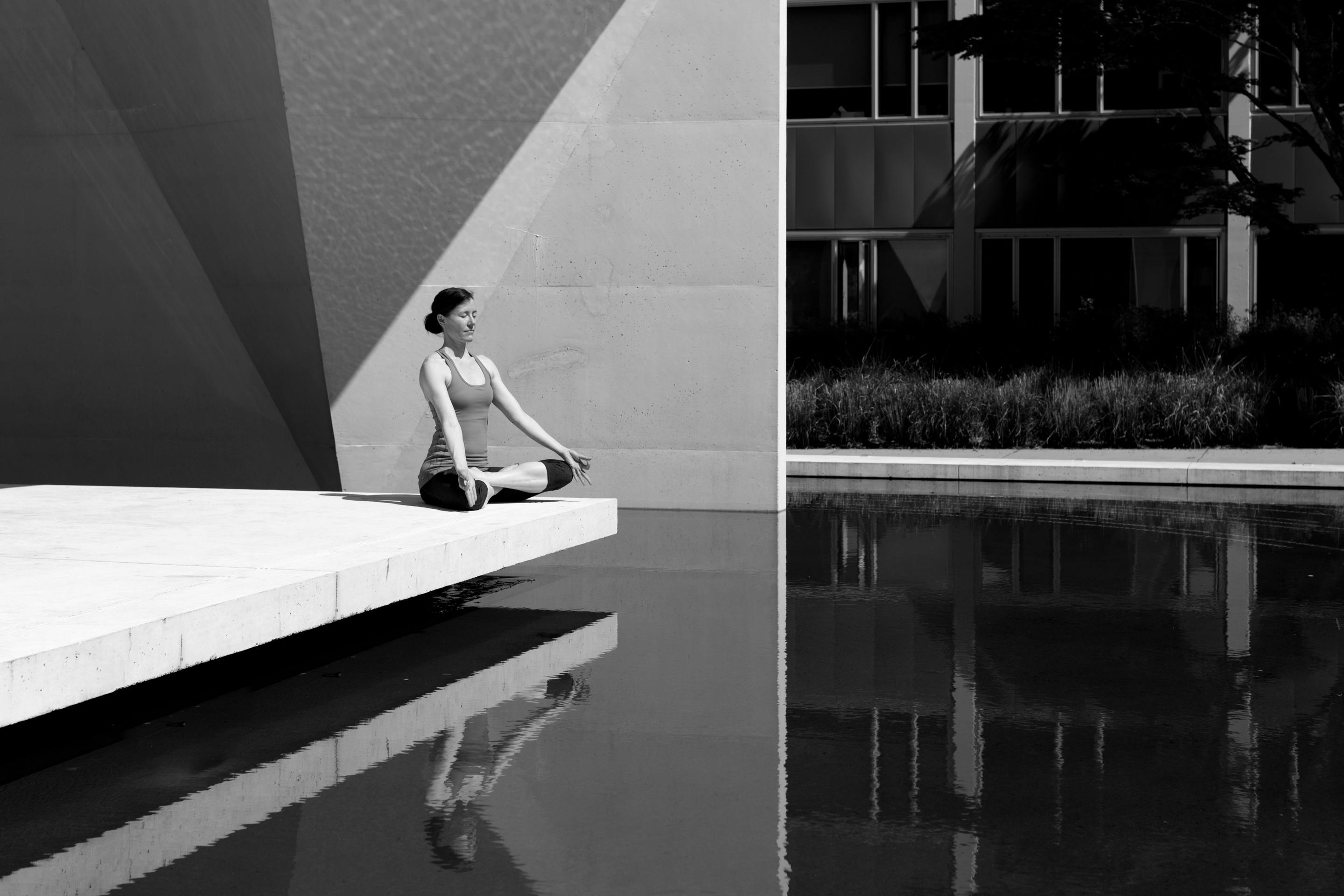
This image is property of images.pexels.com.
Adapting habits to travel and irregular schedules
I prepare a portable version of my routine for travel: resistance bands, a small habit checklist, and a plan for sleep cues like eye masks and earplugs. Small rituals—like consistent wake times and a short movement set—keep me grounded in new environments.
When schedules are irregular, I lower expectations and hold onto micro-habits. Even a 2-minute breath or a single mobility flow keeps the habit architecture intact.
Dealing with setbacks and busy seasons
I accept that misses will happen and use a “gentle restart” approach: forgive the lapse, pick a micro-habit, and rebuild consistency quickly. A short reset reduces shame and restores momentum.
I also plan recovery weeks when possible—shorter workouts, more sleep, simpler meals—to prevent burnout and re-establish energy reserves.
Tracking progress without becoming obsessive
I track a few high-impact metrics: sleep quality, energy, mood, and whether I hit my top-three daily tasks. I avoid over-monitoring calorie counts or minute-by-minute productivity because that can become draining.
I use weekly reflections to see trends and adjust. The qualitative notes I write about how I felt on certain days give me the richest data.
Tools and minimally invasive aids I use
I rely on low-friction tools: a water bottle with measurements, a calendar for time blocks, a simple habit tracker, and occasional wearable feedback for sleep. These support my choices without taking over my day.
I rarely use numerous apps simultaneously; I prefer one or two tools that integrate into my workflow so they become part of my environment rather than another task.
Sample micro-sessions I use when time is scarce
I prepared a few exact mini-sessions that I can perform anywhere. These are the ones I return to on hectic days.
- 3-minute morning mobility: neck rolls, cat-cow, forward fold. I do this right after getting out of bed to wake body and joints.
- 2-minute breathing reset: 4-4-4 box breathing (inhale 4, hold 4, exhale 4, hold 4) repeated three times. I use this between back-to-back meetings.
- 5-minute strength AMRAP: 10 push-ups, 15 squats, 20 walking lunges — repeat until time is up. I do this when I have a short break but want to keep strength density.
- 5-minute gratitude and planning: three things that went well + top three tasks for tomorrow. I do this as part of my evening closure.
I keep these rehearsed so I don’t waste time deciding what to do when stressed.
How I balance discipline with flexibility
I set non-negotiable anchors like sleep timing and a weekly longer workout, and allow flexibility for the rest. This structure creates stability without rigidity.
I also check in monthly to reassess priorities. As long as the core anchors are intact, I accept shorter-term deviations and reestablish the routine when possible.
Scientific rationale behind my choices (brief)
Habit stacking and environmental design are grounded in behavioral economics and psychology—reducing friction increases desired behaviors. Short, frequent movement breaks improve circulation and cognitive function. Consistent sleep timing supports circadian rhythm, which influences metabolic and cognitive health.
I prefer interventions with replicated evidence and practical feasibility, not trends that require large time investments to show small gains.
What I measure to know the habits are working
I watch changes in energy, productivity, mood, sleep quality, and recovery from workouts. I also note how often I revert to reactive behaviors like junk food or doom-scrolling.
If these markers improve over a few weeks, I treat the habits as effective. If not, I swap approaches or simplify until I find what sticks.
Common obstacles I faced and solutions I used
- Obstacle: Not enough time. Solution: I switched to micro-habits and time-blocking.
- Obstacle: Motivation drops after a busy week. Solution: I used a “gentle restart” and focused on micro-momentum.
- Obstacle: Travel disrupts sleep. Solution: I prioritized circadian cues and portable sleep aids.
I learned that anticipating problems and pre-planning solutions reduces friction and stress.
How to customize these habits for personal needs
I consider my current energy, physical limitations, and preferences before adopting a habit. I swap modalities—walking instead of running, yoga instead of HIIT—so the habit fits my taste and constraints.
I also tailor frequency: I might do strength training twice a week when time is tight and increase to three or four times when feasible.
Final checklist I carry with me
I keep a one-page mental checklist for busy days: hydrate, short movement, 1 focused work sprint, 3-minute breathing reset, protein-rich meal, quick reflection in the evening. This minimal set preserves baseline health and performance.
I use this checklist as a simple litmus test—if I manage these items, I’m likely in a reasonable place even during a hectic period.
Closing thoughts and encouragement
I trust small consistent actions far more than dramatic but short-lived efforts. When I prioritize a few core habits and protect them with structure and compassion, my body and mind stay resilient even when time is scarce.
I recommend picking one micro and one short habit this week, practicing them daily, and assessing how they influence my energy and clarity. Small, steady steps add up far faster than I expect when I remain patient and consistent.