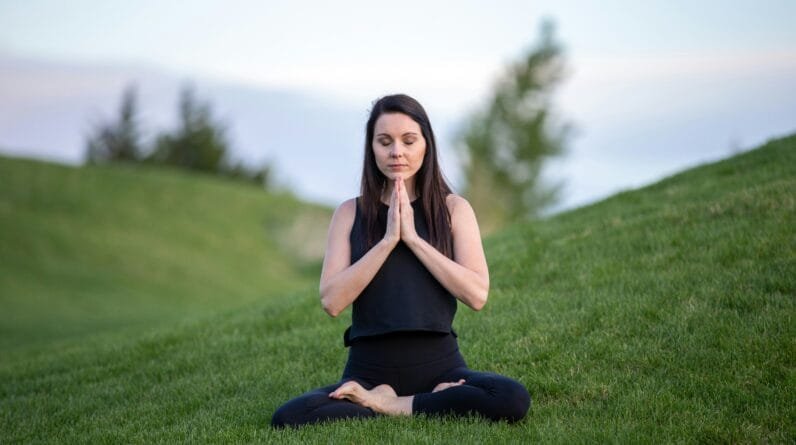
Body And Mind Complete Guide To Holistic Wellness
Body And Mind Complete Guide To Holistic Wellness. Have you ever wondered how to bring my body and mind into a balanced, sustainable state of wellness?
I wrote this guide to help me—and anyone reading—understand holistic wellness as a practical, integrated way of living. I’ll cover physical, mental, social, spiritual, environmental, and integrative practices so I can design a plan that fits my life.
What is Holistic Wellness?
I see holistic wellness as an approach that treats the whole person rather than isolated symptoms. It recognizes that my physical health, emotional state, relationships, environment, and sense of purpose interact continuously.
Core Principles of Holistic Wellness
I embrace principles like balance, prevention, personalization, and integration when I pursue wellness. These principles remind me that small, consistent changes often produce bigger, lasting benefits than quick fixes.
Balance and Interconnectedness
I prioritize balance between activity and rest, nourishment and indulgence, social time and solitude. I accept that what affects one area of my life will likely affect others, so I pay attention to interactions rather than only individual parts.
Prevention and Proactive Care
I focus on preventing problems by practicing healthy habits before serious symptoms arise. Preventive care includes regular check-ups, vaccinations, screenings, and addressing stress early.
Personalization and Self-Knowledge
I tailor recommendations to my own needs, genetics, preferences, and life context rather than following one-size-fits-all advice. I learn through self-assessment and by consulting trusted professionals to adapt strategies over time.
Integration and Collaboration
I combine conventional medicine with evidence-based complementary practices when appropriate, and I communicate openly with practitioners to coordinate care. Integration helps me access the best tools from multiple disciplines.

This image is property of images.unsplash.com.
Physical Wellness
I consider physical wellness a foundation because my body supports everything I want to do. This section covers nutrition, movement, sleep, and recovery—core areas where daily choices matter.
Nutrition: Food as Medicine
I use food to fuel performance, support mood, and prevent chronic disease by prioritizing whole, minimally processed foods. I aim to build meals rich in vegetables, fruits, quality proteins, healthy fats, and complex carbohydrates.
Macronutrients and Micronutrients
I balance carbohydrates, proteins, and fats according to my energy needs and activity levels while ensuring I get essential vitamins and minerals. Micronutrients like vitamin D, magnesium, B vitamins, iron, and omega-3 fatty acids often deserve special attention.
| Nutrient | Key Food Sources | Why It Matters | Typical Guidance |
|---|---|---|---|
| Protein | Lean meats, legumes, dairy, tofu | Muscle repair, enzymes, hormones | 0.8–1.6 g/kg depending on activity |
| Omega-3s | Fatty fish, flaxseed, walnuts | Brain, heart, inflammation control | 250–500 mg EPA/DHA daily from fish oil or sources |
| Vitamin D | Sunlight, fortified foods, supplements | Bone, immune, mood regulation | 600–2000 IU daily depending on levels |
| Magnesium | Nuts, seeds, leafy greens | Sleep, muscle function, energy | 200–400 mg/day often helpful |
| Iron | Red meat, beans, spinach | Oxygen transport, energy | Higher needs for menstruating people |
Hydration and Its Role
I drink water regularly to support digestion, circulation, temperature regulation, and cognitive function. I pay attention to thirst cues, urine color, and my activity level to guide hydration.
Movement and Exercise
I use exercise not just to change appearance but to enhance strength, mobility, cardiovascular health, and mood. Regular movement reduces chronic disease risk and helps me feel more resilient.
Aerobic Exercise
I include aerobic activities like walking, running, swimming, or cycling to improve heart and lung capacity. I aim for at least 150 minutes of moderate-intensity or 75 minutes of vigorous activity weekly, scaled to my fitness.
Strength Training
I prioritize resistance work to preserve muscle mass, bone density, and functional independence as I age. Two to three sessions per week targeting major muscle groups suits most people.
Flexibility and Mobility
I practice stretching, foam rolling, and mobility routines to reduce injury risk and maintain range of motion. Gentle daily movement helps me feel better in my joints and posture.
Sleep and Recovery
I regard sleep as non-negotiable restoration time that shapes mood, cognition, immune function, and metabolic health. I plan recovery days and prioritize quality sleep to support training and daily functioning.
Sleep Hygiene Checklist
I follow basic sleep hygiene habits to improve sleep quality, including consistent timing and a calming pre-bed routine. The table below summarizes common habits that help me sleep better.
| Habit | What I Do | Why It Helps |
|---|---|---|
| Consistent schedule | Go to bed and wake within 30 min daily | Regulates circadian rhythm |
| Wind-down routine | Read, light stretching, warm shower | Signals body to relax |
| Screen curfew | Avoid screens 30–60 min before bed | Reduces blue light and stimulation |
| Sleep environment | Dark, cool, quiet bedroom | Promotes deep sleep |
| Limit caffeine/alcohol | Avoid late-day caffeine, moderate alcohol | Prevents sleep fragmentation |
Mental and Emotional Wellness
I pay close attention to my mental health because it affects every area of my life. Managing stress, building resilience, and cultivating emotional awareness are central to long-term wellbeing.
Stress Management
I practice active stress reduction by identifying stressors, changing what I can, and accepting what I cannot. I use tools like planning, reframing, breathing, and professional support when needed.
I include mindfulness practices to train attention and increase awareness of thoughts and sensations. Simple habits like focused breathing or short meditations help me reduce reactivity and improve concentration.
Cognitive Tools: CBT and Reframing
I use cognitive-behavioral strategies to notice automatic thoughts and to challenge unhelpful patterns. Reframing and evidence-based thought experiments often reduce anxiety and depressive thinking.
Journaling and Emotional Processing
I journal to clarify feelings, track patterns, and process difficult emotions. Writing helps me reflect without immediately reacting, which often leads to clearer decisions.
Psychotherapy and Counseling
I seek professional therapy when patterns feel entrenched, when stress overwhelms daily functioning, or when I want to accelerate personal growth. Therapy provides a structured, confidential space for change.
Emotional Intelligence and Resilience
I work on recognizing my emotions, regulating them, and communicating effectively with others. Building resilience includes practicing flexibility, optimism, and problem-solving skills.
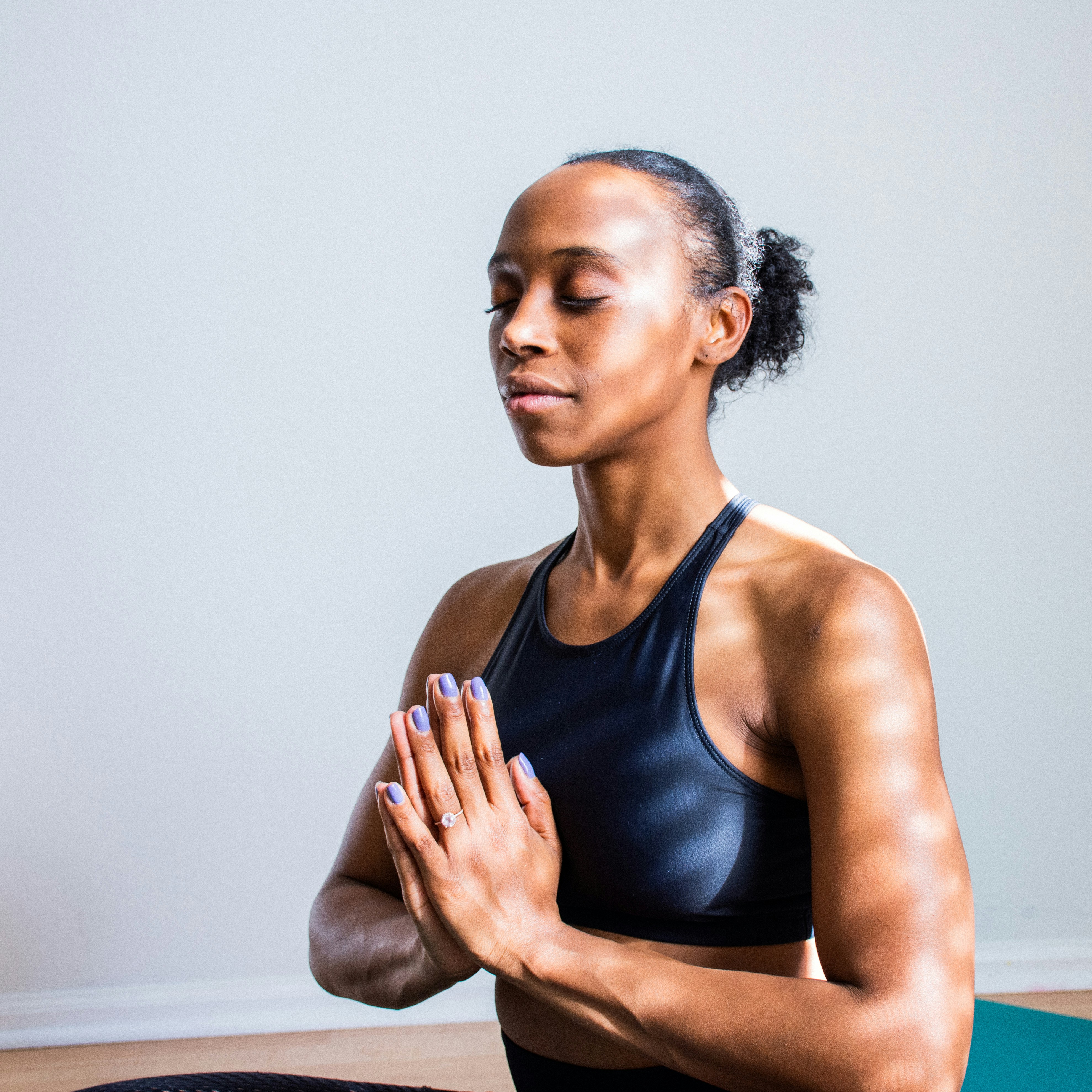
This image is property of images.unsplash.com.
Social and Relational Wellness
I recognize that relationships powerfully impact my health, and I intentionally nurture supportive social networks. Healthy connections provide meaning, practical help, and emotional resources.
Building Healthy Relationships
I invest time in relationships that are reciprocal, respectful, and aligned with my values. I prioritize presence and active listening to deepen connections.
Community and Belonging
I seek community—through groups, clubs, volunteering, or faith communities—to reduce isolation and to share common purpose. Being part of something larger than myself supports longevity and mental health.
Boundaries and Communication
I set clear boundaries to protect my energy and to communicate needs effectively, which prevents resentment and burnout. Assertive communication balances honesty with respect.
Spiritual and Purposeful Living
I consider spiritual wellness as a sense of meaning and connection that can be religious, philosophical, or secular. Purpose fuels motivation and helps me make values-based choices.
Meaning and Purpose
I reflect on what matters most and align my daily actions with those priorities to foster meaning. Purpose can change across life stages, and I allow it to evolve.
Spiritual Practices
I may include prayer, meditation, ritual, reading sacred texts, or contemplative walks as practices that nourish spirit. These practices anchor me during transitions and stress.
Gratitude and Compassion
I cultivate gratitude and compassion as daily habits by keeping a gratitude list and intentionally practicing kindness toward others and myself. These attitudes enhance well-being and deepen relationships.
This image is property of images.unsplash.com.
Environmental and Lifestyle Factors
I shape my environment to support my wellness goals, recognizing that physical surroundings influence behavior and health. Small changes in lighting, ergonomics, and decluttering can have outsized effects.
Creating a Healthy Home and Workspace
I design living and workspaces that reduce toxins, enhance comfort, and minimize stressors like noise and poor lighting. Good ergonomics and clean air are practical investments in daily health.
| Environmental Issue | Practical Actions | Benefit |
|---|---|---|
| Indoor air quality | Use plants, ventilation, HEPA filters | Fewer irritants, improved breathing |
| Lighting | Max natural light, use warm bulbs in evening | Better sleep cycles, mood |
| Noise | Soft furnishings, noise-canceling tools | Reduced stress, better focus |
| Clutter | Regular decluttering, storage systems | Reduced cognitive load, calmer space |
Digital Wellness and Screen Time
I manage screen time by setting phone-free periods, adjusting notifications, and prioritizing real-world interactions. Conscious technology use supports attention, sleep, and relationships.
Nature and Outdoor Time
I spend time in nature regularly because outdoor time lowers stress, boosts immune function, and improves mood. Even short walks in green spaces have measurable benefits.
Integrative and Complementary Practices
I consider evidence-based complementary therapies as additional tools, not replacements, for core medical care. I choose practices that align with my goals and consult professionals when necessary.
Yoga, Tai Chi, Qigong
I use movement practices like yoga, tai chi, and qigong to combine strength, flexibility, breathing, and mindful focus. These practices can improve balance, reduce stress, and increase body awareness.
Acupuncture and Traditional Therapies
I may use acupuncture, massage, or other traditional therapies for pain, stress, and recovery when evidence and professional guidance support them. I always communicate with my healthcare providers about these therapies.
Herbal Medicine and Supplements
I approach herbs and supplements cautiously, prioritizing quality, evidence, and appropriate dosing. Supplements can fill gaps, but they may interact with medications or be unnecessary when my diet is adequate.
| Supplement/Herb | Potential Benefit | Safety Considerations |
|---|---|---|
| Fish oil (EPA/DHA) | Cardiovascular, cognitive support | Watch for bleeding risk, quality varies |
| Vitamin D | Bone, immune, mood | Check levels before high-dose use |
| Magnesium | Sleep, muscle cramps | Can cause diarrhea in high doses |
| Ashwagandha | Stress reduction | Avoid if pregnant or with certain meds |
| Turmeric/Curcumin | Inflammation support | Needs adequate dosing/formulation for effect |
Energy Work and Biofeedback
I may experiment with biofeedback, Reiki, or other energy-based modalities as adjunctive practices for relaxation and self-regulation. Results vary, and I evaluate them based on personal outcomes and safety.
Designing a Personalized Holistic Plan
I build a wellness plan by combining assessment, clear goals, practical routines, and regular review. Personalization and gradual change increase long-term adherence.
Assessment: Where Am I Now?
I begin with a health inventory that covers sleep, energy, mood, movement, relationships, nutrition, and medical history. Honest assessment helps me prioritize what will move the needle most.
| Area | Current Status (example) | Priority (1–5) |
|---|---|---|
| Sleep | 6 hours, frequent awakenings | 4 |
| Movement | Walks 3x/week, no strength training | 3 |
| Nutrition | High processed foods, low vegetables | 5 |
| Stress | High, work-related | 5 |
| Social | Few close friends nearby | 3 |
Goal Setting and SMART Goals
I set SMART goals—specific, measurable, achievable, relevant, time-bound—to translate intentions into action. For example: “I will walk 30 minutes five days a week for the next four weeks.”
Building Habits and Routines
I focus on keystone habits that create momentum, like morning routines, weekly meal prep, and scheduled movement. I use habit stacking and small increments to make changes sustainable.
Sample Weekly Routine
I design a realistic weekly routine that balances activity, rest, and social time so I can maintain consistency without burnout. The sample table below is a template I adapt to my schedule and energy levels.
| Day | Morning | Midday | Evening |
|---|---|---|---|
| Mon | Short meditation, protein breakfast | 30-min walk | Strength session, wind-down |
| Tue | Mobility routine | Balanced lunch, work focus | Social time or light yoga |
| Wed | Cardio session | Hydration focus, standing breaks | Creative hobby, journaling |
| Thu | Strength training | Mindful eating | Reduce screens, reading |
| Fri | Gentle stretching | Light social lunch | Relaxed activities, sleep prep |
| Sat | Longer outdoor activity | Meal prep for week | Family/friends time |
| Sun | Rest, reflection | Plan week, errands | Early bedtime |
Tracking Progress and Adjusting
I monitor progress with simple, consistent measures and adjust based on outcomes and feedback. Flexibility matters; I modify the plan rather than abandoning it.
Metrics and Biomarkers to Watch
I track a mix of subjective and objective measures: sleep hours/quality, mood ratings, energy, weight (if relevant), blood pressure, bloodwork markers like HbA1c, lipids, vitamin D, and inflammation markers. These data points help me see trends and decide when to adapt.
I keep a short daily log of mood, energy, sleep, and movement to identify patterns and triggers. Accountability—through a coach, friend, or group—improves adherence and provides motivation.
When to Seek Professional Help
I consult healthcare professionals if symptoms persist, worsen, or interfere with daily functioning, or if I’m considering major changes like new medications or chronic supplement use. Timely professional evaluation prevents complications.
Common Pitfalls and How I Avoid Them
I acknowledge common traps like perfectionism, all-or-nothing thinking, misinformation, and neglecting gradual progress. I use strategies to stay consistent and realistic.
Perfectionism and All-or-Nothing Thinking
I avoid setting unrealistically strict rules that lead to burnout or shame when I slip. I focus on progress, not perfection, by celebrating small wins and returning quickly to routine after setbacks.
Misinformation and Fads
I vet health claims by checking peer-reviewed research, reputable organizations, and discussing changes with trusted clinicians. I prefer interventions with clear benefit-risk profiles over trendy quick fixes.
Overtraining and Under-Recovery
I listen to my body to prevent injury from excessive training and schedule rest days to allow adaptation. Recovery strategies include sleep, nutrition, hydration, and active recovery sessions.
Neglecting Social or Emotional Needs
I don’t let physical practices crowd out social connection or emotional health, as those areas are integral to overall wellbeing. I schedule meaningful interactions and personal time intentionally.
Frequently Asked Questions
I answer common questions I’ve had and those people often ask me about creating a holistic wellness approach.
How long before I see results?
I usually notice improvements in mood and energy within days to weeks when I make consistent small changes, but metabolic or body composition changes may take months. Sustainable progress often shows steady improvements rather than sudden shifts.
Can I combine supplements with medications?
I always check for interactions with a pharmacist or clinician before combining supplements with prescription medications. Some supplements can alter drug metabolism or cause adverse effects, so I err on the side of caution.
What if I have a chronic medical condition?
I coordinate my holistic plan with specialists and primary care providers to ensure safety and effectiveness. Integrative approaches can support chronic conditions but should complement—not replace—medical treatment.
Is therapy necessary if I’m not diagnosed with a mental health disorder?
I see therapy as useful for personal development, stress management, and improving relationships even if no diagnosis is present. Therapy can be preventive and skill-building, not only reactive.
How do I stay motivated long-term?
I focus on meaningful goals, track small wins, use social support, and diversify activities to prevent boredom. Reassessing priorities periodically helps keep goals aligned with life changes.
Safety, Ethics, and Practical Considerations
I prioritize safety by choosing qualified professionals, reputable products, and realistic expectations. Ethical care includes informed consent, cultural sensitivity, and confidentiality.
Working with Practitioners
I verify credentials, ask about experience with specific conditions, and seek referrals or reviews before committing to a practitioner. Clear communication about goals and expectations helps me get the best care.
Evidence and Limitations
I recognize where evidence is strong (vaccines, exercise, CBT) and where it’s emerging (some supplements, energy therapies). I balance openness to new methods with a critical appraisal of their evidence base.
Cost and Accessibility
I adapt recommendations to my resources—time, money, location—by choosing scalable options like walking, public resources, community groups, or sliding-scale services. Small steps can be low-cost but high-impact.
My Action Plan Template
I provide a concise template I use to implement changes in a practical way so I can return to it frequently and adjust as life changes.
- Assessment: Complete the self-assessment table above to identify priorities.
- Goal: Set 1–3 SMART goals for the next 4–12 weeks.
- Routine: Build a weekly routine with at least one keystone habit (sleep, movement, nutrient-dense meals).
- Accountability: Share goals with a friend or coach; track daily with a simple log.
- Review: Reassess every 4 weeks and adjust based on outcomes.
Final Thoughts on Body And Mind Complete Guide To Holistic Wellness
I view holistic wellness as an ongoing practice rather than a final destination, and I allow curiosity, compassion, and flexibility to guide me. By combining consistent daily habits, thoughtful planning, and support from professionals and community, I create a sustainable path toward greater resilience, health, and purpose.