Body & Mind Online Calm Habits – Daily Practices for Stress Relief
Body & Mind Online Calm Habits. You can cultivate a calmer mind and body by stacking small, consistent habits into your day. These practices work with your body’s natural relaxation responses, so you don’t have to make huge life changes to notice real benefits.
Why small daily habits work
Small habits are easier to keep and fit into real life. When you practice brief calming actions consistently, they compound — your nervous system learns that safety and presence are regular parts of your day. This reduces overall reactivity to stress and gives you reliable tools when anxiety appears.
The science in brief
Regular, short practices stimulate the parasympathetic nervous system, lower cortisol over time, and improve attentional control. You don’t need long sessions to change your baseline; frequent mini-practices have measurable effects on mood, sleep quality, and resilience.
How to think about “small”
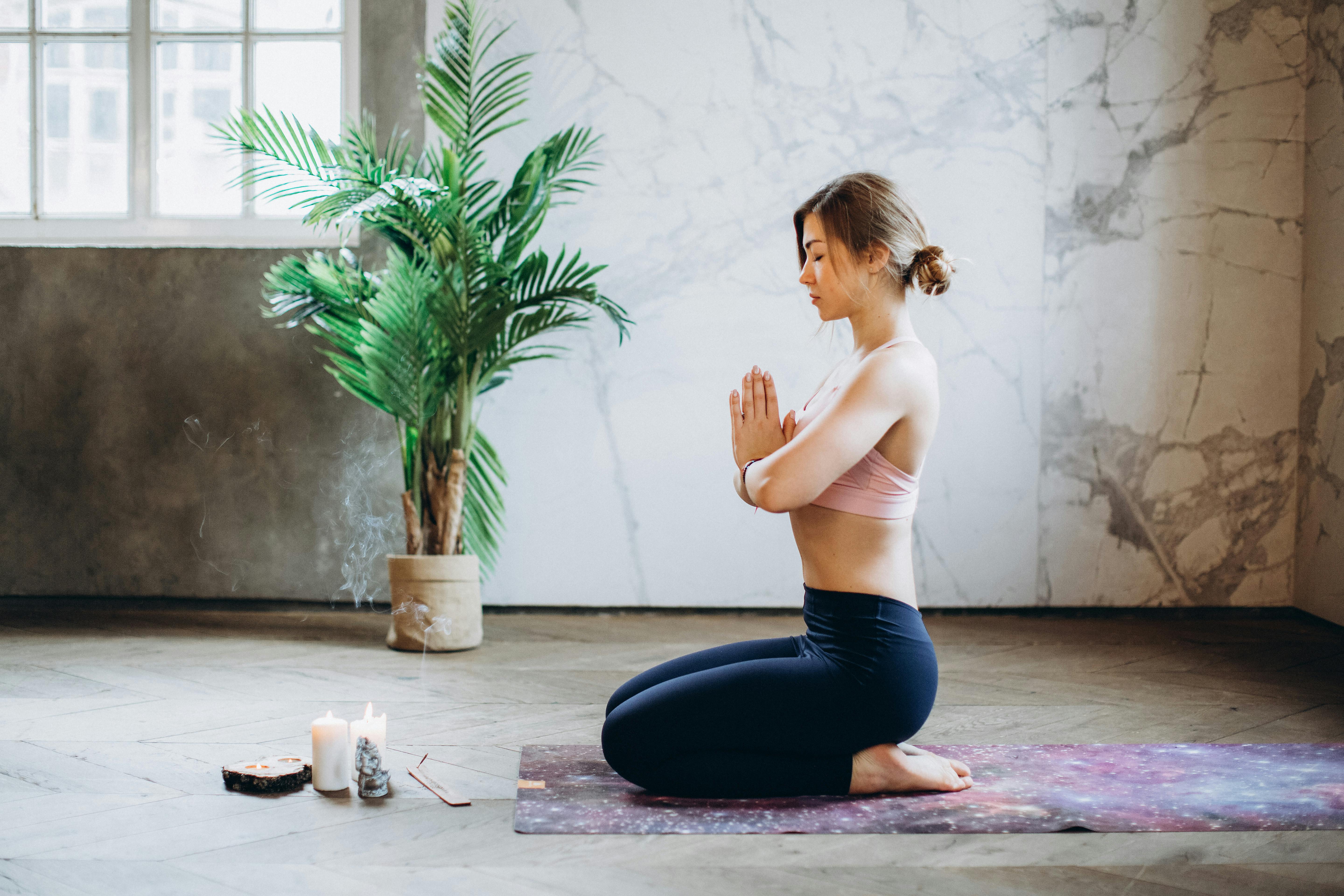
Small means short, simple, and doable. Examples: 3–5 minute breathing breaks, a 10-minute walk, or two stretches at your desk. These bite-sized practices reduce resistance and help build momentum.
This image is property of images.pexels.com.
Core mindfulness practices to ground attention
Mindfulness techniques help you anchor awareness in the present moment and calm the nervous system. You can use them anywhere, and they require little to no equipment.
5-minute breathing breaks
A 5-minute breathing break is one of the simplest, most effective ways to reset. Sit or stand comfortably, soften your shoulders, and focus on the sensation of breathing. This quick practice lowers heart rate and brings your attention back from worry.
How to do a basic 5-minute breathing break:
- Sit with your back supported and feet on the ground.
- Inhale gently for a count of four, feeling your belly expand.
- Pause briefly for a count of one.
- Exhale slowly for a count of six.
- Repeat for five minutes, returning your focus to the breath whenever your mind wanders.
Checking in with your senses anchors you in the present. You can do this standing, sitting, or during transitions. It shifts attention from anxious thoughts to concrete sensations.
Try a 3-step sensory check-in:
- Look: Name three things you can see.
- Listen: Name three sounds you can hear.
- Feel: Focus on the sensation in your feet or the texture under your fingers.
These small actions interrupt spirals of rumination and help you feel more grounded.
Mini guided-audio sessions
Guided audios can be as short as 2–10 minutes and are useful during commutes or breaks. Use calming voice recordings that lead you through breath awareness, body scans, or imagery. You can find free short practices or record your favorite script for quick access.
Movement-based strategies to release tension
Movement helps discharge stored stress from your body and resets your nervous system. The goal is to choose brief, regular activities that you enjoy and can repeat.
Brief dance sessions
Dancing for 3–10 minutes to music you love raises dopamine and releases muscle tension. You don’t need choreography — just move in ways that feel freeing. These micro-dance breaks work especially well in the afternoon slump or when emotions feel stuck.
How to use a dance break:
- Pick an upbeat or comforting song.
- Stand in a space where you have room to move.
- Allow loose, exaggerated movements. Shake your hands, bend your knees, sway.
- Breathe naturally and notice how your body loosens.
Simple stretches
A few intentional stretches can reduce physical tightness created by sitting or worry. Focus on areas that hold tension: neck, shoulders, chest, and hips.
Sample 5-minute stretch sequence:
- Neck rolls: 30 seconds, gentle and slow.
- Shoulder rolls: 30 seconds forward, 30 seconds backward.
- Chest opener: clasp hands behind your back and lift for 30 seconds.
- Forward fold: hinge from hips, hang for 60 seconds.
- Hip openers: seated figure-four stretch for 30–60 seconds per side.
Brisk walks in nature
If you can, take short brisk walks in green spaces. Walking at a pace that raises your heart a little while focusing on the environment improves mood and attention. Even a 10–20 minute walk around a tree-lined block can be restorative.
Tips for a mindful walk:
- Walk without a strict destination.
- Notice the rhythm of your steps and the feel of the air.
- Observe colors, textures, and smells as you move.
Progressive muscle relaxation (PMR)
PMR systematically releases tension by tensing and relaxing muscle groups. It’s especially helpful before sleep or when you feel physically wound up.
Quick PMR script (10 minutes):
- Start seated or lying down, breathing slowly.
- Tense each muscle group for 5–8 seconds (feet, calves, thighs, hips, abdomen, hands, arms, shoulders, neck, face).
- Release and notice the sensation of relaxation for 10–15 seconds.
- Move through the body, paying attention to how tension and release feel differently.
This image is property of images.pexels.com.
Cognitive and brain breaks to shift focus
Your brain needs low-stakes shifts from worry to neutral or pleasant activities. These practices reduce rumination and allow creative or calming processes to return.
Brain-dump journaling
Writing down your thoughts for 5–10 minutes clears mental clutter. This isn’t about grammar or insight; it’s about getting worries out of your head and onto the page.
How to do a brain-dump:
- Set a timer for 5–10 minutes.
- Write anything that comes to mind without editing.
- When the time’s up, close the notebook; you can highlight any items that need action later.
This practice helps you separate “thinking about” from “doing,” reducing the mental loops that fuel anxiety.
Listening to calming or guided audio
Low-stakes audio — ambient music, nature sounds, or short guided meditations — shifts your attention and relaxes brain activity. Keep a playlist of 3–10 minute tracks for micro-breaks.
Suggestions:
- Nature sound loops (rain, ocean).
- 5-minute guided body scans.
- Soothing instrumental music without lyrics.
Low-stakes puzzles and creative breaks
Crosswords, simple Sudoku, coloring, or a quick craft engage different neural networks than worry. These activities are absorbing but not high-pressure, so they reduce the brain’s stress cycles.
How to choose a puzzle:
- Pick a difficulty level that’s slightly challenging but not frustrating.
- Use coloring books or apps for low-stakes creativity.
- Set a time limit: 10–15 minutes to avoid replacing one stressor with another.
Social and environmental supports
Your environment and relationships shape stress levels. Small environmental and social choices reduce triggers and build emotional safety.
Reach out to friends
A short text, phone call, or coffee with a friend lowers stress hormones. Social connection supports emotional regulation and gives perspective.
Ways to connect:
- Send a “thinking of you” message.
- Schedule a weekly 15-minute check-in with a friend.
- Join a local class or online meetup that interests you.
Spend time with pets
If you have a pet, short interactions can have powerful calming effects. Petting or playing releases oxytocin and shifts attention away from worry.
Micro-pet practices:
- Five minutes of gentle petting.
- A short play session with a toy.
- Sitting together for quiet companionship while you breathe.
Limit news and social media exposure
Continuous exposure to negative content increases anxiety. Small boundaries can help you stay informed without becoming overwhelmed.
Practical limits:
- Check news once in the morning and once in the evening for 10–15 minutes each.
- Use app timers to limit social media to specific short periods.
- Unfollow sources that repeatedly provoke stress.
This image is property of images.pexels.com.
Practical guidance for starting and sustaining habits
Starting with too many changes is a common obstacle. Focus on consistency, not intensity: it’s better to do one minute every day than an hour once a week.
Begin with one or two habits
Choose two practices that feel easy and meaningful to you. For example, a 3-minute breathing break after lunch and a 10-minute evening walk.
How to pick:
- Pick habits that match your schedule.
- Choose one grounding practice and one movement or social practice.
- Commit to a simple frequency: daily or every weekday.
Stack habits into your daily routine
Link new habits to existing behaviors to make them automatic. Habit stacking reduces decision fatigue and increases follow-through.
Examples:
- After you brew your morning coffee, do a 2-minute breath sequence.
- After your lunch break, take a 10-minute walk.
- Before bed, spend five minutes journaling.
Track progress without pressure
Use a simple checklist or habit tracker to celebrate consistency. The goal is steady repetition, not perfection.
Tracking tips:
- Check a box each day you practice.
- After two weeks, review what felt easy and what felt hard.
- Adjust the habit length if you’re consistently skipping.
Build gradually for cumulative benefits
Increase practice length or add a new habit every 2–4 weeks. Gradual expansion creates durable change.
Sample progression:
- Week 1–2: 3-minute breathing break daily.
- Week 3–4: Add a 10-minute walk three times per week.
- Month 2: Add a 5-minute PMR session twice weekly.
Below is a table summarizing simple micro-routines you can adopt. Use this as a starting point and personalize it to fit your day.
| Time of day | Practice | Duration | Purpose |
|---|---|---|---|
| Morning | 2–3 minute breath + set one small intention | 2–3 min | Start calmly and focus your attention for the day |
| Mid-morning | Quick sensory check-in (three senses) | 1–2 min | Ground attention and interrupt rumination |
| Lunch break | Brisk 10-minute walk or simple stretch sequence | 10 min | Release tension and boost energy |
| Afternoon | 3–5 minute dance or movement break | 3–5 min | Shift mood and reset focus |
| Early evening | Brain-dump journaling (brain unload) | 5–10 min | Clear your head and plan practical next steps |
| Before bed | Progressive muscle relaxation or guided audio | 8–15 min | Signal to your body that it’s time to rest |
Troubleshooting common obstacles
Even small habits can stall. Recognizing typical barriers helps you adjust without self-judgment.
“I’m too busy”
If time is tight, shorten the practice to 1–2 minutes. Even a single breath with a slow exhale lowers stress. Consistency matters more than duration.
“I forget”
Use cues: place a sticky note on your computer, set a gentle phone alarm, or stack the habit onto an existing routine like washing hands or making tea.
“It doesn’t seem to help”
Give habits at least 2–4 weeks before deciding they don’t work. Notice small shifts: fewer sleepless moments, shorter worry cycles, or easier focus. If you don’t feel change, try a different pairing of practices or increase frequency slightly.
“I feel worse when I focus inward”
Sometimes anxious feelings intensify during early practice because you’re noticing buried tension. If this happens, shorten sessions, use more movement-based grounding (walking, dancing), or pair mindfulness with a trusted person’s support.
Creating an individualized plan
Not every habit fits everyone. Build a plan that aligns with your schedule, preferences, and strengths.
Ask yourself these guiding questions:
- When do I have 2–15 minutes reliably?
- Which practices feel most doable: breath, movement, journaling, or connecting?
- What triggers most of my stress during the day?
- Who can support me in staying consistent?
Example 4-week starter plan
| Week | Goal | Frequency | Notes |
|---|---|---|---|
| 1 | Start a 3-minute breath in the morning and a 3-minute sensory check-in mid-day | Daily | Use phone alarms as cues |
| 2 | Add a 10-minute walk after lunch, three days per week | 3x/week | Choose green spaces if possible |
| 3 | Add 5-minute brain-dump journaling in the evening | Daily | Keep it simple and time-limited |
| 4 | Introduce a 10-minute PMR session twice a week before bed | 2x/week | Notice sleep quality changes |
Tracking benefits and adjusting goals
Record changes you notice in a simple log: mood, sleep, concentration, and reactivity. Small wins validate the process and keep motivation high.
What to track:
- Sleep duration and quality
- Number of daily anxiety spikes and their intensity
- Ability to concentrate for tasks
- Frequency of using a practiced skill when stressed
Review every two weeks and tweak the plan based on what’s easiest and most effective.
When small habits aren’t enough
Small daily practices are powerful, but some situations call for additional support. If anxiety or stress interferes with your ability to work, maintain relationships, or complete daily tasks, it’s time to consider professional help.
Signs to seek professional support
- Persistent panic attacks or chronic anxiety despite consistent self-care
- Intense avoidance that limits daily functioning
- Ongoing sleep disruption affecting daytime functioning
- Depressive symptoms that worsen or don’t lift with routine changes
- Thoughts of self-harm or hopelessness
What professional support can provide
A mental health professional can offer structured interventions, tailored therapy, medication management if indicated, and evidence-based programs for more severe distress. These options help you build skills faster and address underlying patterns that small habits alone may not resolve.
Lightfully and additional resources
If your daily habits aren’t enough or you need a higher level of care, consider reaching out to professional programs such as outpatient and virtual services. For example, Lightfully offers outpatient and virtual programming designed to support people experiencing anxiety and stress. They provide structured care options, skilled clinicians, and tailored support that integrate with daily habit-building.
If you decide to seek professional support, you’re not failing — you’re expanding your toolkit. Combining small daily habits with professional guidance often produces the most sustainable changes.
Compassionate tips for ongoing practice
Be kind and curious with yourself as you build new habits. Small setbacks are part of the process, not a reason to stop.
- Treat missed days as data, not failure. Ask what made it hard and adapt.
- Celebrate consistency rather than intensity. Ten minutes every day is better than 2 hours once in a blue moon.
- Use supportive language toward yourself: “I’m trying, and this helps a little each day.”
- Pair positive rewards with completion of habits, like a favorite tea after a walk.
Examples of short scripts and prompts
Below are simple scripts you can use for quick practices. Save them on your phone for on-the-spot support.
5-minute breath script:
- “Sit comfortably. Close your eyes if that feels safe. Inhale for four counts. Hold one. Exhale for six counts. Repeat, noticing the rise and fall of your belly. If your mind wanders, gently bring it back to counting.”
3-minute sensory check-in script:
- “Look around and name three things you can see. Listen and name three sounds. Touch your fingertips together and notice the temperature and texture. Take one slow breath.”
Brain-dump journaling prompt:
- “Set a timer for 5 minutes. Write everything on your mind — tasks, worries, ideas, things to remember. Don’t judge or edit. When the timer ends, underline one item that requires action tomorrow and then close the journal.”
Progressive muscle relaxation mini-script:
- “Lie down or sit. Take a slow breath. Tighten your feet and hold for five seconds. Release and notice warmth. Move to calves, thighs, stomach, hands, arms, shoulders, neck, and face. Tense and release each group, breathing calmly.”
Final encouragement
Change happens through many small, consistent choices. When you choose brief, regular practices that fit into your life, you strengthen your ability to respond to stress calmly. You don’t need to perfect any technique — you just need to try something, adjust when needed, and keep going with compassion.
If your habits feel helpful, continue to build slowly. If you find that stress or anxiety persists or escalates despite consistent effort, consider reaching out to a mental health professional or a structured program like Lightfully’s outpatient or virtual services. Support is available, and combining daily habits with professional care often leads to the most durable calm.
You’re taking an important step by considering small, practical changes. Keep going; calm accumulates when you practice it a little at a time.