
Daily Habits to Reduce Stress: Simple Routines for a Calmer Mind
If you have been searching for practical ways to feel more balanced, this guide will help you build realistic routines that fit your actual life. You do not need a perfect schedule, a silent house, or an hour of free time to make progress. You need a few reliable anchors you can return to every day. That is where daily habits make a real difference. They help your mind recover from constant stimulation, help your body release tension, and help you move through challenges with more steadiness.
Below, you will find a clear, step-by-step approach to building habits that support calm in the morning, during busy work hours, in the afternoon slump, and before sleep. You will also see how to choose habits that are easy to maintain, how to avoid the trap of doing too much too soon, and how to create a simple routine you can actually keep.
Related video: Daily Habits to Reduce Stress and Anxiety.
Why daily habits matter more than occasional stress relief
One reason stress can feel so persistent is that it often comes from repeated inputs: a packed schedule, too much screen time, poor boundaries, noisy environments, constant notifications, unresolved tasks, and not enough recovery time. Because stress tends to build daily, the most helpful solution is often daily too. A one-off self-care day can feel good, but it does not always change your baseline. Small habits practiced regularly can.
Think of stress relief as less of an emergency response and more of a maintenance system. When you build tiny calming routines into your day, you reduce the amount of tension that accumulates in the first place. You are not trying to eliminate all pressure from life. You are trying to improve your response to that pressure so it feels more manageable.
Another advantage of daily routines is that they reduce decision fatigue. If you already know what you will do when stress rises, you do not waste energy trying to invent a coping strategy in the middle of overwhelm. Your routine becomes automatic. You take a walk after lunch. You pause for breathing before meetings. You write down your worries before bed. The habit carries you when motivation is low.
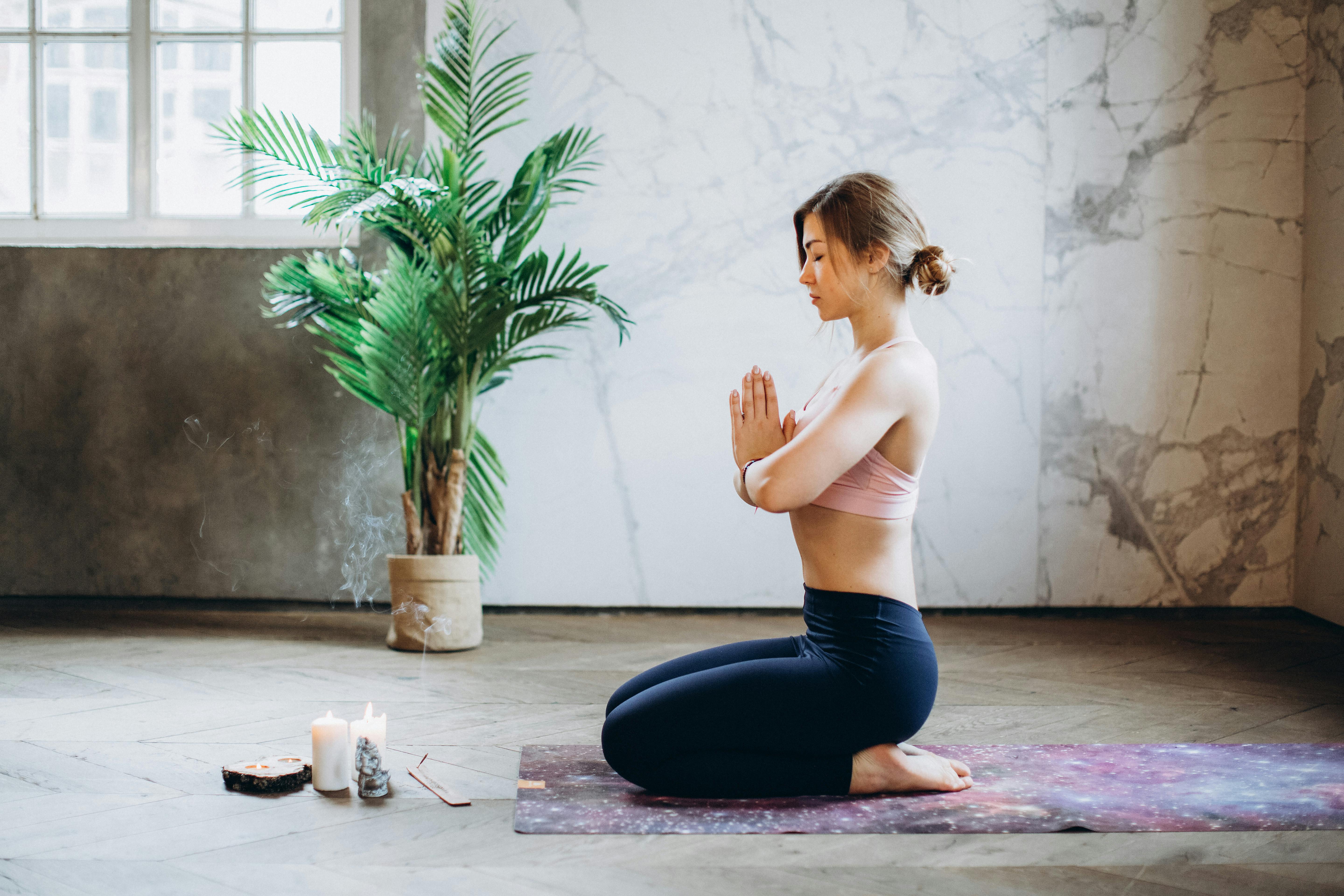
Image source: Pexels.
How daily habits to reduce stress support a calmer routine
Daily habits work best when they are short, simple, and connected to moments that already exist in your schedule. Instead of forcing yourself into an ideal routine that feels impossible to maintain, build your habits around what is already happening. Attach a calm habit to your morning coffee, your lunch break, your commute home, or your bedtime routine. This makes follow-through much easier.
It also helps to choose habits that support different types of stress. Some habits are best for mental noise, like journaling or a brain dump. Some are best for physical tension, like stretching or walking. Some help when your nervous system feels overstimulated, like breathwork or quiet music. A balanced stress-reduction routine usually combines at least one grounding habit, one movement habit, and one evening reset habit.
You do not need to master everything at once. In fact, trying to do too much usually creates another source of pressure. Start with two or three daily habits and repeat them until they feel natural. Calm grows through consistency, not intensity.
Morning habits for a calmer mind
The first part of the day shapes your mental tone more than most people realize. If your morning starts in a rush, with instant phone checking, reactive thinking, and no pause between waking and doing, your stress level can rise before the day has properly begun. A calm morning does not have to mean a long wellness ritual. It can be as simple as a few intentional minutes.
1. Start with one minute of slow breathing
Before checking messages or beginning work, sit or stand quietly and breathe slowly. You can inhale for four counts and exhale for six. The longer exhale encourages your body to soften and helps your mind stop sprinting into the day. Even one minute can change how the morning feels.
2. Choose one intention instead of a long mental to-do list
Many people start the day thinking of everything that could go wrong or everything that must be finished. That mental flood creates pressure immediately. Instead, choose one simple intention such as “move steadily,” “stay present,” or “finish one important task calmly.” This keeps your attention grounded.
3. Delay stressful input for a few minutes
If you check email, news, or social media the second you wake up, your nervous system starts reacting before it has had a chance to settle. Give yourself a short buffer. Even ten phone-free minutes can make the rest of the morning feel less frantic.
4. Add light movement
You do not need a full workout to benefit from movement. A few shoulder rolls, a short stretch, or a quick walk to get sunlight can help you feel more alert without feeling rushed. Gentle movement early in the day can reduce stiffness and mentally prepare you for the hours ahead.
Simple stress-reducing routines for busy workdays
Work stress often comes from sustained mental effort without enough reset time. Many people move from one task to another with no pause, which keeps the body tense and the mind overloaded. The good news is that small resets during the workday are often enough to prevent that build-up from becoming overwhelming.
Try 3-minute breathing breaks between tasks
Instead of carrying the pressure of one task directly into the next, pause briefly. Sit back, relax your jaw, lower your shoulders, and take a few slow breaths. This gives your mind a transition instead of constant strain.
Use a sensory check-in when your mind is racing
When you feel mentally scattered, bring attention to your environment. Name three things you can see, two things you can hear, and one physical sensation you can feel. This is a fast, practical way to interrupt spiraling thoughts and return to the present moment.
Stand up every hour
Stress is not only mental. It also lives in the body. If you sit for long periods, your shoulders tighten, your breathing gets shallow, and your energy dips. Set a reminder to stand, stretch, or walk for a minute every hour. The point is not perfection. The point is breaking the cycle of stillness and tension.
Protect your focus with calmer transitions
If your workday is full of meetings, calls, or multitasking, add a transition habit. Take one minute before a meeting to breathe. Step away from your screen after difficult tasks. Write down lingering thoughts before switching projects. These tiny pauses help your mind shift gears more smoothly.
For a broader look at how calm can improve your overall day-to-day wellbeing, you can also explore the benefits of a stress-free life.
Movement habits that help reduce stress naturally
Many people think of stress as something that only needs a mental solution, but stress often has a physical component. The body stores tension in the shoulders, neck, chest, jaw, hips, and stomach. Movement helps release that stored tension and gives your body a way to complete the stress cycle rather than hold it all day.
Walking is one of the easiest daily calming habits
A short walk can change your mood more quickly than you might expect. Walking gives your eyes, muscles, and attention a different task. It shifts you out of mental looping and into physical motion. If you can walk outside, even better. A change of environment often helps your thoughts feel less trapped.
A 10-minute walk after lunch is one of the simplest habits to keep. It breaks up the middle of the day, reduces the feeling of being stuck, and gives your body a steady rhythm. If you cannot walk outside, walking indoors still helps.
Stretch where you hold stress
If stress lands in your shoulders, neck, or back, a short stretch routine can become an excellent daily reset. Focus on the places that tighten most often. You do not need a perfect sequence. You only need a few reliable movements that help you feel looser.
- Slow neck rolls for 30 seconds
- Shoulder rolls forward and backward
- A chest-opening stretch
- A standing forward fold
- A gentle hip stretch
Use music and movement together
Stress can leave you mentally heavy and physically frozen. A short dance break or simple movement to music can help shift that state. Choose one song and move without overthinking it. The goal is not performance. The goal is release.
Image source: Pexels.
Daily calming routines for mental overload
Sometimes stress is less about physical tension and more about constant thinking. Your mind feels full, noisy, and unable to settle. In those moments, it helps to use habits that unload mental clutter rather than just trying to “think positive.” Practical release is usually more effective than forced positivity.
Brain-dump journaling
One of the best ways to reduce mental pressure is to get thoughts out of your head and onto paper. Set a timer for five minutes and write without editing. Tasks, worries, reminders, frustrations, ideas, unfinished conversations, all of it can go onto the page. This creates distance between you and the noise in your mind.
When the timer ends, you can underline one or two items that need attention later. The rest does not need to be solved immediately. The value of the exercise is not that it fixes every problem. It is that it clears mental space.
Single-task instead of constantly switching
Task switching often feels productive, but it can keep your brain in a heightened state. When possible, choose one task, give it your attention, and complete one clear section before jumping to something else. Fewer mental tabs often means less stress.
Create a “not now” list
Some thoughts are legitimate but poorly timed. If a worry appears while you are trying to focus, write it down on a separate list labeled “not now.” This signals to your mind that the thought is not being ignored, just postponed. That can make it easier to return to the present task.
Habits that reduce stress and anxiety at home
Home should ideally be a place where your mind can downshift, but many people carry work pressure, digital overload, and unprocessed worry right through the front door. A few simple home routines can help create a stronger boundary between the outside world and your personal space.
Make your arrival home calmer
Instead of walking in and immediately scrolling, complaining, or rushing into chores, create a five-minute arrival ritual. Change clothes, wash your face, make tea, open a window, or sit quietly for a moment. That small pause tells your body that the pace is changing.
Reduce visual noise
Clutter can quietly increase stress. You do not need a perfect home, but reducing visible chaos in one or two key areas can make a difference. Keep your desk, bedside table, or kitchen counter a little clearer. Order in your environment often supports calm in your mind.
Create a low-stimulation evening pocket
Choose a short period in the evening when you lower the input. Dim the lights a little, reduce background noise, and avoid doom-scrolling. Read, stretch, journal, or listen to quiet audio instead. This supports better rest and gives your mind a chance to stop absorbing stimulation.
You can also support your routine with related healthy practices like a wellness routine at home that complements your stress-reduction habits without making your schedule feel complicated.
How to build a realistic stress-reduction routine you can keep
The best routine is not the one that looks impressive. It is the one you can repeat on ordinary days. That means your habits should be small enough to survive busy weeks, low motivation, and imperfect circumstances. A realistic plan always beats an ideal plan you abandon after three days.
Start with two anchor habits
Pick one habit for earlier in the day and one for later in the day. For example:
- Morning: one minute of slow breathing
- Midday: a 10-minute walk after lunch
- Evening: five minutes of journaling before bed
You do not need all three on day one. Start with two. After they feel natural, add another if you want to.
Attach each habit to something you already do
Habit stacking makes routines easier. Connect the new habit to a stable part of your day:
- After brushing your teeth, take five slow breaths
- After lunch, go for a short walk
- After shutting your laptop, stretch for two minutes
- Before getting into bed, do a quick journal unload
Make the habit easy to begin
One reason habits fail is that the starting point feels too big. Make it so easy that resistance has little room to grow. Promise yourself one minute, not twenty. Once you begin, you may continue. But success should never depend on doing a large version every time.
Track consistency, not perfection
Use a simple checklist, calendar, or notes app. Mark the days when you practice. Do not use tracking to criticize yourself. Use it to notice patterns. If you miss several days in a row, that is useful information. Maybe the habit is too long, poorly timed, or attached to the wrong cue.
A simple sample schedule of daily habits to reduce stress
| Time of Day | Habit | Duration | Purpose |
|---|---|---|---|
| Morning | Slow breathing and one calm intention | 2 minutes | Start the day with steadiness instead of reactivity |
| Mid-morning | Sensory grounding check-in | 1 minute | Interrupt racing thoughts and reconnect to the present |
| Lunch break | Short walk or light stretching | 10 minutes | Release tension and refresh mental focus |
| Afternoon | Stand, breathe, and reset between tasks | 2 minutes | Reduce build-up from work stress |
| Evening | Brain-dump journaling | 5 minutes | Clear mental clutter before night |
| Before bed | Low-stimulation wind-down | 10 minutes | Help your body and mind shift toward rest |
Common mistakes that make stress habits harder to maintain
Trying to change everything at once
When people feel stressed, they often want a complete reset immediately. That is understandable, but it rarely lasts. A sustainable routine grows gradually. Start small and build.
Choosing habits that do not fit your life
If you hate long meditations, do not force them. If mornings are chaotic, do not put all your habits there. Choose routines that match your personality, energy, and schedule.
Making calm feel like another performance task
Your stress-reduction habits should lower pressure, not become another standard to fail. A missed day is not proof that the routine is broken. It just means you begin again the next day.
Ignoring your environment
Sometimes the missing piece is not motivation but setup. Keep your journal visible. Put walking shoes near the door. Set a reminder for your breathing break. Good environments make good habits easier.
Image source: Pexels.
When daily habits are not enough on their own
Daily habits can be a powerful support, but they are not a substitute for professional care when stress becomes severe, persistent, or disruptive. If you are having trouble functioning, sleeping, working, or maintaining relationships because of stress or anxiety, extra support may be appropriate. It is a sign of wisdom, not weakness, to expand your support system.
You can still keep your calming habits while seeking help. In many cases, those routines become even more useful when combined with guidance from a qualified professional. The goal is not to prove you can handle everything alone. The goal is to care for yourself well.
Final thoughts on building daily habits for a calmer mind
Stress does not always disappear because life becomes easier. Sometimes it decreases because your daily rhythm becomes more supportive. That is what these habits are really about. They help you build a steadier baseline so difficult moments do not knock you off course as easily.
You do not need a complicated plan to begin. Choose one habit that helps your mind and one that helps your body. Repeat them for a week. Then keep going. Calm is often the result of many small choices practiced over time. The most important step is not finding the perfect routine. It is choosing a simple one and letting it become part of your life.
Frequently Asked Questions
1. What are the best daily habits to reduce stress?
The best daily habits to reduce stress are usually the ones that are simple enough to repeat consistently. Slow breathing, short walks, light stretching, journaling, and evening wind-down routines are all strong options. A good routine usually combines one grounding habit, one movement habit, and one calming habit later in the day.
2. How long does it take for stress-reducing habits to feel helpful?
Some habits can feel helpful right away, especially breathing, walking, or stretching. Others work more gradually because they change your overall rhythm rather than only providing quick relief. The key is consistency. Even when results are subtle at first, repeating small routines daily often makes them more effective over time.
3. Can daily habits reduce both stress and anxiety?
Daily habits can support both stress relief and a calmer mental state because they create more structure, more grounding, and more recovery throughout the day. They do not solve every cause of anxiety, but they can reduce the build-up that makes anxiety feel worse and make it easier to respond more steadily.
4. What if I am too busy to follow a full routine?
You do not need a full routine to get value from calming habits. Start with one or two tiny actions that fit naturally into your day. One minute of slow breathing, a short walk after lunch, or a five-minute journal check-in can still make a difference when done regularly. Small habits are often the most sustainable.
5. Is walking really one of the best habits for stress relief?
Walking is helpful because it combines movement, rhythm, and a change of environment. It can interrupt mental looping, reduce the feeling of being stuck, and create a natural break during the day. Even a short walk can feel restorative, especially when it replaces screen time or prolonged sitting.
6. What should I do if my stress still feels unmanageable?
If daily habits help only a little or stress is interfering with sleep, work, relationships, or daily functioning, it may be time to seek professional support. You do not have to wait until things feel extreme. Daily habits and professional guidance can work well together, and asking for help can be an important part of caring for your wellbeing.