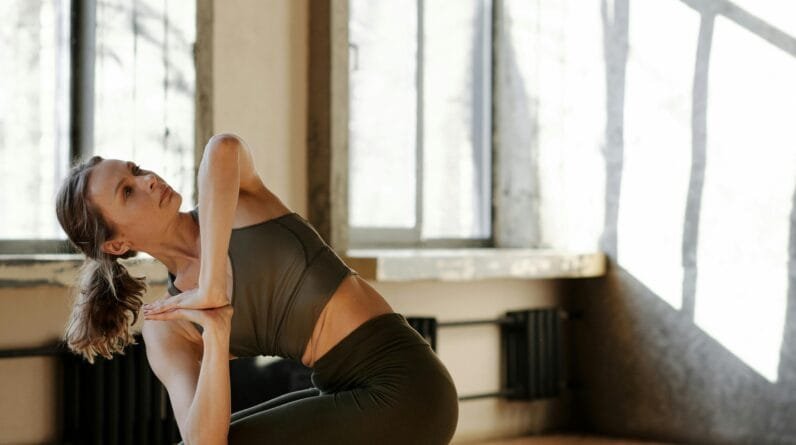
Daily Calm Exercise Routine
Daily Calm Exercise Routine. I created this routine to help me move regularly without adding stress, and I share it here so you can adapt it to your life. The routine emphasizes slow, intentional movement, breath awareness, and simple strength and mobility work that supports calmness and resilience.
Have I ever told you how much a consistent, gentle movement practice has improved my mood, focus, and sleep?
Why a Daily Calm Exercise Routine Matters
I find that consistent, low-stress movement has a bigger cumulative effect on my mental and physical health than sporadic high-intensity sessions. When I approach exercise as a daily calm practice, I move more often, recover faster, and feel steadier emotionally.
Principles I Follow in This Routine
I follow a few core principles that guide how I design each session. These principles keep the routine sustainable, safe, and effective for long-term calm and fitness.
- Consistency over intensity: I prioritize showing up every day with moderate effort rather than pushing to extremes.
- Breath-first movement: I coordinate breath with motion to regulate my nervous system.
- Mobility + strength balance: I fuse mobility work with functional strength to support daily tasks and posture.
- Progressive, gentle overload: I increase challenge gradually so my body adapts without excess stress.
- Time-efficient structure: I build routines that fit into busy days so I don’t skip them.
How I Structure a Daily Session
I typically use a 20–60 minute framework depending on my schedule. Shorter sessions maintain habit; longer sessions give me time for deeper mobility and strength work. I always include warm-up, main practice, and a calming cooldown.
Basic session tiers
I use three basic tiers to choose a session length that fits my day. I pick one tier based on time, energy, and goals.
- Short (10–20 minutes): quick breath, mobility, light strength
- Medium (20–40 minutes): fuller warm-up, strength or conditioning, longer breath practice
- Long (40–60 minutes): comprehensive mobility, strength, conditioning, extended relaxation
Warm-up: Preparing My Body and Breath
I spend 3–10 minutes warming up to prime my nervous system and reduce injury risk. My warm-ups are dynamic and intentionally paced so I arrive at the main work calm and present.
| Warm-up Movement | Duration/Repeats | Purpose |
|---|---|---|
| Diaphragmatic breathing | 1–2 minutes | Regulates nervous system, primes breath |
| Cat-Cow | 6–8 reps | Spinal mobility and breath coordination |
| World’s greatest stretch | 4–6 reps per side | Hip, thoracic, and hamstring mobility |
| Hip circles or leg swings | 30–60 seconds per side | Hip mobility and balance |
| Arm circles and band pull-aparts | 30–60 seconds | Shoulder prep and posture |
I often start with breath to anchor my attention before I move. I pay attention to how my body feels and adjust intensity accordingly.
Core Practice: Mobility, Strength, or Conditioning
I alternate the focus of my core practice depending on what my body needs. Some days I emphasize mobility; other days I build strength or gentle cardiovascular conditioning. I rarely push to failure because that raises stress hormones and reduces calm.
Mobility-focused session
I prioritize joint range of motion and tissue quality on mobility days. This is the day I work on tight hips, upper-back stiffness, and ankle mobility.
- Targeted mobility moves: 10–15 minutes (thoracic rotations, hip CARs, calf stretches)
- Movement quality focus: smooth, slow, and controlled
- Breath: long exhales paired with tension release
Strength-focused session
I build practical strength with low-to-moderate loads and focus on good technique. I keep sets manageable so I can repeat sessions frequently without excessive soreness.
- Typical structure: 3–4 compound movements, 2–4 sets each, 6–12 reps
- Tempo: controlled eccentric, mindful concentric, 1–2 minutes rest
- Examples: squats, push patterns, rows, single-leg work
Conditioning-focused session
I keep conditioning short and steady to avoid ramping up anxiety. My conditioning is rhythmic and breathing-friendly (e.g., brisk walking, rowing, low-impact circuits).
- Typical duration: 10–20 minutes steady-state or intervals like 30:30 low impact
- Intensity: moderate, talkable, breath-aware
- Goal: increase circulation and metabolic health while staying calm
Breathwork and Nervous System Regulation
I use breathwork as a cornerstone to maintain calm during and after movement. Connecting breath to movement helps me regulate stress responses and improves focus.
Simple breath techniques I use
- Diaphragmatic breathing: I breathe low into my belly with slow inhales and exhales.
- Box/4-4-4 breathing: I inhale for 4, hold for 4, exhale for 4 (I sometimes lengthen exhale).
- Extended-exhale breathing: I emphasize exhale slightly longer than inhale (e.g., 4 in, 6 out).
I practice brief breathwork before starting and as part of my cooldown so I finish sessions in a calmer physiological state.

This image is property of images.pexels.com.
Cooldown and Relaxation
I always close with 3–10 minutes of gentle stretching, breathwork, and a short body scan. This signals completion to my nervous system and enhances recovery.
- Static stretches for muscles worked: 1–2 minutes per stretch
- Progressive muscle relaxation or a guided body scan: 3–5 minutes
- Gentle mindful breathing: 1–2 minutes
I find that ending this way reduces post-exercise agitation and improves sleep when I practice in the evening.
Sample 30-Minute Daily Calm Routine
I use this 30-minute routine on busy days because it balances mobility, strength, and calm without taking too long.
| Time | Phase | Activity |
|---|---|---|
| 0:00–3:00 | Breath & warm-up | Diaphragmatic breathing, cat-cow, shoulder rolls |
| 3:00–8:00 | Dynamic mobility | World’s greatest stretch, leg swings, thoracic rotations |
| 8:00–20:00 | Strength circuit (2 rounds) | 8–10 bodyweight squats, 6–8 push-ups (knees ok), 8–10 bent-over rows (light band), 8–10 single-leg Romanian deadlifts |
| 20:00–25:00 | Conditioning | Brisk walk or stationary bike 5 minutes at steady pace |
| 25:00–30:00 | Cooldown | Calf/hip stretches, 2 minutes diaphragmatic breathing |
I keep transitions smooth and focus on breathing and intentional movement rather than speed.
Sample 60-Minute Daily Calm Routine
When I have extra time, I expand mobility and strength work and include longer relaxation.
| Time | Phase | Activity |
|---|---|---|
| 0:00–5:00 | Breath & gentle mobility | 2–3 minutes diaphragmatic breathing, cat-cow, neck circles |
| 5:00–15:00 | Dynamic warm-up | Hip CARs, World’s greatest stretch, ankle mobility |
| 15:00–35:00 | Strength block | 3 sets each: goblet squats 8–10, inverted rows 8–10, Romanian deadlifts 8–10, step-ups 8 per side |
| 35:00–45:00 | Mobility focus | Thoracic rotations, pec stretches, loaded squat holds |
| 45:00–55:00 | Conditioning (optional) | 10 minutes steady-state cardio (walk, row, bike) |
| 55:00–60:00 | Extended cooldown | 5 minutes body scan + breathing practice |
I use the longer session when I need to process stress or when I’m preparing for a full training block.
Exercise Descriptions and Modifications
I describe common exercises and give regressions and progressions so you can adapt to your level. I emphasize form and breath in every cue.
| Exercise | How I do it | Regression | Progression |
|---|---|---|---|
| Bodyweight squat | Sit back to a comfortable depth, chest lifted, knees aligned; inhale down, exhale up | Box squat or partial range | Goblet squat, tempo squats |
| Push-up | Hands under shoulders, long spine; inhale down, exhale up | Knee push-up or incline push-up | Standard push-up, decline push-up, weighted vest |
| Bent-over row | Hinge from hips, neutral spine, pull elbows back; exhale to row | Seated row with band | One-arm dumbbell row |
| Single-leg RDL | Slight knee bend, hinge at hip, reach toward ankle; inhale back, exhale up | Two-leg RDL or assisted single-leg | Add light dumbbell or slow tempo |
| Plank | Neutral spine, breathing steadily, engage core | Plank on knees | RKC plank, weighted or single-arm variations |
| Glute bridge | Press hips up, squeeze glutes, hold briefly at top | Floor bridge with shorter range | Single-leg bridge, weighted bridge |
I adjust sets, reps, and rest to maintain calm intensity and to avoid pushing into a stressed state.
Weekly Structure I Use
I prefer light daily movement with alternating emphasis on strength and mobility. This keeps my routine varied and sustainable.
| Day | Focus |
|---|---|
| Monday | Strength (lower-body emphasis) |
| Tuesday | Mobility + light cardio |
| Wednesday | Strength (upper-body emphasis) |
| Thursday | Active recovery and mobility |
| Friday | Strength (full-body, lighter volume) |
| Saturday | Longer mobility or a trail walk |
| Sunday | Rest or restorative session (yoga, breathwork) |
I swap days as needed based on life demands and fatigue.
Tracking Progress and Measuring Calm
I track both objective and subjective markers to measure progress while maintaining the calm intention.
- Objective markers I use: load or bodyweight reps, range-of-motion improvements, resting heart rate trends.
- Subjective markers I use: sleep quality, perceived stress scale, how I feel leaving a session.
I log short notes after each session about energy levels and mood so I can spot trends without overanalyzing.

This image is property of images.pexels.com.
Adjusting Intensity Without Losing Calm
I often need to increase challenge without compromising my sense of calm. I use simple adjustments:
- Add volume slowly (+1 set or +1 rep per session).
- Slightly increase resistance while keeping breathing controlled.
- Increase time under tension with slower tempo rather than heavier load.
I avoid sudden jumps in volume or intensity because they tend to create physical and mental stress.
Breathing During Strength and Conditioning
I coordinate breath with effort to remain regulated. For strength I typically exhale on the effort and inhale on the return. For sustained conditioning I keep rhythmical, controlled breaths and avoid breath-holding.
I also check my breath rate after intervals; if it remains elevated beyond a few minutes, I lengthen my exhalation to help downregulate.
Mindfulness Cues I Use
I keep a few compact mindfulness cues to stay present during exercise. They help me ground and prevent my mind from racing.
- “Soften and lengthen” when tension builds.
- “Breathe through the movement” to maintain rhythm.
- “Notice and release” to acknowledge discomfort and let it pass.
I use these cues rather than strict performance goals when my priority is calm.
Modifications for Common Conditions
I adapt the routine when I manage injuries, chronic pain, or specific health concerns. I prioritize pain-free ranges and professional guidance if a condition is complex.
- Back pain: emphasis on hip hinge quality, core stability work, and avoiding end-range spinal flexion if painful.
- Knee pain: reduce squat depth, prioritize single-leg control, strengthen hamstrings and glutes.
- Shoulder impingement: limit overhead reaching initially, focus on scapular stability and thoracic mobility.
I consult clinicians when pain persists and I modify load and range accordingly.
Equipment and Space I Use
I prefer minimal equipment so I can be consistent at home or while traveling. Small items add variety without complexity.
| Item | Purpose |
|---|---|
| Resistance bands | Rows, pull-aparts, glute activation |
| Dumbbells or kettlebell | Squats, swings, presses |
| Yoga mat | Comfortable floor work and mobility |
| Foam roller or massage ball | Self-myofascial release and recovery |
| Chair or bench | Step-ups, incline push-ups, box squat |
I improvise when I lack equipment (water bottles, backpack, stairs).
Common Mistakes I Watch For
I check myself for a few common traps that interfere with calm practice.
- Moving too fast: I slow tempo to maintain breath and control.
- Holding breath: I exhale on effort to avoid breath-holding and tension.
- Comparing to others: I stay focused on my progress and limits.
- Skipping cooldown: I consistently finish with breathwork to consolidate calm.
I focus on process, not performance, to keep the routine sustainable.
This image is property of images.pexels.com.
How I Handle Motivation Lulls
I use small strategies to keep showing up without pressuring myself.
- I set a non-negotiable minimum of 5–10 minutes to keep the habit alive.
- I change the environment (walk outside) when I feel stuck.
- I turn the session into a social habit occasionally by exercising with a friend or class.
I allow rest days when I notice generalized fatigue and don’t hesitate to scale back.
Recovery Strategies I Use
I couple daily movement with recovery practices that support calm regulation and physical repair.
- Sleep: I prioritize consistent sleep timing as it affects recovery and mood.
- Hydration and nutrition: I refuel with balanced meals and attentive hydration.
- Active recovery: I do gentle mobility, walking, and breathwork as part of recovery.
I aim for recovery practices that complement my movement routine rather than complicate it.
When to Seek Professional Help
I’m careful to consult professionals when pain or dysfunction limits my movement. If I notice worsening pain, persistent joint issues, or unexplained symptoms, I seek medical or physical therapy consultation.
I also reach out to coaches for form coaching when I plan to progress lifts or if I want tailored programming.
Planning for Long-Term Progress
I think in phases and cycles rather than day-to-day extremes. I schedule 4–8 week mini-goals, then reassess.
- Short-term goal examples: increase squat depth, hold plank 30s longer, add 5 lb to rows.
- Long-term goal examples: consistent daily practice for 3 months, improved sleep, decreased anxiety.
I revisit goals monthly and keep adjustments gentle and sustainable.
Frequently Asked Questions I Get Asked
Q: How often should I do the routine?
A: I aim for daily movement; even 10 minutes counts. If I’m very fatigued, I choose a restorative session.
Q: Will daily low-intensity work prevent gains?
A: Not if I include progressive strength work periodically. I balance intensity and recovery for consistent gains.
Q: Can I do this if I’m new to exercise?
A: Yes. I start with the short routine and scale exercises to my level.
I use simple answers and adapt each recommendation to personal needs.
Sample Progression Plan I Use Over 8 Weeks
I organize gradual increases in volume or difficulty to keep gains steady and calm.
| Week | Focus | Change |
|---|---|---|
| 1–2 | Build habit | 10–20 min daily, focus on form |
| 3–4 | Increase strength volume | Add 1 extra set or +2 reps per exercise |
| 5–6 | Introduce slight overload | Add light weight or tempo control |
| 7–8 | Consolidate and test | Maintain volume and test improvements (mobility measures, rep max) |
I evaluate outcomes at the end of each phase and choose the next progression based on recovery and results.
My Favorite Short Sequences for Busy Days
I keep pocket routines for days when time is scarce. They reliably boost my mood and movement quality.
- 8-minute morning sequence: 1 minute breathing, 3 minutes dynamic mobility, 2 rounds of 6 squats + 6 push-ups + 6 rows, 1 minute breathing cooldown.
- 10-minute desk routine: seated cat-cow, thoracic rotations, band pull-aparts, standing hip hinge set, 2 minutes diaphragmatic breathing.
I store these sequences on my phone so I can use them without thinking.
How I Integrate This Practice Into Life
I attach the routine to daily anchors like morning coffee or evening wind-down to make it habitual. I treat the sessions as non-negotiable self-care rather than optional exercise.
I also view movement as part of a larger calm lifestyle that includes sleep hygiene, stress management, and social connection.
Tracking Tools I Use
I use simple tools to track adherence and progress without fixating on numbers.
- A calendar or habit app to mark days I practiced.
- A simple training log with exercise, sets, and subjective effort.
- Mood notes: one sentence about how I felt after the session.
I prefer simplicity to maintain joy and avoid over-measurement.
My Final Tips for Staying Calm and Consistent
I end with practical tips I use to keep the practice sustainable and enjoyable.
- Keep expectations flexible: some days will be longer, others shorter.
- Prioritize breath: breathing well changes the tone of the whole session.
- Make it pleasant: pick music, a scenic walk, or a cozy mat to increase adherence.
- Listen to the body: soreness is normal, sharp pain is not—adjust accordingly.
I find that small, consistent actions build calm strength over months and years.
Closing Thought on Daily Calm Exercise Routine.
I created this daily calm exercise routine to be a reliable anchor in busy, stressful weeks. If I stay gentle, consistent, and attentive to breath and movement quality, I get meaningful benefits—more energy, better sleep, and a steadier mood—without exhausting myself.
If you’d like, I can create a personalized 4-week plan based on your schedule, current fitness level, and any limitations you have.