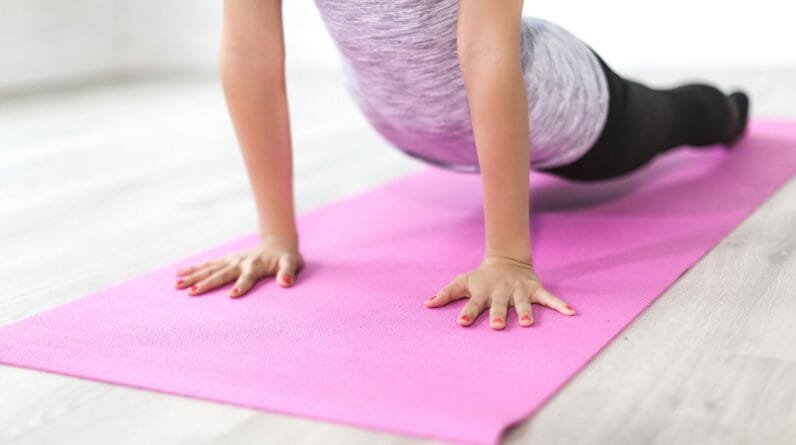
Daily Exercise for Lasting Healthy Habits
Daily Exercise for Lasting Healthy Habits. Daily exercise is one of the most reliable ways to improve your physical and mental health over the long run. You’ll benefit from more energy, better mood, stronger muscles, and improved resilience when you make movement a regular part of your routine.
Why daily exercise matters
Making exercise a daily habit helps you maintain consistency, which is the single biggest factor in creating lasting results. When you move every day—even if it’s just a short session—you reinforce the behavior, making it more automatic and easier to keep up.
Key health benefits you’ll notice
You’ll experience a wide range of benefits from daily exercise, including cardiovascular improvements, stronger muscles and bones, better mood regulation, and improved cognitive function. The gains may appear gradually, but they compound over time to produce meaningful change.
Timeline for common benefits
Here’s a quick reference to give you realistic expectations about when you might notice certain improvements.
| Benefit | Typical timeframe to notice | What to expect |
|---|---|---|
| Energy and mood | 1–2 weeks | Better sleep, less daily fatigue, improved mood |
| Strength and endurance | 3–6 weeks | Noticeable improvements in lifting, walking, or stair climbing |
| Cardio fitness | 4–8 weeks | Lower resting heart rate, easier breathing during activity |
| Body composition | 6–12 weeks | Gradual fat loss and muscle tone changes |
| Long-term disease risk reduction | Months to years | Lower risk of heart disease, diabetes, and other chronic illnesses |
The science of habit formation
Understanding how habits form helps you design routines that stick. Habits are often built on a cue-routine-reward loop: a trigger prompts the behavior, you perform the behavior, and then you receive a reward that reinforces it.
Cue-routine-reward: how to apply it
You’ll want to choose clear cues (like leaving your workout clothes out or scheduling a calendar block), a simple routine (a specific type of movement), and a meaningful reward (a warm shower, a favorite smoothie, or tracking a checkmark). Over time, the cue will automatically trigger the routine.
Realistic timelines and expectations
The idea that habits form in 21 days is overly simplistic. Research shows habit formation varies widely—anywhere from a few weeks to several months. Be patient and focus on consistency rather than speed.
Setting goals that keep you going
Your goals guide your daily exercise choices. You should set goals that are specific, measurable, and personally meaningful to keep your motivation alive.
Using SMART goals
Make your goals Specific, Measurable, Achievable, Relevant, and Time-bound. Instead of “get fit,” choose “walk 30 minutes five times a week for the next 12 weeks” or “increase push-up reps from 10 to 20 in eight weeks.”
Short-term vs long-term goals
Divide goals into short-term milestones and long-term outcomes. Short-term goals give you quick wins; long-term goals keep you oriented toward the bigger picture. You’ll be more resilient when challenges arise if you have both types.
Are you ready to turn daily exercise into a lasting, healthy habit that fits your life and energizes your days?

This image is property of images.unsplash.com.
Designing a daily exercise routine
A balanced routine includes cardio, strength, mobility, and balance work. You don’t have to do an hour every day; a mix of shorter, higher-intensity sessions and longer moderate sessions can work well.
Components to include
You should include:
- Cardio: walking, cycling, running, swimming
- Strength: bodyweight moves, resistance bands, weights
- Mobility: dynamic stretches, joint work
- Balance: single-leg moves, stability drills
Weekly distribution guidance
Aim for most days to include some movement, with at least 2–3 sessions focused on strength and several days of aerobic activity. Rest or active recovery days will help you avoid burnout.
| Focus | Frequency per week | Typical session length |
|---|---|---|
| Cardio (moderate) | 3–5 days | 20–45 minutes |
| Strength training | 2–4 days | 20–60 minutes |
| Mobility and balance | Daily or 3–5 days | 5–20 minutes |
| Rest/Active recovery | 1–2 days | Light movement, 15–45 minutes |
A concrete plan makes it easier to put your goals into action. Below are sample schedules for different levels that you can adapt to your preferences.
Beginner: gentle and consistent
You’ll want to prioritize consistency and build confidence. Focus on short sessions that are easy to complete.
- Monday: 20-minute brisk walk + 5 minutes mobility
- Tuesday: 20-minute bodyweight strength (squats, push-ups on knees, planks)
- Wednesday: 25-minute walk or bike + 5 minutes balance work
- Thursday: 20-minute strength + mobility
- Friday: 30-minute brisk walk or easy jog
- Saturday: 20-minute yoga or mobility routine
- Sunday: Rest or light active recovery (easy stroll, stretching)
Intermediate: building intensity and variety
You can add structured strength sessions and increase cardio intensity.
- Monday: 30-minute interval walk/run + mobility
- Tuesday: 40-minute full-body strength (weights or resistance bands)
- Wednesday: 30-minute moderate cardio (cycle or swim) + balance work
- Thursday: 30-minute HIIT or circuit training
- Friday: 45-minute steady-state cardio or long walk
- Saturday: 30-minute mobility plus light strength
- Sunday: Active recovery or rest
Advanced: performance and progression
You’ll include higher volumes, targeted strength, and skill work.
- Monday: 45-minute tempo run or sustained cardio + mobility
- Tuesday: 60-minute strength session (compound lifts, heavy sets)
- Wednesday: 45-minute interval training + balance work
- Thursday: 60-minute mixed circuit (plyometrics, core)
- Friday: 60-minute endurance cardio or sport
- Saturday: Skill practice (agility, mobility focus)
- Sunday: Active recovery, foam rolling, mobility
Time-efficient workouts you can do daily
If you’re short on time, short workouts can be highly effective. You’ll get benefits from even 10-minute focused sessions if done consistently.
Sample 10-minute micro-workouts
Micro-workouts let you maintain momentum and are perfect for habit formation. Try to do 2–3 across the day if your schedule allows.
| Type | Example session (10 minutes) |
|---|---|
| Strength | 3 rounds: 10 bodyweight squats, 10 push-ups, 20s plank |
| Cardio | 10-minute brisk stair climb or high-knee intervals (30s on/30s off) |
| Mobility | 2 rounds of dynamic hip swings, thoracic rotations, and hamstring stretches |
| Mixed | AMRAP (as many rounds): 5 burpees, 10 lunges, 15 sit-ups |
How to stack short sessions
You’ll build the habit by stacking short sessions: a 10-minute mobility in the morning, a 15-minute walk at lunch, and a 10-minute strength routine in the evening. Habit stacking makes the overall goal manageable.
Warm-up and cool-down: why they matter
Warming up primes your body and brain for movement, reducing injury risk and improving performance. Cooling down helps your body transition to rest, aids recovery, and reduces muscle soreness.
Effective warm-up routine
A dynamic warm-up should increase heart rate and mobilize key joints. You can do 5–10 minutes of light cardio (walking, marching) plus dynamic moves (leg swings, arm circles, hip openers).
Cool-down and recovery practices
Your cool-down can include 5–10 minutes of slow cardio and static stretching for the major muscle groups you used. You’ll also benefit from breathing exercises and foam rolling to encourage recovery.
Progression and preventing plateaus
To continue improving, you’ll need to progressively challenge your body. That means increasing the load, volume, or intensity in a planned way.
Principles of progressive overload
Increase one variable at a time: more reps, heavier weights, more sets, or less rest. Keep a training log so you can track progress and avoid repeating the same sessions without advancement.
Signs of a plateau and how to respond
If your performance stalls, try changing the stimulus: switch exercise variations, alter rep ranges, include tempo work, or add active recovery days. You’ll often break plateaus by increasing recovery quality and adjusting training stress.

This image is property of images.unsplash.com.
Overcoming common barriers
You’ll face obstacles like lack of time, motivation dips, injuries, or changing schedules. Having a plan for these challenges keeps your routine consistent.
Strategies for common problems
- Time constraints: Use micro-workouts and schedule exercise like an appointment.
- Motivation drops: Focus on short-term habits, celebrate small wins, and change activities to keep it fresh.
- Injury or pain: Prioritize rehab and mobility, consult professionals, and adjust intensity.
- Travel and schedule changes: Pack resistance bands, use bodyweight sessions, or prioritize brisk walks.
Safety, injury prevention, and listening to your body
Safety is essential for longevity. You’ll want to maintain good form, incorporate rest, and be mindful of pain—sharp or unusual pain is a red flag.
How to reduce injury risk
Learn proper technique for your chosen movements. Start with lighter loads and higher reps to master form, include regular mobility work, and make recovery a priority.
When to seek professional help
If you have chronic pain, recent injury, or medical conditions, consult a healthcare provider or qualified trainer before starting. They’ll help you tailor workouts and reduce risk.
Nutrition and recovery to support daily exercise
What you eat and how well you recover strongly influence how sustainable and effective your routine will be. You’ll perform better with balanced nutrition and adequate rest.
Basic nutrition principles
Consume a mix of protein, carbs, and healthy fats to fuel workouts and recovery. Aim for protein distribution across meals (20–40g per meal depending on your needs) and hydrate consistently.
Sleep and recovery strategies
You’ll recover faster with consistent sleep (7–9 hours for most adults), stress management, and active recovery like walking or gentle mobility. Use sleep hygiene practices and prioritize rest when you’re fatigued.
Tracking progress and staying accountable
Tracking makes your progress tangible and keeps motivation high. You should pick simple methods that fit your personality so tracking doesn’t become a chore.
Tracking tools and methods
Use a training journal, habit tracker app, or simple calendar checkboxes. Wearables can help with step counts, heart rate, and sleep tracking, but they’re not required.
Accountability systems that work
Find an accountability partner, a coach, or join a small group. Public commitments—telling friends or posting progress—often increases adherence.

This image is property of images.unsplash.com.
Habit formation techniques you can use today
Certain practical techniques help you turn exercise into an automatic part of your life. You’ll want to choose a few and practice them consistently.
Effective habit tactics
- Habit stacking: attach exercise to an existing habit (e.g., after brushing your teeth, do 10 squats).
- Environmental design: place your gym clothes where you’ll see them.
- Implementation intentions: plan the when, where, and what (“At 7:00 AM I will do a 20-minute walk around the block”).
- Rewards and reinforcement: track wins and allow small celebrations.
Variety and progression for long-term adherence
You’ll stick to exercise more easily when it’s enjoyable and varied. Routine monotony often kills progress and motivation.
How to keep exercise interesting
Rotate activities across the week, add new challenges, try group classes or outdoor workouts, and set new performance goals. You’ll find renewed enthusiasm by learning a new skill or trying a sport.
Sample 12-week progression plan
A structured plan helps you progress while managing recovery. Below is a condensed 12-week outline you can adapt.
| Week | Focus | Intensity/Notes |
|---|---|---|
| 1–2 | Build consistency | 20–30 min daily, emphasis on form and habit |
| 3–4 | Increase volume | Add 1–2 strength sessions weekly, progress cardio minutes |
| 5–6 | Add intensity | Introduce intervals, increase resistance slightly |
| 7–8 | Consolidate | Maintain higher volume, refine technique |
| 9–10 | Peak challenge | Push intensity safely, set performance goals |
| 11–12 | Deload and reassess | Reduce volume to recover, test improvements, set new goals |
Equipment: what you need and what you don’t
You don’t need much to get started—your body weight is a powerful tool. Adding resistance bands, dumbbells, or a kettlebell expands options but isn’t required.
Minimal kit suggestions
If you want to invest in a few items, consider:
- A quality pair of shoes
- Resistance bands
- A yoga mat
- One adjustable dumbbell or kettlebell
How to maintain motivation over months and years
Motivation often fluctuates, so rely on systems rather than feeling alone. Focus on identity-based change: see yourself as someone who moves every day.
Identity change and consistency
When you think of yourself as “a person who exercises,” you’re more likely to act in ways that reinforce that identity. Small daily actions confirm the identity and strengthen the habit loop.
Frequently asked questions
Below are concise answers to common questions you’ll likely have as you make exercise a daily habit.
Can I exercise every day without rest?
Yes, but you should vary intensity. Include active recovery days with mobility or light walking to avoid overtraining.
What if I miss a day?
Missing a day won’t ruin progress. Get back on track the next day and use missed sessions as learning points rather than reasons to stop.
How do I avoid boredom?
Rotate activities, change routes, try new classes, or set mini-performance goals to maintain interest.
How much strength training do I need?
Aim for at least two strength sessions per week for general health. If building muscle or strength is your focus, 3–4 sessions are more effective.
Is walking daily enough?
Walking daily is excellent for health and habit formation. Pair it with occasional strength work and mobility for a balanced routine.
How do I measure progress besides weight?
Track strength, endurance, energy levels, sleep, mood, and the ability to perform daily tasks. These measures often show improvement faster than the scale.
Troubleshooting and adaptation
If something isn’t working, adapt quickly. You’ll want to adjust volume, intensity, or scheduling and consider professional advice if needed.
- Lack of energy: check sleep, nutrition, and training intensity.
- Persistent soreness: add rest day(s) and mobility work.
- Plateau: change variables and reassess goals.
Final tips to help you stick with it
Consistency beats intensity for lasting habit formation. Choose progress that fits your life and celebrate the small wins.
Quick practical checklist
- Schedule exercise on your calendar and treat it like an appointment.
- Use habit stacking and visible cues to trigger workouts.
- Track your sessions and celebrate milestones.
- Prioritize sleep and proper nutrition to support daily activity.
- Seek variety and social support to sustain motivation.
Conclusion on Daily Exercise for Lasting Healthy Habits
By building a sustainable daily exercise habit with realistic goals, purposeful planning, and a focus on recovery, you’ll create lasting healthy habits that enrich every area of your life. Keep the process simple, be patient with progress, and remember that consistency over time is what creates lasting change.