Exercise Routine for Calm Minds

Build a Peaceful Body & Mind Online Mindset

0 Reviews

Write a Review

Exercise Routine for Calm Minds

Exercise Routine for Calm Minds. We believe that a thoughtful exercise routine can do more than build strength or endurance; it can help steady our thoughts and emotions. Our goal in this article is to give a clear, usable plan that integrates movement, breath, and recovery so that our minds feel calmer and more resilient.

Why Movement Calms the Mind

We often think of exercise as physical activity only, but movement directly affects brain chemistry and emotional regulation. When we move, we release endorphins, lower stress hormones, and increase blood flow to areas of the brain linked with mood and attention.

The science behind exercise and mental calm

We should understand a few key mechanisms to appreciate why routine movement helps us feel calmer. Exercise increases neurotransmitters like serotonin and dopamine, reduces cortisol, and supports neuroplasticity, which helps us adapt to stress more effectively.

Psychological benefits

We notice immediate benefits such as reduced rumination and improved focus after short bouts of exercise. Over weeks and months, regular practice strengthens our stress resilience and often reduces symptoms of anxiety and mild depression.

Principles for a Calm-Focused Exercise Routine

We want our routine to be sustainable, varied, and intentionally paced to prioritize calm over intensity. The following principles guide our choices and help maintain consistency.

Consistency over intensity

We should prioritize regular, moderate activity rather than sporadic high-intensity sessions that may increase physiological arousal. Consistent daily habits create predictable signals for our nervous system that tell it to remain regulated.

Mindful movement

We aim to pair movement with awareness, using breath, posture, and sensory focus to deepen the calming effect. Mindfulness helps us shift from autopilot to present-centered regulation, making each session more restorative.

Exercise Routine for Calm Minds

This image is property of images.unsplash.com.

Types of Exercise That Promote Calm

Different forms of movement offer unique calming pathways; combining several types can maximize benefits. Below, we outline several categories we can use.

Aerobic, low to moderate intensity

We find brisk walking, gentle cycling, and light jogging useful for lowering anxiety and clearing mental clutter. These activities increase circulation without overstimulating our nervous system when performed at a moderate pace.

Strength training with controlled tempo

We should include resistance work that emphasizes controlled motion and steady breathing. Slow, deliberate strength sessions improve body awareness and release muscle tension, which supports a calmer nervous system.

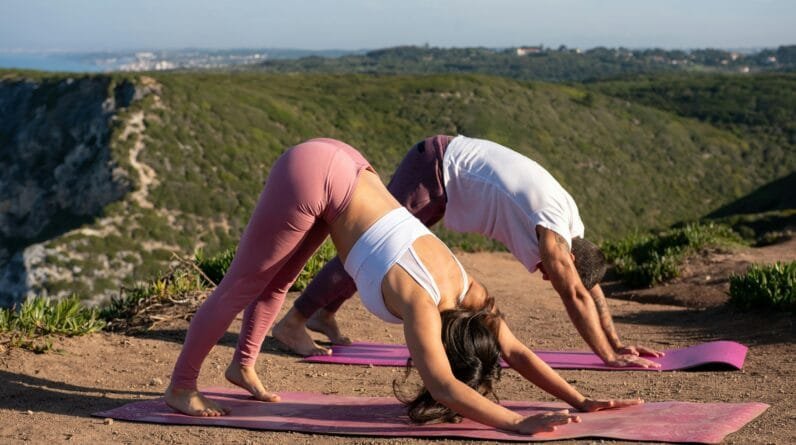
Mind-body practices: yoga and tai chi

We appreciate the integration of breath and movement in practices like yoga and tai chi, which are especially effective for calming. These disciplines combine stretching, balance, and breathwork to reduce sympathetic activation and promote parasympathetic response.

Breath-focused and restorative practices

We rely on breathwork, progressive muscle relaxation, and restorative poses to shift the body into a relaxed state. These techniques directly activate the parasympathetic nervous system, reducing heart rate and calming the mind.

Are we ready to create a calm, consistent exercise routine that supports clearer thinking and steadier moods?

Components of a Calm Exercise Session

A well-rounded session includes preparation, sustained practice, and recovery. We should structure each session so that it supports physiological regulation and mental clarity.

Warm-up: Preparing body and mind

We begin with gentle dynamic movements and breath awareness to increase circulation and ready the nervous system. Warming up reduces the chance of injury and primes us for calm focus during the main practice.

Main practice: Movement with intention

The core of our session blends aerobic or strength components with mindful attention and steady breathing. We should aim for movements that challenge us without pushing to an overstimulated state.

Cool-down and recovery

We end with slow, restorative movements, breath-focused relaxation, or brief meditation to consolidate the calming response. Cool-downs help lower vigilance and encourage a parasympathetic shift.

Sample Daily Routines

We can implement short sessions on busy days and longer, more restorative sessions when we have time. Below are sample routines tailored to morning, midday, and evening use.

Morning routine: Gentle activation

We recommend a 20–30 minute morning practice combining light aerobic movement and mobility work to set a calm tone for the day. This helps us start with steady energy rather than adrenaline-driven urgency.

Routine table: Morning 25-minute session

Time

Activity

Purpose

0–5 min

Breath awareness + gentle stretch

Grounding, increase oxygenation

5–15 min

Brisk walk or light cycling

Cardiovascular activation, mood lift

15–20 min

Mobility for shoulders, hips, spine

Reduce stiffness, improve movement quality

20–25 min

Standing balance + 3-minute mindful breathing

Focus, parasympathetic shift

We should move at a pace that feels energizing but not rushed, allowing breath to remain steady throughout.

Midday routine: Reset and refocus

We like a 15–20 minute midday session to interrupt long sedentary periods and reset mental clarity. Short bursts of movement help dissipate built-up stress and improve afternoon focus.

Routine table: Midday 15-minute session

Time

Activity

Purpose

0–3 min

Seated breathwork (box breathing)

Quick calming reset

3–10 min

Bodyweight circuit (squats, push-ups, lunges)

Reconnect with body, increase alertness

10–15 min

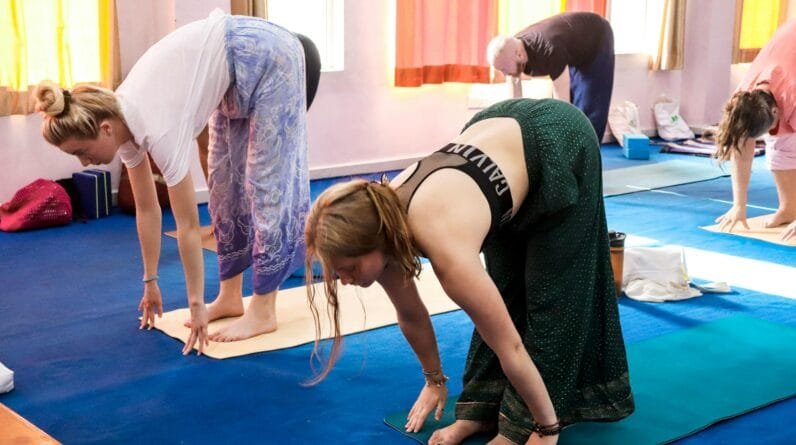
Standing forward fold + neck release

Release tension, return to work calmer

We should use this time to step away from screens and reconnect with our bodily sensations for better regulation.

Evening routine: Wind-down and restoration

We suggest a 30–40 minute evening routine that leans into restorative movement and breathwork to prepare for restful sleep. Slowing intensity and prolonging exhalations help reduce pre-sleep arousal.

Routine table: Evening 35-minute session

Time

Activity

Purpose

0–5 min

Gentle mobility and diaphragmatic breathing

Transition from day to evening

5–20 min

Yin or restorative yoga sequence

Deeply relax connective tissues and nervous system

20–30 min

Progressive muscle relaxation

Release residual tension

30–35 min

Short guided meditation (5 min)

Mind settling before bed

We should dim lights and avoid stimulating content during or immediately after this session to preserve the calming effect.

Exercise Routine for Calm Minds

This image is property of images.unsplash.com.

Sample Weekly Plan

We recommend alternating intensity and focus across the week to balance stimulation and recovery. Below is a sample 7-day plan that emphasizes calm.

Weekly plan table: Sample week

Day

Session focus

Duration

Monday

Morning brisk walk + mobility

30 min

Tuesday

Strength training (controlled tempo)

40 min

Wednesday

Tai chi or slow flow yoga

45 min

Thursday

Midday bodyweight circuit + breathwork

25 min

Friday

Longer outdoor walk/hike (moderate)

60 min

Saturday

Restorative yoga + meditation

40 min

Sunday

Active recovery: light cycling or stretching

30 min

We encourage us to adjust duration based on our schedule while keeping a minimum frequency to maintain neurological benefits.

Exercise Examples and Breakdowns

Knowing specific exercises and how to perform them helps us practice safely and effectively. Below we give detailed breakdowns and cues.

Walking (brisk and mindful)

We find walking accessible and powerful for mental calm, especially when done with awareness. We should focus on posture, natural arm swing, and rhythmic breathing to maximize its benefits.

  • Key cues: head aligned, shoulders relaxed, heel-to-toe stride, inhale for 3 steps, exhale for 3 steps.

  • Variations: interval walking (short bursts of faster pace), mindful nature walks.

Controlled tempo strength exercises

We prefer moving slowly and intentionally rather than rushing through reps, which allows more focus on breath and body sensations. This approach reduces adrenaline spikes and increases mindful engagement.

  • Example: Squat — 3-second descent, 1-second hold, 3-second ascent.

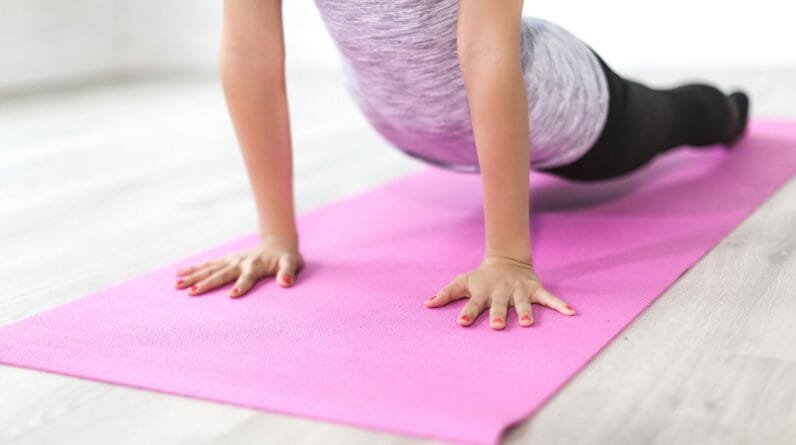
  • Example: Push-ups — slow lowering, controlled pause, slow push back.

Yoga poses beneficial for calm

Certain poses reliably decrease arousal and promote relaxation. We integrate these poses into our routines when our aim is to restore.

  • Child’s Pose (Balasana): encourages diaphragmatic breathing and spinal lengthening.

  • Legs Up the Wall (Viparita Karani): increases venous return and calms the nervous system.

  • Cat-Cow: gentle spinal mobility and breath-synced movement.

Tai Chi basics

We appreciate tai chi for its fluid, continuous movement that trains balance and restful focus. Our practice uses slow, intentional transitions and attention to weight shifting.

  • Key components: slow weight transfer, soft knees, relaxed shoulders, breath coordination.

Breath practices that support calm

Breath is one of the fastest levers to influence our emotional state, so we use simple, effective techniques. We recommend starting with short sessions and gradually increasing duration.

  • Box breathing: inhale 4 seconds, hold 4, exhale 4, hold 4.

  • 4-6 exhale emphasis: inhale 4, exhale 6 to stimulate parasympathetic response.

  • Diaphragmatic breathing: focus on belly rise and fall rather than chest.

Warm-Up and Cool-Down Routines

We should not skip warm-ups or cool-downs, because they prime the body and help consolidate calm afterward. Below are concise routines we can use before and after sessions.

5–10 minute dynamic warm-up

We prepare joints and increase body temperature with gentle mobility. This primes our nervous system for movement and reduces the likelihood of jolting stress responses.

  • Exercises: shoulder circles, neck rolls, leg swings, cat-cow, hip circles.

  • Breathing: steady, nasal breathing throughout to maintain calm.

5–10 minute cool-down and relaxation

We reduce heart rate and deepen breath before finishing a session to support recovery. Cooling down signals to our body that it’s safe to relax.

  • Exercises: slow walking, gentle stretching, progressive muscle relaxation.

  • Final step: 2–5 minutes of seated or supine breath awareness.

Exercise Routine for Calm Minds

This image is property of images.unsplash.com.

Modifications for Different Levels and Conditions

We want our routine to be inclusive and adaptable for beginners, older adults, and people with specific health conditions. Modifications maintain calming benefits while ensuring safety.

Beginners

We should start with short sessions (10–20 minutes) and focus on technique and breath rather than duration. Gradually increasing volume and frequency is better than pushing intensity early on.

  • Tips: choose low-impact movement, emphasize walking and basic mobility, rest frequently.

Older adults and people with joint concerns

We recommend low-impact options such as water-based exercise, chair yoga, and tai chi. These approaches maintain balance and mobility without excessive joint stress.

  • Tips: use support for balance, reduce range of motion if painful, slow down transitions.

Anxiety or panic disorder

We must prioritize predictability and control in sessions to avoid triggering symptoms. Short, familiar routines with breathwork and grounding practices are often most helpful.

  • Tips: practice in a safe environment, keep sessions short, have a pre-planned grounding technique for unexpected anxiety.

Chronic pain or medical conditions

We should consult healthcare providers and tailor movement accordingly, focusing on pacing and pain management strategies. Even gentle movement can improve mood and function, but it should be prescribed thoughtfully.

  • Tips: use pain as feedback, not a barrier, and choose gentle mobility and strengthening to support daily function.

Measuring Progress and Staying Motivated

We want to recognize progress beyond pounds lifted or minutes run; calmness and resilience are valid metrics. Tracking helps us maintain motivation and adjust our approach.

Subjective measures of calm

We suggest tracking perceived stress, sleep quality, and daily mood using a simple scale from 1–10. Noticing small shifts in mental clarity or emotional steadiness is a meaningful sign of progress.

Objective measures

We can use steps, session frequency, or heart rate variability (HRV) if available to track trends. These numbers complement our subjective experience and can highlight the benefits of consistent practice.

Simple tracking template

We find that a brief daily log helps maintain consistency. Below is an example format we can adapt to our needs.

Table: Daily tracking example

Date

Session type

Duration

Mood before (1–10)

Mood after (1–10)

Notes

YYYY-MM-DD

Morning walk

30 min

4

7

Felt less tense after

We should review our logs weekly to identify patterns and celebrate consistent habits.

Common Barriers and Solutions

We will inevitably encounter barriers like time, motivation, or limited space. Addressing these proactively keeps our routine sustainable and calming rather than stressful.

Time constraints

We can use micro-sessions (5–15 minutes) throughout the day to maintain consistency without overwhelming our schedule. Short sessions still change brain chemistry enough to reduce stress.

Lack of motivation

We should set small, specific goals and use accountability—such as pairing activity with a friend or scheduling sessions as if they were appointments. Routines become easier when they are tied to a cue and a reward.

Physical limitations or injuries

We must prioritize safe movement and progressive overload. If pain persists, consulting a clinician or physiotherapist helps tailor exercises that promote calm without causing harm.

Equipment and Space Recommendations

We don’t need elaborate equipment to calm our minds; simple tools and a comfortable space suffice. Below we outline cost-effective options to support our practice.

Minimal essential equipment

We recommend a good pair of shoes, a yoga mat, and a resistance band for versatility. These items enable most of the routines described without complex setup.

Table: Equipment and use

Equipment

Purpose

Beginner cost

Shoes

Walking and general support

$30–$100

Yoga mat

Floor cushioning for stretching and yoga

$10–$60

Resistance band

Light resistance for strength or mobility

$5–$30

Foam roller

Self-myofascial release and tension relief

$10–$40

We should select comfortable clothing and create a quiet corner for breathing work if possible.

Safety and Contraindications

We are committed to safety and recommend understanding when to pause or modify the practice. Knowing contraindications prevents setbacks and preserves our well-being.

When to consult a professional

We encourage consulting a physician before starting a new routine if we have cardiovascular issues, uncontrolled chronic conditions, or recent surgeries. Personalized guidance reduces risk and helps tailor intensity.

Signs to stop or modify

We should stop if we experience chest pain, dizziness, severe shortness of breath, or sharp joint pain. Discomfort is different from dangerous pain; when in doubt, err on the side of caution.

Integrating Exercise with Lifestyle for Greater Calm

Exercise works best as part of a broader lifestyle that supports sleep, nutrition, and social connection. We should aim for complementary habits to optimize mental calm.

Sleep and exercise timing

We notice that vigorous late-evening exercise can interfere with sleep for some, whereas morning or afternoon sessions often support sleep quality. Evening routines geared toward restoration are preferable close to bedtime.

Nutrition and hydration

We should fuel ourselves with balanced meals and stay hydrated to reduce irritability and support recovery. Avoiding heavy meals and excessive caffeine late in the day helps preserve calm.

Social connection

We find that exercising with friends or in small groups increases enjoyment and accountability, contributing to emotional well-being. Shared routines can also model calm behavior and reduce isolation.

Evidence and Research Highlights

We want to make decisions informed by research, and numerous studies support the mental-health benefits of regular exercise. Below are core findings that guide our practice.

Key research takeaways

We rely on evidence showing that even low to moderate exercise reduces symptoms of anxiety and depression and improves sleep. Mind-body practices such as yoga have specific evidence for lowering stress markers and improving mood.

Practical implications

We interpret these findings to mean that we don’t need extreme exercise volumes for meaningful mental benefits; consistency and mindful practice are the most important elements. This frees us from needing high-intensity goals to achieve calm.

Frequently Asked Questions (FAQ)

We anticipate some common questions and provide concise answers to help clarify our approach.

How long before we notice calmer moods?

We often experience immediate changes in alertness and mood after a session, with more durable improvements developing over 2–8 weeks of consistent practice. Small daily habits compound into larger shifts over time.

Can high-intensity exercise be calming?

High-intensity exercise can be calming for some people, but it may increase arousal in others, especially when done late in the day. We recommend listening to our body and preferring moderate-intensity or paced strength sessions when the goal is calm.

How do we handle busy days?

On busy days we should prioritize short sessions—5–15 minutes—focused on breath and movement. These micro-practices preserve continuity and still produce calming neurochemical effects.

Putting It All Together: A 28-Day Starter Plan

We suggest a gradual 4-week plan that balances activation and recovery to build habit and calm. Each week builds on the last with small, intentional increases.

Week 1: Establish basics — 20–30 minutes most days; focus on walking, mobility, and breathwork.
Week 2: Add two short strength sessions with controlled tempo; continue daily walks and evening restorative practice.
Week 3: Introduce one longer outdoor session and a tai chi or gentle flow class; emphasize sleep and hydration.
Week 4: Consolidate — maintain variety, track mood changes, and set goals for the next month.

We should adapt duration and frequency to our current fitness and commitments, keeping the primary objective to support calm rather than maximize intensity.

Final Thoughts and Encouragement

We are committed to creating a routine that supports our mental health as much as our physical fitness. Small, consistent movements paired with mindful breathing create reliable pathways to calmer days and more resilient minds.

We invite us to begin with curiosity, patience, and kindness toward ourselves as we adopt new habits. With regular practice, we will likely notice not only calmer minds but also improved sleep, clearer thinking, and a greater capacity to manage daily stressors.

You May Also Like