Fitness Exercises for Everyday Health – Stay Active, Strong & Balanced
Fitness Exercises for Everyday Health. Swimming earns attention because it blends low-impact movement with cardiovascular conditioning, strength work, and stress reduction. In the water our bodies feel lighter, joints experience less strain, and we can move in ways that are difficult or painful on land. Below we describe five top exercises that suit people of all ages and fitness levels and deliver broad health benefits: weight control, bone strength, joint protection, balance, mood, memory, and bladder control.
Why low-impact movement matters
We often prefer high-impact workouts for convenience and intensity, but low-impact movement is essential for joint protection, long-term adherence, and rehabilitation. Low-impact exercises allow us to keep moving even when joints are sensitive, when we’re recovering from injury, or as we age. They maintain muscle, circulation, and mood without battering cartilage or increasing injury risk.
How water helps our joints
Water’s buoyancy reduces the effective weight on our joints, which decreases compression forces on cartilage and reduces pain for many people with arthritis or joint replacement. Hydrostatic pressure can also reduce swelling and support circulation, while the resistance of water provides gentle strength training.
The five top exercises and their benefits
We focus on five activities that are adaptable to different fitness levels and offer wide-ranging benefits: swimming, tai chi, strength training, walking, and Kegel exercises. Each has unique advantages and can be combined depending on our goals and preferences.
1) Swimming — buoyant support, mood lift, full-body conditioning
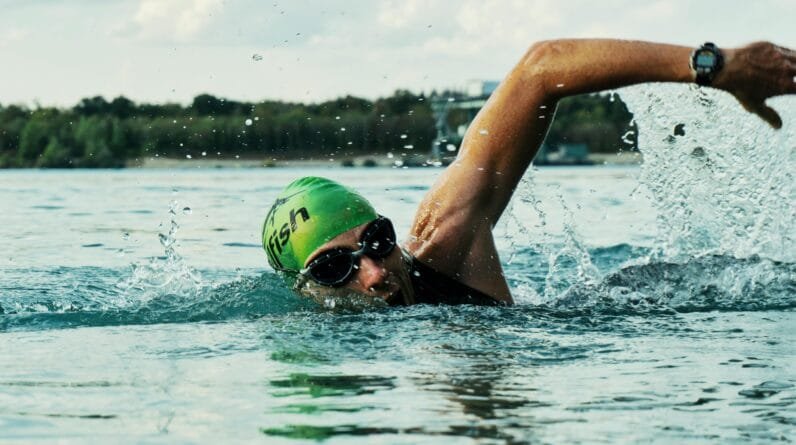
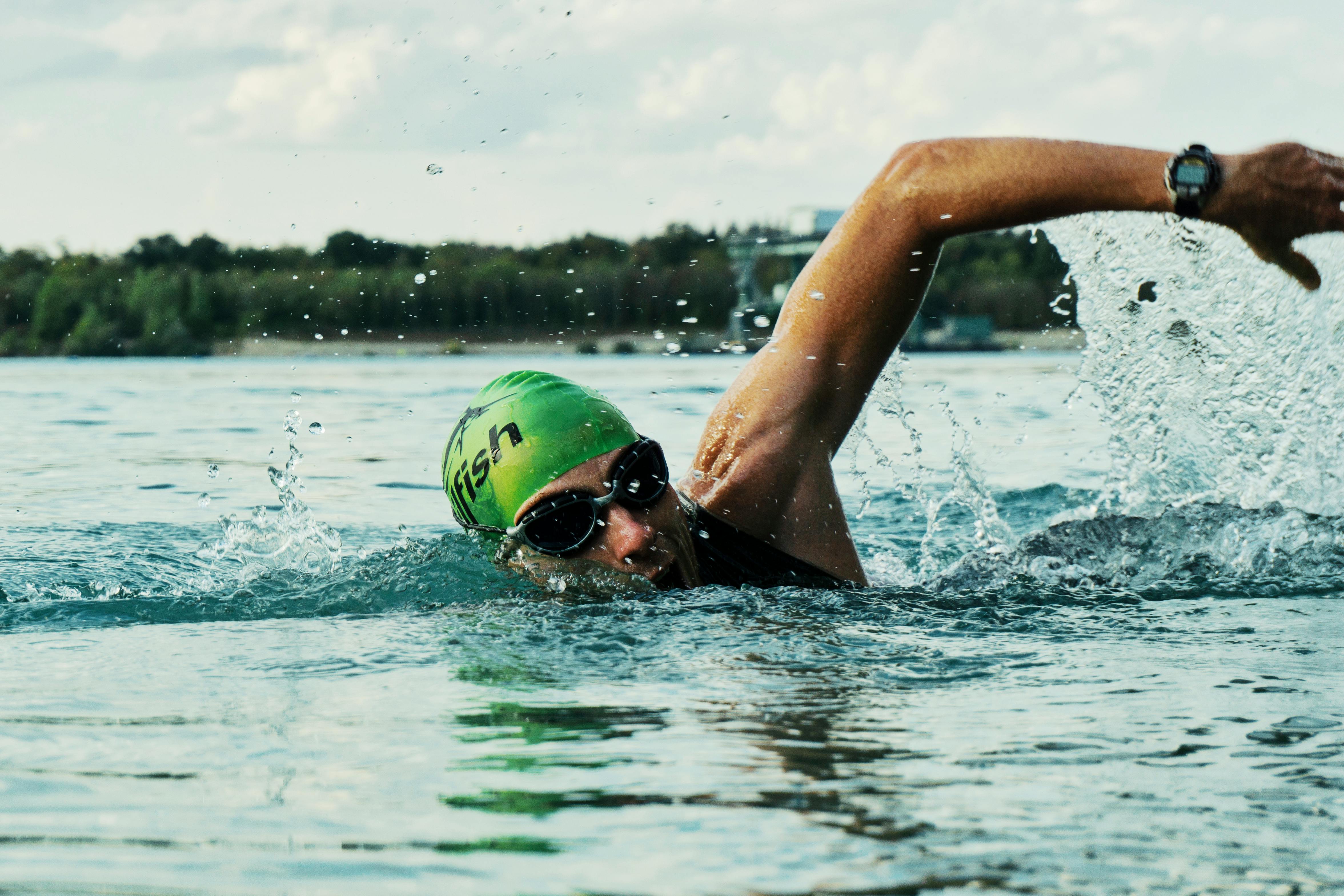
Swimming is one of the best low-impact aerobic activities. It supports our body while strengthening muscles, improving cardiovascular fitness, and easing joint pain.
- Key benefits: reduced joint strain, improved mood, calorie burn, improved lung capacity, full-body tone.
- Who it suits: people with arthritis, those recovering from injury, anyone seeking low-impact cardio, and swimmers of all ages.
Practical tips:
- Start with short sessions if you are new: 10–15 minutes, building to 30–45 minutes per session.
- Mix stroke types (e.g., freestyle, backstroke) to balance muscle use and reduce repetitive strain.
- Consider water aerobics classes for structured movement that burns calories and tones muscles.
Have you ever wondered which activities give us the best combination of joint relief, mood boost, and whole-body fitness?

This image is property of images.pexels.com.
2) Tai Chi — “meditation in motion” for balance and calm
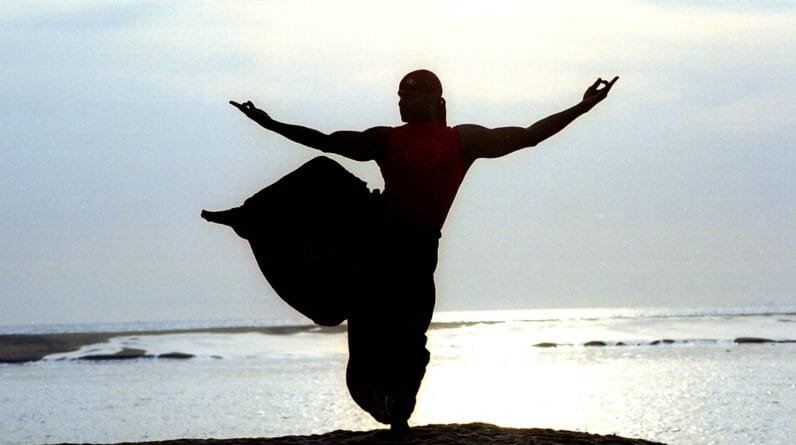
Tai chi is a series of slow, flowing movements coordinated with breathing and attention. It’s often described as moving meditation and is especially accessible for older adults.
- Key benefits: improved balance and coordination, reduced fall risk, stress reduction, improved mood and memory.
- Who it suits: older adults, people with balance concerns, those seeking a gentle mind-body practice.
Practical tips:
- Join a beginner class to learn basic forms and posture; many programs offer seated modifications.
- Practice for 15–30 minutes most days to gain noticeable improvements in balance and mental calm.
- Focus on relaxed breathing and fluid transitions rather than speed or perfection.
3) Strength training — preserve muscle, burn calories, protect the brain
Strength training with light weights or resistance bands is critical to prevent age-related muscle loss (sarcopenia), support bone health, and boost metabolism. It also has positive effects on cognition and mood.
- Key benefits: improved muscle mass and strength, higher resting metabolic rate, bone density preservation, better functional ability.
- Who it suits: everyone — beginners, older adults, people with chronic conditions (with appropriate modifications).
Practical tips:
- Start very light and learn proper form; consider a session with a trainer or clinician if unsure.
- Focus on major muscle groups: legs, hips, back, chest, abdomen, shoulders, and arms.
- Aim for 2 sessions per week, 1–3 sets of 8–15 repetitions per exercise, increasing resistance gradually.
4) Walking — simple, powerful, and accessible
Walking is a foundational aerobic activity with low injury risk when done correctly. It supports weight control, cardiovascular health, blood pressure regulation, and mood, and it also benefits memory and bone health.
- Key benefits: weight control, improved cholesterol, lower blood pressure, bone-strengthening impact (when brisk), mood lift, better cognition.
- Who it suits: nearly everyone — from beginners to experienced exercisers.
Practical tips:
- Begin with 10–15 minutes at a comfortable pace and gradually work up to 30–60 minutes most days.
- Use supportive shoes and pay attention to posture: relaxed shoulders, gentle forward lean, heel-to-toe roll.
- Add hills, intervals, or brisk segments to increase intensity gradually.
5) Kegel exercises — pelvic floor strength for bladder control
Kegels strengthen the pelvic floor muscles that support bladder and bowel control and help sexual function. They are simple to do anywhere and benefit both women and men.
- Key benefits: reduced urinary incontinence, improved pelvic support, better bladder control during coughing, sneezing, or exercise.
- Who it suits: adults of all sexes, especially those with pelvic floor weakness following childbirth, surgery, or aging.
Practical guidance:
- To perform, identify pelvic floor muscles by stopping urine midstream (only as a test, not a regular practice).
- Squeeze as if stopping urine or gas, hold for 2–3 seconds, then release fully for the same amount of time.
- Repeat 10 times per set and aim for 4–5 sets daily. Progress by increasing hold time up to 10 seconds as strength improves.
How these activities support broad health goals
Each of these exercises contributes to multiple aspects of health beyond the targeted joint relief or bladder control. When combined, they create a balanced program that supports whole-body fitness.
Weight control and metabolism
Aerobic activities like swimming and walking burn calories and help maintain a healthy weight, while strength training increases resting metabolic rate by preserving or building muscle mass.
Bone health and joint protection
Weight-bearing activities (walking) and resistance training stimulate bone remodeling and help maintain bone density. Swimming protects joints while supporting mobility; tai chi improves balance, which reduces fall-related fractures.
Balance and fall prevention
Tai chi, strength training (particularly lower-body work), and walking on varied terrain all improve balance and proprioception, lowering the risk of falls.
Mood, memory, and brain protection
Aerobic exercise increases blood flow to the brain and supports neuroplasticity; strength training and mind-body activities like tai chi have been linked to improvements in cognitive function and mood.
Bladder control and pelvic health
Regular Kegels strengthen the pelvic floor and reduce stress urinary incontinence. Combining pelvic floor training with overall fitness keeps core support robust.
A quick reference table: exercise comparison
| Exercise | Joint Friendliness | Main Benefits | Frequency |
|---|---|---|---|
| Swimming | Excellent (low-impact) | Cardiovascular, mood, full-body conditioning | 3–5x weekly, 20–45 min |
| Tai Chi | Excellent (gentle) | Balance, stress reduction, flexibility | Daily or 3–5x weekly, 15–30 min |
| Strength Training | Good (with proper form) | Muscle mass, bone health, metabolism | 2x weekly, 20–45 min |
| Walking | Good (low-impact) | Cardio, bone support, mood | Most days, 30–60 min |
| Kegels | Excellent (no joint stress) | Pelvic floor strength, continence | Daily, 4–5 sets |
How to start — practical steps for beginners
We can make starting a program simple and sustainable by focusing on small, consistent steps. Below are guidelines and a sample progression.
Assess and plan
- Check with a clinician if we have major health concerns (recent surgeries, severe arthritis, uncontrolled cardiovascular disease).
- Identify realistic goals: pain reduction, improved mood, weight loss, better bladder control, or increased endurance.
- Choose activities we enjoy to improve adherence.
Start small and build
- Begin with short, manageable sessions (10–15 minutes) and increase by 5–10 minutes each week.
- For strength training, start with bodyweight or very light resistance and focus on technique.
- For swimming, consider water walking or buoyancy belts if full strokes are too demanding.
Sample 8-week progression for beginners
Week 1–2:
- 3× walking sessions, 15 minutes each
- 2× short strength sessions, 15 minutes (bodyweight or band)
- Daily Kegels, 2 sets of 10
Week 3–4:
- 3–4× swimming or pool walking, 20 minutes
- 2× strength sessions, 20–25 minutes (basic compound moves)
- 2–3× tai chi or balance practice, 15 minutes
- Daily Kegels, 3 sets of 10
Week 5–8:
- 3–4× aerobic sessions (combined walking/swimming), 30–45 minutes
- 2× strength sessions, 30–45 minutes
- Tai chi 3× weekly, 20–30 minutes
- Kegels daily, 4–5 sets

This image is property of images.pexels.com.
Sample weekly schedule
| Day | Activity | Duration |
|---|---|---|
| Monday | Swimming (mixed strokes) + Kegels | 30–40 min + daily sets |
| Tuesday | Strength training (lower body focus) + Tai Chi | 30–40 min + 20 min |
| Wednesday | Brisk walk (outdoors or treadmill) + Kegels | 30–45 min |
| Thursday | Water aerobics or pool walking + Core work | 30–40 min + 10–15 min |
| Friday | Strength training (upper body/core) + Tai Chi | 30–40 min + 20 min |
| Saturday | Longer walk or family activity (dancing/gardening) | 45–60 min |
| Sunday | Rest or gentle tai chi, stretching + Kegels | 20–30 min |
We can mix and match, and many daily activities like gardening, dancing, and playing with children count as exercise.
Technique and safety details for each exercise
Good technique and common-sense safety reduce injury risk and maximize benefits. We summarize essential points and modifications.
Swimming technique basics
- Warm up with gentle kicking and arm strokes for 5–10 minutes.
- Keep the head aligned with the spine and avoid excessive neck strain.
- Use a pull buoy or kickboard to isolate and strengthen specific muscle groups.
- For arthritis or joint pain, try water walking or shallow-angle swimming to control intensity.
- Cool down with slow swimming and light stretches.
Safety:
- Swim in supervised pools if possible.
- Use flotation aids if balance or endurance is limited.
- Stay hydrated and be aware of pool temperatures — warmer pools may help stiff joints, cooler pools may be preferable for vigorous aerobic work.
Tai chi basics
- Begin with a short warm-up of gentle joint rotations.
- Focus on slow, deliberate weight transfer and relaxed posture.
- Breathe naturally and coordinate breath with movement.
- Use a chair for seated or transitional practice if balance is limited.
Safety:
- Move within comfortable ranges; avoid forcing stretches.
- Consult a trained instructor to correct alignment and prevent compensatory patterns that stress joints.
Strength training basics
- Learn core lifts: squats, lunges (or sit-to-stands), rows, chest presses, and overhead presses.
- Emphasize controlled movement, full range of motion, and proper breathing (exhale during effort).
- Avoid heavy, sudden loads early on; progress resistance gradually.
- Include a moderate warm-up and finish with gentle stretching.
Safety:
- If we have joint replacement, follow clinician guidance on allowed ranges and load limits.
- Stop if sharp pain occurs; mild muscle discomfort is normal after new activity.
- Prioritize form over weight.
Walking basics
- Wear well-fitting, supportive shoes with enough cushioning and arch support.
- Use arm swing and engage core for posture and efficiency.
- Gradually add intensity by increasing pace, adding hills, or including short intervals.
Safety:
- Walk in well-lit, pedestrian-friendly areas or use a treadmill when outside conditions are unsafe.
- If balance or dizziness is an issue, walk with a partner or near railings.
Kegel technique and progression
We often misunderstand how to perform Kegels properly. The following table clarifies typical progression.
| Step | Instruction | Notes |
|---|---|---|
| 1 | Identify muscles by attempting to stop urine midstream (testing only) | Do not make a habit of stopping urine during every void |
| 2 | Squeeze pelvic floor, hold 2–3 seconds, then relax 2–3 seconds | Start with short holds if fatigued |
| 3 | Repeat 10 times per set | Aim for 4–5 sets across the day |
| 4 | Increase hold time gradually to 5–10 seconds as strength improves | Progress slowly to avoid muscle fatigue |
Safety:
- Avoid holding breath or contracting glutes, thighs, and abdomen excessively.
- For persistent incontinence, consider referral to a pelvic floor physical therapist.
Modifications for common conditions
We want these activities to be accessible even when chronic conditions are present.
Arthritis
- Prioritize water-based activities and gentle strength work.
- Use warm pools to reduce stiffness.
- Avoid painful ranges; focus on pain-free movement patterns.
Osteoporosis
- Include weight-bearing activities like walking and resistance training to support bone density.
- Avoid high-impact jumping and excessive spinal flexion.
- Emphasize posture, hip and back strengthening.
Joint replacement
- Follow surgeon/therapist guidelines for range of motion and load progression.
- Water exercises are often excellent early in recovery, once incision healing is satisfactory.
Cardiovascular limitations
- Use perceived exertion (light to moderate) and the talk test: we should be able to carry on a conversation during aerobic activity.
- Break sessions into shorter bouts if needed and progress gradually.
This image is property of images.pexels.com.
Monitoring intensity and progress
We can use simple tools to measure whether our workouts are appropriately challenging.
The talk test and RPE
- Talk test: if we can speak but not sing, the intensity is moderate; if we can’t hold a conversation, it’s vigorous.
- Rate of Perceived Exertion (RPE): a 0–10 scale where 4–6 is moderate and 7–8 is vigorous; aim for moderate intensity most days.
Tracking progress
- Keep a simple log of duration, distance, perceived exertion, and pain levels.
- Monitor functional improvements: ability to climb stairs, carry groceries, or play with grandchildren.
- Reassess goals every 4–8 weeks and adjust frequency, duration, or intensity.
Combining these activities for best results
We get the greatest overall benefit when combining aerobic conditioning, strength work, balance practice, and pelvic floor training.
- Aim for at least 150 minutes of moderate aerobic activity per week (e.g., swimming, walking) or 75 minutes of vigorous activity.
- Add strength training for major muscle groups at least twice weekly.
- Practice balance activities like tai chi several times a week.
- Do pelvic floor exercises daily.
This combination supports weight control, bone strength, joint protection, balance, mood, memory, and bladder control simultaneously.
Everyday activities that count
We don’t need to be in a gym to be active. Many daily tasks provide meaningful exercise:
- Gardening: squatting, reaching, and carrying work lower body and trunk.
- Dancing: excellent for cardio, balance, mood, and social connection.
- Playing with children or pets: dynamic movement, agility, and social engagement.
- Housework, shopping, and active commuting: increase daily step counts and energy expenditure.
When we think creatively, the whole day becomes an opportunity for movement.
Safety checklist before starting or progressing
- Get clinician clearance if we have major health issues or recent surgery.
- Learn proper form—consider a few sessions with a certified trainer, physical therapist, or instructor.
- Start slowly and increase intensity or duration gradually to avoid injury.
- Warm up and cool down: 5–10 minutes of gentle movement and stretching.
- Stay hydrated and wear appropriate footwear/clothing.
- Stop or modify if we experience sharp or worsening pain, chest pain, lightheadedness, or sudden shortness of breath.
Frequently asked questions
How often should we swim versus walk?
Both are excellent; choose based on preference, access, and joint symptoms. Swimming 3 times weekly plus walking on other days provides variety and balance.
Can we do strength training in the water?
Yes. Water resistance offers excellent strength training with minimal joint stress. Use paddles, water weights, or resistance bands for progression.
Will Kegels help if we already have mild leakage?
Yes, many people see improvement with consistent pelvic floor training. For persistent or severe symptoms, consult a pelvic floor therapist.
Is tai chi suitable for people with limited mobility?
Yes. Many tai chi instructors offer seated or simplified forms that build balance and mobility safely.
Troubleshooting common barriers
- Time: Break activity into three 10-minute bouts if 30 minutes at once feels impossible.
- Pain: Reduce impact, choose water-based options, and focus on pain-free ranges. Seek professional advice for persistent pain.
- Motivation: Exercise with a friend, join classes, or set short-term achievable goals and reward progress.
- Weather or pool access: Walk indoors at malls or use home strength sessions or chair tai chi when outdoor options are limited.
When to seek professional help
We should see a clinician before beginning or increasing activity if we have:
- Uncontrolled hypertension or cardiac symptoms
- Recent heart attack or stroke
- Uncontrolled diabetes with complications
- Active infections or open wounds (especially for pool use)
- New or worsening joint pain that limits function
Additionally, consider a physical therapist for tailored rehabilitation or a certified trainer for strength technique.
Final thoughts
We can build a sustainable program that combines swimming, tai chi, strength training, walking, and pelvic floor work to protect our joints, lift our mood, and enhance whole-body fitness. These activities complement each other: water lowers joint stress while providing resistance, tai chi sharpens balance and calm, strength training preserves muscle and bones, walking keeps us mobile and heart-healthy, and Kegels secure pelvic function.
By starting small, progressing thoughtfully, and choosing activities we enjoy, we’ll make steady gains in function, mood, and independence. Let’s commit to movement patterns that serve us long-term — for better joints, brighter days, and a stronger, more resilient body.