Gentle Exercise Routine for Daily Movement and Mobility (Beginner-Friendly)
Why Daily Movement Matters
Daily movement is important because the body responds to how often it moves, not only to how hard it works. When movement becomes irregular, stiffness tends to build. Muscles shorten from repeated positions, joints move less freely, circulation slows, and posture often becomes more collapsed. Gentle exercise helps interrupt that pattern before it becomes more limiting.
Regular movement supports joint lubrication, blood flow, tissue health, and nervous system coordination. It also helps maintain mobility that makes everyday tasks easier. Getting up from a chair, walking upstairs, reaching overhead, bending down, or carrying groceries all rely on the body being able to move through basic ranges of motion with enough strength and stability to feel safe and smooth.
Daily Movement Supports More Than Flexibility
Mobility is not only about stretching. It also depends on strength, balance, body awareness, and confidence. That is why a gentle exercise routine should include more than passive stretching alone. It should combine joint movement, light muscular activation, and balance work so that the body becomes both looser and more capable.
Daily movement may also improve mood, sleep quality, and mental clarity. Many people notice that even a short, low-pressure routine helps reduce physical tension and gives the day a more grounded rhythm.
Who Can Benefit From a Gentle Exercise Routine for Daily Movement and Mobility
This type of routine can help almost anyone who wants to move more consistently without high impact or complicated programming. It is especially useful for beginners, older adults, desk workers, people coming back after inactivity, and those who want a light daily practice that supports comfort and long-term function.
Common Groups Who Benefit
- People who sit for long periods during work or commuting
- Older adults who want to preserve independence and balance
- Beginners who feel intimidated by traditional workouts
- People recovering from minor deconditioning or low activity levels
- Anyone managing everyday stiffness from stress or inactivity
A gentle routine is also useful for people who already do other forms of exercise but need more mobility support between harder sessions.
Safety and Precautions Before Starting
Gentle exercise is usually very accessible, but safety still matters. A movement routine should help the body feel better, not aggravate symptoms that need medical attention. If you have recent surgery, severe arthritis, unstable balance, major pain, a history of falls, or any medical condition that affects safe movement, it is wise to get guidance from a clinician or physical therapist before beginning.
General Safety Principles
- Move within pain-free or low-discomfort ranges
- Stop if pain is sharp, sudden, or worsening
- Use support for balance when needed
- Progress gradually rather than aggressively
- Choose control over speed
Mild stretching sensation or light muscular effort is normal. Sharp pain, significant swelling, numbness, sudden weakness, or symptoms that linger and worsen afterward are reasons to stop and seek advice.
Core Principles of Gentle Movement
A gentle routine works best when it follows a few simple principles. These make the routine easier to maintain and more effective over time.
Frequency Matters More Than Intensity
Short daily sessions often work better than occasional long sessions. Ten to twenty minutes most days can do more for mobility than an inconsistent hour once a week. The body responds well to regular reminders to move.
Control Matters More Than Range
It is better to move slowly through a smaller comfortable range than to force a larger range without control. Smooth movement teaches the body safety and coordination. Forced movement often creates tension or compensation.
Breathing Helps Regulation
Steady breathing reduces unnecessary tension and helps movement feel more natural. Holding the breath often increases stiffness and effort. Gentle inhalations and complete exhalations help support posture, control, and calmness.
Progression Should Be Gradual
Progress can come from adding a few repetitions, slightly increasing range of motion, holding a position longer, or introducing light resistance. Small steps are enough.
Warm-Up: Preparing the Body for Gentle Movement
Even gentle routines benefit from a short warm-up. The purpose is not to tire the body. It is to wake it up. A warm-up improves circulation, raises tissue temperature, and prepares the joints and nervous system for more comfortable movement.
Simple Warm-Up Sequence
- 30 to 60 seconds of easy marching in place
- 8 to 10 shoulder rolls
- 6 to 8 neck turns or gentle neck arcs
- 8 to 10 hip circles
- 10 ankle circles each direction
- 5 to 8 mini squats or sit-to-stands
During the warm-up, focus on staying relaxed. You are not trying to stretch deeply or work hard. You are just inviting the body into motion.
Breathing and Posture Alignment
A helpful posture cue is simple: ears over shoulders, shoulders over hips, and a neutral, easy spine. At the same time, use diaphragmatic breathing when possible. Allow the ribcage and belly to move naturally instead of breathing only into the upper chest.
Gentle Full-Body Routine for Daily Movement and Mobility (15 to 20 Minutes)
This full-body routine is designed to support joint mobility, circulation, balance, and light functional strength. It works well for most beginners and can be done at home with little or no equipment.
| Exercise | Purpose | Recommended sets/reps/time | Simple modification |
|---|---|---|---|
| Neck gentle rotations | Reduce neck stiffness and improve mobility | 6 to 8 each direction | Use smaller arcs if sensitive |
| Shoulder rolls | Relieve tension and improve shoulder mobility | 8 to 10 forward, 8 to 10 backward | Perform seated if needed |
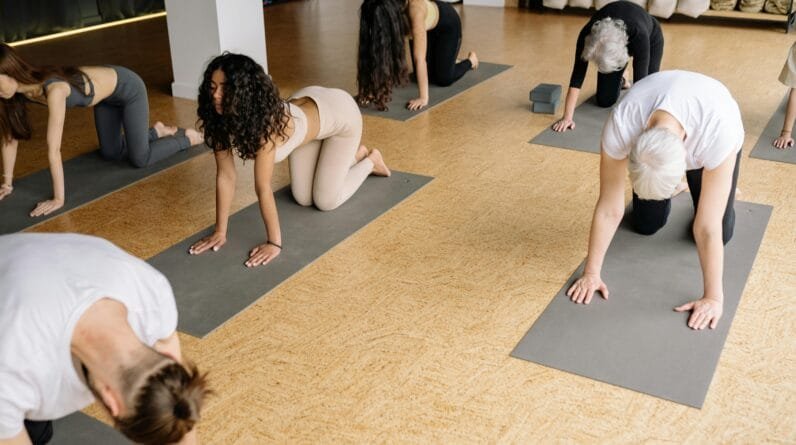
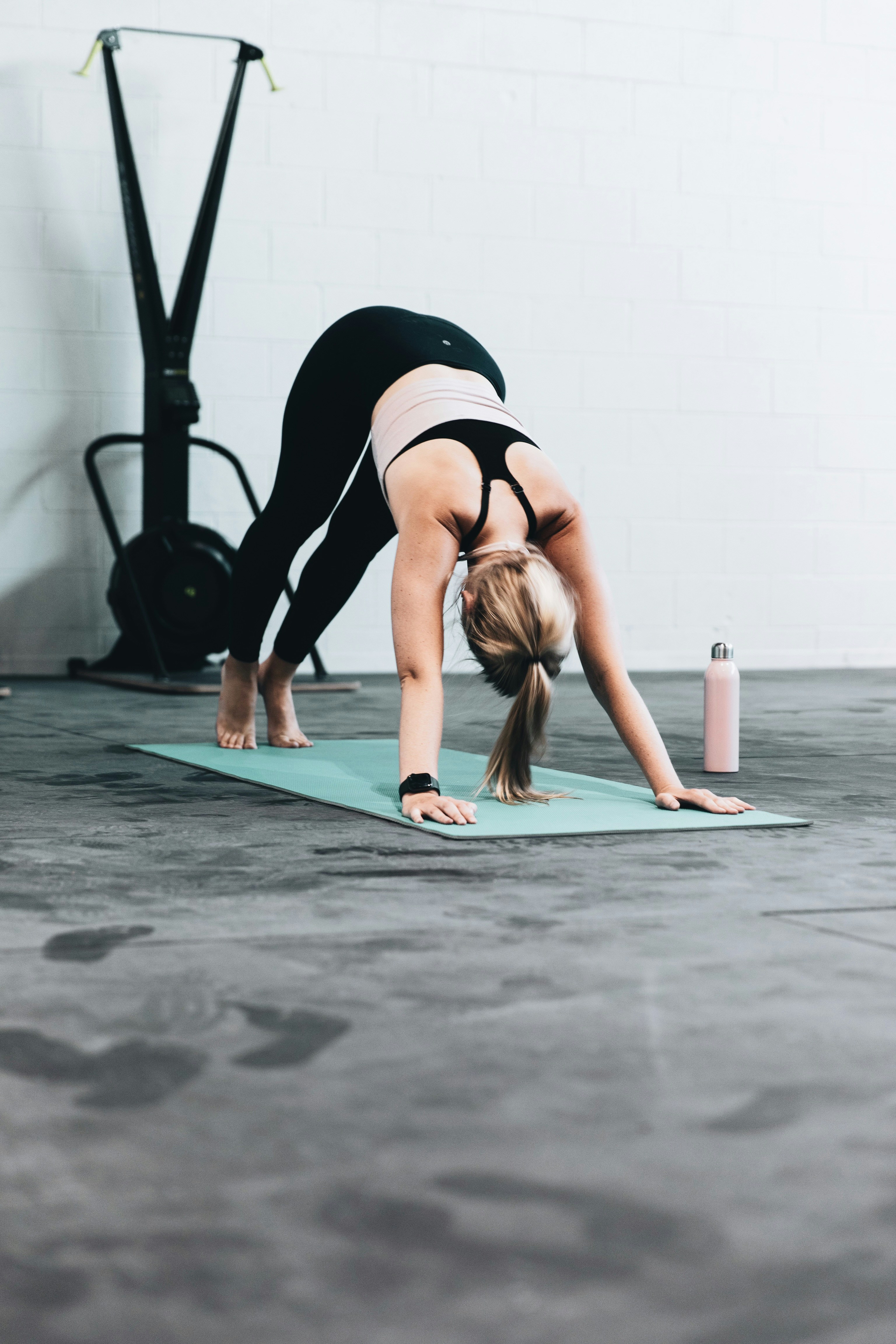
| Cat-cow | Mobilize spine and coordinate breath | 8 to 10 slow cycles | Use a countertop or chair for support |
| Arm circles and overhead reach | Shoulder mobility and upper-body opening | 6 to 8 each direction, 6 reaches | Reduce range if uncomfortable |
| Hip circles or pelvic tilts | Improve hip and lower-back mobility | 8 to 10 each | Use lying pelvic tilts if standing is difficult |
| Standing or seated march | Promote circulation and light hip activation | 30 to 60 seconds | Perform seated with slow knee lifts |
| Standing hip hinge (mini) | Posterior chain activation and hip movement | 8 to 12 reps | Keep it shallow and use hands on thighs |
| Heel raises and toe lifts | Ankle mobility and lower-leg strength | 10 to 15 each | Use chair support |
| Sit-to-stand | Functional lower-body strength | 8 to 12 reps | Use a higher chair or hands for help |
| Single-leg balance hold | Balance and proprioception | 20 to 30 seconds each leg | Hold onto a wall or chair |
| Gentle hamstring stretch | Posterior thigh flexibility | 20 to 30 seconds each side | Bend the knee slightly |
| Standing quad stretch | Front thigh flexibility and knee support | 20 to 30 seconds each side | Use a wall or chair for balance |
Move slowly through the list, resting as needed. This routine does not need to feel rushed. It should feel smooth, calm, and supportive.
How to Choose the Order of Exercises
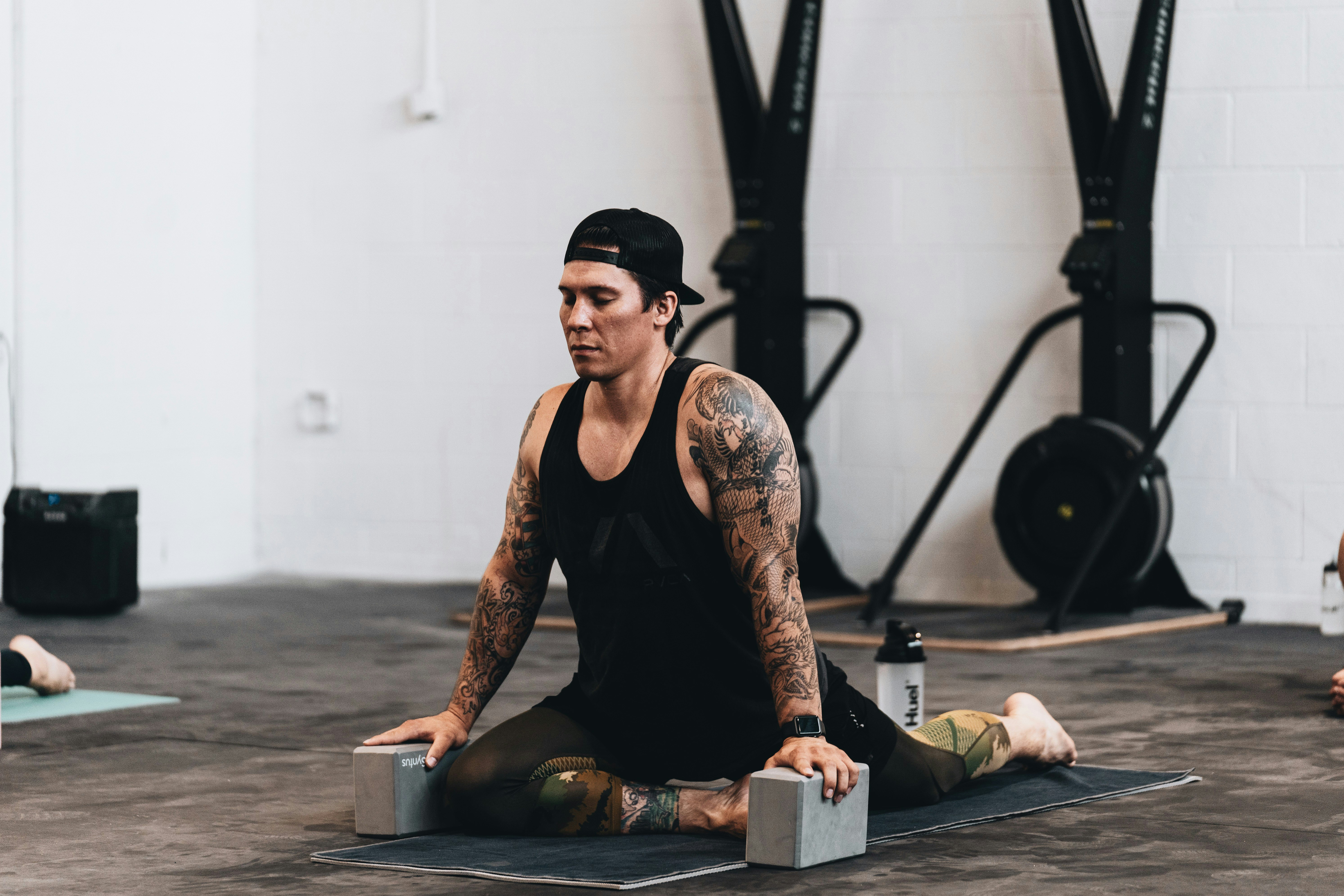
Many people find it easiest to move from the top of the body downward. Others prefer starting with larger areas such as the spine and hips before focusing on smaller joints. Both approaches can work. What matters most is that the sequence feels coherent and easy to remember.
A simple order is neck, shoulders, spine, hips, legs, balance, then stretching. That creates a natural flow that gradually warms and mobilizes the whole body.
This image is property of images.unsplash.com.
Time Under Tension and Tempo
One reason gentle routines work so well is that they encourage slower, more controlled movement. This increases body awareness and improves motor control without requiring heavy load or high impact. Slow movement also gives the joints and muscles more time to adapt to each repetition.
In practice, this means avoiding jerky movement, bouncing, or rushing through repetitions. If you are doing sit-to-stands, lower down with control. If you are doing heel raises, lift and lower slowly. If you are stretching, ease into the position instead of forcing it.
Desk-Friendly Mobility Session (5 to 10 Minutes)
If you sit for much of the day, small mobility breaks can make a major difference. These brief sessions reduce stiffness, improve circulation, and give the neck, shoulders, spine, hips, and ankles a chance to move out of fixed positions.
| Exercise | Purpose | Time/reps | Desk modification |
|---|---|---|---|
| Seated chin tucks | Improve neck posture | 8 to 10 reps | Use back support if needed |
| Seated shoulder blade squeezes | Activate upper back and open posture | 10 to 12 reps | Hold each squeeze for 1 to 2 seconds |
| Seated thoracic rotation | Improve spinal rotation | 6 to 8 each side | Keep hips facing forward |
| Seated hip marches | Promote circulation and hip activation | 20 to 30 seconds | Lift one knee at a time |
| Ankle circles | Improve ankle mobility and blood flow | 8 to 10 each direction | Can be done quietly under a desk |
These can be done every 60 to 90 minutes. They are especially helpful for office workers, students, drivers, or anyone who spends long hours sitting.
Morning or Bed Mobility Routine (8 to 12 Minutes)
Gentle movement in the morning can reduce stiffness after sleep and help the body feel more awake. In the evening, a slower version of the same routine can help the body downshift and feel more relaxed before bed.
| Exercise | Purpose | Time/reps | Modification |
|---|---|---|---|
| Diaphragmatic breathing | Relaxation and light core engagement | 5 deep breaths | Lying on back with knees bent |
| Knee hugs | Lower back and glute mobility | 6 to 8 each side | One knee at a time |
| Supine spinal twist | Lumbar mobility and relaxation | 20 to 30 seconds each side | Keep top knee bent if needed |
| Pelvic tilts | Low-back awareness and movement | 8 to 10 reps | Use small gentle ranges |
| Gentle bridge | Glute activation and hip extension | 6 to 8 reps | Lift only slightly if stiff |
| Ankle pumps | Lower-leg circulation | 20 to 30 seconds | Can be done in bed |
The morning version can feel slightly more energizing. The evening version should feel slower and more relaxing. Both help maintain the habit of moving daily.
Standing Balance and Low-Load Strength Routine (10 to 15 Minutes)
Mobility alone is helpful, but light strength and balance work make the benefits more functional. These movements support daily independence and help reduce fall risk over time.
Recommended Exercises
- Single-leg stand with support nearby
- Tandem stance or heel-to-toe stance
- Chair-supported squats
- Low step-ups
- Heel raises
- Sit-to-stands
Use slow tempos and supportive surfaces. The point is not to fatigue yourself heavily. The point is to build capacity gradually and safely.
If you want related guidance for slightly more structured strength and mobility work, this article also pairs well with low impact exercises for beginners to build strength and mobility.
This image is property of images.unsplash.com.
Detailed Exercise Descriptions and Cues
Neck Gentle Rotations
Turn the head slowly through a comfortable range. Keep shoulders relaxed and avoid forcing the neck. Think about smooth arcs rather than large circles if the full motion feels too intense.
Shoulder Rolls
Lift the shoulders gently, roll them back, and then down. Reverse direction after several repetitions. This can relieve upper-body tension and improve postural awareness.
Cat-Cow
On hands and knees, or with hands on a counter, move between gentle spinal flexion and extension. Coordinate breath with motion: inhale as the chest opens, exhale as the spine rounds.
Hip Circles and Pelvic Tilts
Hip circles can be done standing with hands on hips. Pelvic tilts can be done standing or lying down. Both improve lower-body mobility and body awareness around the spine and hips.
Standing Hip Hinge
Push the hips backward slightly while keeping the spine neutral. This trains the body to bend through the hips instead of collapsing through the lower back.
Heel Raises and Toe Lifts
Rise onto the toes slowly, then lower with control. For toe lifts, keep heels grounded and raise the front of the foot. These movements support ankles, calves, and balance.
Sit-to-Stand
Start seated, lean slightly forward, and press through the feet to stand. Lower back down with control. This is one of the most useful functional exercises for daily life.
Single-Leg Balance Hold
Stand near a wall or chair, lift one foot slightly, and maintain balance while breathing steadily. Keep the standing knee soft. Use only as much support as needed.
Hamstring and Quad Stretches
For hamstrings, hinge slightly forward with a soft knee and find mild tension in the back of the leg. For the quads, gently hold the ankle behind you if comfortable, using wall support if needed. Do not bounce.
Modifications and Adaptations
No routine works exactly the same way for everyone. Modifications make movement accessible and safer.
For Limited Balance
Use a stable chair, countertop, or wall for support. Static supported positions are a valid starting point. Balance can improve gradually over time.
For Joint Pain or Arthritis
Keep the range of motion smaller, reduce repetitions, and use smoother, slower patterns. Warmth before movement sometimes helps. Sharp or inflammatory pain should not be pushed through.
For Recent Injury or Surgery
Follow professional guidance first. Even when movement is allowed, healing timelines matter. Start only with approved exercises and ranges.
For Low Energy Days
Do a shorter version instead of skipping entirely. Even five minutes of breathing, neck mobility, shoulder rolls, marching, and ankle circles can help preserve the habit.

This image is property of images.unsplash.com.
Equipment and Useful Tools
Most gentle routines require very little equipment. In many cases, bodyweight and a supportive surface are enough.
Useful Items
- A sturdy chair
- A non-slip mat
- Supportive shoes if standing
- A low step for step-ups
- Resistance bands for optional progression
Equipment should make the routine feel safer and more comfortable. If a tool feels unstable or distracting, it is better to skip it.
Monitoring Progress and Setting Goals
Progress in a gentle movement routine is often subtle at first, but it is still meaningful. The goal is not always dramatic change. It may be less stiffness when you wake up, better posture after sitting, easier stair climbing, improved balance, or smoother bending and reaching.
Simple Progress Markers
- Holding balance positions a little longer
- Doing more sit-to-stands with less effort
- Reduced morning stiffness
- Greater comfort walking or standing
- Smoother movement through familiar exercises
Practical Tracking Methods
Use a simple notebook or notes app to track session length, exercises completed, and a difficulty rating from 1 to 10. You can also record how stiff or mobile you felt before and after the session. Patterns become clearer over time.
Common Mistakes and How to Avoid Them
Moving Too Quickly
Fast movement reduces control and increases the chance of compensation. Slow down and focus on smooth transitions.
Ignoring Pain Signals
Do not confuse discomfort with helpful challenge. Sharp, worsening, or unusual pain is a reason to stop and modify.
Skipping Warm-Up or Cool-Down
Even short sessions work better when the body is prepared. A brief warm-up and a calmer finish improve the overall effect.
Doing Too Much Too Soon
The best routines are the ones you can repeat. Moderate progress is more useful than an ambitious plan that creates fatigue or irritation.
Sample Weekly Plan for Gentle Progression
| Day | Focus | Approximate time |
|---|---|---|
| Monday | Full-body mobility + light strength | 20 minutes |
| Tuesday | Desk mobility breaks + short stretch | 10 to 15 minutes total |
| Wednesday | Balance and lower-body strength | 15 to 20 minutes |
| Thursday | Gentle mobility + breathing | 15 to 20 minutes |
| Friday | Functional movement practice | 15 minutes |
| Saturday | Longer gentle session or walk + mobility | 25 to 30 minutes |
| Sunday | Restorative breathing and light stretching | 10 to 15 minutes |
This type of weekly structure supports daily movement while still allowing lighter days. Consistency matters more than intensity.
Breathing, Rhythm, and Mindful Movement
Gentle exercise works even better when it is paired with mindful attention. Notice the feeling of the feet contacting the floor, the shoulders releasing tension, the hips moving more freely, or the breath expanding more naturally. This improves motor control and makes the routine feel less like a task and more like daily support.
Helpful Breathing Cues
- Inhale gently through the nose
- Exhale fully without forcing
- Avoid breath holding during effort
- Match breath to the rhythm of the movement
If you enjoy routines that also support mental calm, this topic complements exercise routine for calm minds well.
When to Seek Professional Help
Professional guidance can be very helpful if pain is persistent, movement feels unstable, balance is declining, or an injury or medical condition makes self-guided movement uncertain. A physiotherapist, physician, or qualified trainer can help tailor exercises, correct compensations, and create safer progressions.
Red Flags That Need Prompt Attention
- Sudden severe pain
- Numbness or tingling
- New swelling
- Loss of function
- Joint pain with fever or significant warmth
- Dizziness or fainting during movement
Frequently Asked Questions
How often should a gentle mobility routine be done?
Most people do well with daily short sessions or near-daily practice. Ten to thirty minutes most days is often enough to maintain mobility, reduce stiffness, and support better movement quality. The exact amount depends on energy, schedule, and physical needs.
Is gentle exercise enough to build strength?
Gentle exercise can absolutely build or maintain strength for beginners, older adults, or people returning after inactivity. Movements like sit-to-stands, step-ups, heel raises, and supported squats build practical strength over time. More advanced strength goals usually require extra resistance later on.
Can this type of routine help chronic stiffness?
Yes, consistent gentle movement often helps chronic stiffness by improving circulation, joint motion, and tissue tolerance. Many people notice benefits within days or weeks. If stiffness is severe, worsening, or associated with pain and swelling, it is a good idea to get professional evaluation.
What if I do not have time for a full routine every day?
Short sessions still count. A five-minute routine with breathing, shoulder rolls, marching, hip circles, and ankle mobility can be useful. The main goal is preserving the habit of daily movement, even if the full session is not always possible.
Should I stretch every day?
Gentle stretching can be done daily if it feels good and remains pain-free, especially when combined with active mobility work. Stretching alone is helpful, but it works even better when paired with movement and light strength that help the body use its available range of motion.
What time of day is best for this routine?
The best time is the one you can repeat consistently. Morning sessions can reduce stiffness after sleep, desk breaks can interrupt long sitting periods, and evening sessions can help the body relax. Many people benefit from using more than one short movement window during the day.
Final Thoughts
Gentle exercise routine for daily movement and mobility is one of the most sustainable ways to support long-term comfort, independence, and physical confidence. It does not require hard workouts, special talent, or a perfect schedule. It requires consistency, patience, and a willingness to move within your current capacity.
The value of this kind of routine is not only in how it feels during the session. It is in how it improves the rest of the day. Less stiffness, smoother walking, easier standing, better posture, improved balance, and more comfort during ordinary tasks all matter. Those small improvements are meaningful signs that the body is responding well.
Start small, keep the movements controlled, adjust them to your needs, and let daily practice do the work over time. That is how gentle movement becomes a strong long-term habit instead of another routine that feels too hard to keep.