Gentle Exercise Routine for Daily Movement and Mobility
Gentle mobility exercise is not about doing less for the sake of doing less. It is about choosing movements that support how your body feels and functions in everyday life. It can help you wake up stiff joints, loosen tight muscles, improve body awareness, and make daily tasks feel easier. If you sit for long periods, feel sore when you stand up, or want a simple beginner-friendly routine you can repeat consistently, this kind of movement is a strong place to start.
To build consistency, start with a simple daily exercise routine for beginners that fits your lifestyle.
In this guide, you will learn what a gentle daily movement routine looks like, why it matters, how to build one, and which exercises to include. You will also get a simple routine you can follow at home, internal links to related KeepFitPlus content, and an FAQ section with schema markup at the bottom.

Why Gentle Movement and Mobility Matter
Daily movement does more than burn calories. It helps your body stay familiar with movement patterns that support normal life. Bending down, reaching overhead, turning your torso, getting up from a chair, walking comfortably, and carrying things all rely on a combination of mobility, stability, and coordination. When movement becomes limited, everything can start to feel a little harder.
This is why gentle exercise can be so valuable. It gives your body a regular reminder to move through simple ranges of motion without force or pressure. Instead of waiting until stiffness becomes frustrating, you create a steady habit that supports flexibility, joint comfort, posture, and ease of movement.
A lot of people assume they need a hard workout to make progress. In reality, many people first need consistency, not intensity. A short and manageable routine done regularly can do more for daily comfort than an ambitious plan that feels too difficult to repeat.
Who This Routine Is For
This kind of routine is ideal for beginners, people returning to movement after a break, adults who sit for long hours, older beginners who want safer low-impact options, and anyone who wants to feel looser without doing aggressive exercise. It is also useful on rest days, recovery days, stressful days, or as a warm-up before a longer walk or workout.
Gentle movement is especially helpful if you often notice:
- Morning stiffness
- Tight hips or hamstrings from sitting
- Shoulder or upper-back tension
- Low motivation for intense exercise
- A desire for a simple daily movement habit
- Difficulty staying consistent with fitness routines
You do not need to be flexible to begin. You do not need special equipment. You do not need to “get in shape first.” The point of this routine is to help you begin where you are.
Benefits of a Gentle Exercise Routine
1. It helps reduce stiffness
When your body stays in the same positions for too long, stiffness builds. Gentle movement breaks up that pattern. Even a few minutes of easy mobility work can help you feel more comfortable in your neck, shoulders, back, hips, and legs.
2. It supports better body awareness
Slow and controlled movement helps you notice how your body feels. You become more aware of tension, limited range of motion, posture habits, and areas that need extra attention. This awareness often improves how you move during the rest of your day.
3. It is easier to stay consistent with
One of the biggest advantages of a gentle routine is that it feels doable. You are much more likely to continue with a habit that fits into daily life than one that leaves you dreading tomorrow’s session.
4. It can support calm energy
Gentle exercise often helps the body feel more awake without feeling overstimulated. Many people find that a few minutes of movement can improve focus, mood, and mental clarity, especially in the morning or after long periods of sitting.
5. It works well with other wellness habits
A simple mobility routine fits naturally with your wider wellness structure. It can pair well with a morning routine, a midday reset, a calm evening wind-down, or a stress-reduction plan. That makes it a useful supporting habit rather than a separate overwhelming task.
How to Start a Daily Movement Habit
The best way to start is to make the routine feel almost too easy. Most people fail with daily movement not because movement is ineffective, but because they make the habit too large. A better strategy is to build a repeatable routine that feels light enough to continue even on busy days.
Here are a few simple ways to make daily mobility easier to maintain:
- Choose the same general time each day
- Keep the routine short at first, around 8 to 15 minutes
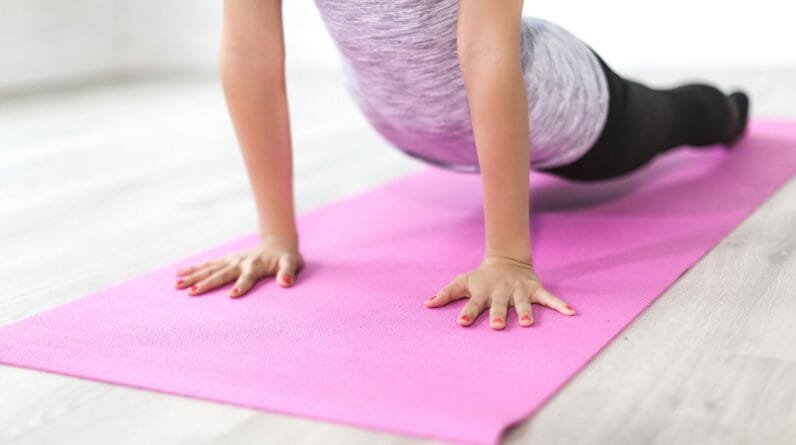
- Use a yoga mat, towel, or small open space at home
- Focus on smooth movement, not perfect form
- Stop before pain and stay in a comfortable range
- Track consistency, not intensity
It also helps to connect the routine to an existing habit. For example, you could do it after brushing your teeth in the morning, after lunch, after work, or before your evening shower. Habit stacking makes follow-through easier.
You can also explore low-impact exercises for beginners to reduce strain while improving strength.
A Gentle Daily Movement and Mobility Routine
Below is a simple full-body routine designed for beginners and everyday movement. Move slowly, breathe normally, and keep each exercise controlled. You do not need to rush. The goal is to help your body feel more open and mobile, not exhausted.
1. Neck nods and gentle turns – 30 to 45 seconds
Sit or stand tall. Gently nod your chin down and back up, then slowly turn your head side to side. Keep the movement small and comfortable. This can help relieve built-up tension from screens, sitting, and stress.
2. Shoulder rolls – 30 seconds forward, 30 seconds backward
Roll your shoulders slowly up, back, and down. Then reverse the direction. Shoulder rolls are simple but useful for upper-body tension and posture awareness.
3. Arm circles – 30 seconds each direction
Extend your arms comfortably and make small circles, then larger ones if it feels good. This encourages shoulder mobility and light circulation through the upper body.
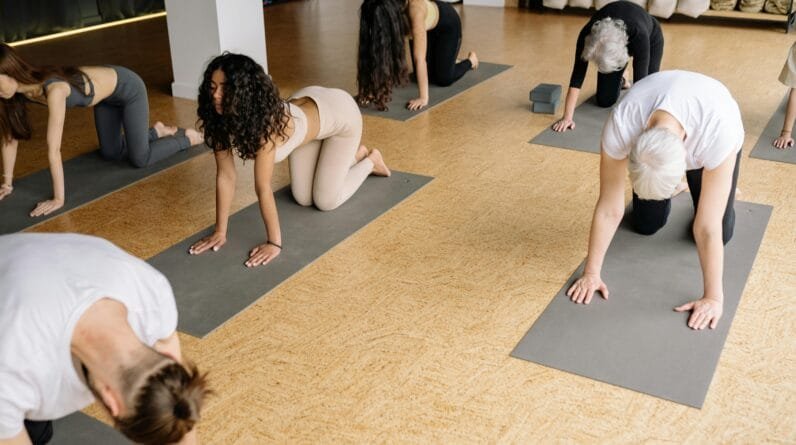
4. Cat-cow stretch – 6 to 8 slow rounds
On hands and knees, gently alternate between rounding your spine and lifting your chest. Move with your breath. This is a classic beginner mobility exercise for the spine and back.
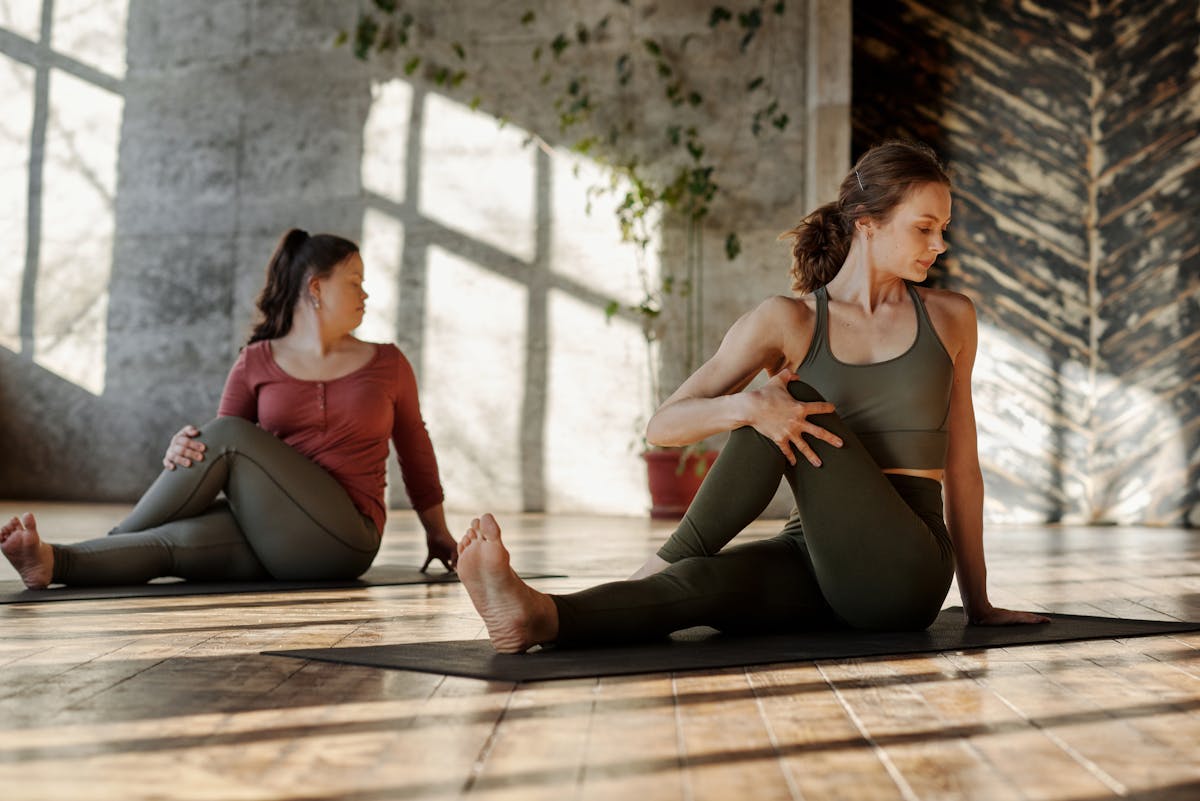
5. Thread-the-needle rotation – 4 to 6 reps each side
From hands and knees, slide one arm under the other and gently rotate through the upper back. This can help improve thoracic mobility and loosen upper-body tightness.
6. Hip circles – 8 reps each direction
Standing with soft knees, place your hands on your hips and make slow circles. This is a gentle way to wake up the hips after sitting or inactivity.
7. March in place – 45 to 60 seconds
March slowly and comfortably. Lift the knees only as high as feels natural. This adds warmth, rhythm, and light movement to the routine without impact.
8. Standing side bends – 6 reps each side
Reach one arm overhead and gently bend to the opposite side. Keep the movement easy and controlled. This helps create length through the side body and rib area.
9. Seated or standing hamstring reach – 20 to 30 seconds each side
Keep your back long and reach only to a comfortable point. The goal is not to force a stretch. A gentle hold is enough.
10. Ankle circles – 8 circles each direction per ankle
Lift one foot slightly and circle the ankle. This simple drill is often overlooked, but ankle mobility can support walking comfort and lower-body movement.
11. Heel raises – 10 to 15 reps
Stand tall and rise onto your toes, then lower slowly. This is a gentle way to wake up the calves and support lower-leg circulation and control.
12. Sit-to-stand – 8 to 10 reps
Using a chair if needed, sit down slowly and stand back up with control. This is a practical everyday movement pattern that supports strength, balance, and confidence.
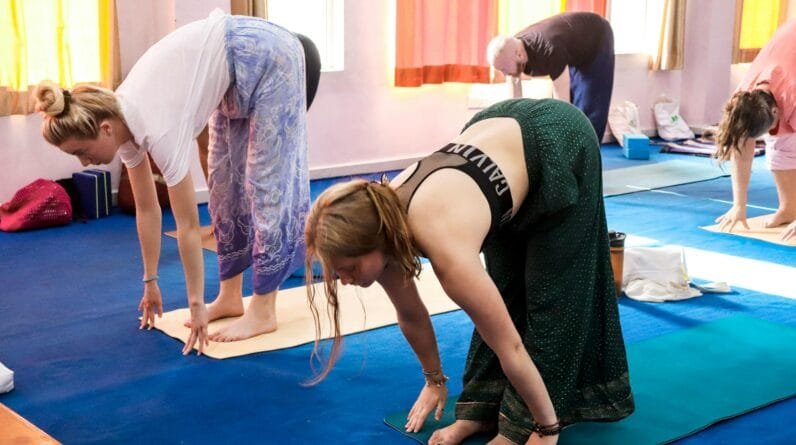
13. Child’s pose or standing fold – 20 to 30 seconds
End the routine with a calming position that helps you slow down and notice how your body feels.
This routine can be finished in about 10 to 15 minutes. That makes it realistic for daily use and flexible enough to repeat most days of the week.
Watch: A Related Daily Mobility Video
If you want a guided option, this embedded video is closely related to the topic and focuses on a 10-minute daily mobility routine for all levels.
How to Make This Routine Work in Real Life
The easiest way to keep going is to remove pressure. You do not need a perfect routine or a perfect day. A gentle movement habit should support your life, not become another thing that drains your energy. On busy days, do the shortest version. On better days, extend it. The important part is continuity.
You can also adjust the routine based on time of day:
- Morning: Use it to wake up the body and loosen overnight stiffness.
- Midday: Use it to break up long sitting sessions and reset posture.
- Evening: Use a slower version as a calming wind-down with breathing.
If you want to keep it even simpler, choose just five movements and repeat those daily for one week. Then add more variety later. Starting small usually produces better consistency than trying to do everything at once.
Common Mistakes to Avoid
Going too hard too soon
Mobility work should feel supportive, not punishing. If you push too aggressively into stretches or ranges of motion, you may end up sore, discouraged, or tense. Gentle progress works better.
Moving too fast
Controlled movement is what makes mobility training useful. If you rush, you lose body awareness and turn a gentle routine into random motion.
Skipping consistency
Doing one long session once in a while is usually less helpful than doing short sessions regularly. Daily or near-daily practice builds familiarity and comfort.
Ignoring breathing
Gentle breathing can make the routine feel calmer and easier. It helps you reduce tension and move with more control, especially during stretches and spinal movements.
Comparing yourself to advanced flexibility content
Mobility is personal. Your goal is not to match someone else’s range of motion. Your goal is to move better than you did before and to support comfort in daily life.

How Often Should You Do Mobility Work?
For most beginners, a gentle routine can be done most days of the week. Because the movements are low-impact and controlled, they are usually easier to recover from than harder workouts. Many people do well with 10 to 15 minutes daily or 4 to 6 sessions per week.
If daily movement feels overwhelming, begin with three days a week and build upward. The best schedule is the one you can maintain without frustration. Even a few minutes counts. Over time, regular practice often improves comfort, confidence, and ease of movement.
Sample 7-Day Gentle Movement Plan
If you want a simple structure, use this example:
- Day 1: Full routine for 10 to 15 minutes
- Day 2: Shorter 8-minute version focused on neck, shoulders, hips, and ankles
- Day 3: Full routine again
- Day 4: Light walk plus 5 minutes of stretching
- Day 5: Full routine with extra attention to upper back and hips
- Day 6: Gentle morning routine and posture reset
- Day 7: Calm recovery session with slower stretches and breathing
A weekly structure like this keeps the habit flexible while still creating enough repetition to build momentum.
Final Thoughts
A gentle exercise routine for daily movement and mobility is one of the most practical wellness habits you can build. It does not require intense effort, expensive gear, or a perfect fitness level. It simply asks you to move your body with care and consistency.
If you want to feel more comfortable walking, sitting, standing, reaching, and getting through the day with less stiffness, gentle mobility work is a smart starting point. Begin with a routine that feels manageable. Stay consistent. Let progress come from repetition. Over time, those small daily movements can add up to a body that feels more supported, more open, and easier to live in.
Note: This article is for general wellness education only and is not medical advice. If you have pain, injury concerns, balance issues, or a health condition that affects exercise, check with a qualified healthcare professional before starting a new routine.
Frequently Asked Questions
What is a gentle exercise routine for daily movement and mobility?
A gentle exercise routine for daily movement and mobility is a short, low-impact series of exercises that helps your body move more comfortably through everyday positions and motions. It usually includes stretching, joint mobility drills, posture-friendly movements, and simple bodyweight exercises. The goal is to improve comfort, flexibility, and movement quality without intense effort or heavy training.
How long should a daily mobility routine be?
A daily mobility routine can be effective in as little as 10 to 15 minutes. The most important factor is consistency, not duration. A short routine done regularly often works better than long sessions that are hard to maintain. If you are busy or just starting out, even 5 to 8 minutes of gentle movement can still be useful.
Can beginners do mobility exercises every day?
Yes, many beginners can do gentle mobility exercises most days of the week because the movements are low-impact and controlled. Daily practice may help reduce stiffness and improve body awareness. The key is to stay within a comfortable range of motion, move slowly, and avoid pushing into pain or aggressive stretching.
What are the best gentle exercises for stiff joints?
Some of the best gentle exercises for stiff joints include shoulder rolls, neck turns, cat-cow stretches, hip circles, ankle circles, seated hamstring reaches, and sit-to-stand movements. These exercises are simple, practical, and easy to adapt at home. They can help your body feel warmer, looser, and more prepared for everyday movement.
Is mobility the same as stretching?
Mobility and stretching are related, but they are not exactly the same. Stretching usually focuses on lengthening muscles, while mobility includes controlled movement through a joint’s range of motion. A good gentle routine often combines both. This gives you not only flexibility, but also movement control and better coordination during daily activities.
When is the best time to do a gentle mobility routine?
The best time is the time you will actually do it consistently. Many people like mobility work in the morning to reduce stiffness and wake up the body. Others prefer it during a work break or in the evening as a reset. A short routine at the same time each day is often the easiest habit to maintain.