Gentle Exercises for a Calm Morning Routine

0 Reviews

Write a Review

Gentle Exercises for a Calm Morning Routine

Gentle Exercises for a Calm Morning Routine. I wrote this to share practical, approachable ways I use to start my mornings calmly. I believe that a short, consistent practice of gentle exercises can steady my mind, loosen my body, and set a peaceful tone for the day.

Why a calm morning routine matters to me

I notice that how I begin my morning often shapes my mood and productivity for the rest of the day. When I move slowly and mindfully, I feel more centered and less reactive to stressors. That quiet, intentional beginning helps me make clearer choices and sustain energy.

Who this routine is for

I designed these exercises for people who want low-impact, accessible movements that suit most fitness levels. Whether I’m sensitive to stiff joints, short on time, or recovering from minor aches, these exercises offer a soft, steady start without pressure.

Principles of a Gentle Morning Practice

I follow a few simple principles when I plan my morning routine. They keep the practice safe, effective, and enjoyable.

Start with breath and awareness

I always begin with breathing and a few moments of body awareness. Breath connects mind and body and helps me transition from sleep to movement without jarring my system.

Prioritize mobility over intensity

I focus on range-of-motion and mobility rather than strenuous cardio or heavy resistance. Gentle movement lubricates joints and wakes muscles without provoking inflammation or fatigue.

Move progressively and mindfully

I move from smaller, slower actions to larger ones, paying attention to sensations. That progression lets me adjust intensity based on how I feel and avoid overdoing it on tight mornings.

Consistency beats complexity

It’s better for me to do a short, regular routine than a long, irregular one. Even five to ten minutes daily builds momentum and creates lasting habit.

How I Structure a Calm Morning Session

I use a simple structure that I can scale up or down depending on time and energy. This gives me flexibility while retaining core benefits.

Would a gentle, intentional set of morning movements make your whole day calmer and more focused?

Gentle Exercises for a Calm Morning Routine

This image is property of images.unsplash.com.

Phase 1: Awakening (1–3 minutes)

I start with stillness and breath to orient myself. It takes only a minute or two but helps me notice tension and set an intention for movement.

Phase 2: Gentle mobility (3–7 minutes)

I focus on neck, shoulders, spine, hips, and ankles to restore comfortable range of motion. These movements are slow and deliberate so I can feel what’s loosening.

Phase 3: Stretching and soft strengthening (5–10 minutes)

I add dynamic or static stretches plus light strength moves using body weight. This helps me wake both muscles and nervous system without strain.

Phase 4: Grounding and integration (1–3 minutes)

I end with grounding postures, balancing breath, or a short seated meditation to integrate the effects of movement. That final pause helps me carry calm into the day.

Breathing and Mindfulness Techniques

Breathing transforms my movements and my nervous system. I practice simple breath methods to enhance relaxation and focus.

Diaphragmatic breathing (belly breathing)

I breathe through my nose and let my belly expand on the inhale, then soften on the exhale. This gentle pattern encourages the parasympathetic nervous system, reducing heart rate and stress.

Steps:

  1. Sit or lie with a soft spine.

  2. Place one hand on my belly and one on my chest.

  3. Breathe so my belly rises more than my chest.

  4. Continue for 1–3 minutes, allowing slow, smooth breaths.

Box breathing for focus

I use box breathing when I want a calm but alert state. It’s steady, rhythmic, and easy to follow.

Steps:

  1. Inhale for 4 counts.

  2. Hold for 4 counts.

  3. Exhale for 4 counts.

  4. Hold for 4 counts.

  5. Repeat for 3–5 cycles.

4-6-8 calming breath

If I feel anxious first thing, I use 4-6-8 breathing to extend the exhale and signal relaxation.

Steps:

  1. Inhale for 4 counts.

  2. Hold for 6 counts.

  3. Exhale slowly for 8 counts.

  4. Repeat 3–6 times.

Gentle Mobility Exercises

Mobility work removes stiffness safely, so I can move freely through the day. I perform each move slowly and with attention to how my joints feel.

Neck circles and tilts

I use neck circles and tilts to release morning tension around my neck and shoulders. I move with control and avoid pain.

How to:

  1. Slowly lower my chin to my chest, then gently tilt my head toward one shoulder.

  2. Create a half-circle to the back and then to the other shoulder.

  3. Reverse direction after a few rounds.

  4. Perform 4–6 circles each way.

Shoulder rolls and scapular slides

I roll my shoulders and glide my shoulder blades to improve thoracic mobility and reduce upper-back tightness.

How to:

  1. Roll both shoulders forward slowly 5–8 times, then backward 5–8 times.

  2. Stand or sit tall and slide shoulder blades down and together gently, hold 2–3 seconds, release.

  3. Repeat scapular slides 6–10 times.

Cat–cow spinal mobilization

I perform cat–cow on hands and knees or seated to articulate each vertebra. This warms my spine and coordinates breath with movement.

How to:

  1. On inhale, tilt my pelvis and arch my back (cow), lifting my chest.

  2. On exhale, round my spine (cat) and tuck my chin.

  3. Move smoothly for 8–12 cycles.

Hip circles and leg swings

Hips often feel stiff in the morning. I do gentle circles and swings to restore hip mobility.

How to:

  1. Stand with support and swing one leg forward and back slowly for 10–12 swings.

  2. Face a wall and make slow hip circles with each leg for 6–8 repetitions.

  3. Keep core engaged and avoid forcing range.

Ankle pumps and circles

Ankle mobility is important for balance and walking. I practice ankle pumps and circles while seated.

How to:

  1. Point toes away and flex back toward shin, 10–15 times.

  2. Circle the ankle clockwise and counterclockwise, 8–10 times each direction.

Gentle Stretching and Soft Strength Moves

After mobility I add length and gentle strength. These moves help me feel stable, open, and ready for the day.

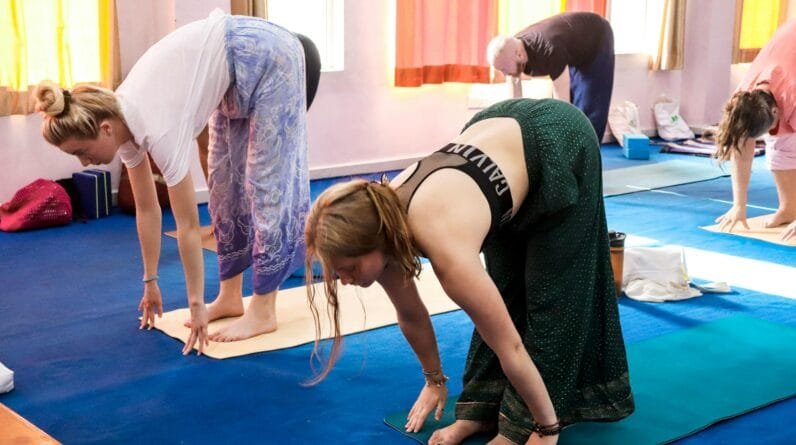
Forward fold with soft knees

I hinge from the hips to stretch hamstrings and lower back without strain. I keep knees soft to protect my lower back.

How to:

  1. Stand hip-width, hinge forward at the hips.

  2. Let my head drop and hold opposite elbows.

  3. Breathe for 30–60 seconds, then slowly roll up.

Thread-the-needle for chest and upper back

This move opens my chest and relieves upper-back tightness. I take care to move gently with my breath.

How to:

  1. From all fours, slide my right arm under my left arm, lowering my right shoulder and temple to the mat.

  2. Hold for 30–45 seconds, breathe, then switch sides.

Quadruped opposite arm/leg lift (bird-dog)

I use bird-dog to build spinal stability and soft strength in my core and glutes. It’s controlled and effective.

How to:

  1. From hands and knees, extend right arm and left leg, keeping hips level.

  2. Hold 2–3 breaths, lower slowly, switch sides.

  3. Do 8–12 reps per side.

Wall push-ups for upper-body tone

I do wall push-ups to wake chest, shoulders, and triceps with low impact. They are easy to scale by changing distance from the wall.

How to:

  1. Stand a step from the wall, hands shoulder-width.

  2. Bend elbows to lower chest toward the wall, then push back.

  3. Repeat 8–15 times.

Standing calf stretch and single-leg balance

I combine calf stretches with brief balance to improve gait and ankle stability. It’s a nice integration for everyday movement.

How to:

  1. Step one foot back, heel down, and lean forward to feel a stretch.

  2. Hold 20–30 seconds, switch sides.

  3. Finish with single-leg balance for 15–30 seconds per side.

Gentle Exercises for a Calm Morning Routine

This image is property of images.unsplash.com.

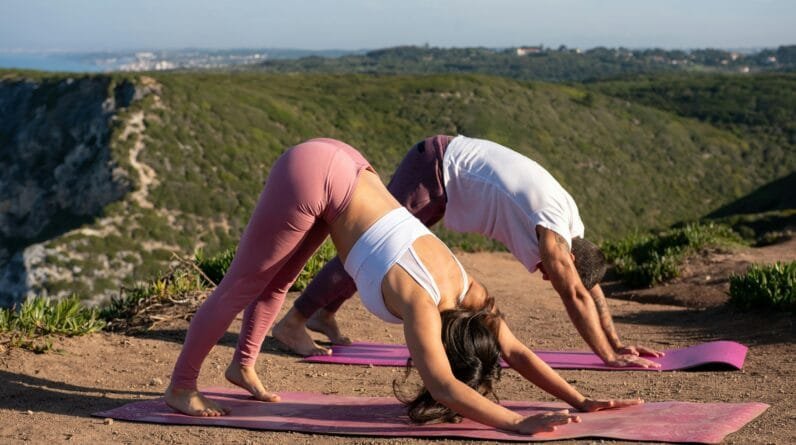
Simple Morning Yoga Sequence (10–15 minutes)

I enjoy a compact yoga flow that balances mobility, strength, and calm. I keep it gentle and mindful, paying attention to breath.

Sequence outline and cues

I move slowly through each pose, syncing breath to motion. The goal is not to perfect shapes but to feel safe, steady, and open.

Sequence:

  1. Child’s Pose — 30–60 seconds to center.

  2. Cat–Cow — 8–12 cycles for spinal warmth.

  3. Downward Dog (gentle) — 3–5 breaths, pedal feet.

  4. Low Lunge with shoulder opener — 3–5 breaths per side.

  5. Standing Forward Fold — 30 seconds.

  6. Mountain Pose with shoulder rolls — 3 breaths.

  7. Gentle Chair Pose (soft knees) — 3–5 breaths.

  8. Tree Pose or single-leg balance — 15–30 seconds per side.

  9. Savasana (short) or seated breath — 1–2 minutes.

I often modify downward dog into hands-on-hips or a supported plank if wrists feel tender. I keep movements small on tight mornings.

Qigong and Tai Chi-inspired Morning Moves

I sometimes include simple tai chi or qigong patterns to nurture balance, breath, and calm energy. These arts emphasize slow, continuous motion and mind-body connection.

Eight brocades (basic qigong moves)

I practice a few gentle brocades adapted to my mornings. They are slow, rhythmic, and meditative.

Typical moves:

  1. Lifting the hands to regulate breath.

  2. Drawing the bow to arouse qi and open chest.

  3. Separating heaven and earth for spine stretch.

  4. Others adapted for simplicity and comfort.

I perform each movement slowly, coordinating with inhale and exhale for 6–8 cycles.

Tai chi gentle stepping and weight shifts

I use simple weight-shifting tai chi steps to improve balance and proprioception. Slow transitions help my nervous system settle.

How to:

  1. Stand with feet hip-width.

  2. Shift weight slowly from one foot to the other, bending the knees lightly.

  3. Add soft arm circles in opposition to the feet for coordination.

  4. Continue for 2–5 minutes.

Low-impact Cardio Options (if I want a slightly more energizing start)

When I need a bit more energy I choose low-impact, joint-friendly cardio. These options raise heart rate gently without hard jolts.

Brisk indoor walking or marching

I march in place or take a brief brisk walk around the neighborhood. It’s easy to control intensity and adds movement to my day.

How I do it:

  1. Warm up for 1–2 minutes.

  2. Increase pace for 6–12 minutes.

  3. Finish with 1–2 minutes of slow walking and gentle stretches.

Gentle cycling on a stationary bike

I use a low-resistance spin for 10–15 minutes if I want cardio without joint impact. It helps wake legs while keeping knees happy.

Low-impact step routines

I sometimes use a small step or curb for step-ups and side steps. These are effective for heart rate and leg strength without high-impact jumping.

Gentle Exercises for a Calm Morning Routine

This image is property of images.unsplash.com.

Sample Morning Routines: 5, 10, 20, and 30 Minutes

I created a few sample routines based on how much time I have. Each sequence follows the structure of breath, mobility, stretching, gentle strength, and grounding.

Routine length

Focus

Example structure and durations

5 minutes

Quick calm

1 min breath + 2 min mobility (neck, shoulders, cat–cow) + 1 min gentle stretches (forward fold, calf stretch) + 1 min grounding breathing

10 minutes

Balanced start

2 min breath + 4 min mobility (neck, shoulders, hips, ankles) + 3 min soft strength (wall push-ups, bird-dog) + 1 min short meditation

20 minutes

Comprehensive

3 min breath + 7 min mobility & dynamic stretches + 7 min yoga flow (low lunge, chair, balance) + 3 min savasana or seated breath

30 minutes

Longer mindful practice

4 min breath + 10 min mobility & qigong + 10 min yoga sequence with longer holds + 6 min guided meditation and body scan

I pick a routine that matches my schedule and energy. On busier days I’ll do the 5-minute version; when I have more time I enjoy 20–30 minutes.

Modifications for Stiffness, Pain, or Limited Mobility

I’m mindful of my body’s limits, especially in the morning. I use modifications and props to keep things gentle and safe.

Morning stiffness (common wake-up tightness)

If I’m very stiff, I make movements smaller and longer. I practice more breathing and spinal mobility before adding intense stretches.

Modifications:

  • Do cat–cow seated if getting on the floor is difficult.

  • Use a chair for seated hip circles and leg swings.

  • Keep knees soft in forward folds.

Low back pain

When my lower back is sensitive I avoid deep forward folds and prolonged standing on one leg. I emphasize core stability and posterior chain lengthening.

Modifications:

  • Perform cat–cow and pelvic tilts to mobilize the lumbar spine.

  • Do supported bridges for glute activation (feet on floor, lift hips gently).

  • Use supine hamstring stretches with a strap instead of standing forward folds.

Knee pain

I limit deep knee bends and choose non-weight-bearing options where possible. Strengthening the quadriceps gently often helps knee stability.

Modifications:

  • Swap squats for wall sits with a shallow angle.

  • Do seated leg raises and straight-leg lifts for quad strengthening.

  • Avoid lunges if they provoke sharp pain; opt for partial range or stationary marching.

Shoulder or wrist issues

I reduce weight-bearing on hands and wrists and favor standing or seated variations. Gentle mobility that doesn’t load the joint is helpful.

Modifications:

  • Replace downward dog with hands-on-hips forward fold.

  • Do wall push-ups instead of floor push-ups.

  • Use a rolled towel under wrists for better support if doing hands-on-floor work.

Issue

Safe alternatives

Back pain

Cat–cow, pelvic tilts, supported bridge, supine hamstring with strap

Knee pain

Wall sits, seated leg raises, partial squats, step-ups with support

Wrist pain

Wall push-ups, fists on mat, forearm planks, chair-based exercises

Shoulder pain

Scapular slides, doorway chest stretch, gentle pendulum swings

Equipment and Props I Use (minimal and optional)

I prefer minimal equipment so my routine is accessible anywhere. I do use a few props sometimes to increase comfort or support.

Helpful items

  • Yoga mat — for cushioning and traction.

  • Chair — versatile for balance, seated stretches, and support.

  • Small towel or strap — useful for hamstring stretches and shoulder support.

  • Foam roller or a soft massage ball — for gentle myofascial release if needed.

What I avoid

I don’t require fancy gear or machines; the most important elements are breath, attention, and consistent movement. Simple props add comfort but aren’t essential.

How I Make the Routine Stick

Consistency is my biggest challenge and reward. These tactics help me make the routine a daily habit.

Anchor to an existing habit

I put movement right after something I already do, like brushing my teeth or making coffee. That cue makes it easier to remember.

Keep a reasonable target

I set small, clear goals — five to ten minutes most mornings — so I’m more likely to follow through. On good days, I extend my practice.

Prepare the night before

If I lay out my mat or a chair the night before, I remove a barrier to getting started. Little steps like that reduce resistance.

Track progress and feelings

I briefly note how I feel after each session. Seeing improvements in mobility or mood motivates me more than chasing perfection.

Safety Tips and When to See a Professional

I always prioritize safety and listen to my body. If something feels wrong, I stop and adjust.

General safety cues I follow

  • Avoid sharp pain — mild discomfort can occur with stretching, but sharp or radiating pain is a warning sign.

  • Move within a pain-free range and increase intensity gradually.

  • Warm up lightly if it’s very cold; joints move more easily with a little prep.

  • Breathe naturally and avoid holding my breath during exertion.

When to consult a healthcare professional

I contact a physician, physical therapist, or qualified instructor if I experience:

  • Sudden severe pain,

  • Numbness or tingling that doesn’t resolve,

  • Signs of injury after a fall,

  • Chronic issues that worsen with movement.

A tailored plan from a clinician can guide safe progression and address underlying conditions.

Tracking Progress and Adjusting Over Time

I find it motivating to record small wins and notice trends. Tracking also helps me adapt the routine meaningfully.

What I track

I note duration, exercises completed, pain or discomfort, mood, and energy levels. A simple journal or app works well.

How I progress

Every few weeks I add a few more repetitions, slightly longer holds, or an extra balance challenge. I don’t chase big jumps; steady progression feels sustainable.

Quick Troubleshooting: Common Morning Problems and Solutions

I’ve noticed patterns in what interrupts my morning movement, and I’ve developed simple fixes.

Problem: I wake up too groggy to move

Solution: I start with seated diaphragmatic breathing and gentle ankle pumps for one minute. That quick cue helps my alertness increasing gradually.

Problem: My body feels very stiff

Solution: I do extra spinal articulation (cat–cow and pelvic tilts) and spend more time warming with small, rhythmic movements before deeper stretches.

Problem: I have low motivation

Solution: I remind myself that five minutes is enough to reset my day. I pick my favorite gentle exercises and focus on how I’ll feel after moving.

Problem: Limited space or time

Solution: I choose chair-based or in-place movements and prioritize breath, neck, shoulders, and spine. Short sessions still provide measurable benefits.

Sample Weekly Plan I Use for Variety

I alternate focus areas so my practice stays interesting and balanced without being demanding. This is a simple guide I follow most weeks.

Day

Focus

Notes

Monday

Mobility & breath

Emphasize spine and hips, 10–15 minutes

Tuesday

Gentle strength

Wall push-ups, bird-dogs, 10 minutes

Wednesday

Qigong / Tai Chi

10–15 minutes of slow flows

Thursday

Yoga flow

15–20 minutes, balance and length

Friday

Low-impact cardio

10–20 minute brisk walk or cycling

Saturday

Mix & longer session

20–30 minutes integrating favorite elements

Sunday

Restorative

Short breaths, mobility, 5–10 minutes light practice

I keep this flexible, shifting sessions depending on how I feel.

Frequently Asked Questions I Get Asked

People often ask practical questions about morning routines. I answer based on personal experience and common guidelines.

How soon after waking should I exercise?

I prefer to wait a minute or two to orient myself, do some breathing, and then begin gentle movement. If I plan higher-intensity exercise, I give my body a more thorough warm-up.

Is it okay to exercise on an empty stomach?

For gentle morning movements, I’m usually fine on an empty stomach. If I plan more vigorous cardio, I might eat a small snack to avoid lightheadedness.

How do I balance rest days with consistency?

Gentle daily movement can be a form of active rest. I reduce intensity on “rest” days rather than stopping movement entirely, which keeps my habit intact.

Will gentle morning exercise help my mood?

Yes — gentle movement combined with intentional breath often raises my mood, reduces anxiety, and improves focus. The effect is cumulative when I’m consistent.

Final Thoughts and Encouragement

I’ve found that a calm morning routine doesn’t require hours or special equipment. With a few mindful, gentle exercises, I can shift my nervous system toward ease and carry that calm into my day. I invite you to try one of the short routines and notice how your body and mind respond.

If you’d like, I can create a personalized 7-day morning plan based on your time constraints, mobility limitations, and goals. I’m happy to help tailor this approach to what fits your life best.

You May Also Like