

How to Live a Stress-Free Life (Daily Habits That Work)
This guide explains how to live a stress free life in a realistic way. It focuses on daily habits that help reduce stress naturally and create a calmer, healthier lifestyle over time. If you want the broader foundation for whole-body wellness, read healthy lifestyle habits for mind and body. To understand the deeper connection between stress and wellbeing, visit how stress affects the body and mind.
What a Stress-Free Life Really Means
A stress-free life does not mean you never feel stressed. It means your life is no longer organized around constant tension, urgency, and overwhelm. There will still be responsibilities, deadlines, unexpected problems, and emotional challenges. The difference is that your routines help you recover instead of keeping you in survival mode all the time.
When people talk about wanting less stress, what they usually want is to feel more steady. They want to sleep without racing thoughts, handle problems without spiraling, think more clearly during the day, and have enough energy left for relationships, work, and rest. That is what a lower-stress life supports. It creates more space between what happens and how you respond.
This is why daily stress habits matter so much. They shape your baseline. If your baseline is already overloaded, even small problems feel heavier. If your baseline is calmer, you have more capacity to deal with everyday life without becoming consumed by it.
Why Daily Habits Matter More Than Occasional Stress Relief
Stress relief is often treated like an emergency tool. People wait until they feel completely overwhelmed and then try to calm down quickly. While short-term tools can help, lasting change usually comes from what you do every day. Daily habits either increase background stress or reduce it.
Poor sleep, rushed mornings, long stretches without food, nonstop notifications, cluttered environments, little movement, and no emotional recovery time can quietly keep your body in a more activated state. On the other hand, consistent sleep, regular meals, movement, breathing breaks, digital boundaries, and calmer routines all send the opposite message. They tell your body that it is safer to relax.
The goal is not to create a perfect wellness routine. It is to lower the number of things that keep your system under constant strain. This approach is more realistic, more sustainable, and more effective over time.
How Stress Builds in Everyday Life
Not all stress comes from major events. A surprising amount comes from accumulation. You may be dealing with too much screen input, unresolved tasks, poor sleep, caffeine overload, work pressure, emotional tension, constant multitasking, or an environment that never feels restful. Each factor may seem small on its own, but together they can create a steady state of tension.
That tension often shows up physically. You may notice tight shoulders, shallow breathing, headaches, irritability, stomach discomfort, mental fog, or trouble winding down at night. These are signs that the body and mind are carrying more pressure than they can comfortably process.
If this sounds familiar, building daily habits to reduce stress naturally can help lower that accumulation. You do not have to solve everything at once. You only need to begin removing some of the pressure points and adding a few stabilizing routines.
If you’re interested in how to live a stress free life, start incorporating these habits into your daily routine.
Habit 1: Start the Day More Calmly
The beginning of the day has a strong influence on how your nervous system responds to stress. If your morning begins with rushing, scrolling, bad news, or immediate work demands, your body often stays more activated throughout the day. A calmer start helps you feel more intentional and less reactive.
You do not need a complicated morning ritual. A few minutes of calmer structure can help. Drink water before checking your phone. Take a few slow breaths. Stretch for a minute or two. Decide on one important priority before opening email or social media. These small actions reduce early stress signals and create more mental clarity.
- Drink water before checking your phone
- Take 3 to 5 slow breaths after waking
- Move gently for a few minutes
- Delay passive scrolling for 15 to 30 minutes
- Choose one clear priority for the day
For more support, see daily mental wellness guide and daily mindfulness habits for mental clarity.
Habit 2: Improve Sleep to Reduce Stress Naturally
Sleep is one of the most powerful daily habits for reducing stress naturally because it affects almost everything else. When you are sleep deprived, your patience is lower, your emotions feel closer to the surface, your body recovers more slowly, and even ordinary problems can feel harder to manage.
A better sleep routine does not require perfection. It means giving your body steadier signals for rest. Go to bed and wake up at roughly the same time most days. Reduce bright screens before bed. Dim the lights in the evening. Create a simple wind-down ritual like reading, stretching, journaling, or drinking herbal tea.
- Keep a regular bedtime and wake time
- Reduce screen use 30 to 60 minutes before bed
- Keep your bedroom cool, dark, and quiet
- Use one calming evening habit consistently
- Write down racing thoughts before bed if needed
Read more in natural sleep habits for deeper rest, stress-free sleep habits for deeper rest, and evening routines for body and mind balance.

Habit 3: Eat and Hydrate More Consistently
Stress is harder to manage when your body is under-fueled, dehydrated, or dealing with energy crashes. Skipping meals, relying heavily on sugar or caffeine, and forgetting to drink water can all make irritability, anxiety, and mental fog worse. One of the simplest daily habits to reduce stress naturally is to support steadier energy through basic nourishment.
This does not mean following a strict diet. It means building more consistency. Aim for meals that include protein, fiber, and enough food to keep you stable through the day. Drink water regularly instead of waiting until you feel depleted. These habits support better mood, concentration, and emotional steadiness.
| Simple Nutrition Habit | Why It Helps |
|---|---|
| Eat breakfast or a first meal with protein | Supports steadier energy and mood |
| Drink water early in the day | Helps reduce fatigue and mental fog |
| Avoid long gaps without eating | Reduces irritability and energy crashes |
| Keep simple healthy snacks available | Makes supportive choices easier |
Habit 4: Move Your Body Every Day
Movement is one of the best natural stress reducers because it helps release physical tension, improve mood, support circulation, and create mental reset points throughout the day. You do not need intense workouts to get benefits. Walking, stretching, gentle exercise, and simple bodyweight routines all count.
Many people carry stress physically without noticing it. It shows up as jaw tension, tight hips, shallow breathing, restless energy, and stiff shoulders. Daily movement helps interrupt that pattern. It gives your body a way to process stress instead of storing it.
- Take a 10 to 20 minute walk
- Stretch in the morning or evening
- Use short movement breaks during work
- Try a beginner home workout
- Stand up and reset after long periods of sitting
Related reading: simple daily exercise for beginners.
Habit 5: Use Breathing and Body-Based Resets
When stress rises, breathing often becomes faster and shallower. That sends your body a message that something is wrong, even if the problem is not urgent. Slowing the breath is one of the fastest ways to communicate safety to your nervous system.
You do not need long breathing sessions to benefit. One to three minutes of slower breathing can help reduce intensity during stressful moments. Pair that with small physical resets like shoulder rolls, neck stretches, stepping outside, or unclenching your jaw.
Simple stress-relief reset
- Pause what you are doing for one minute
- Inhale slowly through your nose
- Exhale slightly longer than you inhale
- Relax your shoulders and jaw
- Choose your next step instead of reacting automatically
Go deeper with home remedies using deep breathing and mind relaxation techniques for anxiety.
Habit 6: Reduce Digital Overload
One of the biggest hidden sources of modern stress is digital overload. Constant notifications, frequent email checking, endless scrolling, and nonstop news exposure all fragment attention and increase nervous system activation. If your mind rarely gets a break, your body often feels that too.
Reducing digital stress does not mean avoiding technology completely. It means using it with more intention. Turn off nonessential alerts. Stop checking messages every few minutes. Move distracting apps off your home screen. Create small screen-free blocks during the day. These changes can reduce anxiety and improve focus quickly.
- Disable nonessential notifications
- Check email at planned times
- Delay social media in the morning
- Take short screen breaks during the day
- Create a digital cutoff before bed
Habit 7: Protect Your Evenings
Evenings are often where stress either settles or keeps building. If you move from work stress into nonstop stimulation, late-night scrolling, or unresolved mental noise, your body may stay activated when it needs to recover. Protecting the evening is one of the most practical ways to reduce stress naturally.
A calmer evening routine can include dimmer lights, less screen time, a simple meal, light stretching, journaling, prayer, reading, or a short reflection practice. The goal is to reduce overstimulation and help your mind transition out of performance mode.
Helpful related pages include evening routines for body and mind balance and stress-free sleep habits for deeper rest.
Habit 8: Create a Lower-Stress Home Environment
Your environment affects your stress level more than many people realize. Noise, clutter, unfinished tasks, poor lighting, and constant interruption can all increase the sense of pressure in daily life. A calmer home does not need to be perfect. It simply needs to support recovery instead of adding more tension.
Small changes matter. Clear one visible surface. Reduce visual clutter in the bedroom. Keep a water bottle where you can see it. Prepare a simple relaxing corner for reading or quiet time. Keep helpful items easy to access and stressful clutter out of sight when possible.
For more support, visit how to make your home life stress-free.
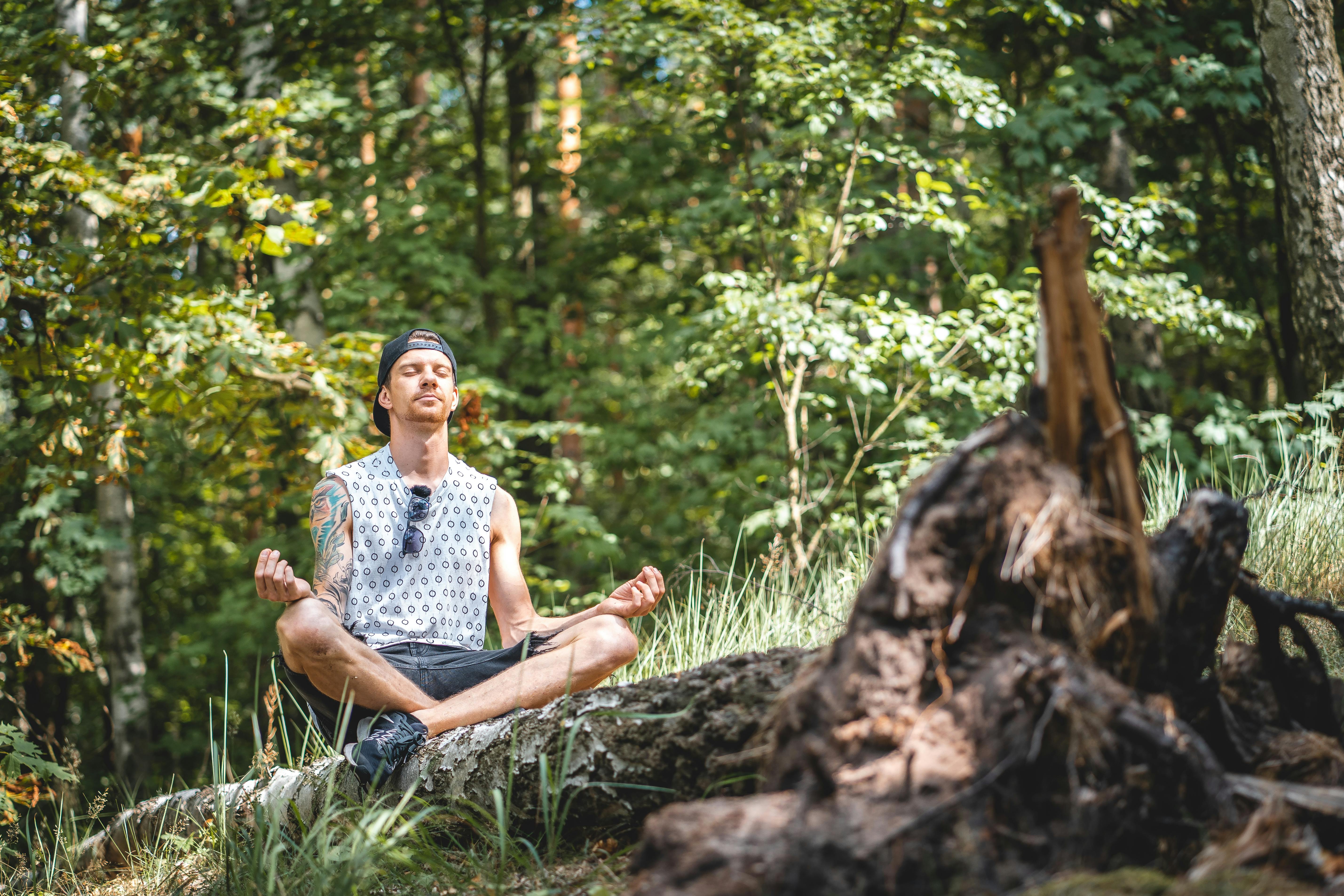
Habit 9: Set Better Work Boundaries
Work stress becomes much harder to manage when there are no boundaries around attention, response time, and recovery. Many people stay in constant partial attention all day, switching between tasks, messages, and requests without ever feeling mentally settled. This creates pressure even before major work problems appear.
Supportive work habits include checking email in blocks, using focused work sessions, defining realistic stopping points, and reducing the expectation that every message needs an immediate reply. A less reactive workday often leads to better productivity and less emotional exhaustion.
- Batch similar tasks together
- Use 25 to 50 minute focus blocks
- Set realistic email check windows
- Take short movement or breathing breaks
- Close work loops before ending the day
If work is a major source of strain, read how to create a stress-free work environment.
Habit 10: Build Mental Recovery Into the Day
Many people spend the entire day receiving input but rarely pause to process it. That leads to emotional accumulation. One practical way to live a lower-stress life is to create short moments of mental recovery before overwhelm builds too high.
This can be as simple as asking yourself how you feel halfway through the day, writing down a repetitive thought, sitting quietly for one minute, or stepping outside without your phone. These small pauses reduce mental clutter and help you catch stress earlier.
Support this habit with daily mental wellness guide and daily mindfulness habits for mental clarity.
Habit 11: Strengthen Supportive Relationships
Stress feels heavier when you carry everything alone. Supportive relationships do not remove problems, but they can reduce isolation, provide perspective, and make recovery easier after hard days. A lower-stress life includes some form of regular connection.
This does not require a huge social circle. It may mean one meaningful conversation each week, sending a supportive message, asking for help sooner, or being more honest about what you are carrying. Healthy connection is one of the most overlooked natural stress reducers.
Habit 12: Keep Stress Reduction Simple and Repeatable
One of the biggest mistakes people make is turning stress relief into another perfection project. They try to do everything at once, miss a few days, and then feel like they failed. A more useful approach is to make your stress habits small enough to repeat consistently.
Choose one sleep habit, one calming habit, and one physical habit. Keep them realistic. Track them lightly for a week or two. Let them become familiar before adding more. The most effective stress routine is usually the one that feels possible on imperfect days.
A Simple Weekly Plan to Reduce Stress Naturally
| Week | Focus | Simple Actions |
|---|---|---|
| 1 | Sleep and mornings | Set a regular bedtime, reduce morning scrolling, drink water first |
| 2 | Breathing and pauses | Add one daily breathing break and a 1-minute reset during stress |
| 3 | Movement | Walk 4 times this week and stretch briefly each evening |
| 4 | Boundaries and environment | Turn off unnecessary alerts and reduce one source of home clutter |
How to Measure Progress Without Pressure
Progress in stress reduction is often subtle at first. You may sleep more steadily, feel less reactive, think more clearly, or notice that small problems no longer feel quite as overwhelming. These quieter signs matter because they show that your baseline is improving.
- Sleep quality and consistency
- Daily stress level from 1 to 10
- Energy across the day
- How often you feel mentally overloaded
- How quickly you recover after stressful moments
Track lightly. The purpose is awareness, not control. Your stress habits should help life feel more livable, not more rigid.
When Stress Reduction Is Not Enough on Its Own
Daily habits to reduce stress naturally can be very effective, but they are not a replacement for professional support when symptoms become severe or persistent. If you are dealing with panic, ongoing insomnia, deep hopelessness, constant anxiety, major burnout, or symptoms that interfere with work, relationships, or safety, it is important to reach out for qualified care.
Healthy habits can work alongside therapy, counseling, or medical support. Asking for help is not failure. It is often part of living more wisely and sustainably.
Final Thoughts: How to Build a Lower-Stress Life That Lasts
Daily habits to reduce stress naturally work because they change the conditions that keep your body and mind overloaded. Better sleep, calmer mornings, steadier food and hydration, daily movement, slower breathing, digital boundaries, healthier evenings, and supportive relationships all reduce the background pressure that makes life feel harder than it needs to.
You do not need to become perfectly calm. You only need to become more supported. Start with one or two habits that feel realistic right now. Repeat them consistently. Let the changes build. Over time, that is often how a more grounded, healthier, and genuinely lower-stress life begins.
Frequently Asked Questions
What are the best daily habits to reduce stress naturally?
The best daily habits to reduce stress naturally are the ones you can repeat consistently. Sleep routines, regular movement, breathing pauses, balanced meals, hydration, and digital boundaries all help lower background stress. Small habits work well because they support your nervous system every day instead of only helping during moments of overwhelm.
How can I live a stress-free life without changing everything at once?
You do not need a total lifestyle reset to live with less stress. Start with one sleep habit and one calming habit, such as reducing screen time at night and taking a short breathing break each day. Small changes usually work better because they are easier to maintain during busy or emotionally difficult weeks.
Can daily habits really reduce stress and anxiety?
Yes, daily habits can reduce both stress and anxiety by improving recovery, emotional steadiness, and physical regulation. Better sleep, slower breathing, regular food, movement, and a calmer routine reduce strain on your body and mind. They do not eliminate every problem, but they often improve how you respond to those problems.
How long does it take to notice results from natural stress habits?
Some benefits can appear within a few days, especially with hydration, movement, and reduced screen stimulation before bed. Other changes, such as better emotional regulation, improved focus, and a calmer baseline, usually build over several weeks. The key is consistency, not intensity or trying to fix everything overnight.
What should I do first if I feel overwhelmed all the time?
If you feel overwhelmed all the time, begin with the most stabilizing basics: sleep, hydration, simple meals, and short calming pauses. Do not try to overhaul your entire life immediately. Choose the two habits that would make daily life feel easier right now, then build from there once they feel more familiar.
Does reducing stress improve physical health too?
Yes, reducing chronic stress can support physical health as well as mental wellbeing. Lower stress often improves sleep, digestion, blood pressure, muscle tension, energy, and recovery. Because body and mind are closely connected, a calmer lifestyle usually creates benefits that show up in both emotional steadiness and physical resilience.