
How to Make Your Home Life Stress-Free and More Peaceful

Why a Peaceful Home Matters
Your home is not only where you sleep. It is where you recover, plan, think, connect, and reset. When your environment supports you, decisions feel easier and your energy feels less scattered. When your home is cluttered, noisy, or unpredictable, stress often builds in the background even when you cannot fully explain why.
A peaceful home can support better sleep, calmer mornings, steadier moods, and less conflict. It can also make healthy routines easier to keep.
The Link Between Space and Mood
Objects, light, sound, routines, and household dynamics shape how you feel before you consciously notice it. Stress often rises when surfaces are crowded, lighting is harsh, storage is unclear, or communication feels tense. When you improve your environment, you often improve your emotional baseline too.
Start with a Gentle Home Audit
Before buying storage bins or reorganizing every room, take stock of what is actually creating stress. A quick and compassionate home audit helps you focus on the highest-impact changes first.
You are not judging yourself. You are identifying where friction shows up most often.
What to Notice During the Audit
- Where do mornings feel rushed?
- What areas collect clutter fastest?
- Where do people in the home get frustrated most often?
- What rooms feel calming, and which feel draining?
- What daily tasks feel harder than they should?
Write down three small fixes you could make this week and two bigger changes that would matter over the next few months.
Home Audit Template
| Area of Life | What Feels Off | Easy Fix (Within a Week) | Longer Fix (3 Months) |
|---|---|---|---|
| Mornings | Rushing, missing keys | Bowl for keys, pre-set coffee | Rearrange entryway, add evening prep routine |
| Kitchen | Counter clutter | Create a landing zone for mail | Declutter and reorganize cabinets |
| Bedroom | Poor sleep | Blackout curtains or eye mask | Improve mattress, lighting, and bedtime rhythm |
| Family time | Interruptions during dinner | Tech-free mealtimes | Weekly family check-in ritual |
Declutter Strategically, Not Perfectly
Decluttering is not about creating a showroom. It is about removing friction that steals time, attention, and calm. When your home contains fewer unnecessary decisions, daily life often feels lighter.
Practical Decluttering Rules
Use simple criteria. If you have not used something in a long time, if it adds stress without value, or if it does not have a clear place, it may be time to let it go. Work with three categories: keep, donate, and discard.
Start with high-impact zones first:
- entryway
- kitchen counters
- bedside table
- bathroom surfaces
- the area where you get ready each day
How to Handle Sentimental Clutter
You can respect emotional attachments without letting them take over your space. Photograph meaningful items, keep one clearly defined memory box, or display one item instead of storing many. A slow and respectful approach is usually more sustainable than a dramatic purge.
Organize for Real Life, Not for Looks Alone
The best home organization systems are the ones you can maintain on ordinary days. That means your home should be organized around your actual habits, not an idealized version of your life.
Create Functional Zones
Zones reduce stress because they make the next action obvious. Create clear places for daily essentials, focused work, relaxation, and evening wind-down.
| Zone | Purpose | Key Items | Daily Action |
|---|---|---|---|
| Entry | Arrival and exit | Hooks, key bowl, small shelf | Hang coat, place keys in bowl |
| Kitchen Counter | Quick meals | Fruit bowl, utensils, clear prep area | Clear after dinner, wipe surface |
| Work Nook | Focus tasks | Laptop, notebook, pen, charger | Close laptop and put supplies away when done |
| Nightstand | Wind-down | Lamp, book, water | Turn lamp on before bed, keep screen clutter away |
For more support with calming routines, see evening routines for body and mind balance.
Create Home Routines That Actually Stick
Routines are one of the easiest ways to make home life feel less stressful. The goal is not rigidity. It is predictability. When household habits become more automatic, you spend less mental energy deciding what to do next.
Morning and Evening Routines
Mornings should reduce rushing, not add to it. Start with a few repeatable actions such as hydration, a brief tidy, and preparing the most important items for the day. Evenings should focus on decompression, light organization, and setting up tomorrow.
You can also connect this to your broader self-care structure through our 7-day body and mind self-care routine.
Weekly and Monthly Rituals
A weekly reset and a monthly household check-in can prevent many small problems from becoming bigger sources of stress. These rituals can include tidying, meal planning, bill review, and discussing what is or is not working at home.
Design Your Home for Calm
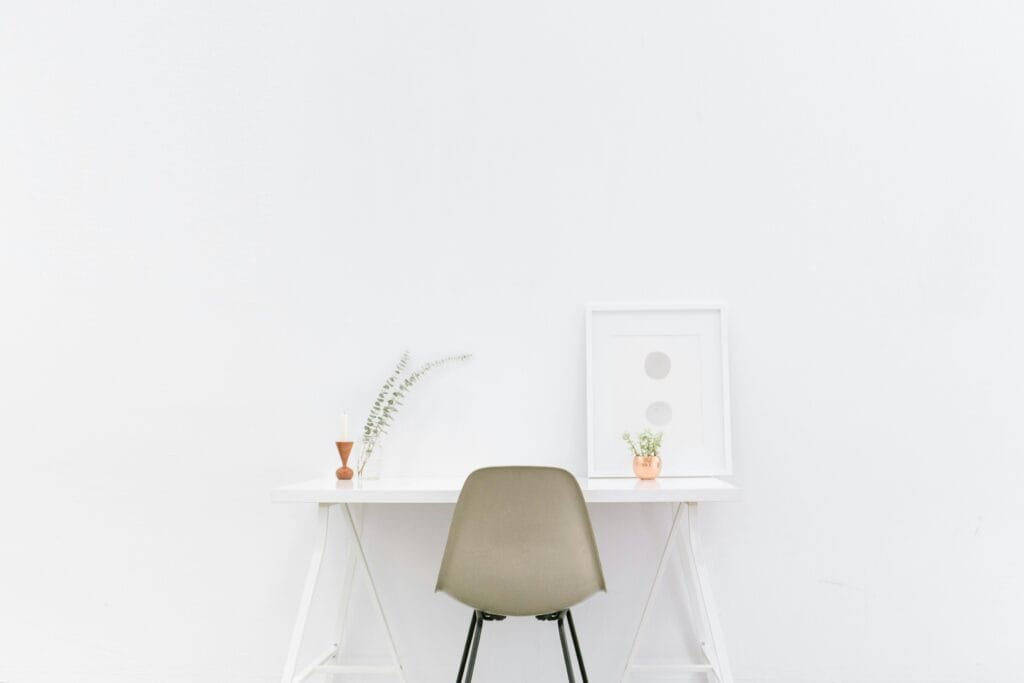
You do not need a magazine-perfect house to create peace. A calmer home usually comes from thoughtful choices about light, sound, layout, and comfort.
Lighting and Sound
Natural light supports mood and sleep rhythm. When possible, open curtains during the day and use warm, softer lighting at night. Rugs, curtains, cushions, and soft materials can also reduce echo and make rooms feel less harsh. If outside noise is a problem, a fan or white noise machine may help.
Furniture and Flow
Arrange furniture so you can move through rooms easily. Keep walkways clear, avoid blocking windows, and create one comfortable spot that feels restful rather than stimulating. Furniture that serves more than one purpose, such as storage benches or ottomans, can reduce clutter without adding visual stress.
Household Boundaries and Better Communication
A peaceful home depends on more than organization. It also depends on clear expectations. Many recurring household tensions come from unspoken assumptions about chores, noise, time, and shared space.
Set Simple Household Agreements
Create a few clear agreements about shared chores, quiet hours, tech use during meals, and work-from-home boundaries. Keep them simple and visible. A short weekly conversation can prevent resentment from building.
Visitors and Hosting
Not every visit needs to be long, elaborate, or exhausting. Decide what kind of hosting feels supportive and what feels draining. It is okay to set boundaries around timing, frequency, and expectations.
Use Technology to Support Calm, Not Constant Stimulation
Technology can make home life easier, but it can also multiply interruptions. A stress-free home usually includes some limits around screens, notifications, and device placement.
Tech Boundaries That Work
- set tech-free meals
- use Do Not Disturb during focused time
- keep chargers out of the bedroom
- reduce nonessential notifications
- use one shared calendar instead of constant message threads
If screen overload is part of the problem, read our guide on online calm habits.
Smart Tools That Reduce Friction
Programmable thermostats, shared grocery lists, smart plugs for lighting, and simple reminder systems can help when they reduce effort instead of creating more decisions. Use only the tools that genuinely make home life easier.

Make Sleep Part of Your Home Design
A more peaceful home supports better sleep. When your bedroom feels overstimulating, cluttered, bright, or noisy, it becomes harder to recover well at night.
Optimize the Bedroom for Rest
Reduce clutter, soften lighting, lower noise, and keep the bed focused on sleep and rest rather than multitasking. Small changes such as comfortable bedding, a cool room, and fewer screens can make a meaningful difference.
Address Nighttime Disruptors
If children, pets, anxiety, or late-night thoughts interrupt your sleep, create a layered plan. That may mean a worry notebook by the bed, clearer evening routines, earlier screen cutoffs, or adjusting the room setup to reduce disruptions.
Financial Simplicity Reduces Home Stress Too
Money stress often shows up in home life through tension, avoidance, and uncertainty. A few simple financial systems can make the household feel more stable and predictable.
Simple Money Habits
- automate recurring bills
- use one monthly budget review
- track shared spending in one place
- set aside a small buffer for minor surprises
- agree on realistic spending boundaries
When to Ask for Help
If finances are a constant source of anxiety or conflict, outside support from a financial coach or counselor may help create a plan that feels more manageable.
Build Self-Care Into Household Culture
Self-care at home is not about luxury. It is about creating visible, repeatable habits that restore energy and reduce tension. A calmer household becomes more likely when the people in it are less depleted.
Practical Self-Care Habits at Home
- five minutes of breathing or quiet time
- a weekly walk without your phone
- a consistent bedtime routine
- a shared screen-free evening
- family walks or shared cooking
For broader support, explore our daily mental wellness guide and daily habits to reduce stress.
Weekly Reset Plan
| Day | Task (15 to 30 Minutes) | Purpose |
|---|---|---|
| Monday | Clear mail, empty inbox | Reduce backlog and stress |
| Tuesday | Clean kitchen surfaces, meal prep | Smooth dinners and mornings |
| Wednesday | Laundry and folding | Prevent clothing bottlenecks |
| Thursday | Quick declutter in one room | Maintain overall order |
| Friday | Pay bills, review budget | Prevent financial surprises |
| Saturday | Family project or errand block | Catch up on larger tasks |
| Sunday | Weekly planning and 15-minute tidy | Start the week with clarity |
Room-by-Room Quick Checklist
| Room | 2-Minute Task | 15-Minute Task | Monthly Task |
|---|---|---|---|
| Entry | Hang coat, drop keys | Shoe tidy, wipe surface | Reassess storage |
| Kitchen | Load dishwasher | Clear counters, check fridge | Deep-clean fridge or oven |
| Living Room | Fold throw, put remotes away | Dust surfaces, vacuum | Rotate décor and declutter |
| Bedroom | Make bed | Put away clothes, wipe nightstand | Refresh bedding and rotate mattress if needed |
| Bathroom | Clear sink, wipe mirror | Clean toilet and tub | Replace toiletries, deep-clean problem areas |
Troubleshooting Common Problems
If Routines Keep Failing
Simplify them further. Tie them to something you already do, make them easier to start, and remove extra steps. If someone resists a chore, talk honestly about the real issue, whether it is fairness, timing, or unclear expectations.
If You Feel Constantly Overwhelmed
Prioritize what must be done today, what can wait, and what can be delegated. Start with the smallest useful action to build momentum. If overwhelm continues for weeks and affects daily functioning, professional support may be important.
Children, Pets, and Shared Lives
A peaceful home is still possible with children, pets, or multiple adults in one space. It just requires more forgiving systems and realistic expectations.
Practical Tips for Families
Use child-sized routines such as low hooks, labeled bins, and visual checklists. Make cleanup simple and predictable. For pets, build clear routines for feeding, walking, and storing supplies.
Balance Different Needs
Not everyone in a household will have the same tolerance for noise, clutter, or solitude. Calm often comes from negotiated compromise, not from one person’s preferences controlling everyone else.
When to Call in Professional Help
Some home stress goes beyond quick fixes. Chronic anxiety, serious sleep issues, major financial conflict, hoarding patterns, or structural home problems may need professional support. Getting help is not failure. It is often the fastest path to lasting relief.
Frequently Asked Questions About Creating a Peaceful Home
How can I make my home life less stressful?
You can make home life less stressful by reducing clutter, creating simple routines, setting clearer household expectations, limiting digital interruptions, and organizing your space around daily habits instead of perfection.
What makes a home feel peaceful?
A peaceful home usually has less visual clutter, better routines, softer lighting, calmer communication, and spaces that support rest, focus, and connection.
Do routines really make home life easier?
Yes. Simple routines reduce decision fatigue and make everyday tasks more predictable. This often lowers stress for both individuals and families.
How do I keep my home organized without getting overwhelmed?
Start with one small area at a time, focus on the highest-friction spaces first, and use realistic systems you can maintain on busy days. Short reset sessions usually work better than occasional marathon organizing.
Can technology make home life more stressful?
Yes. Constant notifications, screen use during meals, and devices in bedrooms can increase tension and reduce rest. Clear tech boundaries often make home life feel calmer.
What if other people in my home are messy or resistant?
Focus on clear agreements, realistic expectations, and systems that are easy for everyone to use. Calm usually improves when responsibility is shared and communication is specific.
Final Thoughts
Making your home life stress-free and more peaceful is not about creating a flawless house. It is about removing small sources of friction, building better routines, and making your environment easier to live in. One cleared surface, one calmer agreement, one tech-free meal, and one simple reset ritual can start changing the way home feels.
A peaceful home is usually built quietly. Keep your changes small enough to sustain, and let those steady improvements shape the atmosphere over time.