0 Reviews
?Are we ready to build a clear, practical beginner gym routine that emphasizes mindset, safe technique, and measurable progress?
Introduction: Why mindset matters more than minutes
We believe that how we approach training matters as much as what we do in the gym. Focusing on quality over quantity helps us get stronger, reduce injury risk, and enjoy consistent improvements without chasing time-based metrics alone. By committing to focused, efficient sessions and prioritizing correct form and progressive overload, we set ourselves up for long-term success.
How to use this guide
This guide is designed to get us started with a mindset-first approach, a full-body 9-exercise workout we can use immediately, and a short 20-minute lower-body circuit for busy days. We also cover safe-start tips, equipment, clothing, recovery, fueling, and recommended apps and resources. Follow the plans as written, scale as needed, and keep notes so we can track progress.
Mindset: Quality over time
We prioritize focused, efficient sessions where technique and intent are central. Spending more time in the gym does not automatically produce better results; deliberate, challenging, and well-executed sets do.
We should approach each session with an objective—technical, strength, or conditioning—and choose weights that allow clean movement rather than ego-based loading. When we value quality, we move more confidently, get stronger faster, and recover better.
Safe-start fundamentals
We want to begin in ways that protect joints, build movement literacy, and allow progress without setbacks.
- Get medical clearance if we have significant health concerns, recent surgeries, or chronic conditions.
- Start with bodyweight versions of movements to learn patterns before adding load.
- Prioritize mobility and breathing. Tight hips, shoulders, or limited ankle mobility can change how a movement feels and where stress is applied.
- Use a mirror, phone video, or a trusted coach to check form initially. Small corrections early prevent long-term compensations.
Warm-up checklist
A practical warm-up prepares our nervous system, increases blood flow, and primes the muscles and joints we’ll use.
| Component | Purpose | Example (5–10 minutes) |
|---|---|---|
| General cardio | Raise core temp and heart rate | 3–5 minutes light rowing, cycling, brisk walking |
| Dynamic mobility | Move joints through range | Leg swings, hip circles, arm circles (6–10 reps each) |
| Movement rehearsal | Load movement patterns lightly | Bodyweight squats, lunges, hip bridges, deadbugs (8–12 reps) |
| Activation | Target glutes/core if needed | Banded lateral walks, glute bridges, plank variations (10–15 reps/hold) |
We should always include at least 5–10 minutes of warm-up and adjust depending on how our bodies feel.
Start-up tips: Keep it simple and consistent
Simplicity reduces decision fatigue and makes adherence easier. We recommend basic rules to start well.
- Keep workouts short and focused: 30–60 minutes maximum for most sessions.
- Start lighter than we think: aim for a weight that lets us complete full sets with good form, even if it feels easy at first.
- Follow an expert plan: a coach, a vetted program, or a structured app reduces random training choices.
- Include rest days and scheduled cool-downs to support recovery and adaptation.
Frequency & recovery: Finding the right rhythm
As beginners, we should prioritize technique and recovery. The following frequency balances learning and adaptation.
- Example beginner week: 2 strength days + 2 cardio/conditioning days + easy mobility/rest days. Strength sessions should have at least one rest or light activity day after them.
- Later progressions: once we are comfortable, split into upper/lower or push/pull twice per week if desired.
- Recovery priorities: aim for 7–9 hours of sleep per night, adequate protein, and daily mobility or light movement on rest days.
We should listen to our bodies; persistent soreness or performance decline often signals a need for more recovery rather than more work.
Progression principles
Progression is the plan that keeps us getting stronger and more capable.
- Start with loads that permit 3 sets of 8–12 clean reps for most exercises. If that range is easy and form is perfect, increase weight gradually (smallest practical jump).
- Track weights, sets, and reps so we can reliably progress. If we can exceed the prescribed upper rep range for two sessions in a row, we add weight the next session.
- Use micro-progressions: smaller weight jumps, add a small rep or reduce rest slightly, or slow tempo for increased time under tension.
- When learning a new exercise, prioritize technique progression before load progression (e.g., bodyweight -> light dumbbells -> heavier).
Full-body workout format (beginner-friendly)
We recommend a practical full-body routine we can do 1–2 times per week. Perform three circuits of the nine exercises, resting 2 minutes between rounds. This format keeps sessions efficient and hits all major muscle groups.
- Structure: 3 rounds of the 9-exercise circuit. Rest ~2 minutes between rounds.
- Load: Choose weights that allow completion of prescribed reps with good form. Aim for 3 rounds to be challenging but sustainable.
Full-body circuit overview (9 exercises)
We perform the following nine exercises in sequence; that sequence balances lower- and upper-body demands and mixes stability and compound strength.
| Exercise | Primary target | Reps |
|---|---|---|
| Dumbbell hip bridge | Glutes, posterior chain | 20 |
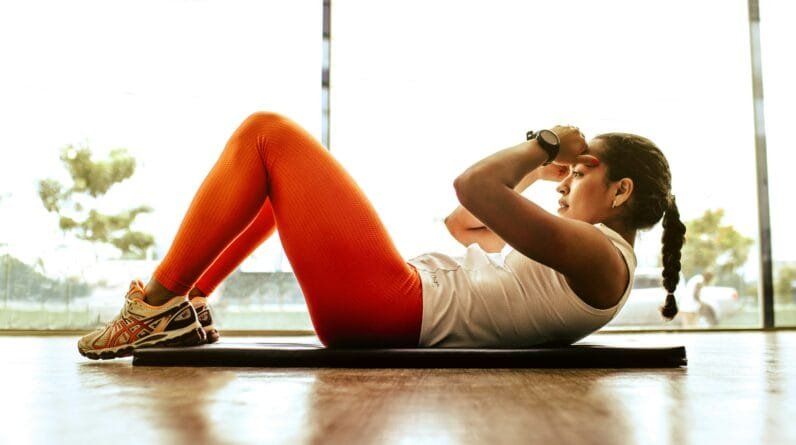
| Deadbug | Core | 10 per side |
| Dumbbell lunge | Glutes/quads/hamstrings | 10 per leg |
| Renegade row | Abs, shoulders, lats | 10 per side |
| Romanian deadlift (RDL) | Hamstrings, glutes, posterior chain | 10 |
| Floor press | Chest, shoulders, triceps | 10 |
| Goblet squat | Quads, glutes, hips | 20 |
| Russian twist with kettlebell | Core, obliques | 10 (total or per side—see notes) |
| Forearm plank | Core endurance | Hold ~30 seconds |
We recommend 2 minutes rest between rounds to allow near-full recovery, enabling each round to be performed with consistent quality.
How to pick weights and scale the circuit
We should choose weight so the last 1–2 reps of each set feel challenging but doable with controlled form.
- If an exercise feels too easy, increase weight modestly or control the tempo more slowly.
- If form breaks down, reduce weight or use a regression (e.g., bodyweight lunge instead of weighted).
- For core moves like deadbugs, begin without weight. Add light load only once movement control is perfect.
Exercise-by-exercise breakdown (form, cues, progressions)
We describe each exercise so we can perform them safely and confidently.
Dumbbell hip bridge — Glute emphasis (20 reps)
We use this to train hip extension and glute strength.
- Setup: Lie on your back with knees bent and feet flat, hip-width. Hold a dumbbell across the hips if using weight.
- Execution: Drive hips upward by squeezing glutes until the body forms a straight line from shoulders to knees. Avoid overextending the lower back. Lower slowly.
- Common mistakes: Overarching lower back, pushing through toes instead of whole foot.
- Progression: Add dumbbell or barbell load, single-leg bridges for more challenge.
Deadbug — Core/abs (10 reps per side)
We use deadbugs to train anti-extension control and coordinated limb movement.
- Setup: Lie on back, knees bent 90 degrees, arms up toward ceiling.
- Execution: Extend opposite arm and leg slowly toward the floor while keeping the low back pressed gently to the floor. Return with control. Alternate sides.
- Common mistakes: Letting the low back arch off the floor, rushing the movement.
- Progression: Add a light dumbbell or cable resistance for upper limbs, increase range slowly.
Dumbbell lunge — Glutes/quads/hamstrings (10 reps per leg)
We build single-leg strength and stability with lunges.
- Setup: Stand upright with dumbbells at sides or hands on hips. Step forward into a staggered stance.
- Execution: Lower until the front knee is about 90 degrees, back knee hovering near the ground. Drive through the front heel to return. Maintain upright torso.
- Common mistakes: Letting front knee track excessively inward, pushing off the toes.
- Progression: Walking lunges, reverse lunges, rear-foot elevated split squats.
Renegade row — Abs/shoulders/lats (10 reps per side)
We combine core stability and unilateral pulling with a plank row.
- Setup: Start in a high plank or push-up position holding two dumbbells. Feet slightly wider for stability.
- Execution: Row one dumbbell toward the hip while stabilizing with the core, then alternate. Minimize hip rotation.
- Common mistakes: Rotating hips sideways, relying on momentum.
- Regression: Perform supported single-arm rows on a bench or reduce to a kneeling row.
- Progression: Heavier rows, slower tempo, or do from toes as strength improves.
Romanian deadlift — Hamstrings/core (10 reps)
We target hip hinge mechanics and posterior chain strength.
- Setup: Stand with feet hip-width, hold dumbbells or barbell in front of thighs. Slight bend in knees.
- Execution: Hinge at hips, push them back while maintaining a neutral spine, lower weights to mid-shin then return by squeezing glutes. Keep core braced.
- Common mistakes: Rounding the lower back, excessive knee bend turning it into a squat.
- Progression: Add weight gradually, increase range slowly.
Floor press — Shoulders/triceps (10 reps)
We build pressing strength with reduced shoulder strain and a shorter range of motion.
- Setup: Lie on floor, dumbbells in hands, elbows on the floor at start position.
- Execution: Press dumbbells upward until arms are extended, then lower until elbows touch or hover above the floor. Control both ways.
- Common mistakes: Flaring elbows too wide, using body swing.
- Progression: Move to bench press or incline press as shoulder strength improves.
Goblet squat — Quads/glutes/hips (20 reps)
We use goblet squats to learn squat mechanics with front-loaded counterbalance.
- Setup: Hold a dumbbell or kettlebell at chest level. Stand shoulder-width or slightly wider.
- Execution: Sit back and down, keeping chest up and knees tracking over toes. Rise by driving through heels.
- Common mistakes: Letting chest drop forward, knees caving in.
- Progression: Increase weight, narrow stance, or progress to barbell back squat once comfortable.
Russian twist with kettlebell — Core/obliques (10 reps)
We train rotational core strength for stability and control.
- Setup: Sit with knees bent and feet on the ground, lean back slightly. Hold a kettlebell or dumbbell.
- Execution: Rotate torso and touch weight beside each hip; that count can be total repetitions—clarify for ourselves whether 10 means 10 total (5 each side) or 10 per side. Start with 10 total, then progress.
- Common mistakes: Relying on hip swing rather than rotation, letting the back round.
- Progression: Raise feet off the floor, increase weight.
Forearm plank — Core endurance (hold ~30 seconds)
We use planks to increase static core strength and stability.
- Setup: Forearms on the ground, elbows under shoulders, body forming a straight line.
- Execution: Brace the core, avoid sagging hips or hyperextending the neck. Hold for about 30 seconds or longer as strength permits.
- Common mistakes: Dropping hips, holding breath.
- Progression: Increase hold time by 10–15 seconds per session or add movement (plank taps) once stable.
Workout pacing and breathing
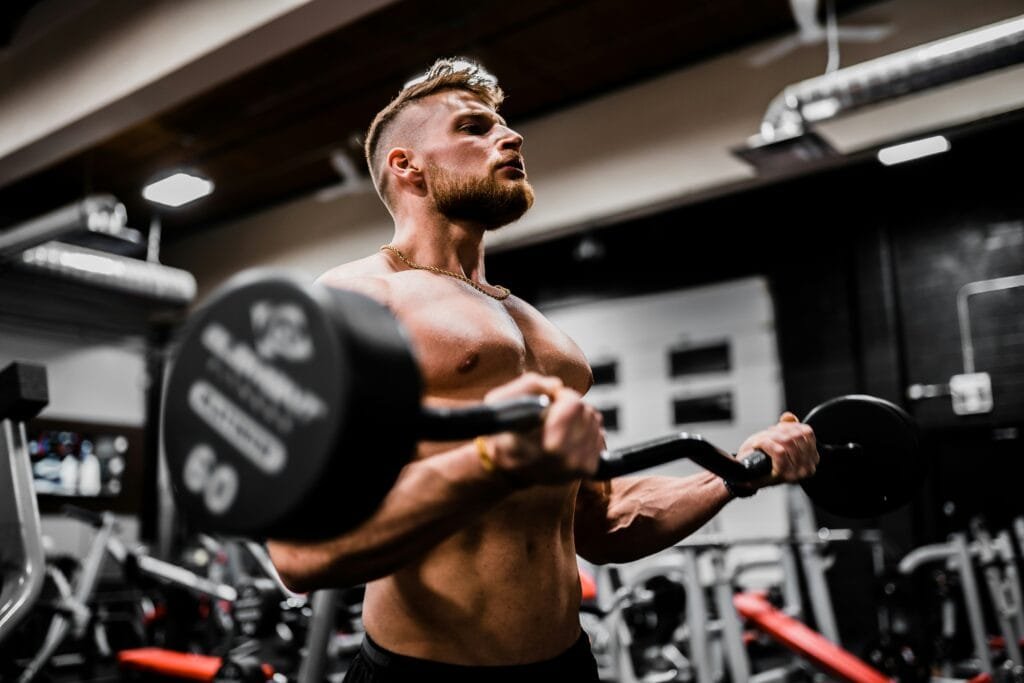
We should maintain a steady tempo: controlled eccentric (lowering) phase ~2 seconds, brief pause, then explosive/concentric (lifting) phase ~1 second where appropriate. Breathe consistently—exhale during exertion (e.g., upward press or drive) and inhale during return.
20-minute lower-body circuit (short and effective)
This compact circuit is ideal for busy days and focuses on lower-body strength, mobility, and endurance.
- Format: 3 rounds total. Each exercise performed for 40 seconds “on” with 20 seconds rest. Rest 60 seconds between rounds.
- Equipment suggested: Dumbbells (4–8 kg) and kettlebell (6–12 kg) recommended as starting ranges. Adjust based on fitness level.
Lower-body circuit exercises (3 rounds)
| Exercise | Focus | Notes |
|---|---|---|
| Bodyweight squat | Quad/glute activation, technique | Focus on depth, chest up. |
| Dumbbell Romanian deadlift | Hamstrings/glutes | Single- or double-leg variants possible. |
| Kettlebell lateral lunge | Lateral strength/mobility | Step wide, load through heel of working leg. |
| Dumbbell glute bridge | Glute activation | Add weight across hips for challenge. |
We perform each exercise for 40 seconds, rest 20 seconds, then move to the next. After completing all four, rest 60 seconds and repeat two more times.
Exercise details and cues for the circuit
- Bodyweight squat: Keep weight through midfoot to heel, sit back with controlled descent, press through heels to stand. For added difficulty, hold a light dumbbell in a goblet position.
- Dumbbell RDL: Use dumbbells in both hands, hinge at hips with slight knee bend and feel the stretch in hamstrings. Keep shoulders packed and spine neutral.
- Kettlebell lateral lunge: Step wide laterally while tracking knee over toes, push hips back slightly, keep weight on the working foot to return. This improves lateral mobility and single-leg strength.
- Dumbbell glute bridge: Lie supine, feet planted, dumbbell on hips if using load. Drive hips up, squeeze glutes at the top, lower slowly.
Prescribed weights reference (beginner guidelines)
| Fitness level | Dumbbells (per hand) | Kettlebell |
|---|---|---|
| Beginner, new to strength | 2–6 kg | 4–8 kg |
| Beginner, some activity history | 6–10 kg | 6–12 kg |
| Moderately trained beginner | 10–16 kg | 12–16 kg |
We should select the lower end if we suspect form issues and increase gradually as control improves.
Equipment notes
We recommend basic, versatile equipment that supports these workouts.
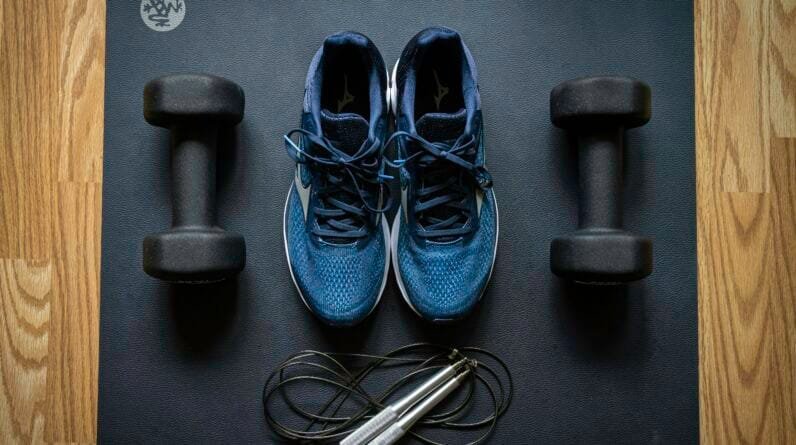
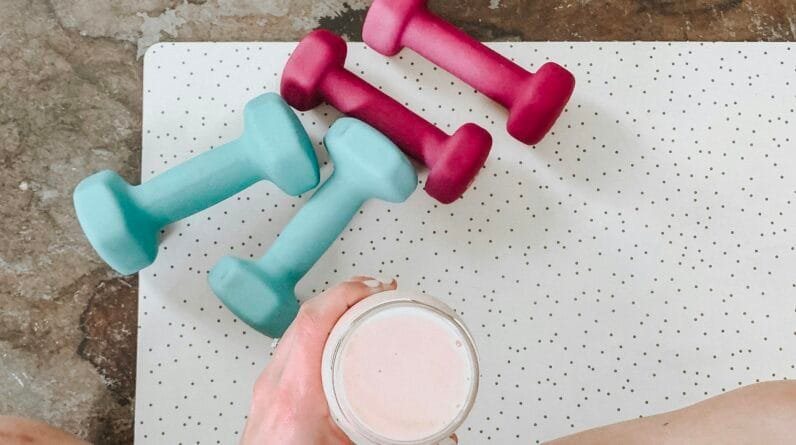
- Dumbbells: Pairs of adjustable or fixed dumbbells (light to moderate range) are ideal. They let us progress in small increments.
- Kettlebell: Useful for core and unilateral work; choose a weight we can control for 8–12 reps.
- Bench or box: Helpful for floor press alternatives, step-ups, Bulgarian split squats, and for sitting/standing as needed.
- Mat: For floor-based core work and hip bridges.
- Optional: Resistance bands for activation, foam roller for myofascial release.
We should prioritize equipment that allows gradual loading and safe progression.
Clothing & kit: What to wear and why it matters
Comfort and function matter as much as style. The right clothing improves movement and confidence.
- Leggings or shorts: Choose activity-appropriate, squat-proof, and fitted options that allow full range without getting in the way.
- Tops: Breathable, non-restrictive shirts that don’t interfere with pressing or overhead movement.
- Shoes: Use shoes appropriate for lifting vs. running. Flat-soled or low-heel shoes (or training shoes with stable platforms) are preferable for strength work. Running-specific shoes are fine for cardio but can be less stable for heavy lifts.
- Accessories: Weight belt only when lifting heavy near max loads; wrist wraps if wrists limit pressing; knee sleeves for warmth/support if we have previous knee issues.
We should prioritize stability and comfort so movement quality is not compromised.
Recovery strategies: Sleep, nutrition, mobility
Recovery is where strength is built. We should plan for it deliberately.
- Sleep: Aim for 7–9 hours nightly. Sleep quality correlates strongly with recovery and performance.
- Protein and calories: Consume adequate protein (rough guideline: 1.2–2.0 g/kg body weight depending on goals) and sufficient total calories to support training and recovery. Prioritize whole foods—lean proteins, vegetables, whole grains, healthy fats.
- Hydration: Aim to drink regularly; a quick rule is to monitor urine color and drink more around training.
- Active recovery: Light walks, mobility drills, and easy cycling on rest days improve circulation without adding heavy load.
- Soft tissue work: Foam rolling, gentle massage, or targeted mobility work can reduce stiffness and help maintain range of motion.
- Rest days: Schedule at least 1–2 full rest days per week depending on volume. After intense strength sessions, consider light activity rather than more heavy training.
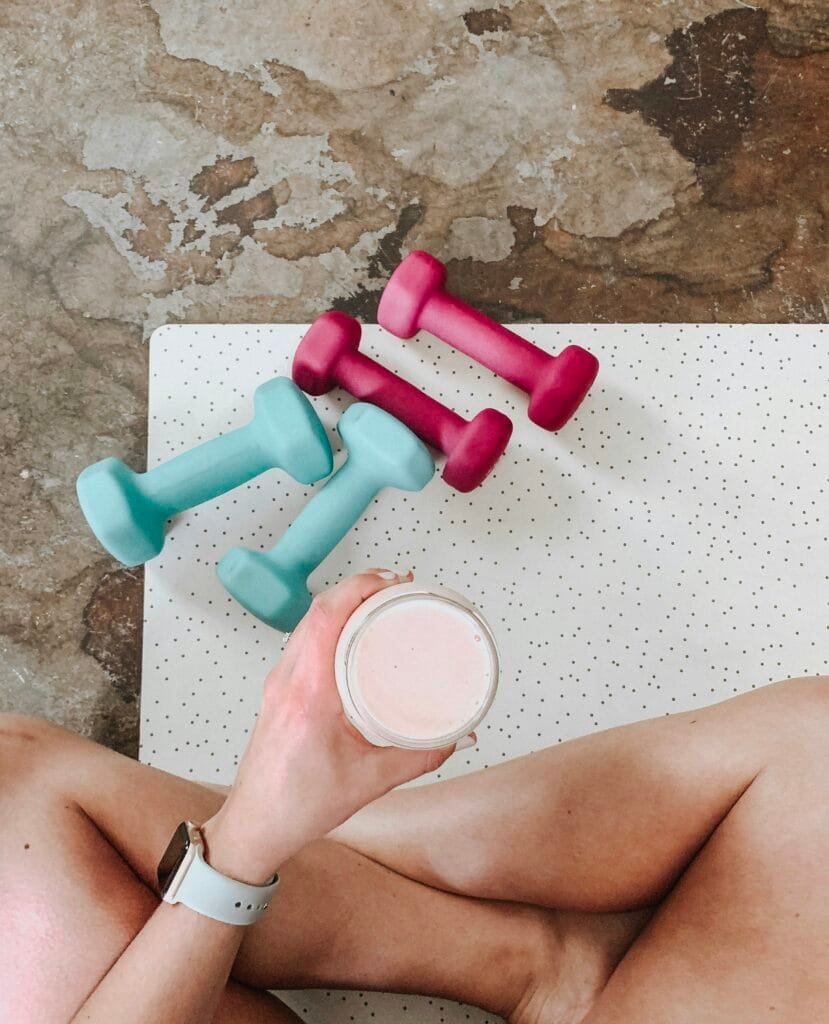
Fueling before and after workouts
We should fuel sessions to sustain effort and recover effectively.
- Pre-workout (30–90 minutes): A small meal or snack with carbohydrates and some protein—e.g., banana with peanut butter, yogurt with fruit, or a small oatmeal bowl. Avoid heavy, hard-to-digest meals immediately before intense lifting.
- Post-workout (within 1–2 hours): A balanced meal with carbohydrates and protein (20–40 g protein depending on size) to support glycogen replenishment and repair. Examples: chicken with sweet potato and vegetables, protein smoothie with fruit and oats.
- On training days overall: Keep a steady intake of nutrients and avoid long fasting around heavy sessions unless we intentionally train fasted and feel comfortable.
Cool-down and mobility routine
Finishing sessions with a cool-down helps reduce acute stiffness and signals recovery.
- Light cardio 3–5 minutes: slow treadmill walking or easy cycling.
- Static stretching 5–8 minutes: target major muscles used—hamstrings, quads, glutes, hip flexors, chest, shoulders. Hold each stretch 20–30 seconds.
- Mobility drills: Thoracic rotations, hip 90/90 stretches, ankle mobility drills as needed.
- Breathing: 1–2 minutes of controlled diaphragmatic breathing to lower heart rate and promote parasympathetic recovery.
Sample beginner weekly plans
We provide two simple weekly templates to match a range of schedules.
Option A — Balanced week (beginner)
We should follow this when starting consistency and learning movements.
- Monday: Full-body circuit (3 rounds of 9-exercise circuit)
- Tuesday: Cardio/active recovery (30 minutes moderate walk, bike, or interval walk)
- Wednesday: Lower-body 20-minute circuit (3 rounds) + mobility
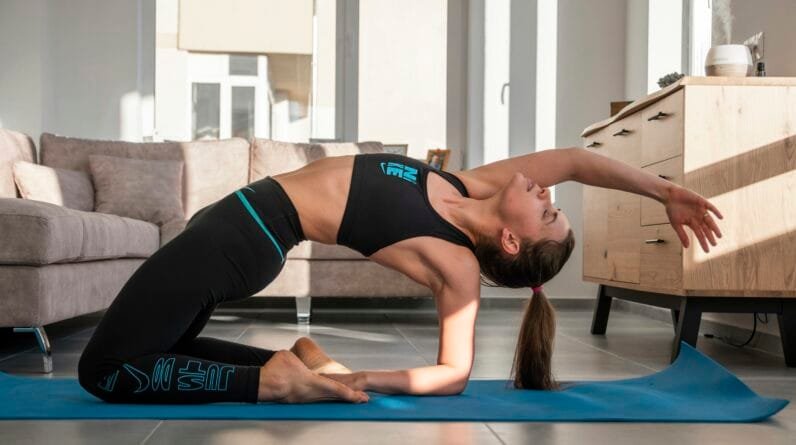
- Thursday: Rest or light mobility/yoga
- Friday: Full-body circuit (repeat Monday’s workout)
- Saturday: Cardio (30–45 minutes steady or interval session)
- Sunday: Rest
We should take an extra rest day if any strength session leaves us excessively sore or fatigued.
Option B — Transition to split (after ~6–12 weeks)
When we’ve built a base and can handle more volume.
- Monday: Upper body (push and pull focused)
- Tuesday: Lower body (heavy)
- Wednesday: Cardio/active recovery
- Thursday: Upper body (accessory emphasis)
- Friday: Lower body (lighter, conditioning)
- Saturday: Light cardio or mobility
- Sunday: Rest
We should ensure at least one full rest day and avoid back-to-back heavy lower-body sessions initially.
Tracking progress and when to increase load
We rely on objective signs rather than feelings.
- If we can complete two consecutive sessions where all sets are within or above the target rep range with good form, increase weight slightly.
- If form fails or pain (sharp, joint-specific) arises, reduce load and reassess. Delayed onset muscle soreness (DOMS) is normal; persistent joint pain is not.
- Keep a simple training log: exercise, sets, reps, weight, RPE (rate of perceived exertion) or subjective notes. This gives us a clear progression timeline.
Common beginner mistakes and how we fix them
We outline pitfalls so we can avoid them.
- Mistake: Pursuing longer workouts instead of better technique. Fix: Limit session times and focus on technical mastery with video feedback or a coach.
- Mistake: Adding weight too quickly. Fix: Use micro-increments and only increase when form is consistent.
- Mistake: Ignoring mobility and warm-up. Fix: Have a 5–10 minute warm-up built into every session.
- Mistake: Comparing to others. Fix: Track personal progress and values—our improvement is unique.
Safety notes and when to get professional help
We should be attentive to pain patterns and seek guidance if needed.
- If we experience sharp joint pain, numbness, dizziness, or unusual swelling, stop and consult a medical professional.
- A few sessions with a qualified coach can accelerate safe learning of complex lifts (deadlift, squat, press) and correct persistent technical issues.
- If we’re recovering from injury, follow clinician advice and progress deliberately under supervision.
Apps, resources, and continued learning
We recommend accessible tools to support consistency and education.
- Apps for logging and programming: Strong (StrongLifts-inspired), JEFIT, Fitbod, or a simple notes app to track sets and weights.
- Cardio and HIIT: Nike Training Club, Zwift (for cycling/treadmill), or interval timers (Tabata apps).
- Nutrition tracking: MyFitnessPal or Cronometer for macro- and calorie-awareness if needed.
- Video resources: Look for reputable coaches and physical therapists on video platforms; prioritize content that explains biomechanics and progressions.
- Local options: Introductory sessions or assessment with a certified personal trainer to establish baseline technique and goals.
Sample workout week with notes
We include a practical week with times and expectations.
- Monday (Strength): Full-body circuit — 3 rounds, 40–60 minutes including warm-up and cool-down. Expect mild to moderate fatigue; prioritize form.
- Tuesday (Conditioning): 30-minute steady-state cardio or interval walk; mobility session after.
- Wednesday (Strength): Short lower-body 20-minute circuit — intense but short conditioning; add 10 minutes of glute activation before if needed.
- Thursday: Rest or easy mobility; foam roll and stretch.
- Friday: Full-body circuit — same as Monday, try small progression if technique is solid.
- Saturday: Active recovery — long walk, recreational sport, gentle cycling.
- Sunday: Rest and plan next week’s progression.
We should note recovery needs and adjust the week if we add extra work.
Measuring meaningful progress beyond the scale
We look for non-scale victories that show real improvement.
- Strength increases (lifting heavier, more reps).
- Improved movement quality (deeper squat, less knee caving, more stable plank).
- Better energy levels and sleep.
- Reduced soreness from everyday tasks and better posture.
- Consistent gym attendance and adherence to the plan.
These are the metrics that matter for long-term sustainability.
Final tips for long-term consistency
We close with practical, empathetic advice to stay on track.
- Make the workouts non-negotiable appointments in our calendar. Consistency beats intensity for long-term change.
- Celebrate small wins and track them. Micro-progressions add up.
- If motivation dips, revisit our “why” or swap in enjoyable variations to maintain adherence.
- Be patient and kind to ourselves—progress is rarely linear, but with steady focus and good habits we will improve.
Quick-reference summary tables
We include two concise tables for easy reference.
Full-body circuit quick reference
| Round | Exercises (in order) | Reps/hold |
|---|---|---|
| 1–3 | Dumbbell hip bridge | 20 |
| 1–3 | Deadbug | 10 per side |
| 1–3 | Dumbbell lunge | 10 per leg |
| 1–3 | Renegade row | 10 per side |
| 1–3 | Romanian deadlift | 10 |
| 1–3 | Floor press | 10 |
| 1–3 | Goblet squat | 20 |
| 1–3 | Russian twist (kettlebell) | 10 |
| 1–3 | Forearm plank | ~30s hold |
Lower-body 20-minute circuit quick reference
| Rounds | Format | Exercise order |
|---|---|---|
| 3 | 40s on / 20s rest per exercise; 60s between rounds | Bodyweight squat; Dumbbell RDL; Kettlebell lateral lunge; Dumbbell glute bridge |
We can print or screenshot these tables to keep by the gym bag.
Closing: Our commitment to steady progress
We believe that consistent, focused practice paired with a quality-first mindset creates the most reliable gains. Use the full-body circuit and the 20-minute lower-body circuit to build a solid foundation. Prioritize form, recovery, and small progressions, and use the resources and weekly examples to build a habit that fits our life. If we need help scaling movements or choosing weights for our current level, we can reach out to a coach or use a beginner-friendly app to support progression.