0 Reviews
Natural Ways To Relax The Body At Home
Natural Ways To Relax The Body At Home. Do you ever finish a long day and wish I had a simple, natural way to relax my body right here at home?
I wrote this guide because I often need practical, science-backed strategies to calm my body without leaving the house. I’ll share techniques I use, explain why they work, and give step-by-step instructions so you can try them immediately.
Why Relaxing the Body Matters
Relaxing the body lowers muscle tension, reduces stress hormones, and improves sleep quality. I find that when my body relaxes, my mind follows, and I can think more clearly and feel more emotionally balanced.
How body and mind connect
The nervous system links physical sensations and emotions closely, so reducing physical tension often reduces anxiety and irritability. I use physical relaxation methods as a first-line approach to manage stress because they provide quick, tangible relief.
Breathing Techniques
Breathing is the fastest way I can influence my nervous system. Deliberate breathing shifts my state from sympathetic (fight/flight) to parasympathetic (rest/digest), and I can do it anytime.
Diaphragmatic (Deep) Breathing
Diaphragmatic breathing engages the diaphragm and creates a fuller, slower breath.
- Sit or lie down comfortably and place one hand on my chest and one on my belly.
- Breathe in through my nose for 4 counts, feeling my belly rise.
- Exhale through my mouth for 6–8 counts, feeling my belly fall.
- Repeat for 5–10 minutes.
I use this when I feel my shoulders tense up. It’s accessible and effective for immediate calming.
Box breathing creates a steady rhythm that calms my mind.
- Inhale through the nose for 4 counts.
- Hold for 4 counts.
- Exhale through the mouth for 4 counts.
- Hold for 4 counts.
- Repeat for 4–6 rounds.
I use this before a focused task or to soothe pre-sleep restlessness.
This image is property of images.unsplash.com.
This technique slows the heart rate and encourages relaxation.
- Inhale through the nose for 4 counts.
- Hold for 7 counts.
- Exhale through the mouth for 8 counts.
- Repeat for 4 cycles.
I reach for 4-7-8 when I find my thoughts racing; the extended exhale helps release tension.
Comparison of Breathing Techniques
| Technique | Best for | How long to practice | Immediate effect |
|---|---|---|---|
| Diaphragmatic | General relaxation | 5–10 minutes | Reduces muscle tension |
| Box Breathing | Focus, stability | 3–6 rounds | Regulates heart rate |
| 4-7-8 | Insomnia, anxiety | 4–8 cycles | Calms nervous system |
| Paced Breathing (6 breaths/min) | Panic reduction | 10–20 minutes | Reduces panic symptoms |
I find it helpful to try each method and notice which one matches my needs in the moment.
Progressive Muscle Relaxation (PMR)
PMR systematically tenses and releases muscle groups to increase body awareness and reduce chronic tension.
- I start lying down or seated, and tense a muscle group (e.g., fists) for 5–7 seconds.
- I release the tension and notice the contrast for 15–20 seconds.
- I move progressively from the feet up to the face or vice versa.
A full PMR session takes about 15–25 minutes and is one of my favorite practices before sleep. I notice reduced headaches and shoulder tightness after regular use.
Stretching and Mobility
Gentle stretching reduces stiffness and helps me feel more physically at ease. I prefer slow, mindful stretches rather than aggressive or bouncing movements.
Static Stretches I Use
- Neck side stretch: Tilt my head toward one shoulder and hold for 20–30 seconds.
- Chest opener: Clasp hands behind my back and lift slightly; hold for 20–30 seconds.
- Hamstring stretch: Seated forward fold with a soft bend for 30 seconds.
I hold each stretch without strain and breathe deeply to increase relaxation.
Dynamic Mobility for Energy
Short dynamic sequences (leg swings, shoulder circles) help reduce stiffness if I’ve been sitting all day. I use these in the afternoon to reset my posture and circulation.
Gentle Movement: Yoga and Tai Chi
Gentle practices like restorative yoga and tai chi combine movement, breath, and mindfulness.
- Restorative yoga uses props and long holds to encourage deep relaxation. I can rest for several minutes in supported poses and feel my nervous system settle.
- Tai chi emphasizes slow, flowing movements and balance. I use a short tai chi set when I want to cultivate calm focus and improve coordination.
Even 15–20 minutes of these practices lowers my stress and improves my body awareness.
Warm Baths, Showers, and Hydrotherapy
Heat relaxes muscles and increases blood flow, which helps my body let go of tension.
Epsom Salt Baths
Epsom salts (magnesium sulfate) can make a bath deeply soothing.
- Add 1–2 cups of Epsom salts to warm bathwater and soak for 15–20 minutes.
- I combine this with low lighting and a soft playlist for full relaxation.
Contrast Showers
Alternating warm and cool water boosts circulation and reduces fatigue.
- I spend 2–3 minutes in warm water, then 30 seconds in cool water, and repeat 2–3 times.
- Finish with cool water to invigorate or warm water to relax, depending on the need.
Foot Soaks
A warm foot soak with a bit of salt or essential oil is a quick way to relax my nervous system if I don’t have time for a full bath.
Aromatherapy and Essential Oils
I use essential oils to support relaxation through inhalation or topical application (diluted). Smell is strongly linked to memory and emotion, so certain scents can quickly shift my mood.
Oils I Use and Why
- Lavender: Calming and good for sleep.
- Bergamot: Uplifting but calming; helpful for anxiousness.
- Roman chamomile: Gentle, soothing for stress.
- Frankincense: Grounding, supports meditation.
- Sweet orange: Light, mood-lifting.
Safety and Usage
- Dilute essential oils in a carrier oil (e.g., jojoba) at 1–2% for topical use.
- Diffuse briefly (15–30 minutes) rather than constantly.
- Keep oils away from eyes and open wounds, and be cautious around pets and pregnancy.
| Oil | Typical use | Contraindications |
|---|---|---|
| Lavender | Sleep, relaxation | Rare allergies |
| Bergamot | Anxiety relief | Photosensitivity (avoid sun exposure) |
| Chamomile | Calming | Allergies to ragweed |
| Eucalyptus | Clear breathing | Not for infants or young children |
| Peppermint | Invigorating | Not for young children or breastfeeding without guidance |
I recommend starting with a low concentration and testing for sensitivity.
This image is property of images.unsplash.com.
Herbal Teas and Supplements
Herbal teas and select supplements can support relaxation, but I treat them as complementary and check interactions if I take medications.
Common Relaxing Teas
- Chamomile tea: Mild sedative effect, great at night.
- Lavender tea: Calming and floral.
- Lemon balm: Reduces anxiety and promotes sleep.
- Passionflower: Helpful for nervous tension and insomnia.
Supplements I Consider
- Magnesium: I use magnesium glycinate or magnesium citrate to relieve muscle cramps and promote relaxation; typical dose 200–400 mg at bedtime.
- L-theanine: An amino acid found in green tea that promotes calm alertness; 100–200 mg is common.
- Melatonin: Short-term use for sleep schedule adjustments (0.5–3 mg).
| Herb/Supplement | Typical use | Notes/Precautions |
|---|---|---|
| Chamomile | Sleep and anxiety | Can interact with blood thinners |
| Lemon balm | Anxiety, digestion | Generally well tolerated |
| Passionflower | Sleep aid | May cause drowsiness |
| Magnesium | Muscle relaxation | Adjust dose for kidney function |
| L-theanine | Calm focus | Generally safe |
I always consult a healthcare provider before starting supplements, especially if pregnant, nursing, or on medication.
Self-Massage and Tools
Self-massage relieves knots and improves circulation. I use my hands, a tennis ball, foam roller, or massage tools.
Simple Self-Massage Moves
- Neck and shoulders: Use my fingers to make circular motions along the base of the skull.
- Forearms: Roll my forearms on a foam roller or use thumb pressure for repetitive strain relief.
- Feet: Roll a tennis ball under the arch and press into sore spots.
Foam Rolling Basics
- Move slowly over each muscle group for 1–2 minutes, avoiding direct pressure on joints.
- Breathe through discomfort and focus on areas of tightness.
I find short, focused sessions (5–10 minutes) more sustainable than long rolling sessions.
Creating a Relaxing Environment
My environment strongly influences how quickly I can relax. I intentionally set up spaces that feel safe and soothing.
Lighting and Color
- Soft, warm lighting signals to my brain that it’s time to relax. I use lamps or dimmers rather than overhead lights.
- Calm colors like soft blues, greens, and neutrals make my space feel restful.
Temperature and Bedding
- A slightly cool room (around 65–68°F / 18–20°C) helps with sleep.
- Comfortable bedding and supportive pillows reduce body aches and support relaxation.
Decluttering and Organization
A tidy space reduces visual stress for me. I keep a small basket for items that don’t belong in the bedroom so I can clear surfaces quickly.
Sound, Music, and Silence
Sound shapes my state: some music calms me, while silence can be restorative.
Types of Sound I Use
- Slow instrumental music: Piano, strings, or ambient music at 60–70 BPM.
- Nature sounds: Rain, ocean waves, wind in trees.
- Binaural beats: Use cautiously; certain frequencies can promote relaxation.
I lower volume and avoid lyrics when I need to rest; lyrics can engage my thinking.
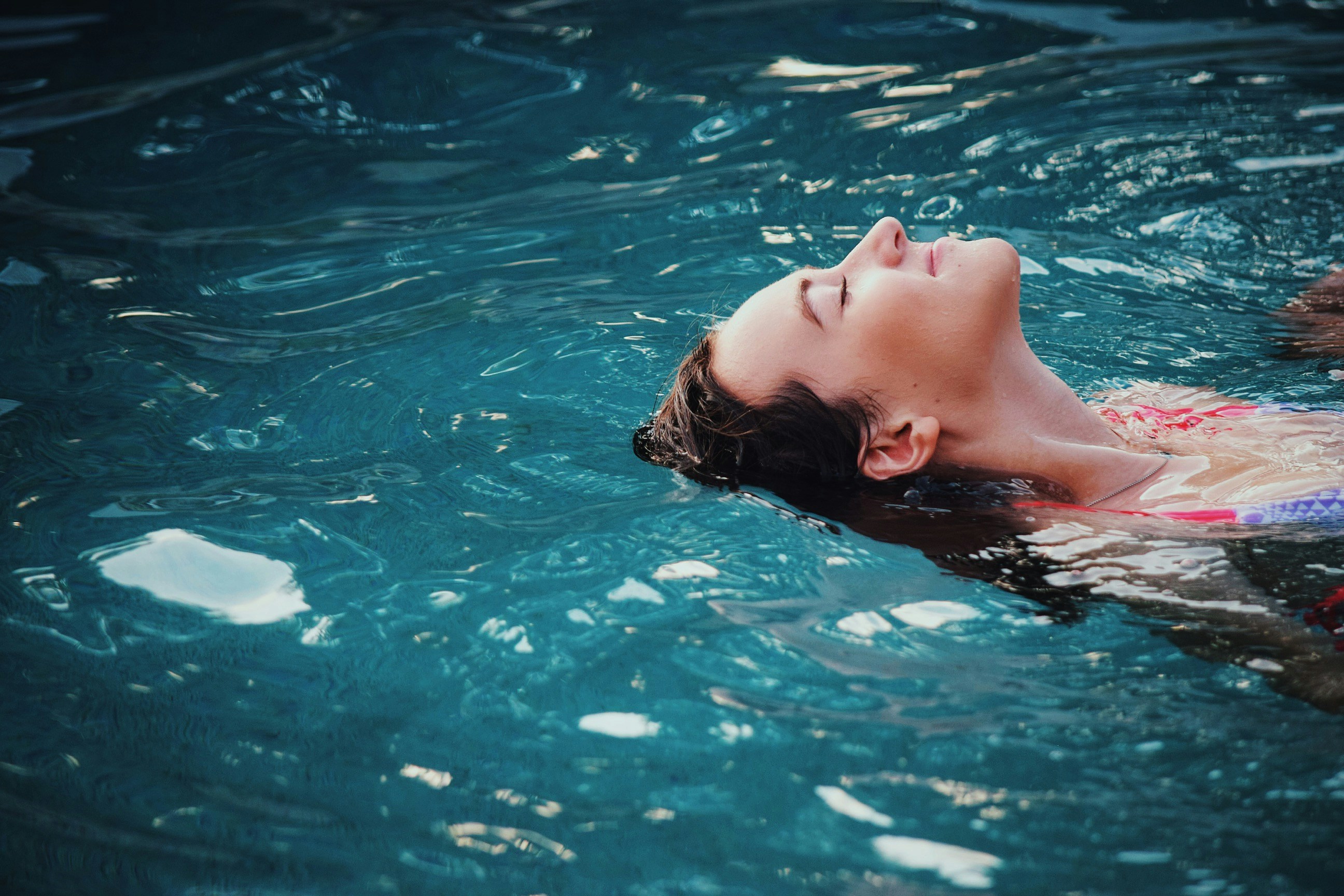
This image is property of images.unsplash.com.
Mindfulness, Meditation, and Guided Imagery
Mindfulness helps me notice tension without judging it and allows gradual release.
Simple Mindfulness Practice
- Sit comfortably for 5–10 minutes and focus on my breath.
- When thoughts come, note them and let them pass without engagement.
Guided Imagery Script (Short)
- Close my eyes and imagine a safe, calm place.
- Notice details: colors, sounds, textures.
- Walk through the scene and breathe slowly for 5–10 minutes.
I use recorded guided meditations or short scripts to keep my practice consistent.
Sleep Hygiene and Evening Routine
Good sleep habits are essential for my overall relaxation. I structure evenings to cue my body for rest.
My Evening Routine Example
- 90 minutes before bed: Turn off bright screens and lower lights.
- 60 minutes before bed: Gentle stretching, warm tea, or a warm bath.
- 30 minutes before bed: Read a physical book or practice PMR.
- Bedtime: Use a consistent sleep schedule.
I find consistency more powerful than any single tactic.
Nutrition and Hydration for Relaxation
What I eat influences how relaxed my body feels. I prioritize whole foods and avoid stimulants later in the day.
Foods That Support Relaxation
- Magnesium-rich: spinach, almonds, pumpkin seeds.
- Omega-3 sources: salmon, walnuts.
- Complex carbs: quinoa, sweet potatoes for steady blood sugar.
What I Avoid
- Caffeine after mid-afternoon.
- Heavy, spicy meals right before bed that can disrupt sleep.
- Excessive alcohol, which fragments sleep and increases tension the next day.
Hydration matters too: I sip water throughout the day, and a warm herbal tea in the evening helps me unwind.
Technology and Screen Use
Digital devices can keep my nervous system activated if I’m not careful.
- I set a screen curfew and use blue-light filters in the evening.
- I silence nonessential notifications or use Do Not Disturb.
- I create tech-free zones, especially the bedroom, to preserve it as a place for rest.
These boundaries help my mind decouple from work and alerts.
Journaling and Emotional Release
Writing helps me offload worries and clarify what’s bothering me, which reduces somatic tension.
- I keep a brief nightly journal: three things I’m grateful for and one worry I can set aside.
- If I’m tense about a problem, I do free-writing for 10 minutes to externalize the stress.
This practice often reduces the need for late-night rumination.
Cold and Heat Therapy
Alternating heat and cold can reduce inflammation and relax muscles.
- Heat (warm packs) relaxes tight muscles; I use 15–20 minute heat sessions.
- Cold (ice packs) reduces acute inflammation for 10–15 minutes.
- Always use a barrier to protect the skin.
I use heat for general tension and cold for acute soreness or inflammation.
When to Seek Professional Help
I use these natural strategies regularly, but certain signs mean it’s time to consult a professional.
- Persistent or worsening pain that doesn’t respond to home care.
- Chronic insomnia lasting months despite good sleep hygiene.
- Overwhelming anxiety or depression interfering with daily life.
- Suspected medical conditions (e.g., thyroid issues, cardiovascular concerns).
A physician, physical therapist, psychologist, or massage therapist can provide targeted treatments and rule out underlying conditions.
Sample Daily Relaxation Routines
Below are two sample routines I use: a daytime reset and a pre-bed routine. I adjust times according to my schedule.
Daytime Reset (10–20 minutes)
| Step | Action | Time |
|---|---|---|
| 1 | Diaphragmatic breathing (3 minutes) | 3 min |
| 2 | Gentle mobility (neck, shoulders, hip circles) | 5 min |
| 3 | Short walk or tai chi movement | 5–10 min |
| 4 | Quick self-massage or foam roll focal area | 2–5 min |
I do this when I feel stuck from long sitting or mid-day stress.
Pre-Bed Routine (30–60 minutes)
| Time before bed | Action | Details |
|---|---|---|
| 60 min | Warm bath with Epsom salts | 15–20 minutes |
| 45 min | Herbal tea (chamomile, lemon balm) | Sip slowly |
| 30 min | PMR or guided imagery | 15–20 minutes |
| 15 min | Read or journal | Low lighting |
| Bedtime | Lights out, breathing practice if needed | 4-7-8 breathing |
When I follow this sequence, my sleep quality usually improves noticeably.
I pay attention to safety, especially with supplements, essential oils, and new exercises.
- Consult a healthcare provider before starting supplements or herbs if you take medications or have chronic conditions.
- Avoid aggressive stretching or foam rolling on acute injuries.
- Use essential oils with caution around pets, children, and pregnancy.
- Stop any technique that causes sharp pain or worsening symptoms.
I prioritize gentle, progressive approaches and adapt techniques to my comfort level.
Tracking and Consistency
I’ve learned that small, regular habits beat occasional intense sessions. I track what I do and how I feel afterward.
- Note which techniques reduce my tension most effectively.
- Track sleep quality and stress levels weekly.
- Adjust routines based on results.
Consistency helps me build a reliable toolkit for relaxation.
Final Thoughts on Natural Ways To Relax The Body At Home.
I use these natural methods to create a personal relaxation toolkit that fits my schedule and needs. Whether I need a five-minute reset or a full pre-bed ritual, I’ve found reliable, practical strategies that calm my body and clear my mind. Try a few techniques for a week and notice which ones help you most; small changes compound into meaningful results over time.