0 Reviews
? Are we ready to build habits that strengthen our hearts, muscles, flexibility, and mood with simple daily movement?
Purpose: Daily Workouts to Build Heart Health Strength Flexibility and Better Mood
We wrote this guide to help us fit brief, effective exercise into everyday life. Our goal is to offer 10 no-equipment workouts that are easy to adapt to any fitness level, plus practical tips for consistency, safety, and long-term progress.
Why daily exercise matters
Daily movement does more than change our appearance; it reshapes how we feel and function. By moving consistently, we improve cardiovascular health, build and maintain muscle and bone, enhance flexibility, and stabilize mood and energy levels.
Regular exercise supports healthy circulation, reduces stress hormones, and improves sleep quality. When we make movement a daily habit—no matter how short—it compounds into meaningful health benefits.
Main message: What daily exercise gives us
We should think of daily exercise as a foundation rather than a sporadic sprint. The benefits are broad and interlinked: better heart health, stronger muscles and connective tissue, improved flexibility, and enhanced mental health. These changes increase our capacity for daily tasks and reduce the risk of chronic disease over time.
In short: consistent daily workouts transform our physical and mental wellbeing in ways that extend far beyond the gym.
Motivation: Finding a personal “why”
We stay consistent when we have a reason that matters to us. A health recommendation is useful, but personal motivations have more staying power.
- Ask ourselves: What do we want to be able to do in 1, 5, or 10 years? Play with grandchildren, climb stairs without breathlessness, reduce medication reliance?
- Choose one vivid, personal reason and write it down where we will see it daily.
- Use habit cues: a fixed time, a morning stretch, or a short walk after lunch can anchor the routine.
When our reason is personal and specific, we are more likely to keep moving.

Health benefits summarized
We can think of the benefits in short-term and long-term categories so the payoff is easier to see.
- Improved heart health and circulation: Lower resting heart rate, better blood pressure, and more efficient oxygen delivery.
- Weight management: Regular activity helps balance calories and maintain metabolic health.
- Stronger muscles, tendons, ligaments, and bones: Resistance or weight-bearing movements preserve strength and bone density.
- Better range of motion: Flexibility and mobility work reduce stiffness and improve function.
- Reduced anxiety and depression: Exercise releases endorphins and supports mood regulation.
- Higher energy and improved sleep: Movement can enhance daytime alertness and consolidate nighttime sleep.
These benefits interact: better sleep improves energy, which makes us more likely to exercise, which then further improves sleep. Small actions stack into big gains.
Risks of inactivity
Not moving regularly has tangible consequences. We should recognize these risks so we stay motivated.
- Weight gain leading to obesity-related problems: heart disease, type 2 diabetes, joint issues, reduced mobility, and shortened life expectancy.
- Metabolic slowdown: Poor glucose control and insulin resistance.
- Weakened immunity: Less robust defense against infection in some contexts.
- Reduced bone density and muscle mass: Higher risk of fractures and frailty.
- Gastrointestinal issues and slower gut transit in some people.
- Mental-health risks: Higher incidence of anxiety, low mood, and cognitive decline over time.
Knowing the hazards is not meant to scare us but to anchor the importance of consistent movement in our daily lives.
“Skinny fat” warning
Normal body weight does not guarantee fitness. The “skinny fat” condition—appearing slim but having low muscle mass and poor cardiovascular fitness—carries real health risks.
- We can have normal BMI yet low muscle strength, poor bone density, and unfavorable metabolic markers.
- Lack of resistance-style or weight-bearing activity is a common cause.
- To avoid this, we prioritize strength and cardiovascular work alongside flexibility and balance.
Regular daily workouts that include strength and aerobic components protect against “skinny fat” outcomes.
Practical advice before we start
We want to get better without getting injured. A few simple rules set us up for safe progress.
- Warm up before intense or long sessions. A 5–10 minute warm-up of light cardio and mobility reduces injury risk.
- Start slowly, especially if we are returning after inactivity or have health concerns. Build frequency, duration, and intensity gradually.
- Consult a healthcare professional if we have underlying health conditions, recent surgeries, or cardiovascular risk factors.
- Pay attention to pain vs. discomfort. Sharp or persistent joint pain is a signal to stop and seek advice.
A cautious start protects our long-term ability to remain active.
How to structure daily mini-workouts
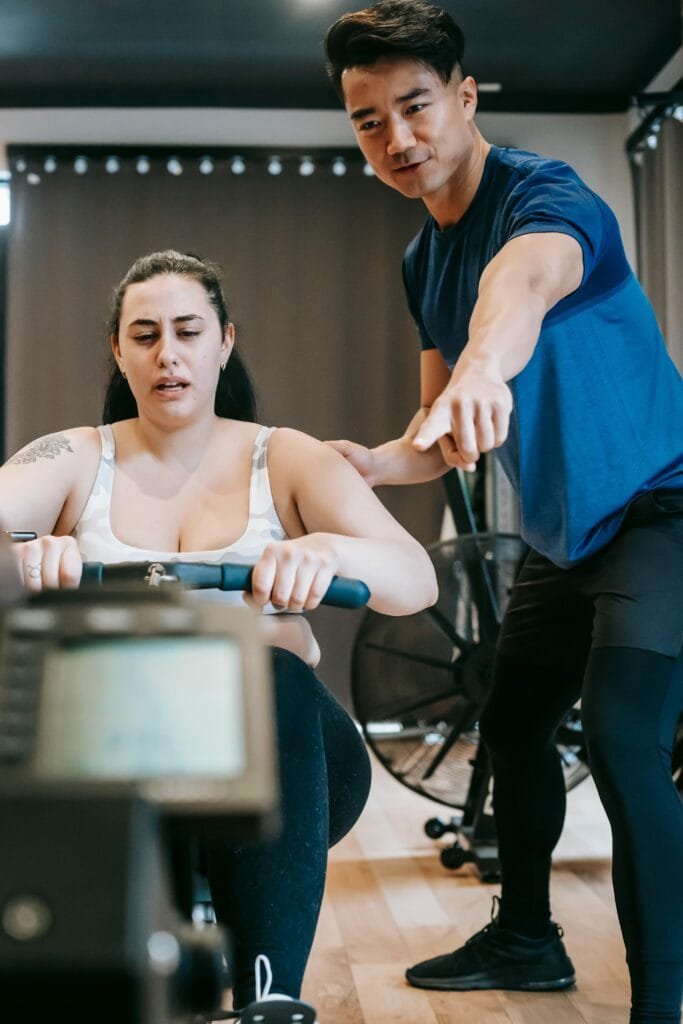
Daily does not mean lengthy. Short, focused sessions performed consistently are powerful. Here’s a simple structure we can use:
- Warm-up: 5–10 minutes of light cardio and dynamic mobility.
- Main set: 10–20 minutes focused on one or two goals (cardio, strength, flexibility).
- Cool-down: 3–5 minutes of light stretching or breathing work.
Even 15–25 minutes daily multiplied across weeks produces large gains.
The 10 no-equipment workouts (step-by-step and progressions)
We present 10 exercises that require no equipment, are adaptable, and cover cardiovascular fitness, strength, flexibility, and balance. Each entry includes purpose, how-to, progressions, and modifications.
1. Walking or running
Purpose: Improve cardiovascular fitness, mood, and circulation. Low-barrier, can be adjusted by pace and duration.
How to:
- Start with 15–30 minutes at a comfortable pace. We should be able to talk but not sing for moderate intensity.
- Wear supportive shoes and choose flat, safe routes.
- Use intervals to increase intensity: alternate 2 minutes brisk walking with 1 minute faster walking or light jogging.
Progressions and modifications:
- Begin with 10–15 minutes for low fitness. Build 5 minutes every 1–2 weeks.
- For higher intensity, run or add hill sprints (30–60 seconds uphill, recover walking).
- If weather or schedule prevents outdoor walking, march in place or walk around a safe indoor space.
2. Push-ups
Purpose: Build upper body strength (chest, shoulders, triceps) and core stability.
How to:
- Start in a plank position with hands under shoulders.
- Lower chest toward the floor while keeping a straight line from head to heels, then push back up.
- If full push-ups are too hard, use progressions (see table).
Progressions and modifications:
| Level | Variation | Notes |
|---|---|---|
| Beginner | Wall push-ups | Stand facing a wall, hands at chest height, lean in and push back. |
| Intermediate | Incline push-ups | Hands on a sturdy table or bench; easier than floor. |
| Intermediate+ | Knee push-ups | Knees on ground, hips aligned; increases load to arms while reducing bodyweight. |
| Advanced | Full push-ups | Feet on floor, full plank to chest close to ground. |
| Challenge | Decline push-ups | Feet elevated on a step to increase difficulty. |
Tip: Regardless of variation, maintain a neutral neck and long spine.
3. Bodyweight squats
Purpose: Strengthen quads, glutes, hamstrings, and improve mobility in hips and knees.
How to:
- Stand with feet shoulder-width apart.
- Push hips back as if sitting, bend knees, and lower until thighs are parallel to the floor or as comfort allows.
- Keep weight in heels, chest lifted, and knees tracking over toes.
- Rise back to start; perform 2–3 sets of 15–20 reps as a baseline.
Progressions and modifications:
| Level | Variation |
|---|---|
| Beginner | Box-supported squat (use chair as a guide) |
| Intermediate | Bodyweight squat |
| Intermediate+ | Pause squat (2-3 second hold at bottom) |
| Advanced | Jump squat or single-leg pistol progressions |
Tip: Add tempo (e.g., 3 seconds down, 1-second pause, 1 second up) for more tension without equipment.
4. Forward and reverse lunges
Purpose: Build unilateral leg strength, balance, and hip mobility.
How to:
- Stand tall, take a controlled step forward (forward lunge) or step back (reverse lunge).
- Lower the back knee toward the ground without letting the front knee pass the toes excessively.
- Push through the front heel to return, or stand and repeat on the other leg.
- Aim for 8–12 reps per leg for 2–3 sets.
Progressions and modifications:
- Start with reverse lunges if balance is limited; they are easier on the knee and more stable.
- Hold onto a wall or chair for balance if needed.
- Advance to walking lunges or add a jump for power.
5. Plank
Purpose: Core strength, shoulder stability, and improved posture.
How to:
- Place forearms on the ground, elbows under shoulders, legs straight behind.
- Create a straight line from head to heels, engaging the core and glutes.
- Hold 20–60 seconds depending on ability.
Progressions and modifications:
| Level | Variation |
|---|---|
| Beginner | Plank on knees or incline plank with hands on elevated surface |
| Intermediate | Forearm or high plank on toes |
| Advanced | Plank with alternating arm/leg lifts or side plank variations |
Tip: If form breaks (hips sag), rest. Shorter holds with perfect form are better than long holds with poor alignment.
6. Glute bridges
Purpose: Strengthen glutes and posterior chain, improve hip extension and low-back health.
How to:
- Lie on our backs with knees bent and feet hip-width apart.
- Press through heels to lift hips until the body forms a straight line from shoulders to knees.
- Squeeze glutes at the top, lower slowly. 2–3 sets of 12–20 reps.
Progressions and modifications:
- Begin with basic bridges. Progress to single-leg bridges for more challenge.
- Pause at the top for 2–3 seconds to increase time under tension.
- Add pulses at the top if comfortable.
7. Step-ups (use stairs or a sturdy step)
Purpose: Functional single-leg strength, cardio when done at higher pace.
How to:
- Find a step or stair 6–12 inches high (higher for advanced).
- Step up fully with one foot, drive through the heel to stand, then step back down with control.
- Alternate legs; aim for 10–15 reps per leg for 2–3 sets.
Progressions and modifications:
- Increase height or speed for more intensity.
- Use a slow, controlled tempo for strength focus.
- Hold knee drive at top for added balance challenge.
8. Calf raises
Purpose: Strengthen calf muscles and improve ankle stability and balance.
How to:
- Stand with feet hip-width apart.
- Rise onto the balls of the feet, lifting heels as high as comfortable.
- Lower slowly back to the floor. 2–3 sets of 15–25 reps.
Progressions and modifications:
- Perform single-leg calf raises to increase demand.
- Stand near a wall or chair for balance if needed.
9. Chair dips (or bench dips)
Purpose: Target triceps, shoulders, and chest using a stable surface available at home.
How to:
- Sit on the edge of a sturdy chair, hands next to hips.
- Slide forward, lower hips by bending elbows to ~90 degrees, keeping shoulders down.
- Push back up until arms are nearly straight. Keep feet bent for easier variation.
- Perform 8–15 reps for 2–3 sets.
Progressions and modifications:
- Bend knees with feet flat for an easier version.
- Extend legs straight to increase difficulty.
- To reduce shoulder strain, limit range of motion and keep shoulders slightly forward.
10. Dynamic stretches and mobility flow (example: sun salutation-like routine)
Purpose: Improve flexibility, reduce stiffness, and provide a gentle cardiovascular and breathing component.
How to (simple 5-move flow):
- Forward fold to hamstring stretch: Hinge at hips, relax head and neck.
- Half lift: Hands to shins, flat back.
- Lunge (each side): Step one foot back, drop knee or keep lifted for hip opener.
- Plank to downward dog: Walk hands forward, lift hips up and back to stretch spine and calves.
- Return to standing with a breath, repeat 5–10 times.
Progressions and modifications:
- Move slowly for mobility; increase pace for mild cardio.
- Add spinal twists, ankle mobilizations, or yoga poses like child’s pose for extra recovery.
Sample daily mini-workout routines (15–30 minutes)
We offer three example sessions to fit different goals: cardio, strength, and mobility. We can mix and match throughout the week.
A. Quick cardio + legs (20 minutes)
- Warm-up: 5 minutes brisk walk or marching in place.
- Main set: 3 rounds
- 2 minutes brisk step-ups (alternating)
- 1 minute bodyweight squats (moderate pace)
- 1 minute marching or light jog in place
- Cool-down: 3–5 minutes walking and calf/hamstring stretches
B. Strength-focused full body (25 minutes)
- Warm-up: 5 minutes dynamic mobility
- Main set: 3 rounds
- 10 push-ups (any progression)
- 15 squats
- 12 glute bridges
- 30-second plank
- 10 lunges per leg
- Cool-down: 3–5 minutes stretching focusing on hips and chest
C. Mobility and recovery (15 minutes)
- Warm-up: 2 minutes easy walking
- Main set:
- 5–8 rounds of the dynamic mobility flow (see exercise 10)
- 2 minutes of deep diaphragmatic breathing
- Cool-down: Gentle hamstring and hip flexor stretches
Training tips: progressions, modifications, and listening to our bodies
We should use smart training principles to keep improving while avoiding burnout and injury.
- Use progressions: When a movement becomes easy, increase reps, add range of motion, slow the tempo, or reduce rest between sets.
- Prioritize form: Good technique prevents injury and gives better results than doing more reps with poor form.
- Mix intensity: Combine higher-intensity days with lower-intensity mobility or recovery days.
- Rest and recovery: Even daily movement can vary in intensity; active recovery days (yoga, walking) help us recover while staying consistent.
- Track progress: Simple logs of sets, reps, or time held can motivate us and show clear improvement.
- Adjust for life: Travel, busy days, or illness will happen. Shorter sessions are acceptable; consistency over perfection matters most.
Safety and common concerns
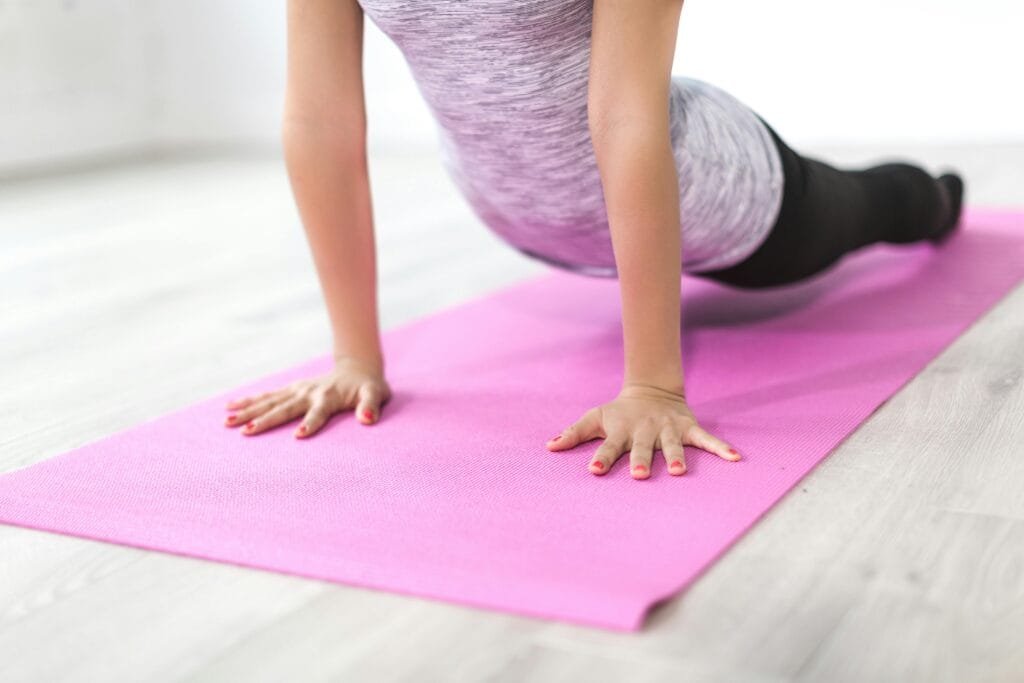
We want sustainable improvements without sidelining injuries.
- Warm up before higher-intensity work to prepare muscles and joints.
- Stop if we feel a sharp pain or unusual symptoms (dizziness, chest pain, severe shortness of breath).
- Modify movements if joints are sensitive; for example, reduce squat depth or perform reverse lunges instead of forward lunges.
- If we have specific conditions (pregnancy, osteoporosis, recent cardiac events), consult a healthcare provider for tailored guidance.
- Consider professional input for persistent pain—physical therapists and certified trainers can give individualized progressions.
How to avoid plateau and keep things interesting
Monotony kills habits. We can apply variety without complex planning.
- Rotate exercises weekly so different muscles and movement patterns get attention.
- Use interval formats one day, steady-state cardio another, and strength circuits on another day.
- Add short challenges—e.g., increase plank hold by 5 seconds each session for two weeks.
- Track small wins and reward ourselves for consistency, not perfection.
Nutrition and recovery basics that support our workouts
Movement is one piece of health; nutrition and recovery are the others. Small practical points help the body adapt.
- Hydration: Drink water throughout the day, and more when workouts are longer or hotter.
- Protein: Aim for a moderate protein intake spread across meals to support muscle repair.
- Sleep: Quality sleep enhances recovery, mood, and exercise performance.
- Post-workout: For most short daily workouts, a balanced meal or snack within a couple of hours is sufficient—focus on whole foods with carbs and protein.
We do not need to obsess; basic, consistent habits support training gains.
Risks associated with overtraining
We should be cautious not to swing from inactivity to excessive training quickly.
- Signs of overtraining: persistent fatigue, sleep disturbance, reduced performance, irritability, and frequent illnesses.
- If we notice these signs, reduce intensity and volume, prioritize sleep, and consider a deload week with lighter activity.
Balance allows us to be active for decades rather than months.
Sample weekly plan for variety and recovery
We suggest a balanced week that combines cardio, strength, and mobility while allowing recovery.
| Day | Focus | Example |
|---|---|---|
| Monday | Strength + core | Strength-focused full-body routine (25 min) |
| Tuesday | Cardio | 20–30 min brisk walk/run or intervals |
| Wednesday | Mobility + active recovery | Mobility flow + light stretching (20 min) |
| Thursday | Strength (legs emphasis) | Squats, lunges, glute bridges, calf raises (25 min) |
| Friday | Cardio + upper body | Walk + push-up progressions, step-ups (20–30 min) |
| Saturday | Mixed circuit | Short circuit combining 6–8 exercises for 20 min |
| Sunday | Rest or gentle movement | Long walk or yoga; focus on recovery |
We can reorder days to fit our schedule; the key is regularity and manageable intensity.
Measuring progress
We should measure progress beyond the scale.
- Cardio: time/distance at a given intensity, heart rate recovery.
- Strength: more reps, longer holds, or easier variations becoming harder.
- Mobility: greater range of motion and reduced stiffness.
- Wellbeing: improved sleep, mood, and energy.
Small, consistent improvements indicate our habits are working.
Common barriers and practical fixes
We encounter barriers to exercise—time, motivation, space. Here are practical fixes we can use.
- Time: Split workouts into two 10-minute sessions—still effective.
- Motivation: Use habit stacking (exercise after brushing teeth), and use social accountability with friends or apps.
- Space: Most exercises need only a carpet-sized area. Walking needs only safe routes.
- Fatigue: Do a gentle session on low-energy days; often movement increases alertness.
- Injury: Focus on low-impact options and consult professionals for tailored rehab.
We find creative solutions rather than bemoaning obstacles.
Frequently asked questions (brief)
We answer common questions in short form to keep things practical.
- How long before we see results? We can notice mood and energy benefits in days to weeks. Strength and cardiovascular improvements typically appear in 4–8 weeks.
- Is daily exercise safe? Yes if intensity is varied, we warm up, and we respect pain signals. Consult a clinician for specific health concerns.
- Will we bulk up? Not unless we follow a high-calorie, specialized resistance program. Daily bodyweight training typically improves tone and function without large muscle mass increases.
- Can we lose weight with these workouts? Combined with sensible nutrition, yes—regular activity supports weight management.
Final takeaway
We can transform our health and quality of life with simple, daily actions. The 10 no-equipment exercises we described cover cardio, strength, flexibility, and balance. By starting slowly, staying consistent, using progressions, and listening to our bodies, we make exercise a sustainable part of our routine.
Small daily workouts compound into big benefits—stronger hearts, more resilient muscles and bones, improved flexibility, and a steadier mood. Let us choose one reason that resonates with us, commit to a short daily practice, and build from there. Our future selves will thank us for the consistent care we begin today.