0 Reviews
?Have you ever noticed that a short walk or a yoga session can make a stressful day feel more manageable?
Regular physical activity is an effective stress reliever—any form from aerobics to yoga can help.
Physical activity does much more than change your body shape or fitness level; it changes how your body and brain respond to stress. In this article you’ll learn why exercise helps, how much you need, what types of activity work best, and practical ways to make movement a sustainable part of your life so you can manage stress more effectively.
Why physical activity reduces stress
Physical activity triggers biological and psychological responses that lower the intensity and harm of stress. When you move, your brain releases “feel-good” chemicals like beta-endorphin and increases levels of neurotransmitters such as serotonin and dopamine, which lift mood and reduce pain perception. At the same time, regular movement helps regulate your stress hormones (like cortisol) and improves the function of your autonomic nervous system so your heart rate and blood pressure recover more quickly after stressful events.
Psychologically, exercise acts as a form of “meditation in motion.” You focus on movement and breathing, which distracts you from worries and negative thought loops. Over time, you’ll notice clearer thinking, improved problem-solving, and a stronger ability to handle emotional challenges.
The biological mechanisms (brief)
Here’s what’s happening inside your body when you exercise:
- Increased endorphins: These natural opioids create a mood lift and can produce the “runner’s high.”
- Neurotransmitter balance: Activity raises serotonin and dopamine, improving mood and motivation.
- Hormone regulation: Regular exercise reduces chronic cortisol levels, lowering harmful long-term effects of stress.
- Autonomic balance: Improved parasympathetic (rest-and-digest) activity helps your body recover faster after stress.
- Anti-inflammatory effects: Movement reduces systemic inflammation, protecting cardiovascular and immune health.
These combined effects help explain why even short bursts of movement can make you feel calmer, clearer, and more resilient.
Benefits of regular physical activity for stress management
You’ll notice a range of benefits from consistent exercise that extend beyond immediate mood boosts:
- Increased energy and reduced fatigue, which helps you tackle daily tasks.
- Better sleep quantity and quality, which in turn lowers stress and improves recovery.
- Clearer thinking and improved concentration, which make problem-solving easier.
- Reduced mild anxiety and depression symptoms through regular neurotransmitter adjustments.
- Improved cardiovascular, digestive, and immune function, so stress causes less physical harm to your body.
- Enhanced self-efficacy and confidence as you reach fitness goals, which improves your emotional resilience.
These benefits accumulate: the more consistently you move (safely), the more robust your stress resilience becomes.
How much activity do you need?
Public health guidelines provide practical targets to aim for. Use these as a flexible framework, not a rigid rule.
- Minimum weekly target: 150 minutes of moderate-intensity aerobic activity OR 75 minutes of vigorous-intensity aerobic activity, or a combination of both.
- For more benefits: 300 minutes per week of moderate-intensity activity.
- Strength training: Include activities that work all major muscle groups at least twice per week.
- Short bursts count: If you can’t do long sessions, multiple 10-minute bouts or brief high-intensity intervals spread across the day still help.
Think of these targets as cumulative: several short walks, a bike commute, and a couple of bodyweight strength sessions can add up to your weekly goal.
Moderate vs. vigorous intensity (how to tell)
You’ll benefit whether you’re walking briskly or doing sprints — it’s about intensity relative to your fitness:
- Moderate-intensity examples: brisk walking, water aerobics, slow bicycling, dancing, recreational swimming. You can talk but not sing during the activity.
- Vigorous-intensity examples: running, fast cycling, aerobic dancing, competitive sports, heavy yard work. You’ll find it hard to say more than a few words without pausing for breath.
Use perceived exertion scales or heart rate zones if you want more precision, but the “talk test” is a simple and effective guide.
Types of activities that relieve stress
Any movement can help, so choose what you enjoy and can sustain. Here are common, effective choices and why they work:
| Activity type | Why it helps | Good for |
|---|---|---|
| Walking or hiking | Low-impact, easy to fit into daily life; good for steady mood improvement | Beginners, older adults, movement breaks |
| Running or jogging | Releases high levels of endorphins; strong mood and endurance benefits | Stress relief, cardio fitness |
| Biking | Low-impact cardio with options for outdoor or indoor training | Joint-friendly cardio |
| Swimming | Full-body, low-impact; calming water environment aids relaxation | Joint pain, full-body endurance |
| Dancing | Combines social interaction, rhythm, and cardio | Mood boost, coordination |
| Yoga | Combines stretching, strength, breathwork, and mindfulness | Flexibility, relaxation, anxiety reduction |
| Tai chi | Slow, controlled movements with breath focus | Balance, stress reduction, older adults |
| Strength training | Builds muscle and confidence; improves metabolic health | Mood, resilience, functional strength |
| Gardening | Physical movement and connection with nature reduce stress | Low-moderate activity, sensory benefits |
| Racquet sports | High-energy, social, and skill-based | Mental focus, competitive stress relief |
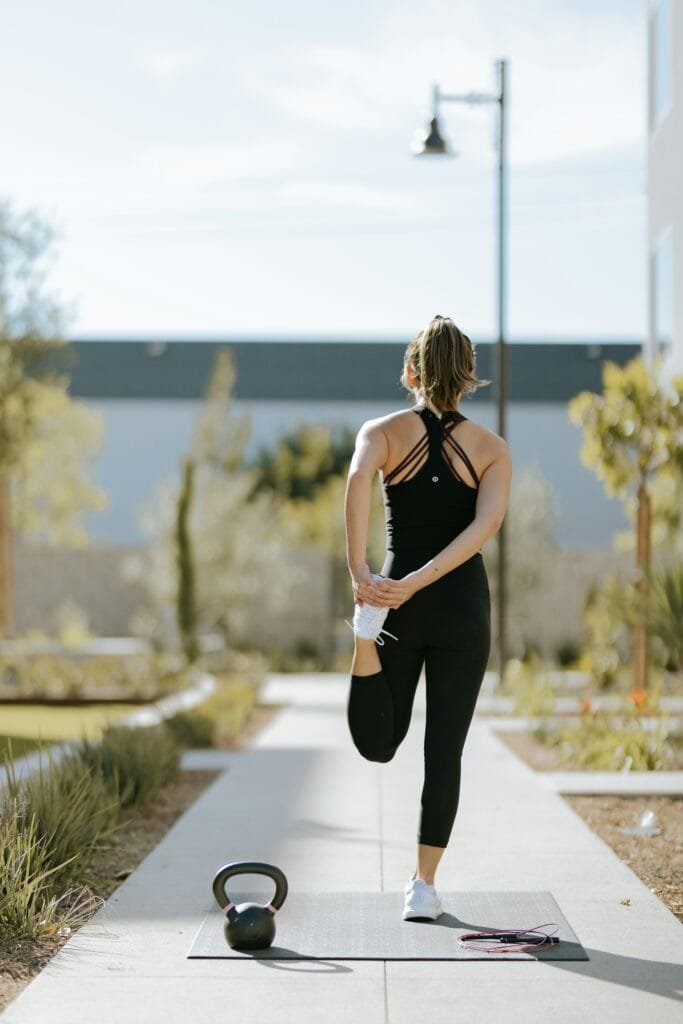
Pick one or mix several. You don’t need a gym—many effective activities require minimal equipment and can be done at home or outdoors.
How exercise acts as “meditation in motion”
When you pay attention to movement, rhythm, and breathing, exercise can mimic the effects of meditation. This is especially true for activities that involve rhythmic, repetitive motion (walking, swimming, cycling) or mindful focus (yoga, tai chi). Concentrating on physical sensations anchors you in the present moment and interrupts rumination about the past or worries about the future.
Practically, you can:
- Use breath-synchronized movements (inhale on one movement, exhale on the next).
- Focus on bodily sensations like foot strike or muscle engagement.
- Set intention before starting (e.g., “I’m moving to reset my mind for the afternoon”).
These small mental habits transform routine movement into stress-relieving practice.
Safety first: when to check with a healthcare provider
Before starting a new exercise plan, especially if you’ve been inactive or have health concerns, consult your healthcare provider. You should seek medical guidance if you:
- Have chronic conditions such as heart disease, diabetes, or respiratory illness.
- Experience chest pain, severe shortness of breath, dizziness, or fainting during activity.
- Are pregnant or recently postpartum without professional clearance.
- Are recovering from injury, surgery, or a serious illness.
Your provider can help tailor intensity, recommend specific precautions, or refer you to supervised programs if needed.
Warming up, cooling down, and recovery
To prevent injury and reduce unnecessary physiological stress:
- Warm up for 5–10 minutes with gentle aerobic movement and dynamic stretches. This increases blood flow and prepares muscles.
- Cool down with 5–10 minutes of slower movement followed by static stretching to promote flexibility and reduce stiffness.
- Prioritize sleep, hydration, and nutrition to support recovery and maintain energy for consistent activity.
- Schedule rest days and lighter weeks to avoid overtraining, which can increase stress and injury risk.
Think of recovery as part of your stress-management plan—not optional.

Strength training: how and why to include it
Strength training isn’t just for muscle gain; it supports stress resilience through improved posture, metabolic health, and self-confidence. Include resistance activities at least twice weekly, working all major muscle groups:
- Major muscle groups: legs, hips, back, chest, abdomen, shoulders, arms.
- Format examples: bodyweight exercises, free weights, resistance bands, machines.
- Reps/sets: beginners can start with 1–2 sets of 8–12 repetitions per exercise and progress gradually.
Strength training also helps protect bones and joints, supporting long-term mobility and reducing physical stress from everyday tasks.
Making activity part of your lifestyle (practical tips)
The key to stress reduction through movement is consistency. Use these practical strategies to make physical activity habitual and enjoyable:
- Set SMART goals (Specific, Measurable, Achievable, Relevant, Time-bound). For example, “Walk 30 minutes five days a week for the next 8 weeks.”
- Schedule workouts like appointments so they’re protected time in your day.
- Find a friend, group class, or community to increase accountability and social enjoyment.
- Vary activities to prevent boredom and overuse injuries — mix cardio, strength, flexibility, and balance work.
- Use short bursts: multiple 10-minute walks or 30–60 second high-intensity intervals can be highly effective when time is limited.
- Incorporate movement into daily routines: take stairs, stand when on calls, park farther away, or bike to errands.
- Track progress with simple tools: a diary, phone apps, or wearable devices can reinforce consistency.
Small, consistent efforts add up and typically produce more stress relief than sporadic high-effort sessions.
SMART goals examples
| Goal element | Example 1 (Beginner) | Example 2 (Busy schedule) |
|---|---|---|
| Specific | Walk in your neighborhood | Do three 10-minute bodyweight sessions |
| Measurable | 30 minutes per session | 10 minutes × 3 per day |
| Achievable | Walk at moderate pace | Short bursts fit into breaks |
| Relevant | Improve mood and reduce stress | Fits into workday routine |
| Time-bound | 5 days per week for 8 weeks | Every weekday for 4 weeks |
Use one of these templates or create your own to match your life.
Sample weekly plans
Below are two sample plans (moderate and vigorous) that include strength training and recovery. Adjust durations to your starting fitness and schedule.
| Day | Moderate plan (150–300 min/wk) | Vigorous plan (75+ min/wk) |
|---|---|---|
| Mon | 30-min brisk walk + 10-min core | 25-min run intervals + 10-min mobility |
| Tue | 20-min strength training (bodyweight) | 20-min HIIT (short intervals) |
| Wed | 30-min cycling or swim | 30-min vigorous group sport |
| Thu | 10-min walk + 15-min yoga | 20-min tempo run + 10-min strength |
| Fri | 30-min brisk walk | 25-min HIIT or sprint intervals |
| Sat | 45-min hike or long bike | 40-min long run or sport |
| Sun | Rest or gentle stretching/tai chi | Rest or gentle stretching |
Modify intensity and volume based on fitness and recovery needs.
Quick, effective mini-sessions
When time is tight, these short formats still reduce stress:
- 10-minute brisk walk around the block with focused breathing.
- 7-minute bodyweight circuit: squats, push-ups, lunges, planks, jumping jacks (30–60 seconds each).
- 15-minute yoga flow focusing on hip openers and deep breathing.
- 5 × 1-minute fast stair climbs with 1–2 minutes easy walking between.
These micro-sessions can be done multiple times throughout the day and add up toward your weekly totals.
Overcoming common barriers
You’ll face obstacles, and that’s normal. Here’s how to handle common ones:
- Lack of time: Use short bursts, prioritize movement where possible, and combine chores with activity (walk while you’re on phone calls).
- Low motivation: Choose enjoyable activities, recruit a friend, and track small wins.
- Physical limitations: Modify movements, use low-impact options, or work with a physical therapist.
- Weather or environment: Use indoor alternatives like home workouts or gym sessions, or try gentle indoor activities like stretching or tai chi.
- Boredom: Vary routines, listen to podcasts or music, sign up for classes, or set challenges.
Plan for setbacks and treat them as temporary. Return to your habit as soon as you can.
Signs to stop and get medical advice
While most activity is safe, stop and seek help if you experience:
- Chest pain or pressure, especially with shortness of breath.
- Severe or sudden shortness of breath not related to heavy exertion.
- Dizziness, fainting, or sudden confusion.
- New or worsening palpitations, especially if accompanied by lightheadedness.
- Sharp or worsening pain that doesn’t improve with rest.
These may indicate a medical problem requiring prompt evaluation.
Tracking progress and staying motivated
Your measures of success should include both objective and subjective markers:
- Objective: minutes per week, number of sessions, distance, weights lifted.
- Subjective: mood ratings, sleep quality, energy levels, stress ratings.
Celebrate small wins and milestones. When you feel the emotional benefits — calmer mood, better sleep, clearer thinking — that’s a powerful motivator to keep going.
How exercise complements other stress-management strategies
Physical activity works best when combined with other approaches:
- Sleep: Regular activity typically improves sleep, and good sleep makes sustaining activity easier.
- Nutrition: Balanced meals fuel workouts and recovery; avoid excess caffeine and refined sugar if stress is high.
- Mindfulness and breathing: Pair movement with breathwork or short meditations for an amplified effect.
- Social support: Connecting with others reduces loneliness and increases exercise adherence.
Think of movement as one pillar in a broader stress-management toolkit.
Modifying for age, ability, and chronic conditions
No single program fits everyone. Consider these adaptations:
- Older adults: Prioritize balance, flexibility, and low-impact cardio; include strength training to preserve muscle and bone.
- Pregnant people: Seek provider clearance and focus on pelvic floor support and safe intensities.
- Chronic illness (e.g., arthritis, heart disease): Work with providers to create a safe, progressive plan and prioritize joint-friendly options.
- Injury recovery: Follow physical therapy guidance, start with range-of-motion and low-load exercises.
Individualized adjustments ensure safety and maximize benefit.
Combining mental focus with movement (practical exercises)
Try these simple practices to make movement more mentally restorative:
- Box breathing while walking: 4-second inhale, 4-second hold, 4-second exhale, 4-second hold.
- Single-task movement: Leave your phone behind and notice sensations for 10 minutes.
- Gratitude walk: Name three things you appreciate while you walk.
- Movement mantra: Repeat a short calming phrase in rhythm with steps or breaths.
These techniques help break rumination and increase the mental return on physical activity.
Common myths and misconceptions
You may have heard several myths about exercise and stress; here’s the truth:
- Myth: You need to sweat for 60 minutes to get benefits. Fact: Short bursts and moderate sessions still improve mood and reduce stress.
- Myth: Cardio is the only stress reliever. Fact: Strength, yoga, and mindful movement also help strongly.
- Myth: Exercise increases stress by adding physical strain. Fact: While overtraining can increase stress, moderate and well-planned activity reduces chronic stress responses.
- Myth: You need a gym or special equipment. Fact: Many effective activities require no equipment and can be done at home or outdoors.
Use realistic expectations and flexible approaches that fit your life.
Frequently asked questions
Q: Can exercise completely eliminate stress? A: No, but it substantially reduces the intensity and harms of stress and improves your ability to cope.
Q: How quickly will I feel benefits? A: You may notice mood improvements after a single session; consistent practice brings more lasting changes in weeks to months.
Q: Is it better to exercise in the morning or evening? A: Both times offer benefits. Morning workouts can boost energy and mood for the day; evening sessions can relieve accumulated stress. Choose what fits your schedule.
Q: What if I have only 10 minutes? A: Do a focused 10-minute brisk walk or bodyweight circuit; short sessions are meaningful and count toward your weekly totals.
Q: How do I avoid burnout or overtraining? A: Include rest days, monitor sleep and mood, vary intensity, and reduce volume if you feel persistent fatigue or mood changes.
Final practical checklist
Use this short checklist to get started and stay consistent:
- Get medical clearance if you have health concerns.
- Choose activities you enjoy and can do regularly.
- Aim for at least 150 minutes of moderate or 75 minutes of vigorous activity per week.
- Add strength training for all major muscle groups twice weekly.
- Schedule workouts, set SMART goals, and track progress.
- Mix activities, use short bursts when needed, and prioritize recovery.
- Stop and seek help if you have serious symptoms during activity.
When you make movement a regular habit, you give yourself a reliable tool to manage stress and boost overall wellbeing.
Closing thoughts
You don’t need an extreme routine to feel better. Small, consistent actions—walking to clear your head, rolling out a quick yoga flow, or doing a few sets of squats—will compound into real improvements in mood, sleep, and resilience. Focus on what you can do regularly, prioritize safety, and let the activity that fits your life become a dependable way to reduce stress.