Simple Body Wellness Routines You Can Do Daily
Simple Body Wellness Routines You Can Do Daily. This article gives friendly, practical routines you can use every day to support your physical well-being. You’ll find short practices for morning, daytime, and evening that are easy to fit into a busy schedule. Each section explains why the habit matters and how to do it.

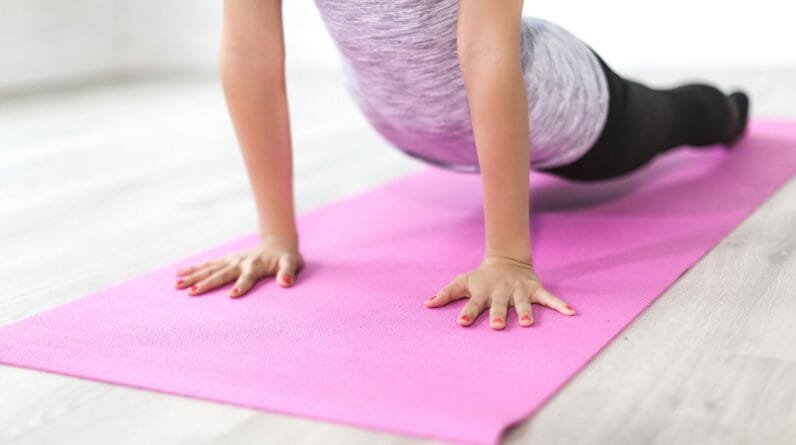
This image is property of images.pexels.com.
Why daily body wellness routines matter
Your body responds best to consistent, small actions rather than rare, dramatic fixes. Daily routines create momentum, reduce stress, improve sleep, support mobility, and help prevent injury. When you commit to brief, manageable practices, you build resilience that compounds over weeks and months.
How to use these routines
You don’t have to follow every routine every day. Pick a few that match your schedule and energy level, then gradually add more as they become automatic. This article gives full routines you can follow, plus mini-versions for days when time is limited.
Core principles to keep you consistent
Consistency beats intensity. Small actions done often produce better results than occasional intense sessions. Focus on habit stacking—attach a new routine to something you already do. For example, do a quick stretch after brushing your teeth or practice mindful breathing every time you wait for your kettle to boil.
The physiology behind simple daily practices
When you move regularly, even gently, you keep joints nourished, muscles flexible, and circulation strong. Short periods of deep breathing lower your heart rate and promote relaxation. Proper hydration and nutrition fuel cellular repair. Sleep and recovery allow hormone balance and tissue regeneration. Together, these elements support a sustainable baseline of health.
Morning routines to start your day well
Your morning routine sets the tone for energy, clarity, and posture. Even five to 20 minutes can shift your day positively. Pick a morning routine that feels pleasant and non-negotiable.
Gentle wake-up movement (3–5 minutes)
Gentle movement gets blood flowing and reduces morning stiffness. Try spinal twists, shoulder rolls, and ankle circles while still in bed or right after standing. These movements gradually increase blood flow to major muscle groups and prime your nervous system.
Morning stretches (5–10 minutes)
Spend a few minutes stretching major muscle groups: hamstrings, calves, hips, chest, and neck. Hold each stretch for 20–30 seconds and breathe smoothly. This practice improves flexibility over time and reduces the risk of musculoskeletal pain.
Breathing and short mindfulness (2–5 minutes)
A short breathing practice clears your mind and sets intent for the day. Try box breathing (inhale 4 counts, hold 4, exhale 4, hold 4) for a few rounds, or simply take three deep diaphragmatic breaths. This reduces cortisol spikes and supports focus.
Drink a glass of water within 30 minutes of waking to rehydrate after sleep and support digestion and metabolism. Add lemon if you like the taste and gentle alkalizing benefits.
Midday routines to sustain energy
Midday habits keep you productive and reduce afternoon slumps. These routines are designed to interrupt long periods of sitting and refresh your body and mind.
Micro-breaks for movement (every 30–60 minutes)
Stand up, stretch, or take a 1–3 minute walk every half hour to hour. Frequent brief movement improves circulation, reduces stiffness, and helps with digestion. Use a timer or app to remind you if you tend to forget.
Desk stretches and posture checks (3–5 minutes)
Perform a few desk-friendly stretches: neck tilts, seated cat-cow, chest opener, and wrist stretches. Check that your screen is at eye level, shoulders are relaxed, and feet are flat. Small posture corrections reduce tension in your neck, shoulders, and lower back.
Midday nutrition and mindful eating (10–20 minutes)
Choose balanced meals with protein, healthy fats, and complex carbohydrates to maintain steady energy. Eat away from screens when possible and take at least 10 minutes to savor your food. Mindful eating supports digestion and prevents overeating.
Short energizing walk or mobility session (10–20 minutes)
A brisk 10-minute walk or a short mobility routine recharges your focus and supports cardiovascular health. Include dynamic movements like leg swings, hip circles, and ankle mobility to keep joints healthy.
Evening routines for recovery and rest
Evening routines help you wind down, improve sleep quality, and support tissue recovery. Aim for calm, restorative practices in the hour before bed.
Unwinding movement and gentle stretching (5–10 minutes)
A short low-intensity mobility session helps release tension accumulated during the day. Focus on hips, lower back, and shoulders—areas that commonly hold stress. Gentle yoga poses like child’s pose, supine twist, and legs-up-the-wall can be soothing.
Breathing and relaxation (5–10 minutes)
Practice progressive muscle relaxation or deep diaphragmatic breathing to lower heart rate and quiet your mind. Try a 4-7-8 breathing pattern (inhale 4, hold 7, exhale 8) for several cycles to encourage sleep onset.
Sleep hygiene checklist (5 minutes)
Create a bedtime routine that signals rest: dim the lights, reduce screen time at least 30 minutes before bed, and keep your bedroom cool and quiet. Consistent sleep-wake times help regulate your circadian rhythm and improve sleep quality.
Nutrition basics that support daily body wellness
Food fuels everything you do. Simple nutritional choices each day can improve energy, reduce inflammation, and support recovery.
Eat a balanced plate
Aim for a mix of protein, healthy fat, fiber-rich carbs, and colorful vegetables at each meal. Protein supports muscle repair; fats support hormone balance; fiber and veggies support digestion and immune health.
Regular small meals or timed meals
Some benefit from three balanced meals per day; others prefer smaller, more frequent meals. Choose the pattern that stabilizes your energy and appetite. Avoid long stretches of undereating or overindulging late at night.
Hydration strategies
Drink water regularly throughout the day. A general guideline is to aim for water intake that keeps urine pale yellow. Include hydrating foods like fruits and vegetables. If you exercise or live in a hot climate, increase fluids and consider electrolyte supplementation when needed.
Reduce inflammatory foods gradually
High-sugar processed snacks and excessive refined carbohydrates can promote inflammation. Gradually replace these with whole-food snacks like nuts, fruit, yogurts, or hummus with veggies. Small shifts lower systemic inflammation over time.

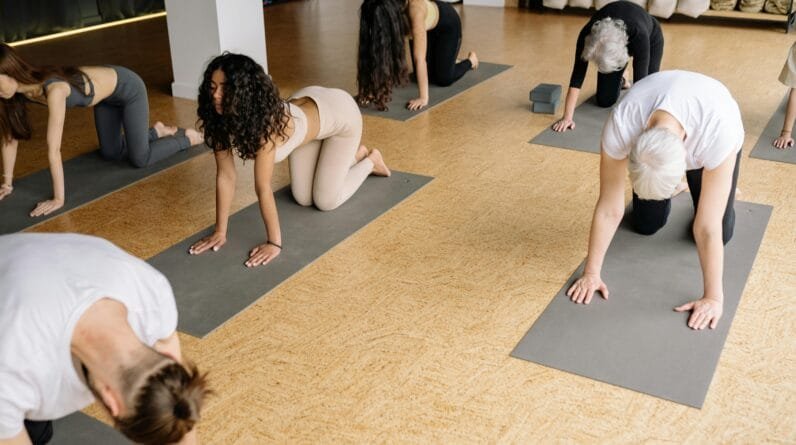
This image is property of images.pexels.com.
Movement and exercise routines you can do daily
Daily movement doesn’t have to be a long gym session. Short, focused practices maintain strength, mobility, and cardiovascular health.
Daily strength mini-session (10–20 minutes)
You can preserve and build muscle with simple bodyweight exercises. Try a circuit: squats, push-ups (inclined if needed), glute bridges, and plank holds. Perform 2–3 rounds of 8–15 reps depending on your level. Strength supports metabolism, posture, and joint stability.
Mobility practice (5–10 minutes)
Work through joint-friendly mobility drills with slow, controlled motions: hip circles, thoracic rotations, ankle dorsiflexion drills. Mobility improves range of motion and reduces injury risk.
Low-impact cardio options (10–30 minutes)
Choose a daily low-impact cardio you enjoy: brisk walking, cycling, elliptical, or swimming. Even 15–20 minutes elevates heart rate sufficiently to benefit cardiovascular health and mood.
Incorporate movement into daily tasks
Take stairs, park farther away, walk during phone calls, or do calf raises while brushing your teeth. These micro-movements add up over the day and support your overall activity level.
Simple stretching routine (full-body) — step-by-step
A short routine you can follow anywhere to reduce tension and improve flexibility.
- Neck circles and tilts (30 seconds each side): release neck tension by moving slowly and breathing deeply.
- Shoulder rolls (30 seconds): forward and backward to loosen upper back and shoulders.
- Standing hamstring stretch (30 seconds each leg): hinge at hips and reach toward shins, keeping spine long.
- Quad stretch (30 seconds each side): hold ankle behind you and keep knees close together to protect your knee joint.
- Hip flexor lunge (30 seconds each side): kneel on one knee and push hips forward to open the front of the hip.
- Seated spinal twist (30 seconds each side): sit tall and rotate gently to mobilize the spine.
- Child’s pose (60 seconds): rest and lengthen the lower back and hips.
Repeat or hold slightly longer on areas that feel tight.
Breathing and stress-management techniques
Breathing practices are among the simplest daily tools with outsized benefits for stress, sleep, and physical tension.
Diaphragmatic breathing
Place one hand on your chest and one on your belly. Breathe in so your belly rises more than your chest. Exhale fully. Practice for 3–5 minutes when you need calm.
Box breathing
Inhale for 4 counts, hold 4, exhale 4, hold 4. Repeat 4–6 times to steady your nervous system and increase focus.
Progressive muscle relaxation
Tense each major muscle group for 5 seconds, then release. Move from feet to face or vice versa. This helps you notice and release physical tension.
Posture and ergonomics for daily comfort
Your daily posture affects comfort, breathing, and long-term joint health. Small ergonomic adjustments reduce strain.
Desk setup basics
Place your monitor at eye level, keep your back supported, shoulders relaxed, and feet flat. Use a chair that supports the natural curve of your lumbar spine or add a small cushion.
Standing desk tips
If using a standing desk, alternate between standing and sitting every 30–60 minutes. Keep slight knee flex and avoid locking your joints. Wear comfortable shoes with supportive soles.
Carrying and lifting
When lifting, hinge at hips and knees rather than rounding your lower back. Keep the load close to your body and avoid twisting while lifting.
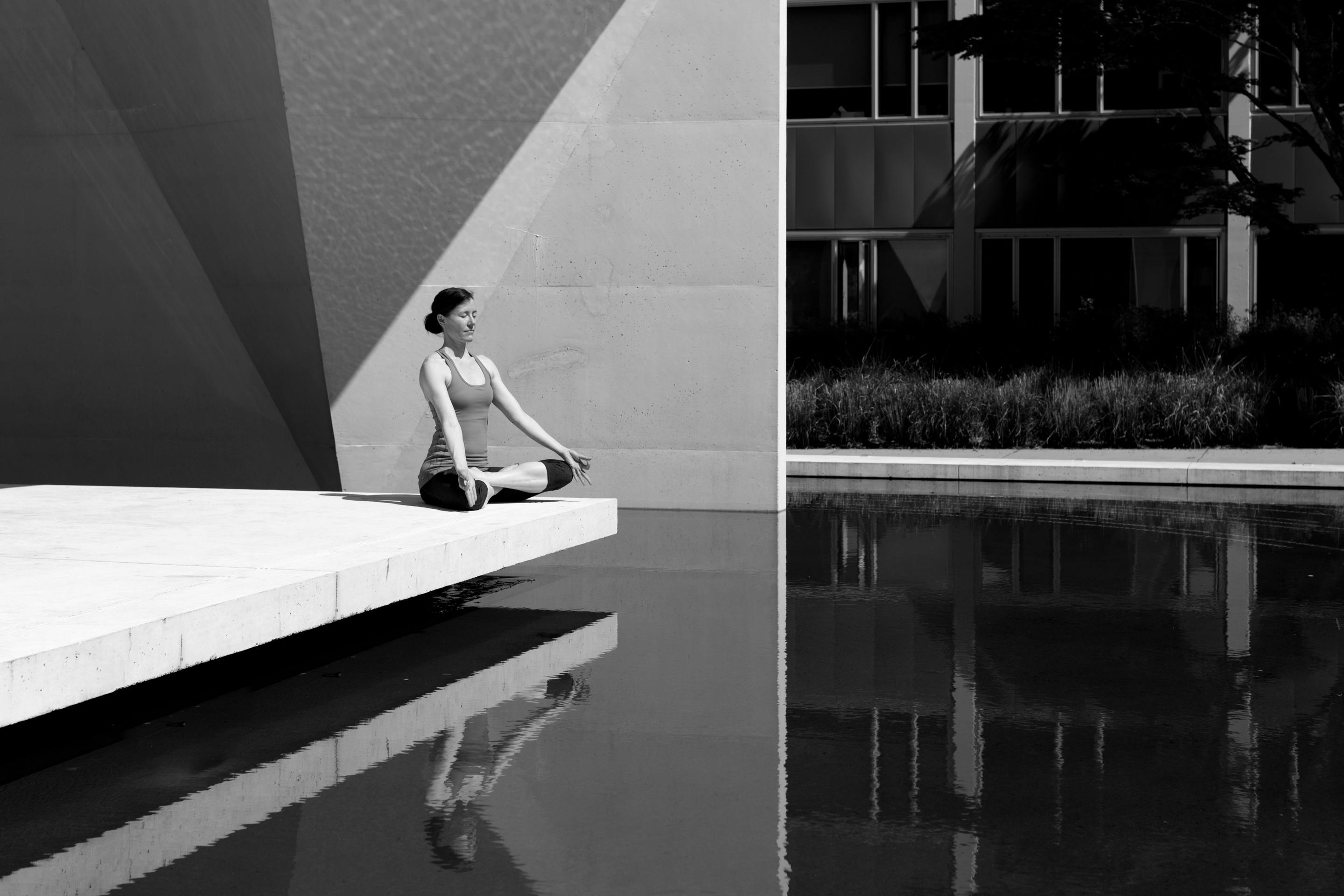
This image is property of images.pexels.com.
Skin, hydration, and simple self-care rituals
Daily self-care extends beyond movement—your skin, hydration, and small grooming rituals contribute to well-being.
Daily skin routine (2–5 minutes)
Cleanse, moisturize, and apply sunscreen each morning. At night, cleanse and use a gentle moisturizer. Protection from UV rays is one of the most important things you can do for long-term skin health.
Foot care and circulation
Soak and massage your feet occasionally, including rolling a tennis ball under your arches for circulation and relief. Keep toenails trimmed and moisturize to prevent issues.
Simple self-massage techniques
Use your hands or a foam roller to address tight spots: calves, IT band (carefully), upper back, and glutes. Start gently and increase pressure as tolerance allows.
Tracking progress and staying motivated
Keeping a simple log helps you stay accountable and notice benefits.
Use a habit tracker or journal
Write down which routines you did each day and how you felt afterward. Small positive feedback reinforces consistency.
Set realistic goals
Aim for consistency over perfection. A reasonable target is to successfully complete a short set of routines 5–6 days per week. Adjust as life circumstances change.
Pair habits with rewards
Reward yourself for consistency with simple pleasures: a relaxing bath, quality time with a loved one, or a favorite healthy snack.
Sample daily routines (practical templates)
Below are a few practical routines you can adapt to your schedule. Each includes time estimates.
Quick 10-minute morning routine (time-efficient)
- 1 minute hydration (glass of water)
- 3 minutes gentle wake-up movement (spinal twists, shoulder rolls)
- 3 minutes morning stretching (hamstrings, chest, neck)
- 3 minutes breathing/mindfulness (box breathing)
This fast routine boosts mobility and focus without long commitments.
20–30 minute balanced routine (morning or evening)
- 3 minutes warm-up mobility
- 10–15 minutes strength or cardio (bodyweight circuit or brisk walk)
- 5 minutes targeted stretching
- 3 minutes breathing/cool-down
This routine supports strength, flexibility, and recovery.
Office micro-routine (5–10 minutes)
- 1 minute hydration
- 2 minutes desk stretches (neck, shoulders, wrists)
- 2–3 minute walk or stair climb
- 1–2 minutes breathing or grounding exercise
Perfect for breaking long sitting periods and refocusing.
Table: Quick reference for routines and time commitment
| Routine type | Time | Key actions |
|---|---|---|
| Morning quick start | 10 min | Hydration, gentle movement, stretches, breathing |
| Full morning | 20–30 min | Warm-up, strength/cardio, stretch, breathing |
| Midday micro-break | 5–10 min | Walk, desk stretches, posture reset |
| Evening wind-down | 10–20 min | Gentle mobility, stretching, breathing, sleep prep |
| Strength mini-session | 10–20 min | Bodyweight circuit 2–3 rounds |
| Mobility session | 5–10 min | Joint drills and active stretching |
Use this table to choose a routine based on the time you have.
Common barriers and how to overcome them
You’ll encounter days when motivation is low, time is scarce, or energy is limited. The goal is to reduce friction and make it easy to do something small rather than nothing.
Time constraints
Short, high-value practices are better than none. Commit to one minute of movement or two minutes of breathing when time is tight. These brief actions maintain momentum.
Low motivation
Attach a new practice to an existing habit (habit stacking). Choose routines you enjoy to boost intrinsic motivation. Be compassionate—missed days don’t erase progress.
Physical discomfort or pain
If you have chronic pain or specific health conditions, consult a healthcare professional before starting a new routine. Focus on gentle mobility, pain-free range of motion, and low-impact choices while you work with a specialist.
Modifying routines for special circumstances
You can adapt these routines to pregnancy, aging, injury recovery, or limited mobility. Prioritize safety and comfort.
Pregnancy
Choose low-impact cardio, pelvic floor work, and gentle stretching. Avoid prone positions after the first trimester and heavy lifting. Seek guidance from a prenatal exercise specialist.
Older adults
Emphasize balance, mobility, gentle strength, and fall-prevention routines. Use chair-based exercises and light resistance to maintain muscle mass safely.
Injury or recovery
Work with a physical therapist to design appropriate progressions. Focus on pain-free exercises, gradual loading, and activity that preserves range of motion.
Frequently asked questions
Here are quick answers to common questions you might have about daily wellness routines.
How long until I see benefits?
You can notice immediate effects—better mood, reduced stiffness—after a single session. More noticeable physical changes (strength, flexibility) typically appear over 4–12 weeks with consistent practice.
Is it better to do everything in the morning or spread throughout the day?
Both approaches work. Morning routines create momentum; spreading activities prevents long sitting periods and maintains energy. Choose what fits your lifestyle.
Can I skip strength work if I walk every day?
Walking is excellent for cardiovascular health but doesn’t build or maintain strength the way resistance-based exercise does. Include brief strength sessions 2–3 times per week to preserve muscle.
Safety considerations
Always listen to your body. If a movement causes sharp pain, stop and reassess. Warm up before vigorous activity and cool down after. Stay hydrated and seek medical clearance if you have significant health issues.
Building a weekly wellness plan
Design a simple weekly template combining the routines above. For example:
- Monday: Strength mini-session + mobility (20 min)
- Tuesday: Brisk walk + stretching (30 min)
- Wednesday: Mobility and breathing (15 min)
- Thursday: Strength mini-session + posture work (20 min)
- Friday: Low-impact cardio + stretching (30 min)
- Saturday: Active recovery (light walk, foam rolling, 20 min)
- Sunday: Rest or gentle mobility (10–15 min)
Adjust intensity and duration to fit your fitness level and recovery needs.
Long-term benefits you can expect
With consistent daily practices you’ll likely notice better sleep, more energy, fewer aches and pains, improved posture, and greater mental clarity. Over months and years, these small habits reduce the risk of chronic disease and support overall quality of life.
Final tips to make routines stick
- Start small and build gradually. A 2-minute habit is easier to maintain than a 60-minute one.
- Habit-stack by attaching routines to established daily anchors (tooth brushing, morning coffee).
- Keep a visible prompt or checklist to remind yourself.
- Be flexible—some days require shorter routines; that’s still progress.
- Celebrate consistency rather than perfection.
Resources and further reading on Simple Body Wellness Routines You Can Do Daily
If you want to extend what you’re doing, consult reliable sources like physiotherapists, certified trainers, sleep specialists, and registered dietitians. Consider apps for habit tracking, guided breathing, or short workouts to keep variety and accountability.
You now have a set of practical, evidence-based routines to help you care for your body each day. Start with one or two small changes, be consistent, and adjust them to suit your life. Small daily actions add up to meaningful, long-lasting wellness.