0 Reviews
? Do you want to make everyday tasks easier, improve your balance, and build strength without leaving home?
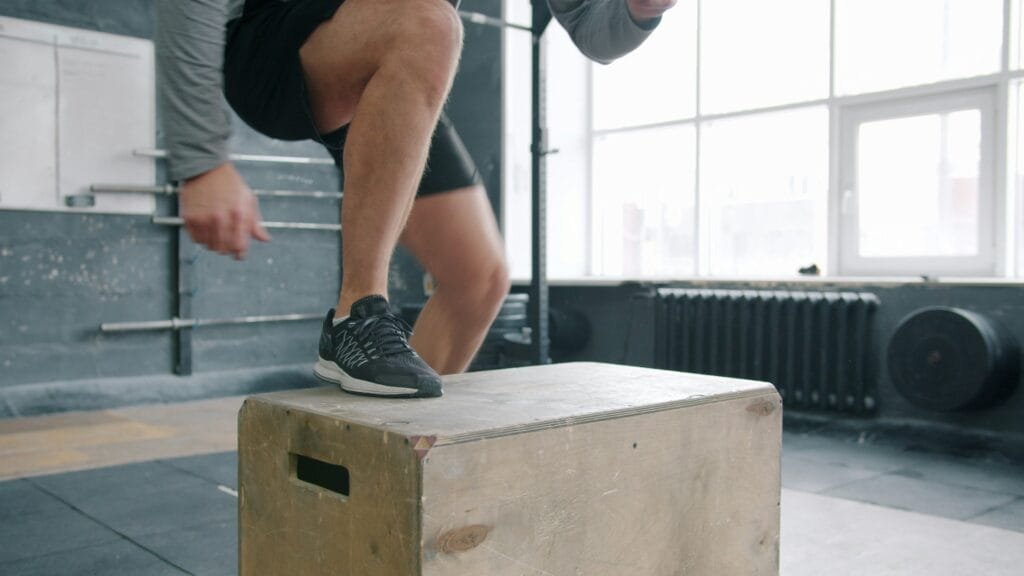
Strength training at home for daily function and balance
This article is based on guidance from the British Heart Foundation (Jack Heseltine, Clinical Exercise Physiologist), updated 18 June 2024, and is written to help you set up a safe, effective home strength program that supports daily function and reduces your risk of falls. You’ll find practical sessions, clear safety steps, progressions, and no-equipment options that fit a busy life.
What is strength (resistance) training?
Strength or resistance training includes exercises that make your muscles work harder than usual so they get stronger, bigger, more powerful, or more enduring. You’ll use your own bodyweight, resistance bands, dumbbells, or common household items to provide resistance that challenges your muscles.
These exercises don’t have to be complicated to be effective; consistent, correctly performed movements are what build capacity for everyday tasks like carrying shopping, climbing stairs, and getting up from a chair.
Why strength training helps daily function and balance
Strength training improves your ability to perform everyday tasks, slows age-related bone and muscle loss, and improves balance—thereby reducing falls. It also helps lower your risk of heart and circulatory disease and supports mental wellbeing.
When your muscles and bones are stronger, everyday activities become easier and less tiring. Better strength and balance together mean you’re less likely to trip or fail to recover when you lose your balance.
How often and how long should you train?
Aim for strength sessions at least twice a week, with at least one full day of recovery between sessions for the same muscle groups. You should also target about 150 minutes a week of moderate aerobic activity (for example brisk walking), spread across the week.
Short sessions count. You can get meaningful benefits from 10-minute home strength sessions if you do them consistently and with adequate intensity. Two to three short sessions per week can fit into your life and still build strength over time.
Repetitions, sets, and pacing
Aim for about 8–15 repetitions per exercise if your goal is general strength and daily function. Move slowly and in control; a useful timing is around 2 seconds for the lifting or pushing phase and 2 seconds for the release or lowering phase.
Try 1–3 sets per exercise to start. As you get stronger, increase the number of sets, repetitions, or the resistance (weight or band tension). If you can do more than 15 repetitions easily, it’s time to make the exercise harder.
Breathing and safety while you train
Breathe out on the effort (for example, as you stand up or push away) and don’t hold your breath. You should be able to speak while exercising; if you can’t, you’re working too hard and should slow down or rest.
If you’re new to exercise, have existing medical conditions, or aren’t sure whether strength training is safe for you, check with your doctor or another health professional before you start. Stop and rest if you feel dizzy, unusually breathless, or have chest pain or other worrying symptoms.
Equipment you can use at home
You don’t need special equipment to get stronger. Here are realistic options you can use at home:
- Bodyweight: your own weight is often enough, especially for beginners.
- Resistance bands: inexpensive, portable, and easy to progress with.
- Dumbbells: useful but optional; household items are fine substitutes.
- Household items: water bottles, tins, or bags of rice can act as weights.
Use a sturdy, firm chair for seated moves and a stable surface for balance support when needed.
How to progress and modify exercises
You should be able to make every exercise easier or harder depending on your level. Make exercises easier by reducing the range of motion, doing them seated, or holding on for balance. Make them harder by working one leg at a time, adding weight, increasing range of motion, or increasing repetitions or sets.
Progress gradually. Increase intensity only when you can complete the prescribed reps with good form and without breathlessness or pain.
Safety checklist before you begin
Follow this quick checklist each time you train:
- You can speak normally while exercising—if not, slow down.
- Breathe out on the effort; don’t hold your breath.
- Use a firm, stable chair or surface if you need support.
- Clear the area of trip hazards.
- Stop and seek medical attention if you experience chest pain, fainting, or severe shortness of breath.
- Check with a healthcare professional if you have a new health condition, unstable blood pressure, recent surgery, or active heart problems.
How to structure a short 10-minute session
You can structure a 10-minute routine so it includes a warm-up, two or three strength exercises targeting different muscle groups, and a short cool-down or mobility move. For example:
- 1–2 minutes warm-up: marching on the spot, gentle heel raises, or arm circles.
- 6–8 minutes strength work: two or three exercises (e.g., sit-to-stand, wall push-ups, glute bridges) performed in 2–3 sets or in a circuit.
- 1 minute cool-down: gentle stretching or breathing.
Short sessions work best when you focus on controlled movement and progressive overload over time rather than speed.
Example no-equipment exercises you can do at home
Below is a practical list of bodyweight movements you can use in a 10-minute routine. Each exercise includes a simple description and quick tips for form.
| Exercise | Muscles targeted | How to do it | Easier modification | Harder progression |
|---|---|---|---|---|
| Sit-to-stand | Quads, glutes, hamstrings, core | From a firm chair, stand up fully and sit down slowly | Use a higher chair or push up with hands | Hold weight, lower chair height, do single-leg stands |
| Heel raises (calf raises) | Calves | Stand near a surface for balance, rise onto toes, lower slowly | Hold a surface and use smaller range | Single-leg heel raises, add weight |
| Standing side leg lifts | Hip abductors, glutes | Stand upright, lift one leg out to the side slowly, control back | Hold a surface, smaller lift | Add ankle weight or pause at top |
| Split squat (stationary lunge) | Quads, glutes, hamstrings | One foot forward, one back; lower until front thigh is near parallel, then rise | Reduce depth, use support | Add weight or perform walking lunges |
| Glute bridge | Glutes, hamstrings, lower back | Lie on your back, knees bent, lift hips to form a straight line | Do half-range lifts or single-leg bridges | Single-leg bridge or add weight on hips |
| Wall push-up | Chest, shoulders, triceps, core | Stand facing a wall, hands on wall, perform a push-up | Stand further back or use a countertop | Move to incline or floor push-ups |
| Seated forward punches | Shoulders, upper chest, core | Sit upright, punch forward alternately, keep core engaged | Punch slowly, reduce range | Hold small weights or increase speed |
| Seated biceps curls | Biceps | Sit on chair, curl an object (bottle, can) towards shoulder | Use lighter object | Use heavier weight or do standing curls |
| Single-leg stand | Balance, hip stabilizers | Stand on one leg, maintain balance for 10–30 seconds | Hold a surface for light touch | Close eyes or reduce support time |
Under each exercise, focus on slow, controlled repetitions—about 2 seconds to lift and 2 seconds to lower.
A sample 10-minute routine you can repeat daily
You can use the following short routine on days when you don’t have time for longer training. Aim for 8–15 reps per exercise and 2 sets each, resting 30–60 seconds between sets.
- Warm-up (1 minute)
- March on the spot or do gentle step touches for 60 seconds.
- Sit-to-stand (2 minutes)
- 2 sets of 8–12 reps, slow controlled movement.
- Wall push-ups (2 minutes)
- 2 sets of 8–15 reps.
- Glute bridges (2 minutes)
- 2 sets of 10–15 reps.
- Standing side leg lifts (2 minutes)
- 2 sets of 10–12 reps per leg.
- Cool-down and breathing (1 minute)
- Gentle ankle circles, shoulder rolls, and deep breaths.
If you have more time, add a set or include a seated biceps curl and heel raises.
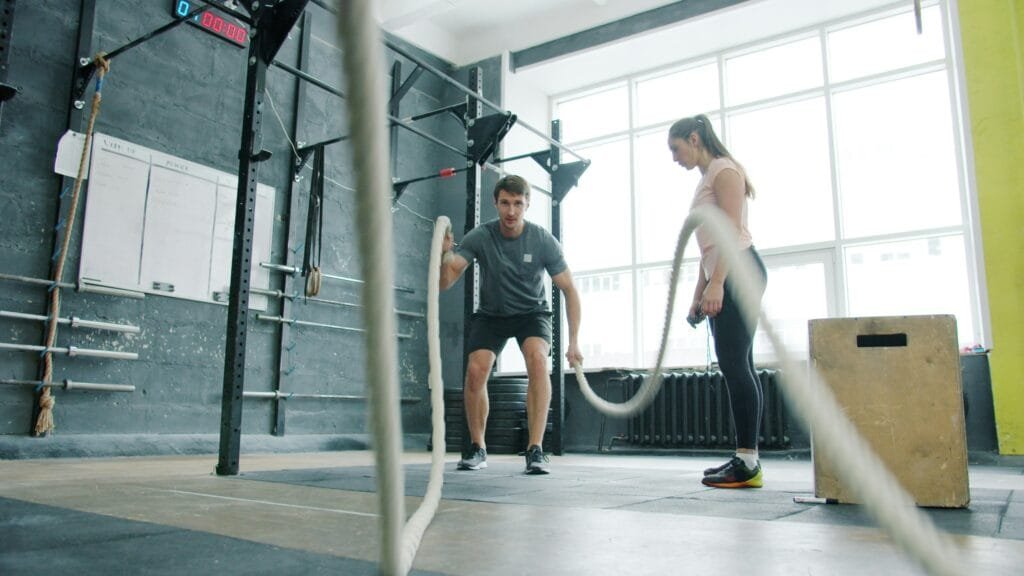
Putting together a weekly plan for function and balance
A simple weekly plan balances strength and aerobic activity. You can adjust times to suit your schedule.
Example weekly plan:
- Monday: 10-minute strength session (lower-body focus)
- Tuesday: 20–30 minutes brisk walking (aerobic)
- Wednesday: Rest or gentle stretch/yoga
- Thursday: 15–20 minute strength session (full-body)
- Friday: 20–30 minutes brisk walking or other aerobic activity
- Saturday: 10–15 minute balance and core session (single-leg stands, heel-to-toe walk)
- Sunday: Rest or light activity
Try to do at least two strength sessions each week, with a full day between sessions targeting the same muscle groups.
How to progress your training safely
Progress slowly and consistently. Use one or more of these methods:
- Increase repetitions within the 8–15 target range until you reach 15–20, then increase resistance.
- Add a third set once two sets become easy.
- Add small household weights (water bottles, tins) or resistance bands.
- Reduce assistance: move from seated to standing, or hold on lightly instead of full support.
- Introduce unilateral (single-leg or single-arm) versions of exercises to increase challenge and improve balance.
Monitor how your body responds. Muscle soreness that lasts a day or two is normal; sharp pain or dysfunction is not.
Modifications for common needs
If you have joint pain, limited mobility, or are recovering from injury, you can still do strength work with appropriate adjustments.
- Knee pain: reduce squat depth, use a higher chair, or do partial sit-to-stand.
- Back pain: avoid heavy forward bends; prioritize glute bridges and controlled standing moves.
- Poor balance: hold onto a countertop or chair for light support, perform seated versions first.
- Low energy or recent illness: reduce volume and intensity, focus on fewer exercises or shorter sessions.
If you have a long-term condition (e.g., heart disease, arthritis, diabetes), ask your healthcare provider for tailored advice.
Tips specifically for improving balance
Balance improves with specific practice and is strengthened by the same lower-body exercises that build muscle. You can include small balance-focused drills in your routine.
- Practice single-leg stands for 10–30 seconds, 2–3 times per leg. Use a wall or chair for light touch if needed.
- Try heel-to-toe walking along a straight line for 10–20 steps to challenge coordination.
- Progress to single-leg stands with head turns or closing your eyes for a short time (only when safe).
- Include hip abductor work (standing side leg lifts) and calf strength (heel raises) to support ankle and hip stability.
Balance training should be done frequently—several short practice bouts across the week are effective.
How strength training reduces falls
Stronger muscles let you respond more quickly and effectively when you stumble. Improving ankle, hip, and core strength gives you a bigger buffer to keep your centre of mass stable, while practicing balance enhances your reflexive reactions.
You’ll benefit most when strength work targets the muscles you use to stand, step, and recover balance—calves, quads, glutes, hips, and core.
Practical tips for exercising at home
- Create a small safe space free from trip hazards.
- Use a firm chair and a stable surface for support when needed.
- Wear comfortable clothes and supportive shoes if standing.
- Keep small weights or filled bottles in a reachable place to encourage use.
- Track your exercises and progress in a simple notebook or app; seeing improvements motivates you.
- Aim for consistency—short, frequent sessions beat occasional long workouts.
What to do if you feel unwell or have symptoms
Stop exercising if you feel chest pain, fainting, severe breathlessness, sudden dizziness, or new, unexplained aches. Seek medical help promptly for serious symptoms.
If you start a strength program and have known heart or circulation problems, uncontrolled high blood pressure, or other serious health issues, consult your doctor before starting and ask about any restrictions.
Sample progressions over 12 weeks
A gradual 12-week approach helps you build a habit and reduce injury risk. Here’s an example framework:
- Weeks 1–2: 10-minute sessions, 2 strength sessions/week, bodyweight only, 1–2 sets of 8–12 reps.
- Weeks 3–6: Increase to 2–3 sets, add another short session or increase reps, introduce household weights or bands.
- Weeks 7–10: Start single-leg/arm variations and increase resistance; aim for two more demanding sessions per week.
- Weeks 11–12: Add more balance drills, increase load in key lifts, and aim to maintain strength while adding 150 minutes of aerobic activity weekly.
Adjust pace according to how you feel and recover between sessions. You’ll likely notice improvements in daily tasks before large strength gains.
A simple equipment substitution table
If you don’t have gym gear, these common items work well as alternatives.
| Gym gear | Household substitute | Notes |
|---|---|---|
| Dumbbell | Filled water bottle or tin | Use both hands or both bottles for heavier weight |
| Kettlebell | Small backpack filled with books | Hold by the top for swings or goblet squats (careful with form) |
| Resistance band | Old pantyhose or towel for light resistance | Bands give progressive resistance; improvisations are less precise |
| Ankle weight | Reusable bag with cans or rice | Keep secure and balanced on the limb |
| Step platform | Low, sturdy step or bottom stair | Ensure non-slip surface |
Always check that improvised equipment is secure and won’t slip during use.
Troubleshooting common problems
If you feel pain in a joint rather than muscle fatigue, stop the exercise and try a modified version. Pain that persists or worsens needs professional assessment.
If you’re not seeing progress, consider whether you’re using sufficient resistance or progressing slowly enough. You should feel challenged in the last few reps of each set without sacrificing form.
If balance exercises feel intimidating, start seated and transition to light standing support before trying unsupported single-leg work.
Combining strength with aerobic activity
Strength training complements aerobic activity. The government guidance of about 150 minutes per week of moderate aerobic exercise can be met by brisk walking, cycling, or swimming. Strength sessions twice a week improve functional capacity, reduce falls, and support bone health.
You can pair a short strength session with a brisk walk on the same day or separate them into different days, depending on your schedule and recovery needs.
Benefits to mental wellbeing
Strength training can boost your mood, reduce anxiety, and improve confidence in your ability to perform daily tasks. Achieving small goals—like completing a set or increasing reps—supports motivation and mental resilience.
Regular movement also helps sleep, concentration, and stress management, and the social element (if you exercise with a partner or online group) adds extra support.
Notes for older adults
Strength training is particularly valuable as you age because it slows muscle and bone loss and helps preserve independence. Start gently, focus on functional moves (sit-to-stand, step-ups, carrying objects), and practice balance regularly.
You may need longer recovery between sessions, and progress may be slower—this is normal. Check with a healthcare provider if you have significant medical conditions or fall risk concerns.
Example full-body session (15–20 minutes)
If you can extend beyond 10 minutes, the following session covers major muscle groups and balance work. Aim for 8–12 reps per exercise, 2 sets.
- Warm-up (2 minutes): March and shoulder rolls.
- Sit-to-stand (2 sets, 8–12 reps)
- Wall push-ups (2 sets, 8–12 reps)
- Glute bridges (2 sets, 10–15 reps)
- Standing side leg lifts (2 sets, 10 reps per leg)
- Seated biceps curls (2 sets, 10–12 reps)
- Heel raises (2 sets, 12–15 reps)
- Single-leg stand (2 x 20–30 seconds per leg)
- Cool-down (2 minutes): Gentle stretches and deep breaths.
This routine builds strength for daily tasks and includes balance practice to reduce the risk of falls.
Monitoring your progress
Track simple markers:
- Can you do more reps or sets than before?
- Are daily tasks (carrying shopping, climbing stairs) easier or less tiring?
- Do you feel steadier when walking or standing?
- Can you hold a single-leg stand for longer?
Use a diary or phone app to note exercises, sets, and any symptoms. Regularly review and adjust your plan.
When to get professional help
Consult a physiotherapist or clinical exercise professional if you:
- Have recent injuries or surgery affecting movement.
- Have unstable cardiovascular conditions.
- Need a tailored program because of chronic pain or neurological conditions.
- Want to progress to heavier lifting with safe technique.
For most people though, simple home routines are safe and effective when performed carefully.
Quick takeaways
- Strength training at home improves daily function, balance, and wellbeing.
- Aim for at least two strength sessions per week and about 150 minutes of moderate aerobic activity weekly.
- You can get benefits from short 10-minute sessions using bodyweight or simple household items.
- Focus on controlled movement, proper breathing, and gradual progression.
- Practice balance regularly to reduce fall risk and include functional moves like sit-to-stand and heel raises.
Final encouragement
You don’t need a gym to build the strength you use every day. With consistent, properly performed sessions and small progressions, you’ll notice everyday tasks becoming easier and your balance improving. Start small, be patient, and increase challenge safely as your confidence and strength build.
Source: British Heart Foundation — article by Jack Heseltine (Clinical Exercise Physiologist), updated 18 June 2024.